
Imagine ending a long day of cycling with the perfect spot to rest under the stars. Camping overnight during your bikepacking trips can turn your adventure into something truly unforgettable.
But how do you do it right? From choosing the best gear to finding safe and comfortable places to sleep, there are key steps you need to know. Keep reading, and you’ll discover simple tips that make your overnight bikepacking camping easy, safe, and enjoyable every time.
Your next great night on the trail is just ahead.

Credit: us.alpkit.com
Choosing The Right Campsite
Picking a good campsite is important for a safe and comfortable bikepacking trip. You need a spot that fits your needs and keeps you safe during the night.
Think about where you stop. The place should be safe, legal, and easy to reach. It should also protect you from weather and have water nearby.
Safe And Legal Spots
Always camp where it is allowed. Look for signs or ask locals to avoid fines or trouble. Choose spots away from busy roads and dangerous animals.
Use official campsites or designated bikepacking areas. These places are checked for safety and rules. Wild camping is okay only if local laws allow it.
- Check local camping rules before you stop
- Avoid private property unless you have permission
- Stay away from roads and wildlife paths
- Choose well-known bikepacking or camping sites
Terrain And Shelter Options
Look for flat ground to set up your tent. Avoid rocky, steep, or wet areas. Flat spots help you sleep better and keep your gear dry.
Find natural shelter like trees or bushes. They block wind and give shade. Open spaces can be cold and windy at night.
- Choose flat, dry ground for your tent
- Avoid low spots that collect water
- Use trees or rocks to block wind
- Clear away sharp sticks or stones
Water Source Proximity
Camping near water makes it easy to stay hydrated and cook meals. But do not camp too close to avoid bugs and flooding risks.
Pick a spot about 200 feet (60 meters) from the water. This distance helps keep your camp clean and protects the water source.
- Find water sources like streams or lakes
- Camp at least 200 feet away from water
- Use water filters or purification tablets
- Respect nature by not polluting water
Essential Gear For Overnight Camping
Camping overnight during bikepacking trips needs careful gear choice. You want items that are light and easy to carry.
Good gear keeps you safe and comfortable in the wild. It also helps you rest well for the next day’s ride.
Lightweight Tents And Shelters
Choose tents or shelters that weigh little and pack small. They protect you from wind and rain while staying easy to carry.
- Single-wall tents save weight and setup time.
- Tarp shelters are very light but need good knot skills.
- Bivy sacks protect against bugs and moisture.
- Look for quick setup and strong materials.
Sleeping Bags And Pads
Your sleeping bag should match the season and keep you warm. Pads add comfort and stop cold from the ground.
| Gear | Key Features | Why It Matters |
| Sleeping Bag | Lightweight, compressible, rated for temperature | Warmth and easy packing |
| Sleeping Pad | Inflatable or foam, lightweight, compact | Comfort and insulation |
Cooking And Lighting Equipment
Bring simple cooking gear that is light and works well. Proper lighting helps you cook and move safely after dark.
- Compact stove with fuel canister
- Lightweight pot and utensils
- Headlamp with fresh batteries
- Small lighter or waterproof matches
Packing Smart For Bikepacking
Packing smart is key for a good bikepacking trip. You need to bring what you need without carrying too much weight.
Good packing makes your ride easier and your overnight camp more comfortable.
Balancing Weight And Necessities
Carry only the essentials to keep your bike light. Avoid packing things you rarely use.
Think about weight distribution. Heavier items should go low and near the bike’s center.
- Pack lightweight clothing and gear
- Limit tools to the most important ones
- Choose compact sleeping gear
- Keep food and water weight in mind
Organizing Gear Efficiently
Use bags designed for bikepacking to keep gear secure. Organize items by use and size.
Keep frequently used things easy to reach. Store bulky items where they do not affect balance.
- Use frame bags for tools and small items
- Put sleeping gear in a saddlebag
- Keep clothes in handlebar or top tube bags
- Use waterproof bags to protect gear
Water And Food Storage
Plan water storage carefully to stay hydrated without extra weight. Use bottles and reservoirs you can refill.
Store food in lightweight, sealed containers to keep it fresh and safe from animals.
- Carry enough water for your ride sections
- Use insulated bottles if possible
- Pack high-energy, easy-to-eat snacks
- Store food in smell-proof bags to avoid animals
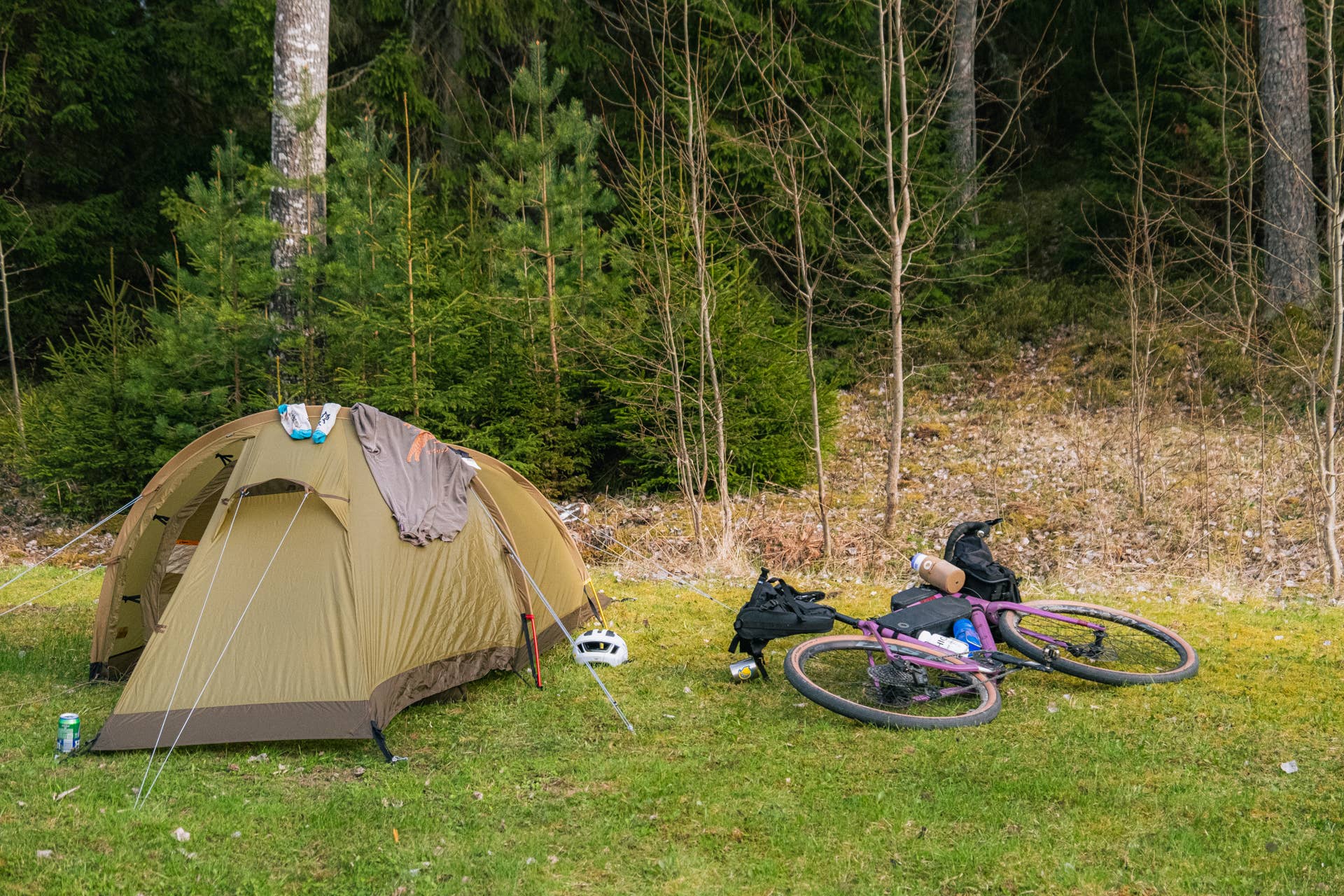
Credit: www.bikemag.com
Setting Up Camp Quickly
Camping overnight during bikepacking trips needs fast and smart setup. You want to rest soon and keep your gear safe.
Knowing how to set up your camp quickly saves energy and time. It helps you enjoy your trip more.
Efficient Tent Setup
Choose a flat and dry spot to pitch your tent. Clear away rocks and sticks to avoid damage.
Keep your tent parts organized and unpack them carefully. Follow your tent’s setup steps in order.
- Lay out the tent body flat on the ground
- Insert poles and secure them firmly
- Attach rainfly if needed to stay dry
- Stake the tent tightly to prevent movement
- Double-check all zippers and closures
Creating A Comfortable Sleep Area
Make your sleep spot cozy by using a sleeping pad. It adds comfort and insulation from the cold ground.
Arrange your sleeping bag neatly to avoid wrinkles. This helps you stay warm and sleep better.
- Place sleeping pad inside the tent first
- Lay out your sleeping bag on top
- Use a small pillow or stuff a jacket for head support
- Keep your clothes and gear close for easy reach
Establishing A Safe Cooking Zone
Set up your cooking area away from your tent. This prevents fire hazards and keeps food smells outside.
Choose a flat spot with good airflow for your stove or fire. Keep water and fire extinguisher nearby for safety.
- Clear dry leaves and debris from the cooking area
- Place stove on a stable, level surface
- Store food sealed and away from animals
- Keep a bucket of water or sand nearby
- Clean up cooking mess to avoid attracting wildlife
Staying Warm And Dry Overnight
Camping overnight during bikepacking trips means dealing with changing weather. Staying warm and dry helps you rest well and enjoy the journey.
Proper gear and simple techniques keep you comfortable. Focus on clothing, weatherproofing, and managing moisture to avoid cold and wet nights.
Choosing The Right Clothing Layers
Wearing layers lets you adjust to temperature changes. Each layer has a role to keep you warm and dry.
- Base layer:Wicks sweat away from skin to stay dry.
- Insulating layer:Traps heat to keep you warm.
- Outer layer:Protects from wind and rain.
Choose materials like wool or synthetic fabrics. Avoid cotton because it holds moisture and cools you down.
Weatherproofing Techniques
Good weatherproofing keeps rain and wind out. It also helps your body heat stay inside.
| Technique | Tip |
| Use rain gear | Wear a waterproof jacket and pants with sealed seams |
| Choose a good shelter | Pick a tent or bivy with a rain fly and proper ventilation |
| Seal gaps | Close zippers and flaps to block wind and water |
| Keep gear dry | Store clothes and sleeping bag in waterproof bags |
Managing Moisture And Condensation
Moisture inside your shelter can make you cold. Condensation forms when warm air meets cold surfaces.
- Ventilate your tent to reduce moisture buildup.
- Dry wet clothes before sleeping if possible.
- Use a sleeping pad to insulate from cold ground.
- Keep your sleeping bag dry by storing it in a waterproof sack.
Food And Hydration Strategies
Camping overnight while bikepacking needs smart food and water plans. You must eat meals that are easy to cook and carry. Staying hydrated is just as important as eating well.
Good food and clean water keep your energy up and help you enjoy your trip. Here are some tips to help you plan your meals and hydration.
Easy-to-prepare Meals
Choose meals that need little cooking or just hot water. Lightweight and packed meals save time and effort. Instant noodles, dehydrated soups, and ready rice packs work well.
- Freeze-dried meals that only need boiling water
- Pre-cooked rice or pasta in vacuum packs
- Instant oatmeal or porridge for breakfast
- Energy bars or trail mix for quick meals
- Lightweight canned tuna or chicken for protein
Water Purification Methods
Clean water is critical for safety and hydration. Carry a small purifier or use natural methods to treat water from streams or lakes. Boiling water is simple but uses fuel and time.
| Method | Pros | Cons |
| Water Filter | Quick and effective | Can clog, needs maintenance |
| Purification Tablets | Lightweight and easy | May leave taste |
| Boiling | Kills all pathogens | Needs fuel and time |
| UV Light Purifier | Fast and chemical-free | Requires batteries |
Energy-boosting Snacks
Snacks provide quick energy during rides and breaks. Choose options high in protein, fats, and carbohydrates. Keep snacks easy to eat without much preparation.
- Nuts and seeds for healthy fats and protein
- Dried fruits for quick sugars and vitamins
- Granola or energy bars for balanced energy
- Peanut butter packets for protein and fat
- Dark chocolate for quick energy and taste
Safety And Wildlife Precautions
Camping overnight during bikepacking trips can be exciting. Staying safe and respecting wildlife is very important. This guide covers key safety tips and wildlife precautions.
Following these steps helps protect you and the animals around your campsite. Prepare well to enjoy a safe outdoor experience.
Storing Food Securely
Keep your food away from your sleeping area. Animals can smell food from far away. Store food in airtight containers or special bags.
- Use bear-proof containers if available
- Hang food bags from a tree branch at least 10 feet high
- Keep cooking gear and food separate from your tent
- Clean all food scraps and wrappers before sleeping
Dealing With Wildlife Encounters
Wild animals may come close during the night. Stay calm and do not approach them. Make noise to scare animals away if needed.
| Animal | What to Do | What to Avoid |
| Bears | Back away slowly, make loud noises | Do not run or climb trees |
| Snakes | Stay still, move away slowly | Do not touch or provoke |
| Coyotes | Make yourself look big, shout | Do not turn your back |
| Mountain Lions | Maintain eye contact, appear large | Do not crouch or run |
First Aid Essentials
Bring a first aid kit with basic supplies. Know how to use them. Being ready helps with cuts, bites, or stings.
- Include bandages, antiseptic wipes, and tweezers
- Pack allergy medicine if you have allergies
- Bring pain relievers and any personal medication
- Learn basic first aid skills before your trip
Nighttime Tips For Comfort And Security
Camping overnight on bikepacking trips needs good planning for comfort and safety. Nighttime can be quiet and dark, so prepare well.
Use simple strategies to manage light, reduce noise, and keep your gear close. These tips help you rest better and stay secure.
Light Management
Use soft lights to avoid disturbing your eyes or others. A headlamp with a red light mode helps keep night vision.
- Set up your tent away from bright light sources
- Use a dim lantern inside your tent
- Turn off all lights before sleep
- Carry extra batteries or a power bank
Noise Reduction
Quiet helps you rest and avoids waking wildlife. Keep noise low and avoid loud talking or music.
| Noise Source | How to Reduce |
| Bike chains | Lubricate before camping |
| Campfire crackling | Keep fire small and controlled |
| Talking | Speak softly or whisper |
| Gear sounds | Store items in sealed bags |
Keeping Gear Accessible
Organize your gear so you can find it easily at night. This saves time and avoids stress in the dark.
- Keep your headlamp and flashlight within reach
- Store essentials like water, snacks, and a knife near your sleeping area
- Use clear bags or labeled pouches for small items
- Place your phone and emergency whistle where you can grab them fast
Breaking Camp Efficiently
Breaking camp quickly saves time and energy on bikepacking trips. It helps you get back on the trail without stress.
Organizing your gear and following simple routines makes packing faster. It also keeps your campsite clean.
Packing Techniques
Pack your gear in order of use. Keep items you need first easy to reach. This reduces time spent searching.
Use stuff sacks and dry bags to group similar items. This keeps your gear organized and protects it from rain.
- Place sleeping bags and pads at the bottom of your bags
- Keep cooking gear and food in an easy-to-access spot
- Store clothes in separate sacks for quick changes
- Use small bags for toiletries and tools
Leave No Trace Principles
Follow Leave No Trace rules to protect nature. Always clean your site before leaving. Avoid damaging plants or soil.
Pack out all trash and leftover food. Use established campsites and fire rings if possible. Respect wildlife by keeping distance.
- Pick up all trash, even small pieces
- Scatter used water away from campsites
- Do not cut live branches or vegetation
- Keep noise low to avoid disturbing animals
Preparing For The Next Day
Set up your gear for easy access in the morning. Charge devices if you have power. Plan your route to save time.
Dry out wet clothes and tents to avoid mildew. Prepare meals that are quick to cook. Check weather and trail conditions ahead.
- Lay out clothes and gear you will need first
- Store food where animals cannot reach it
- Fill water bottles and treat water if needed
- Review map and plan breaks along the route

Credit: www.reddit.com
Frequently Asked Questions
What Essential Gear Is Needed For Overnight Bikepacking Camping?
Essential gear includes a lightweight tent or bivy, sleeping bag, sleeping pad, cooking kit, and multi-tool. Pack compact, durable items for comfort and safety on the trail.
How To Choose A Safe Campsite During Bikepacking Trips?
Select a flat, dry spot away from hazards like rivers or cliffs. Look for natural shelter and follow Leave No Trace principles to protect nature.
What Food Is Best For Overnight Bikepacking Camping?
Choose lightweight, high-energy foods like nuts, dried fruits, energy bars, and dehydrated meals. Prioritize easy-to-cook and non-perishable items to save time and weight.
How To Stay Warm While Camping Overnight On A Bikepacking Trip?
Layer clothing, use an insulated sleeping pad, and a quality sleeping bag rated for the temperature. Keep dry and avoid sweating to maintain warmth.
Conclusion
Camping overnight during bikepacking trips can be a rewarding experience. Pack light but smart for comfort. Choose a safe campsite, away from hazards. Always respect nature and leave no trace. Remember, preparation makes the journey smoother. Enjoy the solitude and beauty of the outdoors.
Listen to the sounds of nature as you unwind. Share stories around a campfire with fellow travelers. These moments create lasting memories. Keep your essentials handy and stay organized. A good night’s rest ensures you’re ready for the next day’s adventure.
Embrace the journey and happy biking!



