
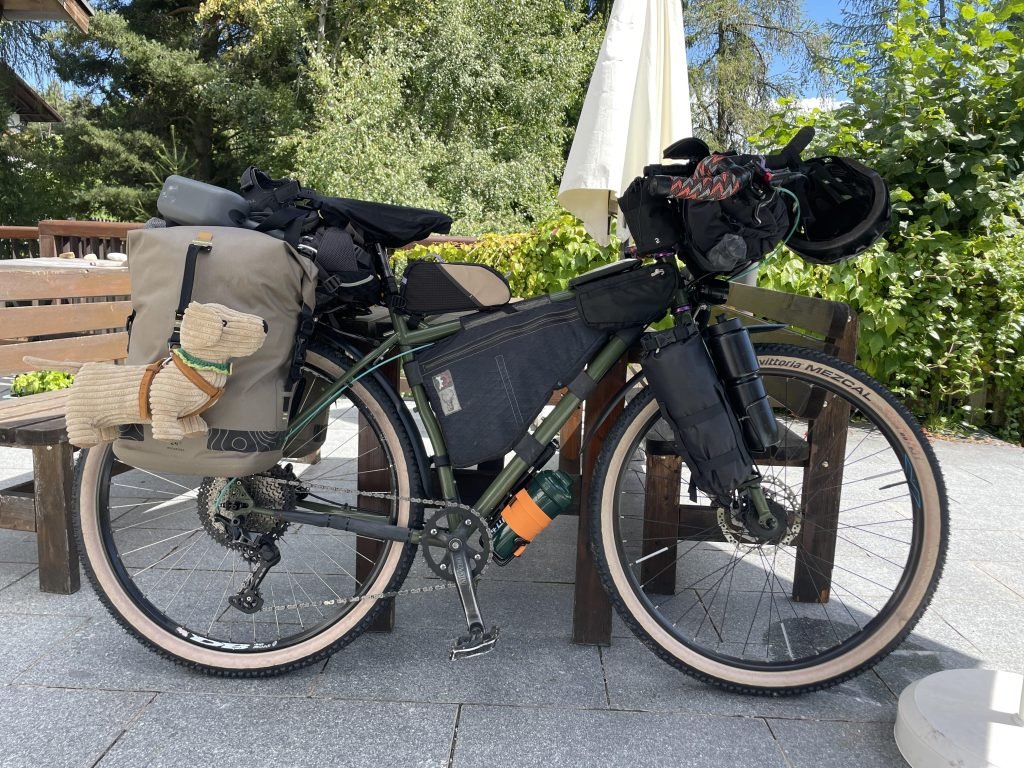
Packing your stove and fuel for a bikepacking trip might seem simple, but getting it wrong can ruin your adventure. You want to cook meals safely, save space, and keep your load light.
How do you balance all that? This guide will show you exactly how to pack your stove and fuel so they’re easy to carry, safe to use, and ready when you need them. Keep reading, and you’ll learn tips that make your trip smoother and more enjoyable from start to finish.

Credit: www.reddit.com
Choosing The Right Stove
Picking the right stove is key for bikepacking trips. It affects how you cook and carry fuel.
Consider the stove type, fuel needs, and weight to match your travel style.
Types Of Bikepacking Stoves
There are several stove types for bikepacking. Each has pros and cons for different trips.
- Canister stoves: Use pressurized gas canisters. They light quickly and control heat well.
- Liquid fuel stoves: Use fuels like white gas or kerosene. Good for cold weather but need more care.
- Alcohol stoves: Simple and lightweight. They burn alcohol and are easy to clean.
- Wood stoves: Use twigs or small wood pieces found on trails. No need to carry fuel but require fire safety.
Fuel Compatibility
Stoves match specific fuel types. Using the right fuel keeps you safe and efficient.
| Stove Type | Compatible Fuel | Notes |
| Canister Stove | Isobutane, Propane | Easy to use, lightweight canisters |
| Liquid Fuel Stove | White Gas, Kerosene, Diesel | Works well in cold and high altitudes |
| Alcohol Stove | Denatured Alcohol | Cheap and clean but less powerful |
| Wood Stove | Twigs, Small Wood | No fuel to carry but needs dry wood |
Weight And Size Considerations
Bikepacking means carrying all gear on your bike. Weight and size matter a lot.
- Look for stoves that weigh less than 10 ounces for easy packing.
- Compact stoves fit better in small bike bags.
- Fuel weight depends on type and trip length. Carry only what you need.
- Test stove and fuel together before your trip to check packing fit.
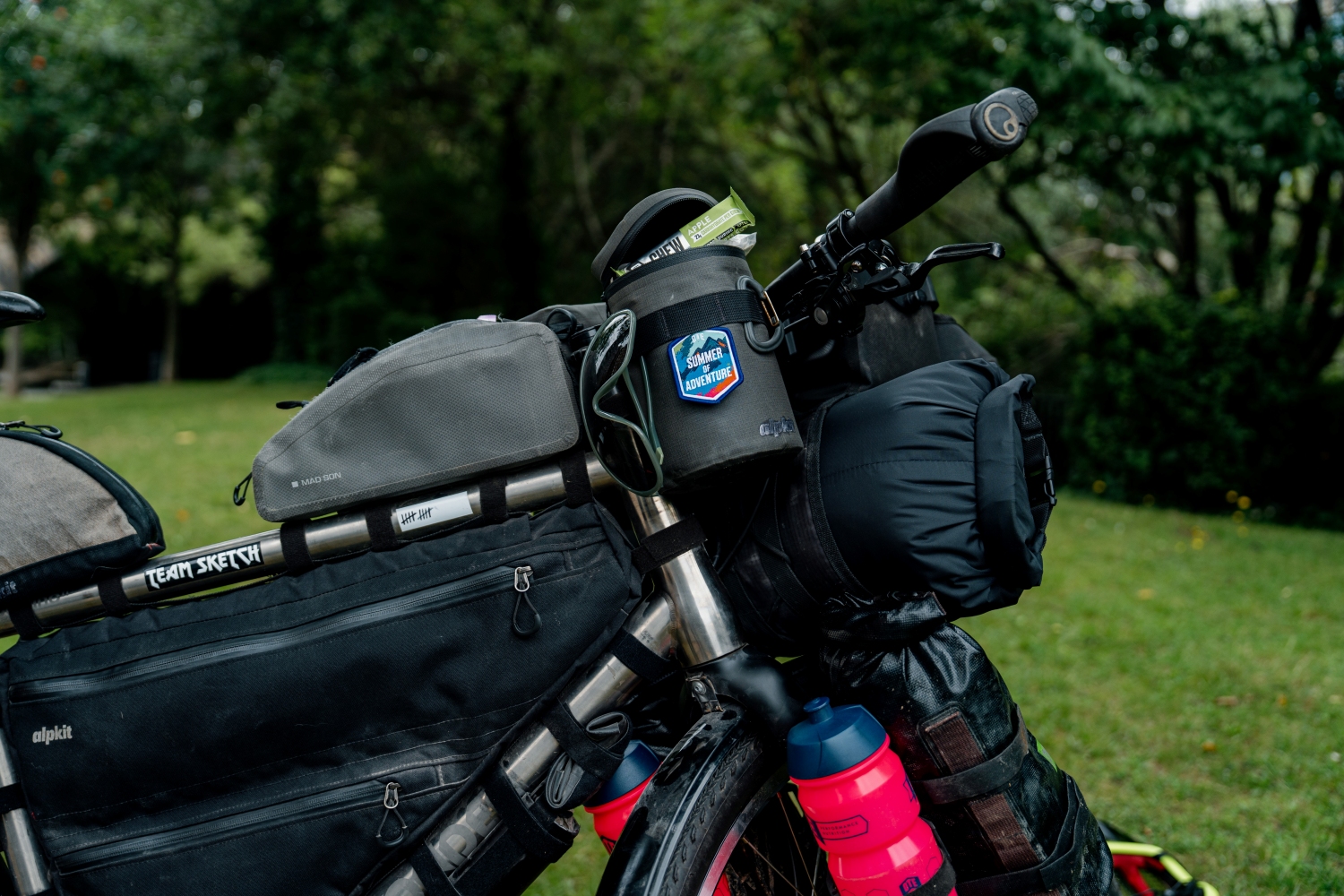
Credit: www.otesports.co.uk
Selecting Fuel For Bikepacking
Choosing the right fuel is key for your bikepacking stove. It affects how well you cook and how safe you are. Fuel choice depends on the type of stove and your trip needs.
Consider weight, ease of use, and fuel availability before packing. Understanding fuel options helps you prepare better for your journey.
Common Fuel Types
There are several fuel types for bikepacking stoves. Each has pros and cons. The main types include canister gas, liquid fuel, and solid fuel tablets.
- Canister Gas:Usually a mix of propane and butane. Easy to use and clean burning.
- Liquid Fuel:Includes white gas and kerosene. Works well in cold weather and high altitudes.
- Solid Fuel Tablets:Lightweight and simple but burns quickly and with less heat.
Fuel Efficiency
Fuel efficiency matters on long trips. It saves weight and reduces how much fuel you carry. Some fuels burn hotter and last longer.
| Fuel Type | Burn Time per Unit | Heat Output | Weight |
|---|---|---|---|
| Canister Gas | Up to 1.5 hours | High | Light |
| Liquid Fuel | Up to 2 hours | Very High | Moderate |
| Solid Fuel Tablets | 15-20 minutes | Low | Very Light |
Safety And Storage
Fuel safety is important. Carry fuel in proper containers. Keep it away from heat and open flames. Check for leaks before use.
- Use original fuel bottles or canisters.
- Seal containers tightly after use.
- Store fuel away from food and sleeping areas.
- Do not expose fuel to direct sunlight for long times.
Packing Techniques For Stoves
Packing your stove and fuel safely is important for bikepacking trips. Proper packing keeps your gear safe and easy to use.
Use smart techniques to save space and protect your stove. Organize accessories to avoid damage and mess.
Protecting Your Stove
Stoves are delicate and need protection from bumps and dirt. Wrap your stove in soft materials to avoid scratches.
Use a small padded bag or a cloth to cover the stove. This prevents damage during rough rides or falls.
- Wrap stove with foam or bubble wrap
- Store in a sturdy bag or container
- Avoid placing heavy items on top
- Keep away from sharp objects
Compact Packing Tips
Make your stove pack small to save space on your bike. Use flexible bags and pack parts tightly together.
Remove fuel canisters and pack them separately. This helps keep fuel safe and stops leaks inside your bag.
- Disassemble stove parts if possible
- Use compression bags for stove and fuel
- Place small parts inside stove body
- Keep fuel in a vented, stable spot
Organizing Stove Accessories
Keep your stove accessories like matches, lighters, and cleaning tools in one place. This saves time and stops loss.
Use small pouches or zip bags for accessories. Label them if needed to find items quickly on the trail.
- Store fuel wrenches and tools together
- Keep fire starters dry and accessible
- Use small containers for spare parts
- Check accessories before each trip

Credit: www.youtube.com
Fuel Packing And Transport
Packing and carrying stove fuel for bikepacking trips needs care. Fuel is flammable and can leak if not packed right.
Good fuel packing keeps you safe and your gear clean. It also makes your trip easier and more enjoyable.
Using Fuel Bottles And Canisters
Use bottles made for stove fuel. They are strong and seal tight. Metal or thick plastic bottles work best.
Gas canisters are easy to carry and use. They connect directly to the stove. Choose the right size for your trip length.
- Check bottle or canister for damage before packing.
- Fill bottles carefully to avoid spills.
- Keep extra fuel in original containers if possible.
- Label containers clearly to avoid confusion.
Preventing Leaks And Spills
Leaks can damage gear and cause fires. Always seal bottles and canisters tightly. Use fuel bottle caps with rubber seals.
Store fuel upright and away from sharp objects. Put bottles in a plastic bag to catch leaks. Avoid storing fuel near food or sleeping bags.
- Test seals before leaving home.
- Carry fuel bottles in a separate compartment.
- Check fuel containers during the trip for leaks.
- Clean spills immediately using cloth or paper towels.
Legal And Safety Regulations
Fuel transport rules vary by country and region. Check local laws before your trip. Some places limit fuel type or amount.
Carry fuel only in approved containers. Follow airline and transport rules if flying. Keep fuel away from heat and open flames.
- Use only approved fuel containers.
- Do not carry fuel in passenger compartments of vehicles.
- Store fuel in well-ventilated areas.
- Know emergency steps for fuel fires or spills.
Setting Up Your Stove On The Trail
Setting up your stove properly is important for safety and cooking success. A good setup helps you cook faster and avoid accidents.
Take time to find the right spot and prepare your stove carefully. This makes your bikepacking trip smoother and more enjoyable.
Choosing A Safe Cooking Spot
Pick a flat area to place your stove. Avoid dry grass, leaves, or anything flammable nearby. This lowers the risk of fire.
Look for a spot protected from strong wind and rain. A sheltered area keeps your flame steady and safe.
- Clear ground of sticks and leaves
- Stay away from tents and gear
- Keep stove on stable surface
- Choose a spot with natural wind protection
Efficient Stove Setup
Set up your stove on a level surface to avoid spills. Make sure the fuel canister is tightly connected to prevent leaks.
Keep your cooking pot close but stable. Arrange your gear so you can reach everything easily while cooking.
- Check all parts for damage before use
- Attach fuel canister firmly
- Place pot securely on the stove
- Keep stove away from backpacks and flammable items
Managing Wind And Weather
Wind can blow out your flame or waste fuel. Use natural barriers like rocks or trees to block wind if possible.
If the weather is wet, shield your stove with a windscreen or a small tarp. Keep your stove dry for better performance.
- Use a windscreen around your stove
- Cook in a sheltered spot
- Keep fuel and stove dry
- Monitor weather changes and adjust setup
Maintenance And Troubleshooting
Keeping your stove clean and in good condition is key for safe cooking on bikepacking trips. Regular checks help avoid problems while you travel.
Knowing how to fix common stove issues can save time and stress on the road. Simple care steps can extend your stove’s life.
Cleaning Your Stove
Clean your stove after each trip to remove dirt and fuel residue. Use a soft cloth and mild soap to wipe all parts.
- Disassemble the stove carefully before cleaning.
- Check the fuel jets for blockages and clear them gently.
- Dry all parts fully before packing to avoid rust.
- Store the stove in a dry bag or container.
Common Issues And Fixes
Stoves can have problems like fuel leaks, weak flames, or hard starts. Identifying these helps keep you cooking.
| Issue | Cause | Fix |
| Weak Flame | Clogged fuel jet | Clean the jet with a small needle |
| Fuel Leak | Loose connections | Tighten all fuel lines and seals |
| Hard to Light | Wet or old fuel | Use fresh fuel and dry the stove |
| Flame Goes Out | Wind or low fuel pressure | Shield the stove and check fuel tank |
Extending Stove Lifespan
Taking care of your stove helps it last for many bikepacking trips. Follow these tips for long-term use.
- Store your stove dry and away from dust.
- Check seals and replace worn parts regularly.
- Use the stove only as the manual advises.
- Carry a basic repair kit on trips.
- Inspect the stove before each use for damage.
Tips For Efficient Cooking
Packing a stove and fuel for bikepacking trips needs smart planning. Efficient cooking saves time and fuel.
Use simple tools and plan meals that cook quickly. This keeps your trip light and easy.
Meal Planning For Bikepacking
Plan meals that need little cooking. Pick foods that cook fast and use less fuel.
Choose lightweight, non-perishable ingredients. Focus on meals with fewer steps and simple recipes.
- Instant oats or quick-cook grains
- Dehydrated or freeze-dried meals
- Pre-chopped vegetables and cured meats
- Easy snacks like nuts and dried fruit
Maximizing Fuel Use
Carry just enough fuel for your trip to save weight. Avoid carrying extra heavy fuel canisters.
Use a stove with good heat control. This helps you cook quickly without wasting fuel.
- Cook with a lid on pots to keep heat in
- Boil only the water you need
- Use windshields to protect the flame
- Pre-soak foods that take longer to cook
Cooking Safety Practices
Always cook in a safe spot away from dry grass or leaves. This lowers fire risk.
Keep your stove stable on flat ground. Never leave the stove unattended while it’s lit.
- Store fuel away from heat and open flames
- Let stove cool before packing it away
- Have water or dirt ready to put out small fires
- Follow local fire rules and regulations
Frequently Asked Questions
How Do I Safely Pack A Stove For Bikepacking?
Pack your stove in a sturdy, heat-resistant case. Use padding to prevent damage. Keep it separate from fuel to avoid accidents.
What Is The Best Fuel Type For Bikepacking Stoves?
Isobutane-propane canisters are lightweight and efficient. Liquid fuels work better in cold weather but are heavier. Choose based on your trip needs.
How Much Fuel Should I Carry On A Bikepacking Trip?
Carry enough fuel for all planned meals plus extra. Estimate usage based on stove efficiency and trip duration. Always pack a safety margin.
Can I Pack Stove Fuel In Checked Luggage For Flights?
Check airline regulations first. Some fuels are prohibited in checked or carry-on bags. Use approved containers and declare fuel when required.
Conclusion
Packing your stove and fuel wisely ensures a smooth bikepacking trip. Choose lightweight options to save space and reduce weight. Securely pack the stove to avoid damage during rides. Store fuel safely, away from heat and sparks. Consider weather conditions when planning your cooking needs.
Practice packing at home for efficiency on the road. Remember, a well-prepared pack means more fun and less stress. Enjoy your bikepacking adventure with confidence and peace of mind. Safe travels and happy biking!



