
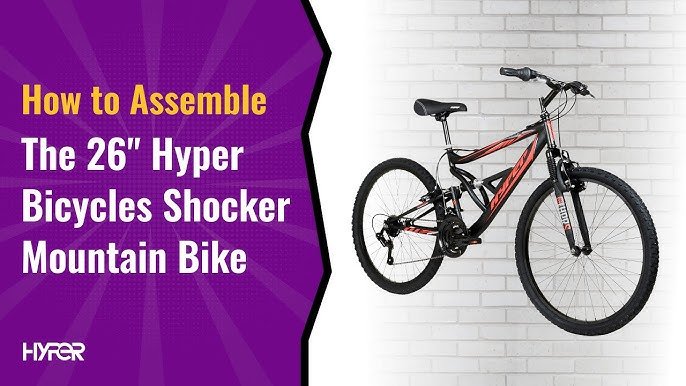
Are you ready to take your outdoor adventures to the next level? Assembling your own women’s mountain bike might sound tricky, but with the right steps, you can do it yourself and feel proud every time you hit the trails.
This guide will walk you through the process in simple, clear steps so you won’t feel overwhelmed. By the end, you’ll have a bike built just for you—ready to conquer any path. Keep reading, and let’s get your mountain bike assembled perfectly!
Tools Needed
Assembling a women’s mountain bike requires the right tools. Using the correct tools makes the process easier. It also helps avoid damage to the bike parts.
This guide covers essential tools and optional accessories. Knowing these will prepare you well for the assembly.
Essential Tools
These tools are must-haves for putting your mountain bike together. They help fit parts tightly and adjust components properly.
- Allen wrench set (various sizes)
- Adjustable wrench
- Phillips and flathead screwdrivers
- Bike tire pump
- Chain tool for bike chain installation
- Grease or lubricant
- Tire levers
- Torque wrench to tighten bolts correctly
Optional Accessories
These accessories are not required but can make assembly smoother or maintenance easier later.
| Accessory | Purpose |
| Bike stand | Keeps bike steady during assembly |
| Needle nose pliers | Helps with small parts and cables |
| Cleaning cloth | Wipes off grease and dirt |
| Cable cutters | Trims brake and gear cables cleanly |
| Pedal wrench | Fits pedal installation and removal |
Unpacking The Bike
Unpacking a women’s mountain bike carefully helps protect parts from damage. Take your time and work in a clean space.
Read the instructions that come with the bike. They often show how to unpack and check each piece.
Checking Components
First, check if all parts are included and in good condition. Look for any scratches or dents on the frame and wheels.
- Frame and fork
- Wheels and tires
- Handlebars and grips
- Saddle and seat post
- Pedals and crankset
- Brakes and brake pads
- Gears and derailleurs
- Chain and cables
Handling Packaging Materials
Remove packaging materials carefully to avoid scratches. Save the box and padding in case you need to transport or store the bike.
| Packaging Material | Handling Tips |
| Cardboard Box | Open with a box cutter gently, avoid cutting into the bike |
| Foam Padding | Keep until assembly is done to protect parts |
| Plastic Wrap | Remove slowly to prevent static damage to cables |
| Zip Ties | Cut carefully to free cables and components |
Frame And Fork Setup
Assembling a women’s mountain bike starts with setting up the frame and fork. This step ensures the bike rides smoothly and safely.
Focus on fitting the front fork and securing the headset properly. These parts connect the front wheel and allow steering.
Attaching The Front Fork
Place the fork into the bike frame’s head tube. Make sure it fits snugly without forcing it.
Insert the fork’s steerer tube through the headset bearings inside the head tube. The fork blades should face forward.
- Slide the fork steerer tube down through the head tube
- Check that the fork legs are straight and aligned
- Do not push too hard to avoid damage
Securing The Headset
The headset holds the fork and allows it to turn smoothly. Tighten the headset so there is no play but steering stays easy.
Adjust the top cap and stem bolts to lock the headset in place. Test the movement by turning the handlebars gently.
- Place the headset bearings in the head tube
- Insert the fork steerer tube through the bearings
- Tighten the top cap bolt to remove looseness
- Secure stem bolts evenly to hold the fork
- Check for smooth steering without wobble

Credit: www.amazon.com
Installing Wheels
Installing the wheels on a women’s mountain bike is a key task. Proper wheel installation ensures safety and smooth riding.
This guide explains how to mount the front and rear wheels. It also covers aligning and securing them correctly.
Mounting The Front Wheel
Start by positioning the front wheel between the fork ends. Make sure the brake rotor fits inside the brake caliper.
Open the quick-release lever or loosen the axle nuts if your bike uses them. Slide the axle into the dropouts carefully.
- Check that the wheel sits evenly between the fork legs
- Ensure the axle is fully inside the dropouts
- Close the quick-release lever or tighten the axle nuts securely
Mounting The Rear Wheel
Place the rear wheel into the frame dropouts. Align the chain with the smallest gear on the cassette or freewheel.
Make sure the wheel axle fits fully into the dropouts. Adjust the chain if needed to avoid tension or slack.
- Position the wheel so the cassette fits on the drive side
- Check that the axle is seated fully in the dropouts
- Tighten the quick-release lever or axle nuts firmly
Aligning And Securing
After installing both wheels, check their alignment. Wheels should be centered between the forks or rear stays.
Spin each wheel to see if it runs true without wobbling. Tighten all quick-release levers or nuts securely once aligned.
- Center the wheels evenly in the frame
- Spin wheels to check for any side-to-side wobble
- Adjust and tighten all axle fasteners firmly
- Confirm brake rotors are clear of brake pads
Handlebar Assembly
Assembling the handlebar on a women’s mountain bike is an important step. It helps ensure comfort and control while riding.
This guide explains how to position the handlebars, tighten bolts, and adjust brake and gear levers.
Positioning The Handlebars
Start by placing the handlebars in the stem clamp. Align them so they sit straight and level with the front wheel.
Make sure the handlebar height feels comfortable. You can raise or lower it to fit your riding style.
- Place the handlebars in the stem clamp.
- Center them evenly on both sides.
- Adjust the height to a comfortable level.
- Check the angle so your wrists feel relaxed.
Tightening Bolts
After positioning, tighten the bolts on the stem clamp to hold the handlebars in place. Use a torque wrench if possible.
Tighten bolts evenly to avoid putting too much pressure on one side. This keeps the handlebars secure and stable.
- Start by tightening bolts lightly.
- Tighten each bolt a little at a time.
- Use a torque wrench to reach the correct tightness.
- Check that handlebars do not move after tightening.
Adjusting Brake And Gear Levers
Position the brake and gear levers so your fingers reach them easily. The levers should sit at a natural angle for your hands.
Loosen the clamp bolts on the levers to move them. Test the position by holding the handlebars and using the levers.
- Loosen the brake and gear lever clamps.
- Slide the levers along the handlebar to a good spot.
- Adjust the angle to fit your finger reach.
- Tighten the clamp bolts securely.
- Test by squeezing the brake and shifting gears.

Credit: www.reddit.com
Seat And Seatpost Setup
Setting up the seat and seatpost correctly is key for comfort and control. This guide helps you fit these parts on a women’s mountain bike with ease.
Follow simple steps to insert the seatpost and adjust the seat height and angle to fit your riding style.
Inserting The Seatpost
Make sure the seatpost is clean and free from dirt. Apply a thin layer of grease or carbon paste if your seatpost or frame needs it.
- Loosen the seatpost clamp on the bike frame.
- Insert the seatpost into the frame tube carefully.
- Push the seatpost down to the desired minimum height mark.
- Tighten the seatpost clamp securely but do not overtighten.
- Check the seatpost does not move when you apply pressure.
Adjusting Seat Height And Angle
Proper seat height and angle reduce strain and improve pedaling power. Adjust these settings before your first ride.
| Adjustment | How to Do It | Why It Matters |
| Seat Height | Loosen the seatpost clamp and raise or lower the seat. | Correct height allows full leg extension. |
| Seat Angle | Use the seat clamp to tilt the seat forward or backward. | Proper angle keeps you comfortable and stable. |
| Final Check | Ensure all bolts are tight and the seat does not wobble. | Safety and comfort depend on secure fittings. |
Brake Installation
Installing brakes on a women’s mountain bike is a key safety task. Proper brake setup ensures you stop smoothly and safely on all trails.
This guide covers mounting brake calipers, connecting brake cables, and testing brake function for best results.
Mounting Brake Calipers
First, position the brake calipers over the wheel rim or disc rotor. Align them so the pads sit evenly on both sides of the rim or rotor.
- Use the correct bolts to attach the calipers to the frame or fork.
- Tighten bolts firmly but avoid over-tightening.
- Check that calipers do not rub the wheel when released.
- Adjust caliper position if needed for even pad contact.
Connecting Brake Cables
Brake cables link the brake levers to the calipers. Proper cable connection ensures responsive braking.
| Step | Action |
| 1 | Thread the brake cable through the lever housing. |
| 2 | Guide the cable along the frame to the caliper. |
| 3 | Insert the cable end into the caliper anchor bolt. |
| 4 | Tighten the anchor bolt to secure the cable. |
| 5 | Adjust cable tension with barrel adjusters for smooth lever feel. |
Testing Brake Function
After installation, test brakes to confirm they work well and stop the bike safely.
- Squeeze the brake levers firmly and check pad contact on the rim or rotor.
- Ensure the wheels stop quickly without excessive lever pull.
- Listen for any rubbing or strange noises from the brakes.
- Make small adjustments to cable tension if needed.
- Test brakes on a slow ride before riding fast or downhill.
Gear System Setup
Setting up the gear system is key for smooth riding. It includes installing derailleurs, routing cables, and adjusting shifting.
Careful setup ensures your mountain bike shifts gears easily on all trails.
Installing Derailleurs
First, attach the front and rear derailleurs to the bike frame. Use the correct screws and tighten them firmly. Make sure the derailleurs align with the chainrings and cassette.
- Mount the front derailleur near the chainrings.
- Attach the rear derailleur to the derailleur hanger.
- Check that derailleurs move freely without hitting the frame.
- Use a screwdriver to adjust the limit screws for safe chain travel.
Routing And Connecting Cables
Next, guide the gear cables through the frame’s cable stops. Connect the cables to each derailleur carefully to avoid kinks or damage.
| Action | Tip |
| Insert cable into shifter | Pull tight for smooth shifting |
| Route cable along frame | Follow cable guides closely |
| Attach cable to derailleur | Tighten the anchor bolt securely |
| Trim excess cable | Leave some slack for adjustments |
Adjusting Shifting
Finally, adjust the shifting using the barrel adjusters and limit screws. Shift through all gears to test smoothness.
- Shift to the smallest chainring and smallest cassette gear.
- Turn the barrel adjuster to fine-tune cable tension.
- Use limit screws to stop chain from dropping off gears.
- Test shifting across all gears and make small adjustments as needed.
- Lubricate the derailleur pivots for better movement.
Pedals And Crankset
The pedals and crankset are key parts of a women’s mountain bike. They help you pedal smoothly and control the bike.
Assembling these parts correctly is important for safety and performance. Let’s look at how to attach pedals and check the crank tightness.
Attaching Pedals
Pedals have a left and right side. Each pedal screws into the matching crank arm. The right pedal turns clockwise, the left pedal turns counterclockwise.
Start by applying some grease to the pedal threads. This stops them from getting stuck. Then, screw the pedals into the crank arms by hand first.
- Right pedal: screw in clockwise
- Left pedal: screw in counterclockwise
- Use a pedal wrench to tighten firmly
- Do not cross-thread the pedals
Checking Crank Tightness
The crankset connects the pedals to the bike. It must be tight to avoid wobbling. Check the crank bolts using the right tool.
Turn the crank arms and feel for any play or noise. Tighten the bolts if you notice looseness. Do not overtighten to avoid damage.
- Use a torque wrench for correct tightness
- Tighten bolts to the manufacturer’s specs
- Check crank arms for side-to-side movement
- Recheck tightness after riding a short distance
Final Adjustments
After assembling your women’s mountain bike, you need to make final adjustments. These ensure the bike rides smoothly and safely. Take your time to check each part carefully.
Focus on aligning the wheels and frame, lubricating moving parts, and performing safety checks. These steps help your bike last longer and work better.
Aligning Wheels And Frame
Proper alignment keeps your bike stable and easy to control. Check that the wheels are straight and centered in the frame. Adjust the axle nuts or quick-release levers as needed.
- Spin each wheel to check for wobbles.
- Center the wheels inside the fork and rear triangle.
- Tighten the nuts or quick-release to secure the wheels firmly.
- Make sure the handlebars line up with the front wheel.
Lubricating Moving Parts
Lubrication reduces friction and prevents rust. Focus on chains, derailleurs, brake levers, and pivot points. Use a bike-specific lubricant for best results.
| Part | Where to Apply | Type of Lubricant |
| Chain | On each link | Wet or dry bike lube |
| Derailleur | Pivots and springs | Light oil |
| Brake Levers | Pivot points | Light oil |
| Pedals | Bearings and threads | Grease |
Safety Checks
Safety checks protect you during rides. Inspect brakes, tires, and bolts. Make sure everything works well and is tight enough.
- Test front and rear brakes for quick stops.
- Check tire pressure and look for cuts or wear.
- Tighten all bolts on the frame, seat, and handlebars.
- Ensure reflectors and lights are installed and working.

Credit: hyperbicycles.com
Frequently Asked Questions
How Do I Start Assembling A Women’s Mountain Bike?
Begin by unpacking all parts and checking the manual. Install the handlebars, front wheel, and pedals first. Ensure all bolts are tightened securely. Follow the step-by-step instructions for each component to avoid mistakes and ensure safety.
What Tools Are Needed To Assemble A Mountain Bike?
You typically need Allen wrenches, screwdrivers, a bike pump, and a wrench set. Some bikes may require a torque wrench for precise tightening. Having these tools ready makes assembly smoother and prevents damage to bike parts.
How Do I Adjust The Seat For Comfort?
Loosen the seat post clamp, adjust the seat height to your hips, then tighten the clamp firmly. The seat angle should be level or slightly tilted. Proper adjustment improves comfort and riding efficiency on trails.
How Do I Check The Brakes After Assembly?
Squeeze the brake levers to ensure they engage and stop the wheel smoothly. Adjust cable tension if brakes feel loose. Test both front and rear brakes before riding to ensure safety and proper function.
Conclusion
Assembling a women’s mountain bike is easier with patience and focus. Start by following each step carefully. Use the right tools for the job. Ensure every part fits securely. Test the bike to confirm it’s safe. Regular maintenance keeps it in top condition.
Enjoy the freedom and adventure it brings. Cycling offers both fun and fitness. Ready to explore new trails? Your journey begins with a well-assembled bike. Always prioritize safety on your rides. Happy biking!



