
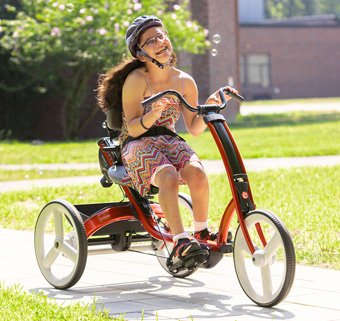
Have you ever wondered how someone with limited mobility can enjoy the freedom of riding a bike? Adaptive tricycles might be the answer you’re looking for.
These specially designed tricycles open up new possibilities for people of all ages and abilities. Whether you want to improve your balance, stay active, or simply have fun outdoors, understanding what adaptive tricycles are could change the way you think about cycling.
Keep reading to discover how these unique bikes work and how they can make a difference for you or someone you care about.

Credit: www.rifton.com
Adaptive Tricycles Basics
Adaptive tricycles help people with different mobility needs enjoy cycling. They provide stability and support for riders who may find regular bikes hard to use.
These tricycles come in many designs. They can be used for exercise, transport, or fun, making outdoor activities more accessible.
Key Features
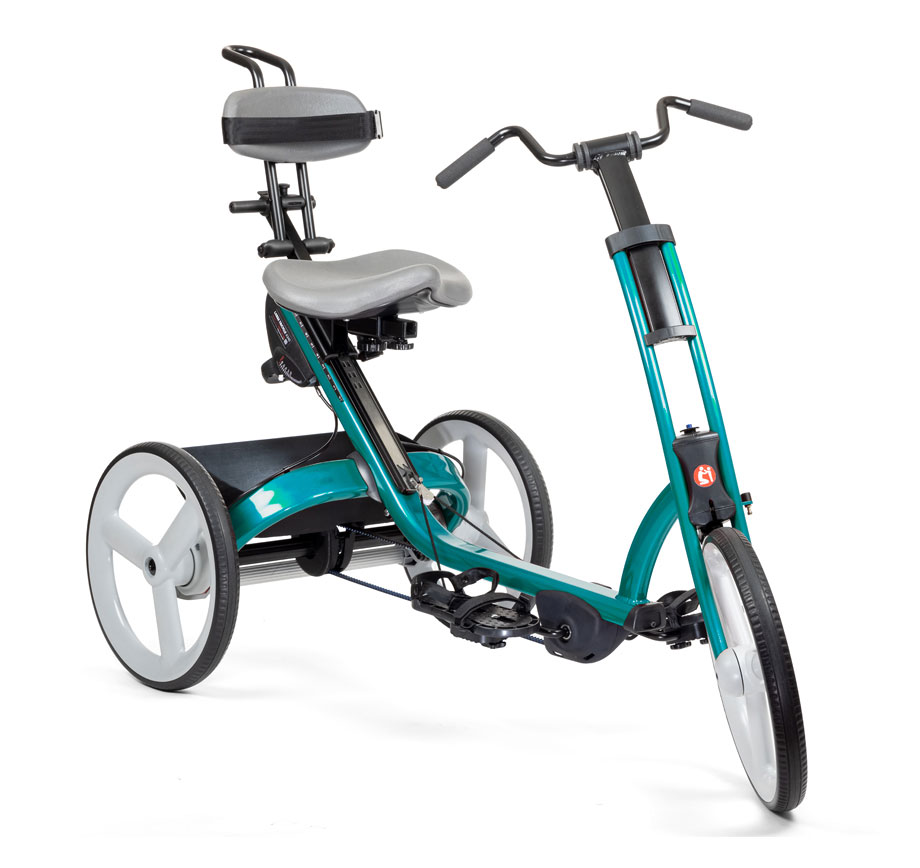
Adaptive tricycles have special features that make riding easier and safer. These features support balance, comfort, and control.
- Three wheels for extra balance and stability
- Adjustable seats and handlebars for comfort
- Easy-to-use brakes and pedals
- Supportive backrests and straps for safety
- Low step-through frames for easy mounting
Types Of Adaptive Tricycles
There are several types of adaptive tricycles. Each type fits different needs and abilities.
| Type | Use | Special Features |
|---|---|---|
| Rear-Wheel Drive | General riding | Standard pedals, good for beginners |
| Front-Wheel Drive | Better control | Steering linked to pedals |
| Recumbent Tricycles | Comfort and support | Reclined seat, back support |
| Handcycles | Arm-powered | Pedaled by hands, for limited leg use |
Who Benefits Most
Adaptive tricycles are designed to help people with different needs enjoy riding. They offer support and stability for users who find regular bikes hard to use.
These tricycles suit a wide range of people. They help improve mobility, independence, and fitness for those who need extra assistance.
Children With Special Needs
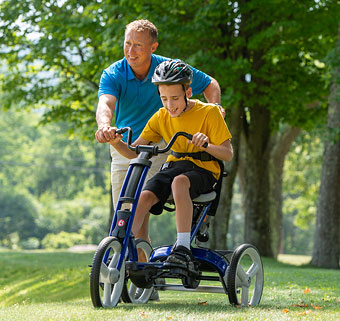
Adaptive tricycles help children with special needs gain confidence. They provide balance and support for kids with physical or developmental challenges.
Using these tricycles can improve muscle strength and coordination. They also encourage outdoor play and social interaction with peers.
- Children with cerebral palsy
- Kids with autism spectrum disorder
- Children with balance or coordination issues
Adults With Mobility Challenges
Adults with limited mobility find adaptive tricycles useful. These trikes offer extra stability for those who cannot use a regular bike safely.
They help maintain physical activity and improve overall health. Adaptive tricycles also boost confidence and independence for many adults.
- People with arthritis
- Adults recovering from injuries
- Individuals with balance problems
Rehabilitation Patients
Rehabilitation patients use adaptive tricycles to regain strength and mobility. These bikes are safe and adjustable for different recovery stages.
Therapists often recommend them to improve endurance and coordination. Adaptive tricycles support gradual progress in physical therapy programs.
- Stroke survivors
- Patients after surgery
- Individuals with neurological conditions
Physical And Mental Benefits
Adaptive tricycles help many people enjoy riding safely. They support physical health and mental well-being.
These tricycles fit different needs. They allow users to gain strength and confidence while having fun.
Improving Balance And Coordination
Adaptive tricycles offer a stable base for riders. They help users practice balance without fear of falling.
Riding improves hand-eye coordination and body control. Users learn to steer and pedal smoothly.
- Stable design prevents tipping
- Encourages practice of steering
- Improves reaction time
- Builds better body awareness
Enhancing Muscle Strength
Pedaling an adaptive tricycle builds leg muscles. It also strengthens core muscles for better posture.
Users gain endurance and power. Regular rides help muscles grow stronger over time.
- Works large leg muscles
- Improves core stability
- Boosts overall endurance
- Supports healthy muscle growth
Boosting Confidence And Independence
Adaptive tricycles let users move on their own. This freedom builds self-confidence and pride.
Riders feel more independent. They can explore outdoors and enjoy social activities safely.
- Encourages self-reliance
- Increases social interaction
- Builds positive self-image
- Supports mental well-being
Credit: www.rifton.com
Common Uses And Activities
Adaptive tricycles help people with disabilities move safely and enjoy outdoor activities. They are designed to offer support and stability.
These tricycles are useful in many settings. They encourage exercise, fun, and social interaction for users of all ages.
Therapeutic Exercises
Adaptive tricycles support physical therapy by improving strength and balance. They allow users to exercise their muscles gently.
Therapists use these tricycles to help improve coordination and motor skills. Regular use can aid in rehabilitation.
- Build leg muscles
- Enhance joint movement
- Increase endurance
- Improve balance and coordination
Outdoor Recreation
Adaptive tricycles let users enjoy nature and fresh air safely. They provide a stable ride for parks and trails.
People use these tricycles to explore outdoors without fear of falling. They make outdoor fun accessible for many.
- Riding in parks
- Trail exploration
- Family outings
- Leisure rides
Community Engagement
Adaptive tricycles help users join social activities and events. They create chances to meet new people and make friends.
These tricycles can be used in group rides or community programs. They promote inclusion and active participation.
- Group cycling events
- Community programs
- School activities
- Local rides and parades
Choosing The Right Adaptive Tricycle
Adaptive tricycles help people with different needs enjoy riding safely and comfortably. Picking the right one takes some thought. You want the best fit for the rider’s abilities and preferences.
This guide will cover key points to think about. You will learn how to assess user needs, explore customization options, and check important safety features.
Assessing User Needs
Start by understanding who will use the adaptive tricycle. Consider their physical strength, balance, and any special requirements. Some riders may need extra support or easy controls.
- Check the rider’s height and weight to find the right size.
- Note any mobility limits or muscle weakness.
- Think about how the rider will steer and brake.
- Consider if the rider needs help with sitting upright or keeping feet on pedals.
Customization Options
Adaptive tricycles often have parts you can adjust or add. These changes make the ride easier and more fun. Look for models that fit the rider’s needs well.
| Customization | Purpose |
| Adjustable seat height | Fits rider’s height for comfort |
| Supportive backrest | Helps with posture and balance |
| Hand or foot brakes | Makes stopping safer |
| Extra wide tires | Improves stability on rough ground |
| Storage baskets | Allows carrying personal items |
Safety Features To Consider
Safety is very important in adaptive tricycles. Look for features that protect the rider and help control the bike easily.
- Strong frame made of durable materials
- Reliable brakes that match the rider’s abilities
- Reflectors or lights for visibility
- Non-slip pedals and grips
- Easy entry and exit from the tricycle
Credit: www.rifton.com
Maintenance And Care Tips
Adaptive tricycles need regular care to work well and stay safe. Proper maintenance helps users enjoy their rides without problems.
Simple checks and cleaning can keep the tricycle in good shape for a long time. Follow these tips to take care of your adaptive tricycle.
Regular Inspection
Check your adaptive tricycle often for any signs of wear or damage. Look closely at the tires, brakes, and frame.
Inspect moving parts like chains and pedals to ensure they move smoothly and safely.
- Check tire pressure and look for cracks
- Test brakes for quick and full stopping
- Look for loose bolts or screws
- Ensure the seat and handlebars are secure
Cleaning And Storage
Keep your tricycle clean by wiping it down after each use. Dirt and grime can cause parts to wear out faster.
Store the adaptive tricycle in a dry place away from rain and sun. This protects it from rust and fading.
- Use a damp cloth to clean the frame and wheels
- Avoid harsh chemicals that can damage paint
- Dry the tricycle before storing it
- Cover the tricycle if stored outside
Troubleshooting Common Issues
If your tricycle has problems, check common causes first. Many issues can be fixed with simple steps.
Listen for strange sounds and watch for parts that don’t move right. Fix these quickly to avoid bigger problems.
- Fix squeaky chains by applying lubricant
- Replace worn tires to improve grip
- Tighten loose bolts and screws
- Adjust brakes if they don’t stop well
Frequently Asked Questions
What Are Adaptive Tricycles Used For?
Adaptive tricycles help individuals with mobility challenges enjoy cycling. They provide stability, support, and custom features for safe riding. These tricycles promote exercise, independence, and outdoor activity for people with disabilities or balance issues.
Who Can Benefit From Adaptive Tricycles?
People with physical disabilities, balance problems, or limited strength benefit most. Adaptive tricycles suit children and adults needing extra support. They enhance mobility and confidence for those unable to ride traditional bikes.
How Do Adaptive Tricycles Improve Mobility?
They offer three wheels for added stability, preventing falls. Custom seats and handles improve comfort and control. These features make cycling accessible for users with varying needs, enhancing overall mobility.
What Features Make Adaptive Tricycles Unique?
Adaptive tricycles include adjustable seats, hand pedals, and support straps. They often have low step-through frames for easy mounting. These features tailor the ride to individual physical requirements and preferences.
Conclusion
Adaptive tricycles offer fun and freedom to many individuals. They provide a safe way to enjoy riding. Perfect for those with mobility challenges. These tricycles are available in various designs. Each design caters to specific needs. Families can enjoy cycling together.
Riders gain confidence and independence with each ride. Adaptive tricycles are more than just bikes. They are tools for inclusion and joy. Explore the options and find the perfect fit. Experience the joy of adaptive cycling today. Riding is for everyone, and these tricycles prove it.



