
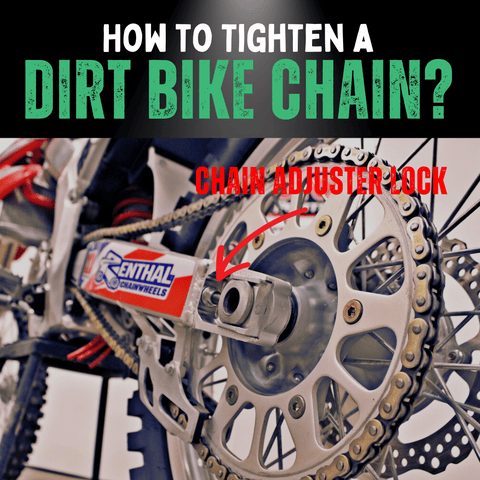
Is your dirt jump bike chain acting up right when you need it most? A loose, rusty, or broken chain can ruin your ride and leave you stuck.
But don’t worry—you don’t have to be a bike expert to fix it. In this guide, you’ll discover simple, step-by-step tips to get your chain working smoothly again. Keep reading, and you’ll be back on your bike faster than you think.
Your next jump is waiting!
Common Chain Issues
Dirt jump bikes often face chain problems that can stop rides early. Understanding these issues helps fix them fast.
Chains need care because they deal with dirt, jumps, and stress. Here are common problems and ways to handle them.
Chain Slippage
Chain slippage happens when the chain slips off the gears during pedaling. This makes pedaling uneven and can cause falls.
- Check if the chain is loose or stretched.
- Look at the gear teeth for wear or damage.
- Tighten or replace the chain if needed.
- Adjust the derailleur for proper chain alignment.
Chain Breakage
A chain can break from heavy jumps or poor maintenance. A broken chain stops your ride and may cause accidents.
| Cause | Fix |
| Worn-out chain links | Replace the chain |
| Improper chain length | Size the chain correctly |
| Damaged or bent links | Remove or replace links |
| Loose chain tension | Tighten chain or adjust tensioner |
Chain Rust And Dirt
Rust and dirt build-up make the chain stiff and slow. This causes poor bike performance and can lead to damage.
To clean and protect your chain:
- Use a brush to remove dirt and mud.
- Apply chain cleaner or degreaser.
- Rinse and dry the chain fully.
- Lubricate the chain with bike-specific oil.
- Wipe off extra lubricant to avoid dirt sticking.

Credit: www.youtube.com
Tools You’ll Need
Fixing a dirt jump bike chain requires some basic tools. Having the right tools makes the job easier and faster.
These tools help you remove, clean, and replace the chain safely and correctly.
Chain Tool
A chain tool helps you break and join bike chains. It pushes out pins to remove links or reconnect them.
Choose a chain tool that fits your chain size. It should be easy to handle and strong enough for your bike chain.
Lubricant
Lubricant reduces friction in the chain. It helps the chain move smoothly and last longer.
Use a bike-specific lubricant. Avoid heavy oils that attract dirt or dry lubricants that wear off quickly.
Cleaning Brushes
Cleaning brushes remove dirt and grime from the chain. Clean chains perform better and last longer.
Use brushes with stiff bristles. A small brush helps reach tight spots between chain links.
Replacement Links
Replacement links fix broken or worn sections of your chain. They connect to the existing chain easily.
Make sure the links match your chain type and size. Carry extra links for quick repairs during rides.
Removing The Chain
Fixing a dirt jump bike chain starts with removing the old chain. This lets you clean, repair, or replace it.
Removing the chain can seem hard, but the right tools and steps make it easy. Follow these tips to get started.
Locating The Master Link
The master link connects the chain ends. It looks different from other links.
Find the master link by looking for a clip or a special pin on the chain.
- Check both sides of the chain carefully
- Look for a link with a clip or removable pin
- The master link may have a different shape or color
Using The Chain Tool
A chain tool pushes pins out to break the chain. It fits around the chain link for easy pin removal.
Use the chain tool by placing the chain in the slot and turning the handle. The pin will slide out slowly.
- Place chain link in the tool slot
- Turn the handle to push out the pin
- Remove the chain once the pin is out
- Keep the pin safe if you want to reuse it
Handling Stubborn Chains
Chains can be stuck from dirt or rust. Stubborn chains need extra care to remove.
Use lubricant and gentle tapping to loosen the chain before using the chain tool again.
- Apply lubricant to rusty or dirty links
- Let it sit for a few minutes
- Tap the chain gently with a rubber mallet
- Try the chain tool again slowly
Credit: www.youtube.com
Cleaning The Chain
Keeping your dirt jump bike chain clean helps it last longer. Dirt and grease can slow down your ride.
Regular cleaning stops rust and keeps the chain moving smoothly.
Degreasing The Chain
Use a degreaser to break down old oil and dirt on the chain. It removes sticky grime that builds up over time.
Apply degreaser on the chain with a brush or spray. Let it sit for a few minutes to work well.
- Choose a bike-safe degreaser
- Apply evenly on all chain links
- Wait 5 minutes before scrubbing
Removing Dirt And Debris
After degreasing, scrub the chain with a stiff brush. This clears dirt stuck between the links.
Use a toothbrush or a special chain cleaning brush for best results. Make sure to clean all sides of the chain.
- Scrub inside and outside of the chain
- Remove mud, sand, and small stones
- Rinse with water to wash away loosened dirt
Drying Techniques
Dry the chain completely after cleaning. Water left on the chain can cause rust and damage.
Use a clean cloth to wipe the chain dry. You can also let it air dry in a warm place.
- Wipe off all water with a dry cloth
- Rotate the pedals to dry all chain parts
- Let the chain dry fully before lubricating
Repairing Or Replacing Links
A dirt jump bike chain can break or wear out over time. Fixing it quickly keeps your ride safe and smooth.
This guide shows how to find damaged links, remove broken ones, and add new links to your chain.
Identifying Damaged Links
Check your chain for stiff or bent links. These links can cause the chain to skip or break.
Look for rust, cracks, or missing rollers. These signs mean the link needs fixing or replacing.
- Stiff links that don’t bend smoothly
- Bent or twisted link plates
- Rust or corrosion spots
- Cracked or broken rollers
- Links that make noise when riding
Removing Broken Links
Use a chain tool to push out the pin from the damaged link. This breaks the chain at that point.
Make sure to work slowly. Damaged links can be hard to remove and may need extra force.
- Place the chain in the chain tool slot
- Align the tool pin with the chain pin
- Turn the handle to push the pin out
- Remove the broken link from the chain
Installing Replacement Links
Choose a replacement link that matches your chain type and size. This keeps the chain strong and smooth.
Use the chain tool to connect the new link. Push the pin back in and check for smooth movement.
- Insert the replacement link between chain ends
- Use the chain tool to press the pin into place
- Check the link moves freely without stiffness
- Test ride to ensure the chain runs smoothly
Reinstalling The Chain
Fixing a dirt jump bike chain starts with putting the chain back on. You need to handle the chain carefully to avoid damage.
Follow these steps to reinstall the chain correctly and keep your bike ready to ride.
Aligning The Chain On Gears
Place the chain on the right gear teeth. The chain must sit flat and fit snugly on both the front and rear gears.
Make sure the chain does not twist or overlap. Check the chainring and the cog for proper alignment before moving on.
Securing The Master Link
Connect the ends of the chain using the master link. This link holds the chain together and lets you remove it later if needed.
Push the two halves of the master link together until they snap into place. Use pliers if the link is hard to close by hand.
- Check that both sides of the master link are locked
- Ensure no part of the link sticks out
- Test the link by pulling gently on the chain
Checking Chain Tension
Proper chain tension keeps the chain from slipping or falling off. The chain should have a little slack, but not too much.
Press the chain down in the middle between gears. It should move about half an inch up and down.
- Too loose: chain will slip during jumps
- Too tight: can damage the chain or gears
- Adjust tension by moving the rear wheel or adjusting the derailleur
Lubricating The Chain
Keeping your dirt jump bike chain lubricated helps it run smoothly. Proper lubrication protects the chain from rust and wear.
Using the right lubricant and applying it correctly extends the life of your chain. Follow these tips to keep your chain in top shape.
Choosing The Right Lubricant
Choose a lubricant designed for bike chains. Dry lubes work well in dusty places. Wet lubes are better for wet or muddy conditions.
- Dry lubricant: repels dust and dirt
- Wet lubricant: sticks in wet weather
- All-purpose lubricant: good for mixed conditions
- Avoid using heavy oils or grease on the chain
Applying Lubricant Properly
Apply lubricant to the inside of the chain while turning the pedals backward. This helps the lube reach all the rollers and pins.
- Clean the chain before applying lubricant.
- Place a drop of lubricant on each roller link.
- Turn the pedals slowly to spread the lube evenly.
- Let the lubricant sit for a few minutes to soak in.
Wiping Excess Lubricant
Remove extra lubricant from the chain surface. Too much lube attracts dirt and dust, which causes wear.
| Why Wipe Excess Lube? | Effect on Chain |
|---|---|
| Prevents dirt buildup | Reduces wear and tear |
| Keeps chain clean | Improves shifting performance |
| Stops chain from becoming sticky | Ensures smooth pedaling |
Preventative Maintenance Tips
Keeping your dirt jump bike chain in good shape helps it last longer. Simple care steps stop problems before they start.
Regular checks and cleaning keep your chain smooth and safe. Here are some tips for daily care and storage.
Regular Cleaning Schedule
Clean your bike chain often to remove dirt and grease. This stops rust and wear that slow your ride.
- Use a brush to clear mud and dust after every ride.
- Apply degreaser and scrub the chain once a week.
- Rinse with water and dry the chain completely.
- Lubricate the chain with bike oil to keep it moving smoothly.
Proper Storage
Store your bike in a dry place. Moisture causes rust and damages the chain.
| Storage Tip | Reason |
|---|---|
| Keep bike indoors | Protects from rain and humidity |
| Hang bike off the ground | Prevents tire and chain pressure |
| Cover bike with cloth | Keeps dust away |
| Check storage area temperature | Avoids extreme heat or cold |
Routine Chain Inspections
Look over your chain regularly to catch wear or damage. Fix issues before they get worse.
- Check for stiff or rusted links.
- Look for chain stretch or elongation.
- Make sure the chain fits tight on the gears.
- Replace the chain if it shows heavy wear or damage.

Credit: riiroo.com
Frequently Asked Questions
How Do I Fix A Slipped Dirt Jump Bike Chain?
To fix a slipped chain, shift to the smallest cog. Then, realign the chain on the chainring. Tighten the chain tension and test by pedaling slowly.
What Causes A Dirt Jump Bike Chain To Break?
Chains break due to wear, rust, or improper tension. Frequent jumps and rough landings increase stress on the chain. Regular maintenance helps prevent breakage.
How Often Should I Lubricate My Dirt Jump Bike Chain?
Lubricate the chain every 100-150 miles or after wet rides. Proper lubrication reduces friction and prevents rust. Use a bike-specific chain lubricant for best results.
Can I Fix A Bent Chain Link On My Dirt Jump Bike?
Yes, use a chain tool to remove the bent link. Replace it with a new link or reconnect the chain. Ensure the chain moves smoothly after repair.
Conclusion
Fixing a dirt jump bike chain is straightforward with these steps. Regular maintenance ensures a smooth ride and prevents accidents. Check your chain for signs of wear regularly. Clean it often to extend its lifespan. Lubricate it for optimal performance.
A well-maintained chain enhances your biking experience. It also boosts safety and confidence on the trails. Now, go enjoy those dirt jumps with peace of mind. You have the tools to keep your bike in top shape. Happy riding!



