
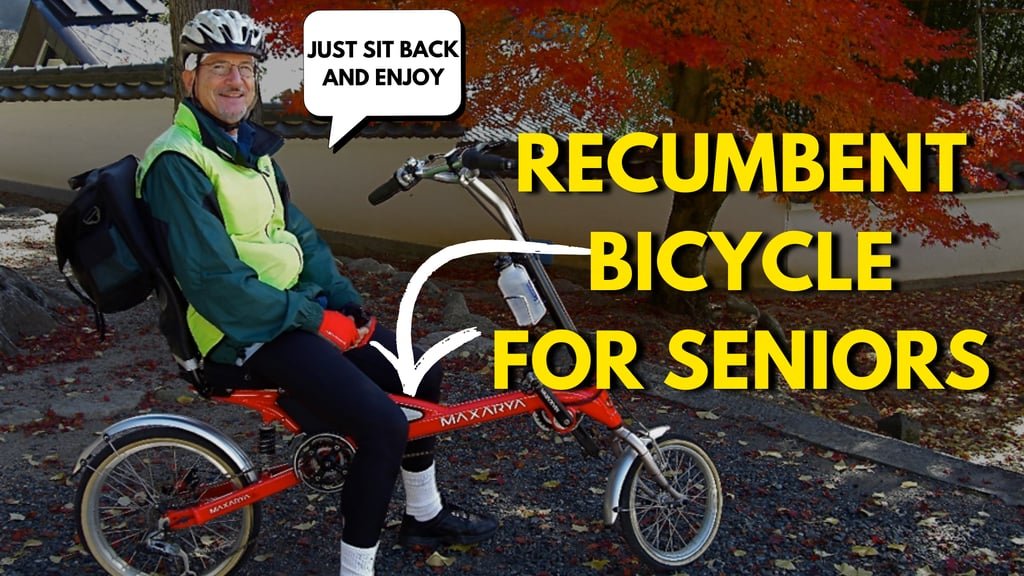
Are you ready to discover a new way to enjoy cycling that’s comfortable, fun, and perfect for your body? Riding a recumbent bike can change the way you think about biking—no more neck strain or sore backs.
Whether you’re new to cycling or looking for a fresh experience, this guide will show you exactly how to ride recumbent bikes with ease and confidence. Keep reading, and soon you’ll be cruising smoothly, feeling strong and in control every time you get on your bike.
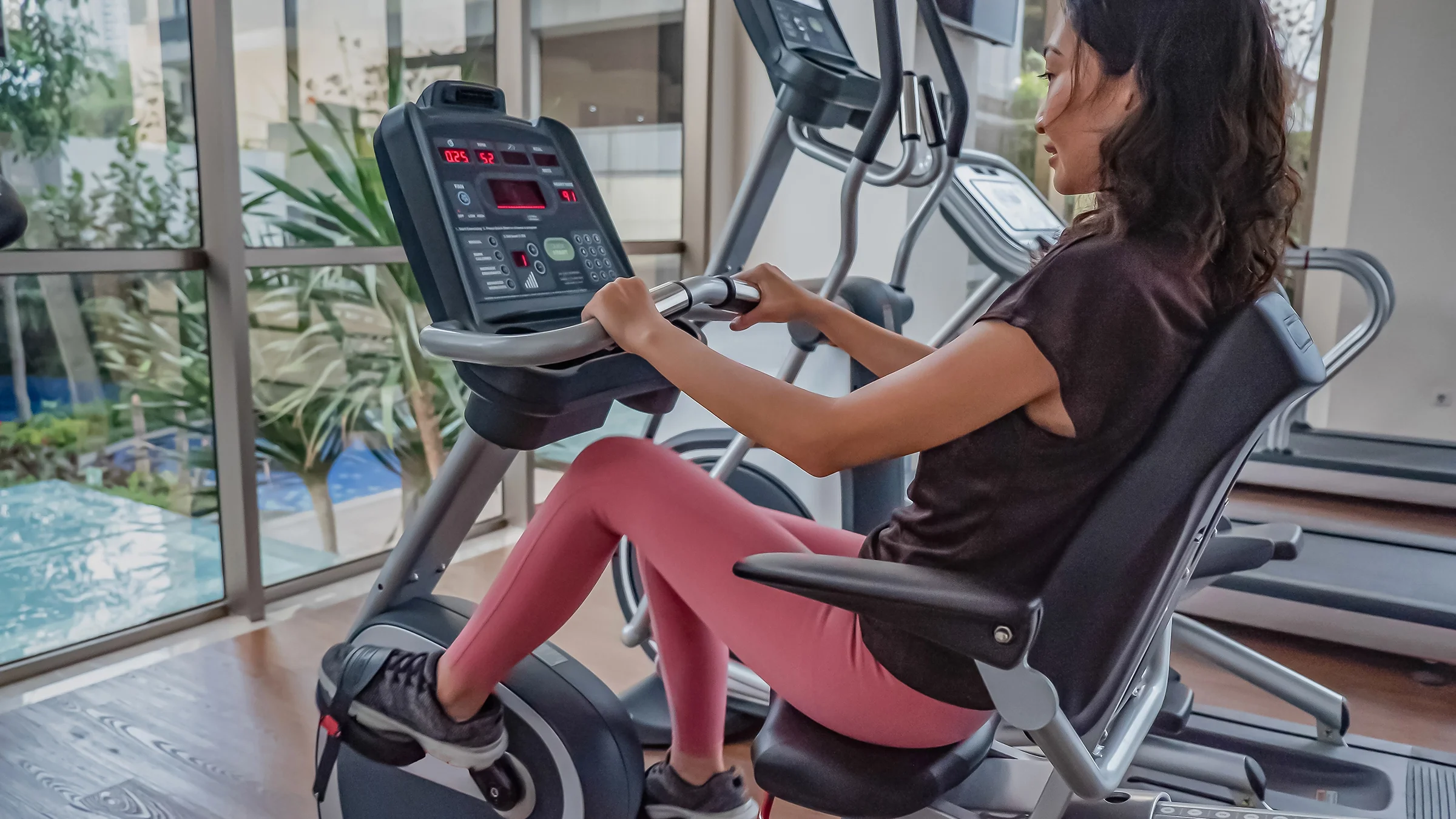
Credit: www.goodrx.com
Choosing The Right Recumbent Bike
Picking the right recumbent bike is important for a good riding experience. The bike should fit your body and riding style well.
This guide helps women choose the best recumbent bike by looking at frame types, sizes, and comfort features.
Frame Types And Sizes
Recumbent bikes come in different frame types and sizes. The frame affects how you sit and pedal. Choose a frame that suits your height and riding purpose.
- Long Wheelbase:Offers more stability and comfort on long rides.
- Short Wheelbase:Easier to steer and store, good for city rides.
- Compact Frame:Lightweight and portable, fits smaller riders better.
Adjusting For Female Anatomy
Women often need special adjustments for comfort and efficiency. Pay attention to the seat height, pedal reach, and handlebar position.
| Adjustment | Benefit |
| Lower Seat Height | Helps reach pedals easily and safely |
| Closer Pedal Reach | Prevents overextension of legs |
| Handlebar Position | Reduces strain on shoulders and wrists |
Seat Options For Comfort
The seat is key for comfort on a recumbent bike. Women should look for seats designed to fit the female body shape.
- Wide seats with good padding reduce pressure points
- Seats with adjustable backrests improve support
- Breathable material helps keep you cool
- Seats with cut-outs relieve pressure on sensitive areas
Setting Up Your Bike
Setting up a recumbent bike correctly is key for comfort and safety. Women should adjust their bike to fit their body shape.
Proper setup helps avoid pain and makes riding more enjoyable. Focus on seat, handlebars, and pedals.
Proper Seat Positioning
The seat position controls how comfortable you feel while riding. Adjust it to support your back and legs well.
Make sure your hips stay level and your knees bend slightly when pedaling. Avoid stretching or squeezing your legs.
- Slide the seat forward or backward to fit your leg length
- Adjust seat height so your feet reach pedals easily
- Use the seat backrest to support your lower back
- Check that your hips do not rock side to side
Handlebar Adjustments
Handlebars should be easy to reach without leaning forward too much. Find a position that feels natural and relaxed.
Proper handlebar height and angle help reduce strain on your shoulders and wrists. Adjust them to your comfort.
- Raise or lower handlebars to align with seat height
- Move handlebars closer or farther to avoid stretching
- Set the angle for a comfortable wrist position
- Test different positions before riding
Pedal And Crank Placement
Pedal and crank position affects how you push the pedals. Set them to match your leg size and strength.
Correct placement reduces knee stress and improves pedaling power. Adjust crank length and pedal position as needed.
- Choose crank length that fits your leg length
- Position pedals for easy foot placement
- Ensure pedals spin freely without wobble
- Wear proper shoes for better pedal grip
Basic Riding Techniques
Riding a recumbent bike offers a comfortable and fun experience. Learning basic riding skills helps you enjoy your ride safely and confidently.
This guide covers key techniques for women to ride recumbent bikes with ease and control.
Mounting And Dismounting Safely
Getting on and off a recumbent bike can feel different from a regular bike. Use slow and steady movements to keep your balance.
- Place the bike on a flat surface and hold the handlebars firmly.
- Stand beside the seat and swing your leg over gently.
- Lower yourself slowly onto the seat to avoid sudden shifts.
- To get off, stop the bike completely and keep your feet on the ground.
- Lean slightly forward and swing your leg back over carefully.
Starting And Stopping Smoothly
Starting and stopping without jerks keeps your ride safe and comfortable. Use your pedals and brakes with control.
- Place one foot on a pedal in the forward position.
- Push down on the pedal gently to begin moving.
- Keep your other foot ready to pedal smoothly.
- To stop, gently squeeze the brakes evenly on both sides.
- Slow down gradually before coming to a full stop.
Maintaining Balance And Control
Balance is key to riding well on a recumbent bike. Use your body and eyes to stay steady on the road.
| Tip | Description |
|---|---|
| Look Ahead | Focus your eyes forward to anticipate turns and obstacles. |
| Use Core Muscles | Engage your stomach and back muscles to keep your posture steady. |
| Adjust Speed | Slow down on curves and rough surfaces to stay balanced. |
| Steer Smoothly | Make gentle turns with the handlebars to avoid sudden shifts. |

Credit: www.youtube.com
Maximizing Comfort On Rides
Riding a recumbent bike can be very comfortable if you prepare well. Comfort helps you enjoy your ride longer and avoid pain.
This guide shares simple tips for women to stay comfortable on recumbent bike rides.
Clothing And Gear Choices
Wear clothes that fit well and allow easy movement. Tight or loose clothes can cause discomfort on long rides.
Choose breathable fabrics to keep cool and dry. Padded shorts reduce pressure on sensitive areas.
- Use moisture-wicking shirts and shorts
- Wear padded cycling shorts for cushion
- Avoid stiff or rough materials
- Wear gloves for better grip and comfort
- Pick shoes with good support and ventilation
Managing Pressure Points
Pressure points cause numbness or pain during rides. Adjust your seat and pedals to reduce pressure.
Shift your position often to keep blood flowing and avoid soreness.
- Adjust seat angle for even weight distribution
- Check seat height so legs move easily
- Use gel or foam seat covers
- Stand on pedals briefly during long rides
- Take breaks to stretch and relieve pressure
Using Accessories For Support
Accessories can improve comfort and support on recumbent bikes. They help reduce strain and improve posture.
Use items designed to support your back, neck, and hips during rides.
- Install lumbar support cushions
- Use padded gloves to protect hands
- Add a headrest for neck comfort
- Attach mirrors to watch traffic safely
- Carry water bottles within easy reach
Improving Performance And Endurance
Riding a recumbent bike is a great way for women to build strength and stamina. Using the right techniques can make your rides more efficient and enjoyable.
Improving your performance and endurance means riding smarter, not just harder. Small changes in how you pedal, breathe, and train can help you go farther.
Pedaling Efficiency Tips
Pedaling smoothly helps you use energy wisely. Push down and pull up evenly with your legs. Avoid jerky or uneven pedaling.
Keep your feet flat and centered on the pedals. This helps spread the effort across your muscles and reduces fatigue.
- Maintain a steady pedal stroke
- Use your whole leg, not just your feet
- Adjust seat height for comfort and power
- Keep your legs relaxed to avoid tension
Breathing And Posture
Good breathing brings more oxygen to your muscles. Take deep breaths in through your nose and out through your mouth. Find a rhythm that matches your pedaling.
Sit tall in your seat with your back straight. Avoid slouching to keep your lungs open and your core engaged. This helps you ride longer without discomfort.
- Breathe deeply and evenly
- Keep shoulders relaxed and down
- Engage your core muscles
- Maintain an upright posture
Incorporating Interval Training
Interval training boosts endurance by mixing hard effort with rest. Ride fast for a short time, then slow down to recover. Repeat several times during your session.
This training style helps your body get used to different speeds and effort levels. It can make long rides easier and improve your overall fitness.
- Warm up for 5 to 10 minutes
- Pedal hard for 30 seconds to 1 minute
- Recover by pedaling slowly for 1 to 2 minutes
- Repeat 5 to 8 times per workout
- Cool down with easy pedaling
Safety Tips For Recumbent Riders
Riding a recumbent bike is fun and comfortable. Safety should always come first. This guide helps women stay safe on the road or trail.
Follow these safety tips to protect yourself and enjoy your ride more. Focus on being seen, handling traffic, and preparing for emergencies.
Visibility And Signaling
Wear bright clothes to make yourself easy to see. Use lights and reflectors on your bike, especially at dawn or dusk.
Always signal before turning or stopping. Use clear hand signals so drivers and other riders understand your actions.
- Wear neon or light-colored clothing
- Attach front and rear lights to your bike
- Use reflectors on wheels and pedals
- Signal turns with your left arm extended
- Use hand signals to show stopping
Navigating Traffic And Trails
Follow traffic rules and ride predictably. Stay in bike lanes or on the right side of the road.
On trails, watch for other riders and pedestrians. Slow down in crowded areas and give clear warnings when passing.
- Obey all traffic signals and signs
- Keep a safe distance from cars and other bikes
- Use mirrors to check behind you
- Slow down when trail is busy
- Call out or ring a bell when passing
Emergency Preparedness
Carry a basic first-aid kit and a cell phone. Know how to fix common bike problems like flat tires.
Tell someone your route and estimated return time. This helps if you need help during your ride.
- Pack a small first-aid kit
- Bring a phone with emergency contacts
- Carry a tire patch kit and pump
- Learn simple bike repairs
- Share your plan with a friend or family
Maintenance For Longevity
Taking good care of your recumbent bike helps it last longer. Regular maintenance keeps it safe and smooth to ride.
Simple steps like cleaning and checking parts can prevent bigger problems. These tips help women enjoy their recumbent bikes for years.
Regular Cleaning And Inspection
Clean your bike often to remove dirt and dust. Dirt can cause parts to wear out faster.
Look over your bike for loose bolts, cracks, or worn parts. Fixing these early avoids accidents.
- Wipe frame and seat with a damp cloth
- Check brakes and cables for damage
- Tighten any loose screws or bolts
- Inspect the chain for rust or wear
Lubrication And Tire Care
Keep the chain and moving parts lubricated to reduce friction. This helps your bike run smoothly.
Check tire pressure before every ride. Properly inflated tires make pedaling easier and protect rims.
- Use bike-specific lubricant on the chain
- Avoid over-lubricating to prevent dirt buildup
- Inflate tires to the recommended pressure on the sidewall
- Look for cracks or worn tread on tires
Adjusting Components Over Time
Your bike parts may need adjustment as you ride more. This keeps comfort and control at their best.
Check seat height, handlebar position, and brake settings. Small changes can improve your riding experience.
- Raise or lower the seat for leg comfort
- Adjust handlebars to reduce arm strain
- Tighten or loosen brakes for safe stopping
- Replace worn grips or pedals as needed
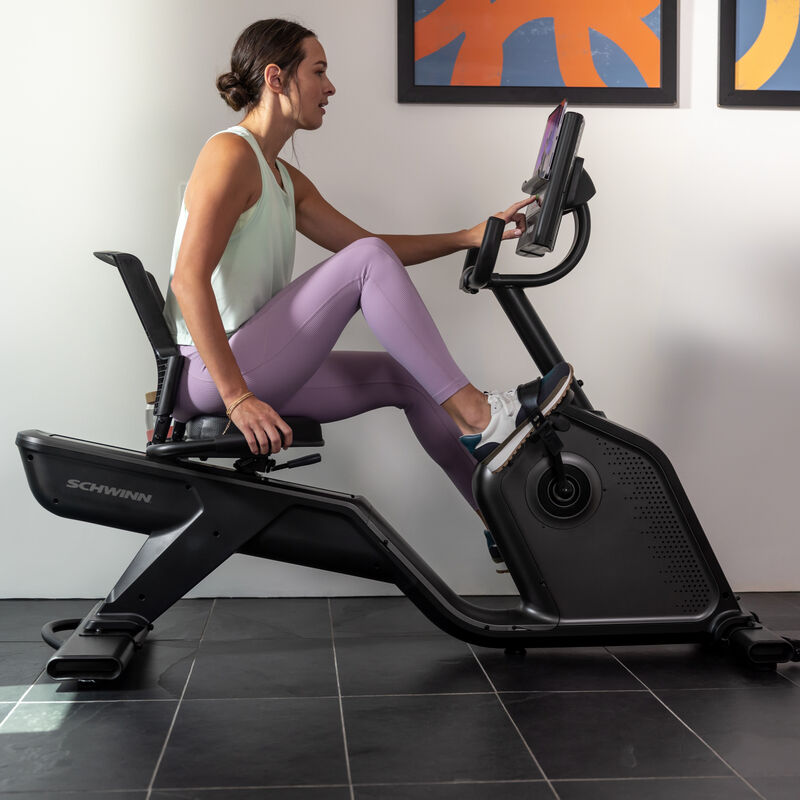
Credit: global.schwinnfitness.com
Frequently Asked Questions
What Are The Benefits Of Recumbent Bikes For Women?
Recumbent bikes offer comfort by reducing strain on joints. They improve cardiovascular health and support low-impact exercise. Women can enjoy better posture and reduced back pain while cycling. These bikes suit all fitness levels and enhance endurance safely.
How Do I Adjust A Recumbent Bike For My Size?
Adjust the seat to align your knees with pedals. Ensure your backrest supports your lower back comfortably. Adjust handlebars for easy reach without leaning forward. Proper adjustments prevent injury and improve riding efficiency and comfort.
What Safety Tips Should Women Follow On Recumbent Bikes?
Always wear a helmet and visible clothing for safety. Check brakes and tires before each ride. Use hand signals and obey traffic rules when cycling outdoors. Stay hydrated and avoid overexertion to prevent fatigue and injury.
Can Recumbent Bikes Help With Weight Loss For Women?
Yes, recumbent bikes burn calories effectively with low joint impact. Regular cycling boosts metabolism and aids fat loss. Combining cycling with a healthy diet enhances weight loss results. It’s a sustainable, enjoyable way to stay fit.
Conclusion
Riding recumbent bikes offers women a comfortable way to exercise. These bikes support your back and reduce strain. Enjoy a smooth ride and explore new paths. Choose a bike that fits your body size. Practice regularly to improve your skills.
Remember to wear safety gear for protection. Invite friends for a fun biking experience. Riding together can motivate and inspire. So, gear up and embrace the joy of riding. Feel the breeze and enjoy the journey. It’s a great way to stay active and healthy.
Happy biking!



