
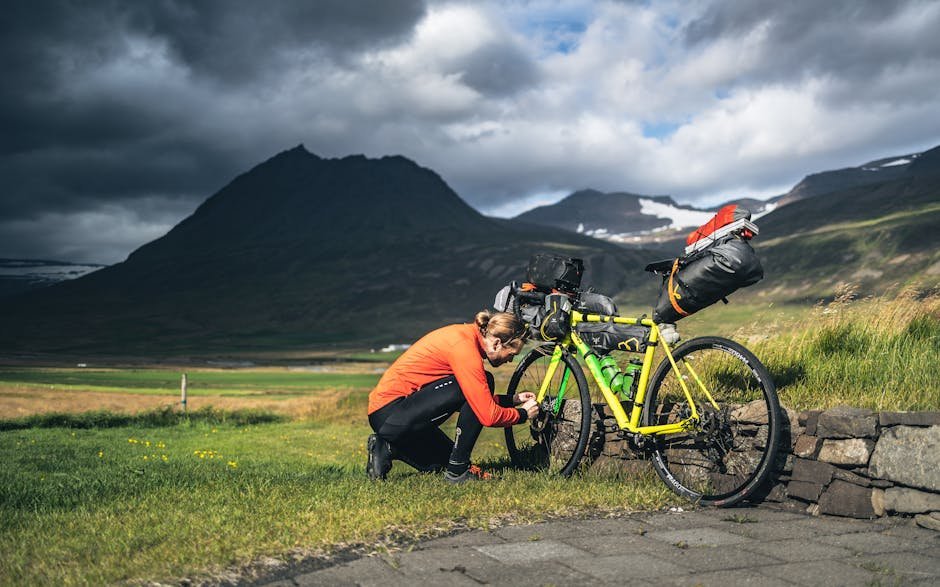
Getting ready for a long-distance bikepacking trip can feel overwhelming. You want your bike to be strong, reliable, and comfortable for the miles ahead.
But where do you start? How do you make sure your bike won’t let you down when you’re far from home? In this guide, you’ll discover simple, effective steps to prepare your bike so it’s ready to handle the challenges of your adventure.
Keep reading, and you’ll learn how to set up your bike for success—making your ride smoother, safer, and more enjoyable from start to finish.
Choosing The Right Bike
Choosing the right bike is the first step for a long-distance bikepacking trip. The bike should be strong, comfortable, and fit your riding style.
You want a bike that can carry gear and handle different types of roads and trails.
Types Of Bikes For Bikepacking
Different bikes work well for bikepacking. Each type has benefits and limits for distance and terrain.
Choose a bike type that fits your route and comfort needs.
- Touring Bikes:Built for heavy loads and smooth roads. They have strong frames and many mounting points.
- Gravel Bikes:Good for mixed roads and light trails. They offer speed and comfort on rough surfaces.
- Mountain Bikes:Best for rough trails and dirt paths. They have wide tires and strong suspension.
- Hybrid Bikes:Blend road and mountain bike features. Good for light off-road and city riding.
Frame Materials And Durability
The frame material affects the bike’s weight and strength. It also changes how the bike feels on long rides.
Choose a frame that can handle your gear and the road conditions.
- Steel:Strong and easy to repair. It absorbs bumps well but is heavier.
- Aluminum:Lightweight and stiff. It is less comfortable on rough roads.
- Carbon Fiber:Very light and smooth ride. It is fragile and expensive.
- Titanium:Light, strong, and lasts a long time. It costs more than other materials.
Tire Selection And Pressure
Tires affect how your bike rides and handles different surfaces. Picking the right tires helps you stay safe and comfortable.
Use tire pressure that fits your weight and the road to avoid flats and improve grip.
- Wide Tires:Good for rough roads and trails. They offer better grip and comfort.
- Narrow Tires:Best for smooth roads. They roll faster but offer less cushioning.
- Tire Pressure:Lower pressure helps on rough terrain. Higher pressure is better for smooth roads.
- Consider Tubeless Tires:They reduce flats and improve ride quality.

Credit: www.reddit.com
Essential Bike Maintenance
Preparing your bike for long-distance bikepacking takes careful maintenance. A well-maintained bike rides smoother and lasts longer. Small checks can prevent big problems on the road.
Focus on brakes, gears, the chain, wheels, and spokes. These parts keep you safe and moving efficiently. Take time to inspect and tune them before your trip.
Checking Brakes And Gears
Brakes and gears must work perfectly for safety and control. Check brake pads for wear and replace if thin. Test the brake levers to ensure they stop the bike quickly.
- Shift through all gears to check smoothness
- Adjust derailleur if shifting feels rough or skips
- Tighten brake cables if levers feel loose
- Clean dirt off brake pads and rims
Lubricating The Chain
A clean and lubricated chain helps your bike run quietly and smoothly. Dirt and rust cause the chain to wear faster and can lead to chain breaks.
- Clean the chain with a degreaser and a brush.
- Dry the chain completely before applying lubricant.
- Use bike-specific chain oil, applying a drop to each link.
- Wipe off excess oil to avoid attracting dirt.
Inspecting Wheels And Spokes
Strong wheels and tight spokes keep your bike stable and safe. Check wheels for dents or bends. Spin the wheels and watch for wobbles or rubs against brakes.
| Inspection Point | What to Check | Action if Problem Found |
| Wheel Rim | Look for dents or cracks | Replace or repair rim |
| Spokes | Check for loose or broken spokes | Tighten or replace spokes |
| Wheel True | Spin wheel and check for wobbling | True wheel using spoke wrench |
Packing Smart And Light
Preparing your bike for long-distance bikepacking means packing smart and light. Carrying less weight helps you ride farther and enjoy the trip more.
Focus on what you need and use space wisely. This way, your bike stays balanced and easy to handle.
Selecting Bikepacking Bags
Choose bags that fit your bike frame well and hold your gear securely. Look for lightweight and durable materials to keep your load manageable.
Use different bag types to organize gear and make packing easier. Avoid bulky bags that affect your bike’s balance.
- Frame bags fit inside the main triangle
- Handlebar bags hold bulky but light gear
- Saddle bags store clothes and sleeping gear
- Top tube bags keep small items handy
Distributing Weight Evenly
Keep heavy items close to the bike’s center to improve stability. Spread weight evenly between front and back to avoid tipping.
Place light items on top and heavy ones low. Check your bike’s balance before each ride to stay safe on rough roads.
- Put heavy gear in frame bags
- Load sleeping bags in saddle bags
- Keep food and tools accessible but balanced
- Adjust bags to keep the bike steady
Essentials To Carry
Bring only what you need for safety and comfort. Carry tools, spare parts, and basic first aid to handle emergencies.
Pack lightweight clothing and food that lasts. Avoid overpacking to keep your load light and your ride fun.
- Multi-tool and spare tubes
- Compact first aid kit
- Lightweight tent or shelter
- Water and easy-to-carry snacks
- Weather-appropriate clothing

Credit: bikepacking.com
Upgrading Components For Comfort
Long-distance bikepacking can be tough on your body. Upgrading bike parts helps you ride longer with less pain.
Focus on comfort by changing saddles, handlebars, pedals, and adding suspension. These upgrades make your trip easier.
Saddle And Handlebar Choices
A good saddle reduces pressure and prevents soreness. Look for padded, ergonomic designs that fit your shape.
Handlebars affect your riding posture. Wider bars offer more control, and drop bars give multiple hand positions.
- Choose saddles with gel or memory foam padding
- Try saddles with cutouts to reduce pressure
- Pick handlebars that let you change grip easily
- Consider padded bar tape for extra comfort
Pedals And Footwear
Pedals and shoes affect how efficiently you pedal and how your feet feel. Choose pedals that match your riding style.
Clipless pedals improve power transfer, but flat pedals give more foot freedom. Wear shoes with good support and grip.
- Use clipless pedals for better pedaling efficiency
- Flat pedals are easier for walking and resting
- Pick bike shoes with stiff soles for support
- Choose breathable footwear to keep feet dry
Adding Suspension Or Shock Absorbers
Suspension softens bumps on rough roads. It helps reduce arm and back fatigue during long rides.
Consider front suspension forks or seatpost shocks. These parts absorb shocks and make riding smoother.
- Front suspension forks improve control on rough trails
- Suspension seatposts reduce vibrations to your spine
- Adjust suspension settings for comfort and efficiency
- Check your bike weight before adding suspension parts
Tools And Spares To Carry
Carrying the right tools and spares is key for long-distance bikepacking. They help fix common problems quickly. This keeps your trip smooth and safe.
Prepare a kit that fits your bike and riding style. Choose lightweight, durable items that cover basic repairs and emergencies.
Basic Repair Kit
Your basic repair kit should include items that fix common bike issues. These tools help you handle breakdowns on the trail.
- Tire levers for removing tires
- Spare chain links or a chain tool
- Small wrench or adjustable spanner
- Extra brake pads
- Zip ties and duct tape for temporary fixes
Spare Tubes And Patch Kits
Flat tires are common during bikepacking. Carry spare tubes and a patch kit to fix punctures fast. This helps you stay on track.
| Item | Purpose | Tip |
| Spare Tubes | Replace punctured tubes | Match tube size to your tires |
| Patch Kit | Repair small punctures on tubes | Practice patching before your trip |
| Sandpaper | Prepare tube surface for patches | Include in your patch kit |
| Glue or self-adhesive patches | Seal punctures | Check expiry date of glue |
Multi-tools And Pumps
A multi-tool combines many small tools in one. It saves space and weight. A pump helps keep tires at the right pressure.
- Multi-tool with Allen keys, screwdrivers, and chain tool
- Compact hand pump or mini pump
- CO2 inflator for quick tire inflation (optional)
- Pressure gauge to check tire pressure
Test Rides And Adjustments
Preparing your bike for long-distance bikepacking needs careful testing. Test rides help find problems early.
Adjustments during these rides improve comfort and performance. This saves trouble on the actual trip.
Short Practice Trips
Take short trips with your packed bike to simulate your journey. This reveals issues with balance and control.
Try different types of roads and terrain. Note how the bike handles and feels during these rides.
- Start with easy, flat routes
- Gradually add hills or rough paths
- Test riding with full gear loaded
- Observe any discomfort or bike wobble
Fine-tuning Bike Fit
A good bike fit reduces pain and improves control. Adjust seat height and handlebar position carefully.
Test different setups on short rides. Make small changes and notice how your body feels.
- Check if your knees are aligned while pedaling
- Adjust saddle tilt to avoid pressure points
- Set handlebar height for comfort and control
- Make sure you can reach brakes and gears easily
Adjusting Load And Gear Setup
Balance your bike’s load to keep it stable. Place heavier items low and centered near the bike frame.
Test gear shifting with the full load. Check if your bike shifts smoothly on different slopes.
- Pack essential items first for easy access
- Distribute weight evenly on both sides
- Practice shifting gears with the packed bike
- Adjust straps and racks to secure gear tightly

Credit: bikepacking.com
Frequently Asked Questions
How Do I Check My Bike’s Condition Before Bikepacking?
Inspect tires, brakes, gears, and chain for wear and damage. Ensure all parts are clean and well-lubricated. Tighten bolts and test brakes for responsiveness. A well-maintained bike reduces breakdown risks during long rides.
What Essential Gear Should I Carry On A Bikepacking Trip?
Carry a repair kit, spare tubes, pump, multi-tool, first-aid kit, and hydration supplies. Pack lightweight camping gear and weather-appropriate clothing. Prioritize compact, durable items to save space and weight.
How Can I Pack My Bike Efficiently For Long-distance Rides?
Distribute weight evenly using frame bags, handlebar rolls, and saddle packs. Keep heavy items low and centered for balance. Avoid overpacking to maintain maneuverability and comfort during long rides.
What Tire Pressure Is Best For Long-distance Bikepacking?
Use moderate tire pressure to balance comfort and puncture resistance. Lower pressure improves grip on rough terrain but increases flats risk. Adjust pressure based on load, terrain, and tire type for optimal performance.
Conclusion
Preparing your bike is crucial for a smooth bikepacking adventure. Check your tires and brakes for safety. Pack essentials like tools and spare parts. Ensure your bike fits you well for comfort. Remember, a well-prepped bike enhances your journey. Enjoy the ride and explore new places.
Happy bikepacking!



