
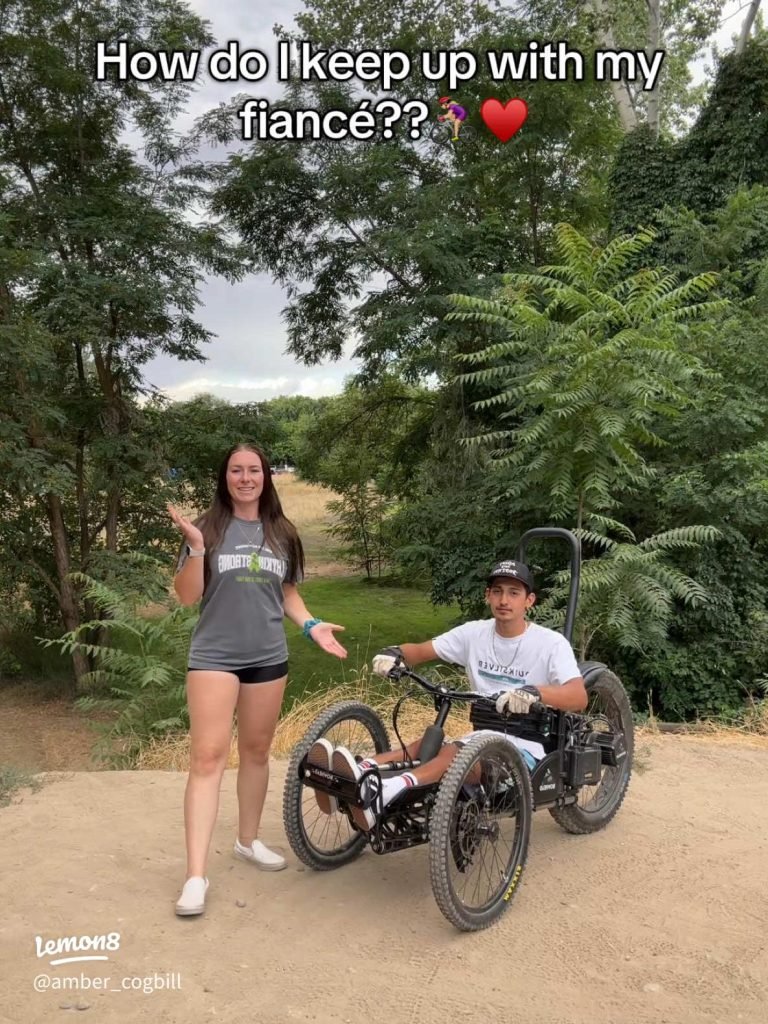
Imagine the thrill of riding your adaptive bike, the wind brushing against your skin, and the world unfolding before you. Your adaptive bike isn’t just a vehicle; it’s your gateway to adventure, freedom, and empowerment.
But to keep enjoying these moments, you need to know how to maintain it properly. Just like any cherished possession, your bike requires a little love and attention to stay in top shape. Are you ready to learn the secrets to extending the life of your adaptive bike and ensuring it performs at its best every time you hit the road?
Dive into this guide, and discover the simple yet effective tips that will keep your wheels spinning smoothly and your adventures limitless.
Credit: www.mhw-bike.com
Choosing The Right Adaptive Bike
Picking the right adaptive bike is important for a good riding experience. It helps with comfort and safety.
Think about your needs and abilities before choosing. This will make riding easier and more fun.
Types Of Adaptive Bikes
Adaptive bikes come in many styles. Each type suits different needs and abilities.
Here are common types of adaptive bikes to consider.
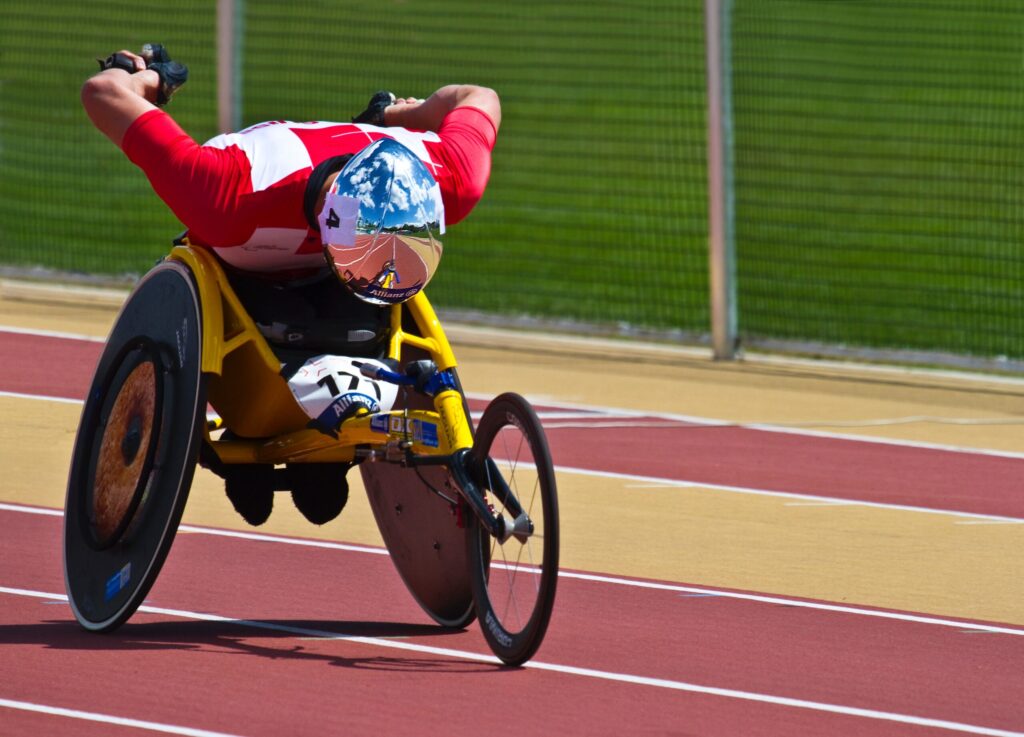
- Handcycles:Bikes powered by hand pedals. Good for people with leg disabilities.
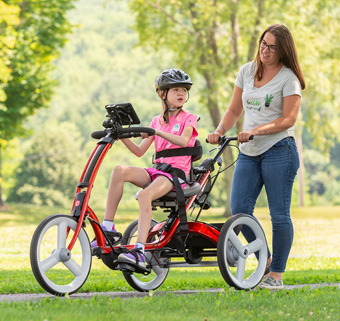
- Tricycles:Three wheels for extra balance. Ideal for those needing more stability.
- Tandem Bikes:Two seats for riding with a partner. Helpful if assistance is needed.
- Recumbent Bikes:Reclined seating for comfort and support. Suitable for people with back issues.
- Wheelchair Bikes:Attachments that let wheelchairs connect to a bike frame.
Key Features To Consider
Look for features that fit your body and riding style. Comfort and control are very important.
Here are key features to keep in mind.
- Adjustable Seating:Seats that move or change angle help fit your body size.
- Braking System:Easy-to-use brakes give you control and safety.
- Pedal Type:Hand or foot pedals should match your strength and movement ability.
- Frame Size and Weight:A lighter frame is easier to handle. Size should match your height.
- Stability Features:Extra wheels or wide bases help prevent tipping.
- Support Accessories:Straps, cushions, or backrests add comfort and help keep you in place.
Credit: www.rifton.com
Regular Cleaning And Inspection
Keeping an adaptive bike clean and checked helps it last longer. Dirt and damage can cause problems if not handled early.
Regular cleaning and inspection keep the bike safe and working well. It also helps spot small issues before they grow.
Cleaning Techniques
Use a soft cloth or brush to clean the bike. Avoid harsh chemicals that can harm the bike’s parts.
Clean the frame, wheels, and seat regularly. Remove mud, dust, and sweat after each use.
- Use mild soap and water for cleaning
- Wipe dry to stop rust from forming
- Clean moving parts carefully to keep them smooth
- Check for stuck dirt in brakes and gears
Spotting Wear And Tear
Look closely at the bike’s parts for cracks or bends. Check tires, brakes, and chains for damage or wear.
Listen for strange sounds when riding. These can show loose or broken parts. Fix issues quickly to stay safe.
- Check tire pressure and look for cracks
- Inspect brake pads for thinning
- Look at the chain for rust or stiff links
- Examine the frame for dents or bends
Lubrication And Moving Parts
Keeping an adaptive bike in good shape needs regular care. Lubrication is key to making parts move smoothly.
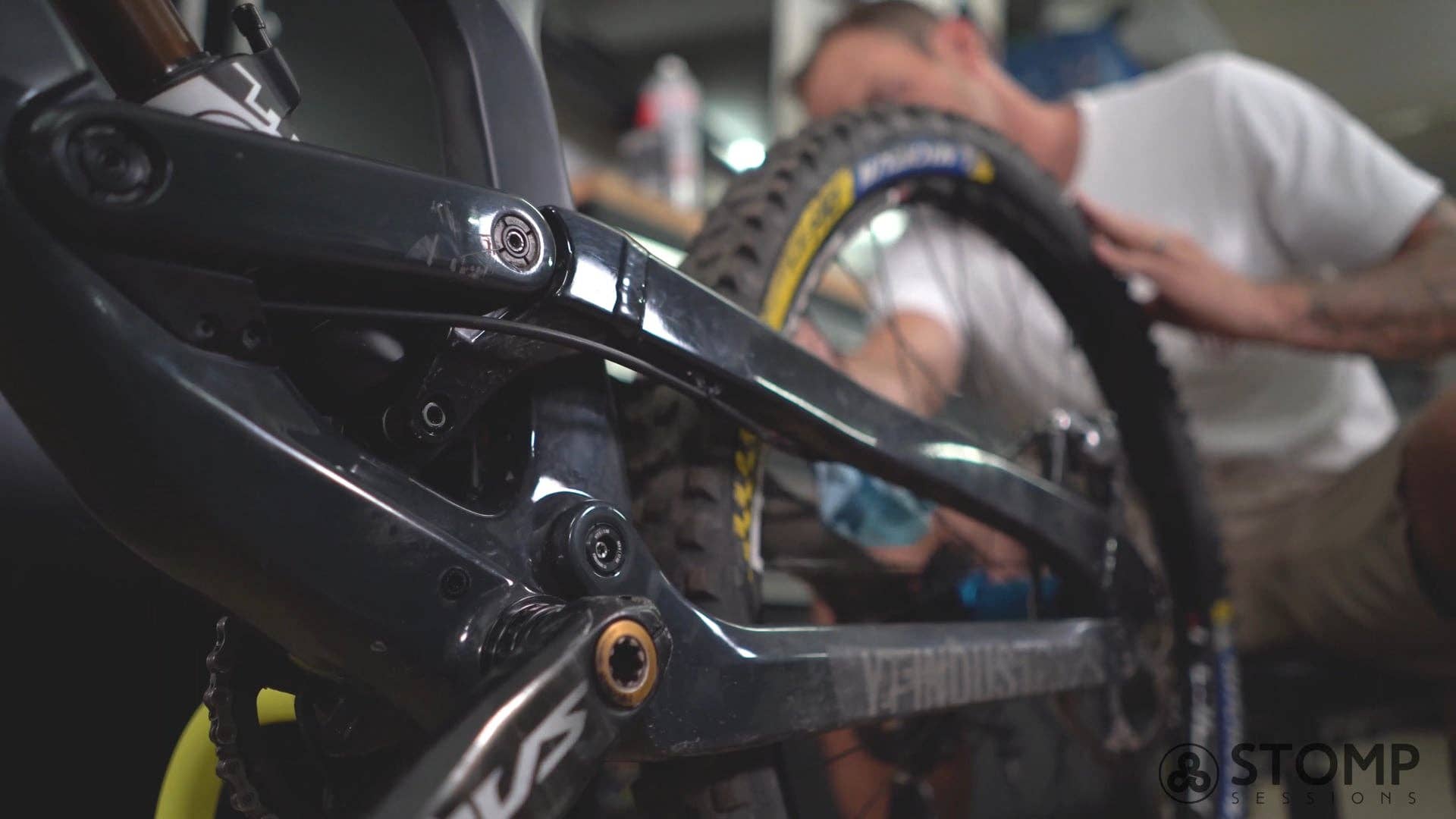
Moving parts like chains, gears, bearings, and joints need oil or grease to avoid wear and tear.
Lubricating Chains And Gears
Chains and gears face dirt and water that cause rust and friction. Lubricating them helps parts last longer.
Use a bike-specific lubricant. Apply it to the chain while turning pedals backward. Wipe off extra oil to stop dirt buildup.
- Clean the chain before applying lubricant
- Lubricate every few rides or after rain
- Check gears for smooth shifting
- Use dry lube for dusty places, wet lube for wet areas
Maintaining Bearings And Joints
Bearings and joints allow wheels and pedals to turn easily. They need grease to prevent squeaks and damage.
Check these parts often for dirt or rust. Clean and apply grease with a brush or cloth to keep them smooth.
- Inspect bearings for play or rough feeling
- Clean joints before greasing
- Use waterproof grease to protect parts
- Replace bearings if damaged or worn out
Credit: www.bikemag.com
Tire Care And Pressure
Taking care of your adaptive bike’s tires helps you ride safely and smoothly. Proper tire pressure keeps the bike stable and makes pedaling easier.
Regular tire checks and timely replacements keep your bike ready for every ride. This guide covers how to check tire pressure and replace worn tires.
Checking Tire Pressure
Check tire pressure before each ride to avoid flats and damage. Use a pressure gauge to get an accurate reading.
Find the recommended pressure printed on the tire sidewall. Keep the pressure within this range for the best ride.
- Remove the valve cap from the tire
- Press the pressure gauge onto the valve
- Read the pressure and compare it to the recommended range
- Add air with a pump if the pressure is low
- Release some air if the pressure is too high
- Replace the valve cap securely
Replacing Worn Tires
Worn tires lose grip and can cause accidents. Replace tires if the tread is flat or cracks appear on the surface.
Use the right tire size and type for your adaptive bike. Check the tire label or your bike manual for correct specifications.
- Remove the wheel from the bike
- Use tire levers to pull the tire off the rim
- Inspect the rim and clean it
- Place the new tire on the rim carefully
- Inflate the tire to the correct pressure
- Reattach the wheel securely to the bike
Brake System Maintenance
Keeping the brake system in good shape is very important for safety. Regular checks help the adaptive bike stop smoothly and safely.
Brake maintenance includes checking the brake pads and adjusting the brake cables. These tasks help your brakes work well every time.
Inspecting Brake Pads
Look at the brake pads to see if they are worn out or damaged. Worn pads can reduce braking power and may cause accidents.
Replace the brake pads if they look thin or cracked. Regular inspection keeps your bike safe and reliable.
- Check for cracks or uneven wear
- Measure the pad thickness
- Replace pads if less than 3mm thick
- Clean pads from dirt and debris
Adjusting Brake Cables
Brake cables can stretch or loosen over time. Adjusting cables keeps brakes responsive and easy to use.
Tighten or loosen the cables to get the right brake lever feel. Proper adjustment helps you stop the bike safely.
- Check cable tension by squeezing brake lever
- Use barrel adjuster to fine-tune tension
- Tighten cable at brake arm if needed
- Lubricate cable to prevent rust and wear
Adjusting Seating And Controls
Keeping an adaptive bike comfortable and safe needs regular adjustments. Seating and controls must fit the rider’s needs well.
Proper settings help improve balance and control. This guide covers seat positioning and handlebar controls.
Seat Positioning
The seat should support the rider’s weight evenly. Adjust the height so feet touch the ground or pedals comfortably.
Check the seat angle and distance from pedals. These affect comfort and ease of pedaling.
- Set seat height so knees bend slightly when pedaling
- Adjust seat forward or backward for good leg reach
- Keep the seat level or slightly tilted for comfort
- Use padding or cushions if extra support is needed
Handlebar And Control Settings
Handlebars should be easy to reach without stretching. Adjust their height and angle to suit the rider’s posture.
Controls like brakes and gears must be within easy reach. This helps the rider stay safe and in control.
- Raise or lower handlebars to match rider’s comfort
- Rotate handlebars to find a natural hand position
- Position brake levers so fingers reach them easily
- Adjust gear shifters for smooth operation
Storage Tips For Longevity
Proper storage helps keep your adaptive bike in good shape. It prevents damage and extends its life. Storing the bike correctly avoids rust, wear, and other problems.
This guide shares smart ways to store your adaptive bike. Follow these tips to protect your investment and enjoy safe rides for years.
Protecting From Weather
Weather can harm your adaptive bike if left outside. Rain causes rust, sun fades paint, and cold can damage tires. Covering the bike is very important.
- Use a waterproof bike cover to block rain and snow.
- Store the bike in a shaded area to avoid sun damage.
- Keep the tires inflated to prevent cracking in cold weather.
- Wipe off moisture after rain to stop rust from forming.
- Apply lubricant to metal parts to keep them moving smoothly.
Safe Indoor Storage
Indoor storage protects your adaptive bike from harsh weather and theft. Choose a dry, clean, and cool place. Avoid damp basements or garages with high humidity.
| Storage Location | Benefits | Precautions |
| Garage | Easy access | Use dehumidifier, cover bike |
| Basement | Out of sight | Watch for moisture, use rack |
| Indoor closet | Protected from weather | Ensure enough space, avoid clutter |
Professional Servicing And Repairs
Adaptive bikes need regular care to work well. Some repairs need expert hands. Professionals have the right tools and skills.
Knowing when to get help keeps your bike safe and comfortable. This guide shows when and where to seek expert service.
When To Seek Professional Help
If your adaptive bike shows signs of trouble, a pro should check it. Some problems can be hard to fix alone.
- Strange noises from gears or brakes
- Loose or bent parts
- Problems with electronic components
- Unusual tire wear
- Difficulty steering or balancing
Trying to fix complex issues yourself may cause more damage. Professionals ensure safe and proper repairs.
Finding Specialized Mechanics
Look for mechanics who know adaptive bikes well. They understand unique parts and needs of these bikes.
| Place to Search | What to Ask | Why It Matters |
| Local bike shops | Experience with adaptive bikes? | Special skills ensure proper care. |
| Online forums | Recommended mechanics nearby? | Community advice helps find experts. |
| Rehabilitation centers | Any trusted bike repair contacts? | They often work with adaptive equipment. |
| Manufacturer referrals | Authorized service providers? | Certified technicians know the bike well. |
Frequently Asked Questions
How Often Should I Clean My Adaptive Bike?
Clean your adaptive bike after every ride or at least once a week. Use mild soap and water. Avoid harsh chemicals to protect parts. Dry thoroughly to prevent rust and corrosion. Regular cleaning ensures smooth operation and extends the bike’s lifespan.
What Are Key Maintenance Checks For Adaptive Bikes?
Check tire pressure, brakes, and chain regularly. Inspect the frame for cracks or damage. Lubricate moving parts monthly. Ensure seat and handlebars are secure. Regular checks prevent breakdowns and improve safety during rides.
How Do I Store My Adaptive Bike Properly?
Store your adaptive bike indoors in a dry, cool place. Avoid exposure to rain and direct sunlight. Use a bike cover for extra protection. Proper storage prevents rust and component wear, extending the bike’s life.
When Should I Replace Adaptive Bike Tires?
Replace tires if you notice cracks, bald spots, or frequent flats. Check tread depth regularly for wear. Worn tires reduce grip and safety. Typically, replace every 1-2 years depending on usage and terrain.
Conclusion
Maintaining your adaptive bike keeps it safe and ready to ride. Check tires and brakes often for smooth performance. Clean the bike regularly to avoid dirt build-up. Tighten loose parts before every ride. Store the bike in a dry place to prevent rust.
Small care steps add up to long bike life. Enjoy every ride with confidence and comfort. Keep these tips in mind to help your bike serve you well. Simple actions make a big difference.



