
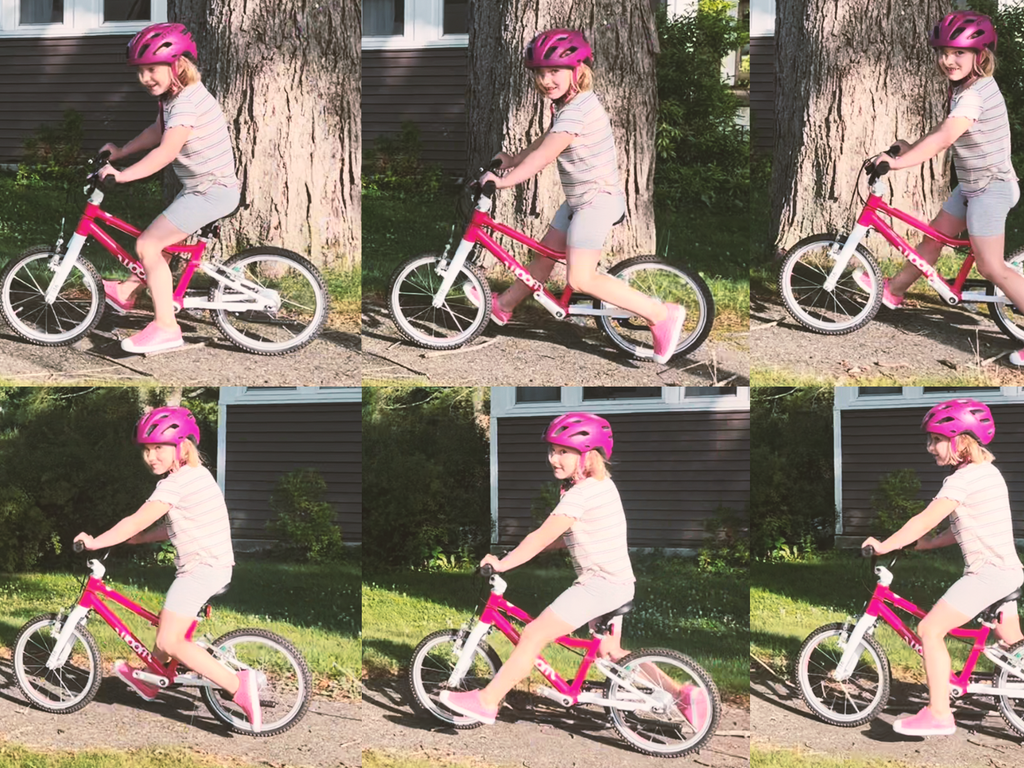
Teaching your toddler to balance on a bike can feel like a big challenge. You want your little one to ride confidently and safely, but where do you start?
The good news is, with the right approach, you can help your child master balance step by step. You’ll discover simple, practical tips that make learning fun and effective. By the end, you’ll feel ready to guide your toddler toward their first smooth ride—and enjoy every moment of it together.
Keep reading to unlock the secrets to teaching balance on a bike the easy way!

Credit: www.micro-scooters.co.uk
Choosing The Right Bike
Teaching toddlers to balance on a bike starts with picking the right bike. The bike should fit your child well to make learning safe and fun. A good fit helps your toddler feel confident while riding.
Many types of bikes are available, and safety gear is important. This guide covers size, bike types, and essential safety gear to help your toddler learn balance.
Size Matters
Choosing the correct bike size is key. A bike that is too big or too small can cause falls and frustration. Your toddler should be able to sit on the seat with both feet flat on the ground.
- Measure your toddler’s height and inseam length.
- Look for bikes with wheel sizes between 12 and 16 inches for toddlers.
- Adjust the seat height so your child can reach the ground easily.
- Test the bike by letting your toddler sit and walk it to check comfort.
Types Of Toddler Bikes
There are several types of bikes for toddlers. Each type helps build balance in different ways. Choose one that suits your toddler’s skill and comfort level.
| Bike Type | Description |
| Balance Bikes | No pedals, helps toddlers learn to balance by pushing with feet. |
| Training Wheel Bikes | Pedals with extra wheels for stability while learning to pedal. |
| Tricycles | Three wheels, helps with steering but less focus on balance. |
Safety Gear Essentials
Safety gear protects your toddler and builds confidence. Always use the right gear to prevent injuries while learning to balance.
- Helmet: Choose a well-fitting, certified toddler helmet.
- Knee and Elbow Pads: Protect joints during falls.
- Gloves: Provide grip and protect hands from scrapes.
- Closed-toe Shoes: Keep feet safe and secure on pedals or ground.
Preparing Your Toddler
Teaching your toddler to balance on a bike takes patience and care. Proper preparation helps your child feel safe and excited to learn.
Before starting, focus on building trust and making the experience fun. This foundation makes learning easier and more enjoyable.
Building Confidence
Confidence is key for toddlers learning to balance. Encourage your child with praise and gentle support. Let them explore at their own pace without pressure.
- Show excitement when your toddler tries
- Stay close to offer help if needed
- Use positive words to boost their mood
- Allow breaks if your toddler feels tired
Familiarizing With The Bike
Help your toddler get comfortable with the bike before riding. Let them touch and sit on it without moving. This builds trust in the new object.
| Activity | Purpose |
| Touch the bike parts | Get used to the shape and feel |
| Sit on the seat | Learn balance while staying still |
| Walk with the bike | Practice holding and steering |
| Look at pedals and handlebars | Understand how the bike works |
Setting Realistic Goals
Set small and clear goals to help your toddler succeed. Keep goals simple and focused on one skill at a time to avoid frustration.
- Hold the bike steady while sitting
- Push off with feet and glide a short distance
- Try balancing without feet on the ground
- Steer gently while moving slowly
- Ride with minimal help from an adult
Starting With Balance Bikes
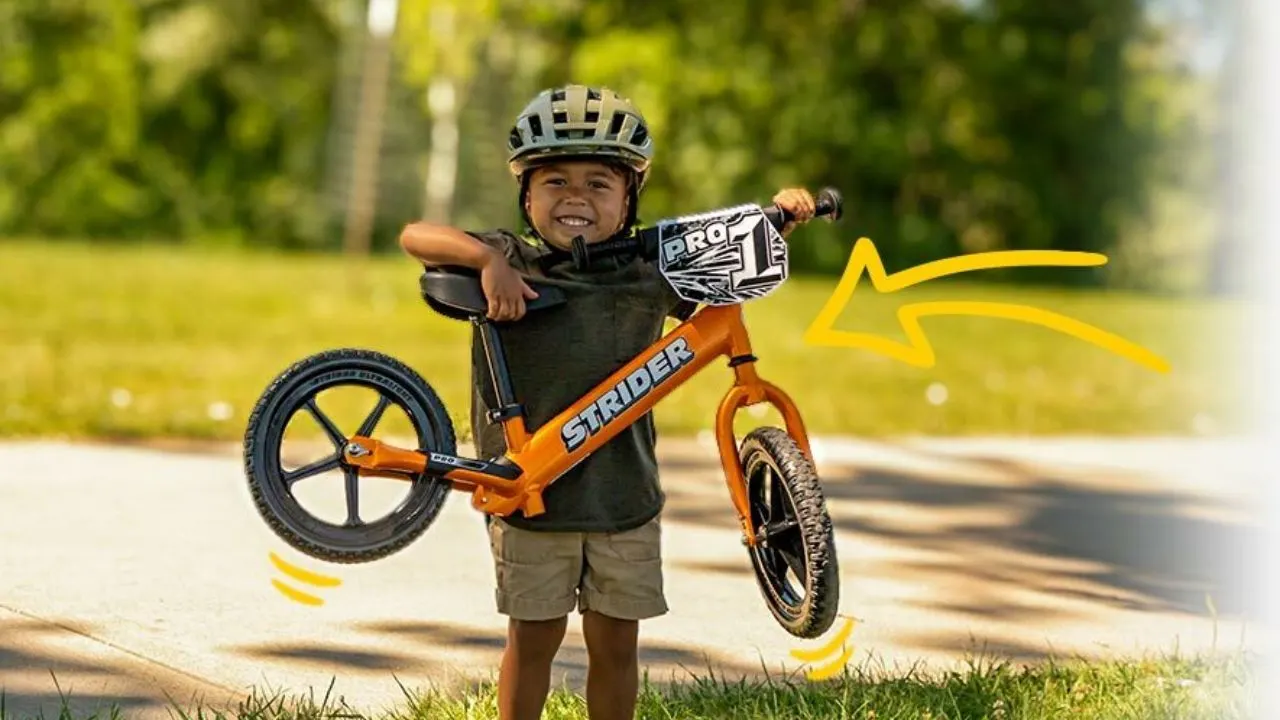
Teaching toddlers to ride a bike starts best with a balance bike. These bikes have no pedals and help kids learn balance first.
Using a balance bike builds confidence and coordination before moving to a pedal bike. It is a safe and fun way to begin.
Why Balance Bikes Work
Balance bikes teach toddlers to use their body to stay upright. They learn to balance by pushing with their feet and gliding.
- Lightweight design helps easy handling
- No pedals to distract from balancing
- Encourages natural steering and stopping
- Builds leg strength and coordination
Techniques For Riding
Start by letting your toddler sit and walk with the bike. They can push off the ground and glide to practice balance.
- Adjust seat height so feet touch the ground
- Encourage short glides while running beside them
- Practice sitting still and balancing without feet down
- Slowly increase glide distance as balance improves
Practicing Steering And Stopping
Steering and stopping are key skills to practice on a balance bike. Help your toddler learn to control the bike safely.
| Skill | How to Practice |
| Steering | Guide handlebars gently, encourage turning around cones |
| Stopping | Teach foot braking by placing feet flat on the ground |
| Turning | Practice wide and tight turns on smooth surfaces |
Transitioning To Pedal Bikes
Teaching toddlers to balance on a bike is a key skill. Moving from balance bikes to pedal bikes is the next step. This change helps build confidence and strengthens their coordination.
This guide covers when to switch, how to remove training wheels, and ways to encourage independent riding. Each stage supports your child’s growth in biking.
When To Make The Switch
Look for signs your toddler is ready for a pedal bike. These signs include steady balance and interest in pedaling. Most children switch around ages 3 to 5.
- Your child can glide smoothly on a balance bike.
- They show curiosity about pedals.
- They can sit comfortably and reach the pedals.
- Your child has enough leg strength to pedal.
- They ask to try a pedal bike.
Removing Training Wheels
Take off training wheels when your child is ready to balance alone. Start on flat, open spaces. Stay close for support at first.
| Tip | Reason |
| Remove one wheel at a time | Helps child adjust gradually |
| Use a helmet | Ensures safety during practice |
| Encourage small rides | Builds confidence slowly |
| Practice braking | Teaches control and stopping |
| Offer praise | Motivates and supports learning |
Encouraging Independent Riding
Support your toddler as they start riding solo. Let them explore at their own pace. Celebrate their progress to keep them motivated.
- Let your child choose when to ride.
- Provide gentle guidance, not control.
- Set up safe riding areas free of traffic.
- Use positive words like “great job” or “you’re doing well.”
- Encourage practice sessions regularly.
Effective Practice Sessions
Teaching toddlers to balance on a bike needs careful planning. The practice sessions must be safe and enjoyable.
Parents and caregivers play a key role by choosing good places and keeping the child motivated during practice.
Choosing Safe Locations
Select flat, open spaces with little traffic for practice. Avoid busy streets or uneven ground that can cause falls.
- Empty parking lots work well
- Quiet parks with paved paths are ideal
- Driveways without cars are good options
- Keep away from steep hills or water bodies
Keeping Sessions Short And Fun
Toddlers have short attention spans. Make sessions brief but frequent to hold their interest.
| Session Length | Recommended Frequency |
| 5 to 10 minutes | 2 to 3 times a day |
| 10 to 15 minutes | Once a day |
Use playful activities to keep kids smiling. Praise their efforts and let them take breaks.
Using Positive Reinforcement
Encourage toddlers with kind words and rewards. Positive feedback builds their confidence.
Examples of positive reinforcement:
- Cheer when they try balancing
- Give stickers or small treats
- Let them choose the next practice spot
- Show excitement for their progress
Credit: timesmorning.com
Troubleshooting Common Challenges
Teaching toddlers to balance on a bike can be tricky. Parents often face common problems that slow progress.
This guide helps you handle fear, manage falls, and keep your child motivated to learn biking.
Dealing With Fear
Fear is normal for toddlers learning to ride. They may feel scared of falling or losing control.
- Talk calmly about their worries before riding.
- Show them how to wear safety gear properly.
- Start on flat, soft surfaces to build confidence.
- Be patient and give plenty of hugs and praise.
- Let them watch other kids ride safely.
Handling Falls And Scrapes
Falls happen as toddlers learn balance. It is important to handle scrapes gently and teach safety.
| Type of Injury | How to Treat |
| Minor Scrape | Clean with water, apply antiseptic, cover with a bandage |
| Bruise | Use a cold pack for 10 minutes, rest the area |
| Small Cut | Stop bleeding, clean wound, use antibiotic cream, bandage |
| Serious Injury | Seek medical help immediately |
Maintaining Motivation
Keeping toddlers excited about biking helps them learn faster and enjoy the process.
Try these tips to keep your child motivated:
- Set small, fun goals like riding to a tree or a bench.
- Celebrate every success with cheers or stickers.
- Take breaks and avoid pushing too hard.
- Ride with friends or family to make it social.
- Use colorful helmets and bikes to add excitement.
Encouraging Long-term Skills
Teaching toddlers to balance on a bike builds skills that last a lifetime. It helps children gain confidence and enjoy riding safely.
Encouraging these skills early sets the stage for healthy habits and fun outdoor activities.
Building Endurance
Start with short rides to match your toddler’s energy. Gradually increase the time they spend on the bike.
- Keep rides fun and relaxed
- Encourage breaks when needed
- Celebrate small progress
- Use comfortable bikes and helmets
Introducing New Terrains
Let toddlers explore different surfaces like grass, gravel, and pavement. This helps improve their balance and control.
| Terrain | Benefits |
| Grass | Soft landing, easy to practice stops |
| Gravel | Improves bike handling skills |
| Pavement | Builds speed and smooth balance |
Promoting Regular Riding
Make riding a daily habit to strengthen skills and build confidence. Consistency helps children become comfortable on their bikes.
Try these tips to keep toddlers engaged:
- Set a routine time for riding
- Join in for family rides
- Choose safe, nearby routes
- Encourage friends to ride together

Credit: www.micro-scooters.co.uk
Frequently Asked Questions
How Can I Help My Toddler Learn Bike Balance?
Start with a balance bike or remove pedals from a regular bike. Encourage your toddler to glide and steer, building confidence and balance gradually.
When Should Toddlers Start Learning To Balance On Bikes?
Most toddlers can start learning balance between 18 months and 3 years. Choose the right-sized bike and ensure a safe environment for practice.
What Safety Gear Is Essential For Toddler Bike Balance?
Always use a properly fitting helmet. Knee and elbow pads add extra protection during falls. Safe gear boosts confidence and prevents injuries.
How Long Does It Take Toddlers To Learn Bike Balance?
Learning time varies; some toddlers take days, others weeks. Consistent, short practice sessions help toddlers improve balance faster and enjoy the process.
Conclusion
Teaching toddlers to balance on a bike can be fun. Start with a balance bike. It helps them learn without pedals. Practice on a flat surface for safety. Encourage your child with smiles and praise. Patience is key. Kids learn at different speeds.
Keep sessions short to maintain interest. Watch their progress and cheer them on. Soon, they’ll enjoy biking confidently. Remember, the journey is more important than speed. Enjoy these moments together. Happy biking!



