
Are you curious about velomobiles but worried about how safe they really are? You’re not alone.
When you think about riding something that looks like a mix between a bike and a car, questions about protection, stability, and visibility naturally come up. This article will give you clear, straightforward answers about velomobile safety. By the end, you’ll know exactly what to expect and how to keep yourself secure on the road.
Ready to find out if velomobiles are a safe choice for your next ride? Keep reading!
Velomobile Design And Safety Features
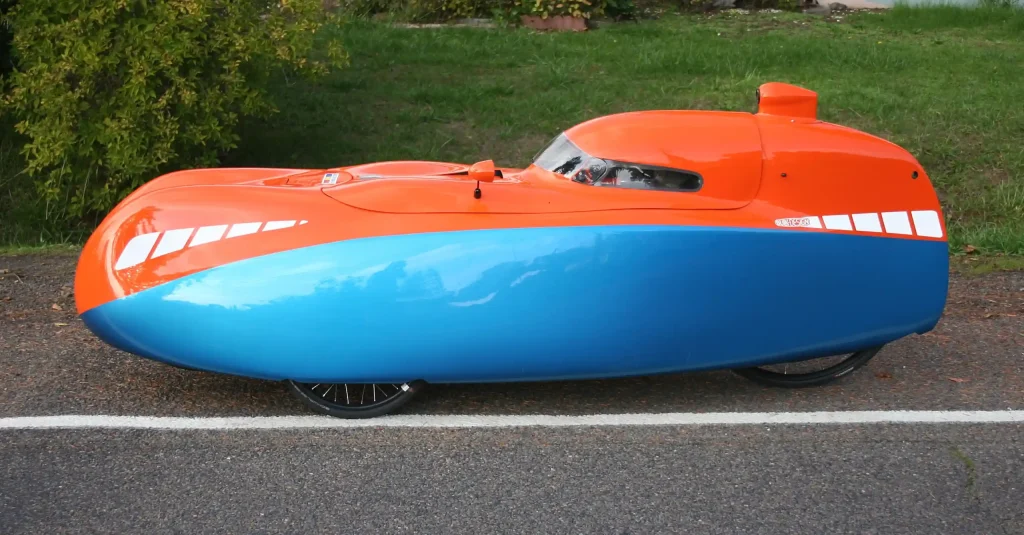
Velomobiles are human-powered vehicles with a shell for protection. Their design focuses on safety and efficiency.
Understanding the key features of velomobiles helps to see how safe they are for riders.
Frame Structure And Materials
The frame of a velomobile is the main support. It is often made from strong, lightweight materials like aluminum or carbon fiber.
This helps keep the vehicle light but durable. The frame is built to absorb shocks and protect the rider during impacts.
Aerodynamics And Stability
Velomobiles have smooth, curved shapes to reduce air resistance. This shape helps keep the vehicle stable at higher speeds.
- Low center of gravity to prevent tipping
- Wide wheelbase for better balance
- Streamlined body to cut wind drag
- Enclosed wheels to improve handling
Visibility Enhancements
| Feature | Purpose | Benefit |
| Bright LED lights | Improve visibility in low light | Make rider seen by others |
| Reflective surfaces | Reflect car headlights | Increase safety at night |
| Rearview mirrors | Help monitor traffic behind | Allow safer lane changes |
| Flag poles | Raise visibility height | Alert drivers to low vehicle |

Credit: newatlas.com
Crash Protection And Impact Resistance
Velomobiles are designed with safety in mind. Their shape and materials help protect riders during crashes. Understanding their crash protection and impact resistance is important for safety.
This article explains how velomobiles protect riders. It compares them to traditional bicycles in crashes and impact situations.
Protective Shell Strength
The outer shell of a velomobile is usually made from strong materials. These include fiberglass, carbon fiber, or reinforced plastic. The shell absorbs and spreads out the force of impacts.
- Fiberglass offers good balance of strength and weight.
- Carbon fiber is very strong and lightweight.
- Reinforced plastics resist cracks and dents.
- The shell shape helps deflect impacts.
Safety In Collisions
In crashes, the velomobile shell acts like a protective barrier. It reduces direct hits to the rider. The enclosed design lowers risk of cuts and bruises. Seat belts inside some models add extra safety.
| Type of Collision | Velomobile Effect | Benefit to Rider |
| Side Impact | Shell absorbs and spreads force | Less injury to rider |
| Frontal Impact | Shell shape deflects force | Reduces head and chest injuries |
| Roll Over | Rigid frame supports rider | Prevents crushing injuries |
Comparison With Traditional Bicycles
Traditional bicycles offer little crash protection. Riders rely mostly on helmets and pads. Velomobiles add a hard shell around the rider. This can reduce injury risk in many crashes.
- Velomobiles protect the whole body better.
- Traditional bikes leave riders exposed.
- Velomobiles reduce impact force on the rider.
- Bicycles depend more on rider’s protective gear.
Handling And Control
Velomobiles offer a unique riding experience with enclosed designs. Handling and control are key for safe rides.
Understanding how to steer, brake, and move in traffic helps riders stay safe and confident.
Steering Mechanisms
Most velomobiles use a hand-operated steering system. Riders turn handlebars connected to the front wheels.
This setup offers precise control and quick response to rider input. Some models use linkages for smoother steering.
- Handlebar steering is common and easy to use
- Linkage systems reduce effort and improve stability
- Steering feels similar to a bicycle but inside a shell
Braking Systems
Velomobiles often have multiple brakes for safety. Most use disc brakes on front and rear wheels.
Disc brakes provide strong stopping power in different weather. Some velomobiles include parking brakes for holding still.
- Front and rear disc brakes ensure balanced stopping
- Hydraulic or mechanical brakes are common
- Parking brakes add extra safety when parked
Maneuverability In Traffic
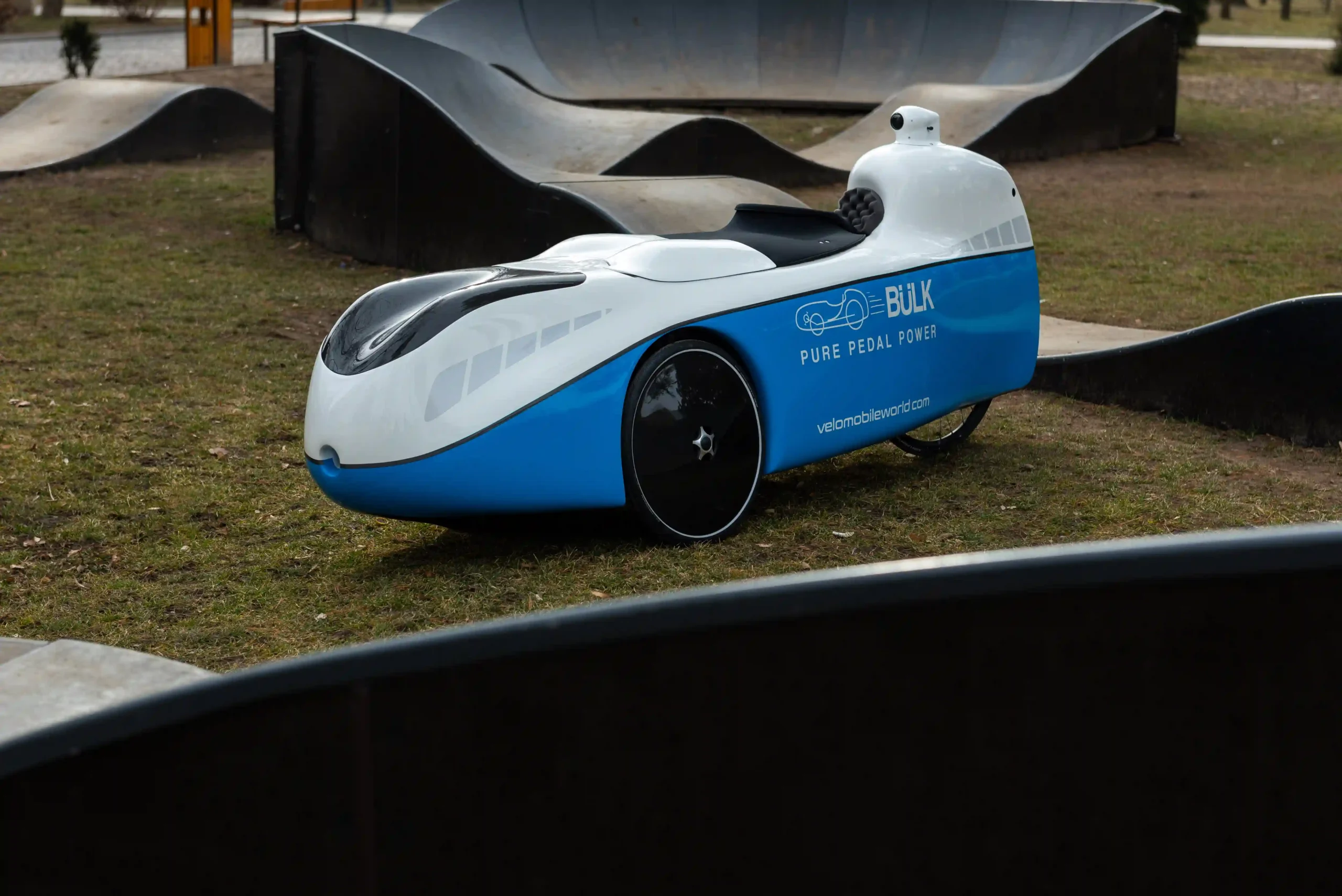
Velomobiles are wider than regular bikes but still agile. Riders must adjust to the larger size in traffic.
They handle turns well and keep stable at low speeds. Visibility can be improved with mirrors and lights.
- Wider body requires more space in traffic
- Good turning radius aids in city riding
- Mirrors help see vehicles behind
- Lights improve visibility at night or rain
Credit: www.velomobileworld.com
Rider Safety Practices
Riding a velomobile requires careful attention to safety. Following good practices helps protect the rider on roads.
These safety tips cover protective gear, road behavior, and vehicle upkeep for safer rides.
Helmet And Gear Recommendations
Wearing the right helmet and gear reduces injury risks. Choose gear designed for velomobile riders.
- Use a certified bicycle or multisport helmet that fits well
- Wear bright or reflective clothing to increase visibility
- Consider gloves and padded clothing for extra protection
- Use lights and reflectors on your velomobile day and night
Road Awareness And Behavior
Stay alert to traffic and road conditions. Safe behavior prevents accidents and keeps others safe too.
| Safety Tip | Description |
| Signal Turns | Use clear hand signals to show your intentions |
| Obey Traffic Laws | Follow all road signs and traffic lights |
| Keep Distance | Maintain space from other vehicles and obstacles |
| Watch Blind Spots | Be aware that drivers may not see you in their blind spots |
Maintenance For Safety
Regular maintenance keeps your velomobile safe and working well. Check key parts often.
- Inspect brakes and brake pads for wear
- Check tire pressure and tread depth
- Ensure lights and signals function properly
- Lubricate chains and moving parts
- Tighten bolts and fasteners regularly
Expert Opinions And Research Findings
Velomobiles are a type of enclosed bicycle that many people use for commuting and recreation. Experts and researchers have studied their safety to help users understand risks.
This article summarizes what studies, safety ratings, and users say about velomobile safety.
Studies On Accident Rates
Research shows velomobiles have fewer accidents than regular bicycles. Their enclosed design protects riders from some impacts.
Most studies compare velomobiles with other non-motorized vehicles to measure safety differences.
- Lower accident rates in urban areas
- Better visibility reduces collisions
- Higher speeds can increase crash severity
Safety Ratings And Certifications
Several organizations test and rate velomobiles for safety. These include crash tests and material quality checks.
Certifications help riders know which models meet safety standards.
- Compliance with bicycle helmet laws
- Frame and shell strength tested under pressure
- Reflective parts for better night visibility
User Testimonials
Many users report feeling safer inside a velomobile than on a regular bike. They say the shell protects them well from weather and minor crashes.
Some users mention challenges like limited visibility in tight traffic and the need for good maintenance.
- Protection from wind and rain
- Feeling more visible to drivers
- Occasional concerns about blind spots
- Comfort during long rides
Legal And Regulatory Considerations
Velomobiles are unique vehicles that blend features of bicycles and cars. Understanding the legal rules and regulations is important for safe and lawful use. This guide explains key legal topics for velomobile riders.
Knowing the laws helps riders avoid fines and ensures they meet safety requirements. It also clarifies insurance and liability issues.
Road Rules For Velomobiles
Velomobiles often share the road with bicycles and cars. Legal rules vary by location but usually treat velomobiles as bicycles or light vehicles. Riders must follow traffic signs and signals.
- Use bike lanes where available
- Obey all traffic lights and stop signs
- Wear helmets if required by local laws
- Use lights and reflectors at night
- Do not exceed speed limits set for bicycles
Insurance And Liability
Insurance rules for velomobiles differ depending on classification. Some areas require insurance like for motor vehicles, others do not. Riders should check local laws to know their responsibilities.
| Insurance Type | Requirement | Notes |
| Liability Insurance | May be required | Protects others from injury or damage |
| Comprehensive Insurance | Optional | Covers theft or damage to velomobile |
| Personal Injury Protection | Varies | Covers rider injuries in accidents |
Safety Standards Compliance
Velomobiles must meet safety rules to be road legal. These rules cover lighting, brakes, and construction. Compliance helps reduce accidents and injuries.
- Bright front and rear lights
- Reflective surfaces or stickers
- Reliable braking system
- Strong frame and secure seating
- Proper signaling devices
Future Safety Innovations
Velomobiles are growing in popularity for their speed and efficiency. Safety is a key concern as more people use them. New technologies and materials will make them safer in the future.
These future safety features focus on stronger builds, smart systems, and better visibility. Each area helps protect riders on the road.
Advanced Materials
New materials will make velomobiles lighter and stronger. These materials can absorb more impact in crashes. They also resist damage from weather and wear.
Using carbon fiber and special plastics improves safety without adding weight. This helps riders control the vehicle better.
- High-strength carbon fiber frames
- Impact-absorbing foam layers
- Weather-resistant coatings
- Flexible yet durable plastics
Smart Technology Integration
Smart technology helps prevent accidents by warning riders. Sensors can detect obstacles and alert the driver. Some systems can even apply brakes automatically.
GPS and communication devices can send location and status to others. This helps in emergencies and improves overall safety on roads.
- Obstacle detection sensors
- Automatic braking systems
- GPS tracking and alerts
- Connectivity with other vehicles
Improved Visibility Solutions
Better lights and signals help others see velomobiles clearly. Bright LED lights and reflective surfaces increase visibility day and night. This lowers the chance of crashes.
New designs use 360-degree lighting and smart signals. These can communicate rider intentions to drivers and pedestrians.
- High-brightness LED headlights and taillights
- Reflective paint and stickers
- 360-degree signal lights
- Smart turn and brake indicators

Credit: www.velomobileworld.com
Frequently Asked Questions
Are Velomobiles Safer Than Regular Bicycles?
Velomobiles offer better safety due to their enclosed design. They protect riders from weather and minor collisions. Their low center of gravity improves stability. However, awareness and proper use are essential for safety in traffic.
Do Velomobiles Protect Riders In Accidents?
Velomobiles provide some protection with their shell structure. The frame can absorb impacts better than open bikes. Still, they are not crash-proof. Wearing helmets and following traffic rules remain crucial for rider safety.
How Visible Are Velomobiles On The Road?
Velomobiles are often more visible due to their size and bright colors. Many models have reflective surfaces and lights. Proper lighting and reflective gear increase visibility, especially at night or in poor weather.
Are Velomobiles Safe In Wet Or Slippery Conditions?
Velomobiles generally handle wet roads better than bicycles. Their three or four wheels offer more traction and stability. Still, caution is needed on slippery surfaces to avoid skidding or losing control.
Conclusion
Velomobiles offer a unique transportation option with safety in mind. Their design focuses on aerodynamics and stability. Riders enjoy protection from weather and minor impacts. Bright colors and lights enhance visibility on roads. Regular maintenance ensures velomobiles remain safe and reliable.
It’s crucial to follow traffic rules while riding. Helmets and protective gear add extra safety layers. Velomobiles can be a sustainable choice for eco-conscious commuters. They combine exercise and travel in a fun way. Consider a velomobile for your next ride.
Prioritize safety and enjoy the journey!



