
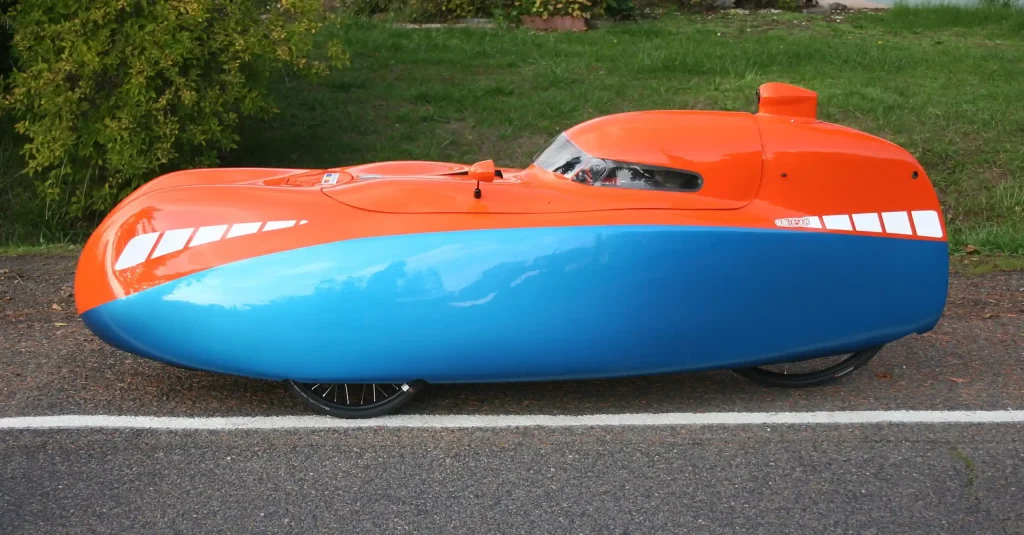
Are you ready to make your velomobile faster and more efficient? Improving your velomobile’s aerodynamics can give you that extra edge on the road.
Imagine cutting through the wind with less effort and reaching higher speeds without burning more energy. You’ll discover simple and practical ways to enhance your velomobile’s design, helping you ride smoother and smarter. Keep reading to unlock tips that will transform your cycling experience and make every ride more enjoyable.
Aerodynamics Basics
Aerodynamics studies how air moves around objects. It is key to making velomobiles faster and easier to pedal.
Improving aerodynamics means reducing air resistance. This helps the velomobile glide smoothly through the air.
Key Aerodynamic Principles
Shape affects how air flows around the velomobile. Smooth, rounded shapes reduce turbulence and drag.
- Streamlined shapes let air flow smoothly.
- Sharp edges cause air to separate and create drag.
- Smaller frontal area means less air to push through.
- Surface texture can affect airflow; smooth surfaces work best.
Impact Of Drag On Speed
Drag slows down the velomobile. As speed increases, drag rises quickly.
| Speed (km/h) | Drag Force (Newtons) |
| 20 | 15 |
| 30 | 34 |
| 40 | 60 |
| 50 | 94 |
Reducing drag helps maintain higher speeds with less effort. Even small changes can make a big difference.

Credit: www.velomobileworld.com
Velomobile Shape Optimization
Improving a velomobile’s aerodynamics helps it move faster and use less energy. The shape plays a big role in cutting air resistance.
Optimizing the shape means making it smooth and slim. This lets air flow easily around the velomobile.
Streamlined Design Elements
Streamlined shapes reduce drag by letting air pass smoothly. Rounded edges and gentle curves help achieve this effect.
- Use curved surfaces without sharp corners
- Keep transitions smooth between parts
- Avoid protruding elements that disturb airflow
- Design the tail to taper gradually
- Ensure the canopy blends well with the body
Reducing Frontal Area
The frontal area is the part facing the wind first. Smaller frontal area means less air resistance and better speed.
| Method | Description |
| Lower Seating Position | Reduces height and overall frontal size |
| Narrower Body | Limits width facing the air |
| Compact Components | Minimizes parts sticking out |
| Integrated Lighting | Built-in lights reduce extra drag |
Surface Materials And Finishes
The surface of a velomobile plays a big role in how fast and smooth it moves. Good materials and finishes cut air resistance. This helps the rider use less energy.
Choosing the right surface materials and finishes can lower drag. This guide looks at smooth coatings and ways to reduce surface roughness.
Smooth Coatings
Smooth coatings help air flow over the velomobile without catching on bumps. Paints and clear coats fill tiny gaps and make the surface slick. This lowers friction and drag.
- Use high-gloss automotive paint for a smooth finish
- Apply multiple thin layers rather than one thick layer
- Wet sand between layers to remove imperfections
- Seal with a clear coat to protect the surface
- Maintain the coating to avoid chips and scratches
Minimizing Surface Roughness
Surface roughness causes more air to stick and slow the velomobile. Polishing and sanding reduce bumps and ridges. A smooth surface cuts drag significantly.
| Method | Description | Effect on Aerodynamics |
| Sanding | Use fine grit sandpaper to smooth surface | Reduces bumps and ridges |
| Polishing | Buff surface to shine and smoothness | Improves airflow and reduces friction |
| Filling | Fill dents and holes with putty | Creates an even surface |
| Regular Cleaning | Remove dirt and debris from surface | Prevents rough patches |
Wheel And Tire Considerations
Improving velomobile aerodynamics starts with the wheels and tires. These parts affect air flow and rolling resistance.
Choosing the right wheels and tires helps reduce drag and makes riding easier and faster.
Fairings And Covers
Fairings and covers smooth the shape of wheels. They reduce air turbulence around spinning tires.
Adding wheel covers can lower drag by guiding air more cleanly past the wheels. This helps the velomobile cut through the air better.
- Use lightweight materials for covers
- Ensure covers fit tightly to avoid gaps
- Keep covers smooth and rounded
- Check covers do not affect wheel balance
Low Rolling Resistance Tires
Low rolling resistance tires need less energy to roll. They reduce friction between tire and road.
Choosing these tires helps you ride farther and faster with less effort.
- Pick tires with hard rubber compounds
- Use tires with smooth tread patterns
- Keep tires properly inflated
- Choose tires designed for your velomobile’s weight
Rider Positioning
Rider positioning is key to improving velomobile aerodynamics. A better position reduces air resistance. This helps you ride faster and use less energy.
Small changes in how you sit can make a big difference. Focus on lowering your profile while keeping comfort and control.
Lowering Profile
Lowering your body profile helps cut through the air more smoothly. Keep your torso low and close to the frame. Tuck your arms and legs in tight.
Try to keep your head down but look ahead for safety. This reduces the frontal area facing the wind. It lowers drag and improves speed.
- Lean forward with a flat back
- Keep elbows close to your body
- Tuck knees inward
- Lower your head but keep eyes forward
Maintaining Comfort And Control
Comfort helps you hold a good position longer. Adjust your seat and handlebars to avoid strain. Support your back and neck well.
Control is important for safe riding. Make sure you can steer easily and brake without losing balance. A stable position keeps you safe and steady.
- Use padded seats for comfort
- Adjust handlebar height and reach
- Keep a relaxed grip on controls
- Test your position on short rides first

Credit: www.velomobileworld.com
Ventilation And Cooling
Good ventilation helps keep the rider cool inside the velomobile. Cooling is important for comfort and performance. Proper airflow can reduce heat buildup without adding much drag.
Designing vents requires balance. Air must flow to cool the rider but not slow the vehicle down. Smart vent placement supports both goals well.
Balancing Airflow And Drag
Airflow inside the velomobile helps remove heat from the rider and components. Too many vents or large openings increase drag and reduce speed. The key is to find a good balance.
- Use small, well-placed vents to guide airflow efficiently.
- Shape vents to reduce turbulence and drag.
- Allow fresh air in and hot air out without large openings.
- Test vent size and position to keep cooling effective but drag low.
Effective Vent Placement
Vents work best when placed where airflow is strong. This helps move air through the cockpit and around the rider’s body. Common vent locations include the front nose and rear sides.
| Vent Location | Purpose | Effect on Drag |
| Front Nose | Bring fresh air inside | Low if vent is small and shaped |
| Side Panels | Release warm air from inside | Moderate; needs careful design |
| Rear Exhaust | Help air exit quickly | Low; uses natural airflow |
Testing And Measuring Aerodynamics
Testing aerodynamics helps improve the speed and efficiency of velomobiles. Measuring airflow and drag shows what changes work best.
There are two main ways to test aerodynamics. One uses wind tunnels, and the other uses field testing outside.
Using Wind Tunnels
Wind tunnels let you see how air flows around the velomobile. The velomobile stays still while air moves past it.
Special sensors measure drag and lift forces. This data helps find areas causing more air resistance.
- Place the velomobile inside the tunnel
- Use sensors to record air pressure and drag
- Test different speeds and angles
- Adjust shapes and parts based on results
Field Testing Techniques
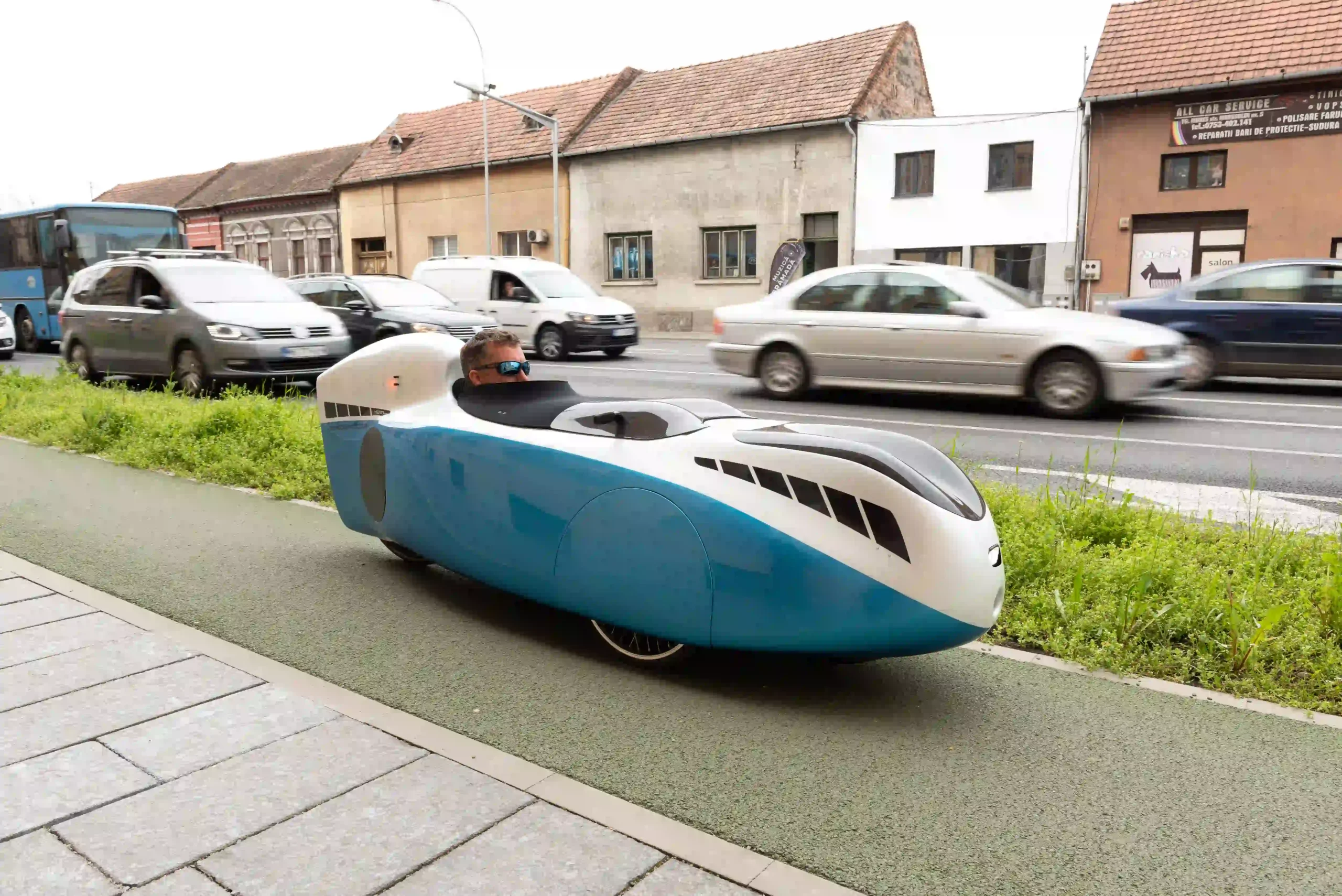
Field testing checks aerodynamics in real riding conditions. This method measures how the velomobile performs on roads.
Riders use devices to track speed, power, and wind speed. These help calculate the drag and efficiency of the velomobile.
- Attach power meters to measure rider effort
- Use GPS to track speed and route
- Record wind speed and direction during rides
- Compare data from different designs or setups
Credit: www.velomobileworld.com
Maintenance For Aerodynamic Efficiency
Keeping your velomobile clean and in good shape helps it cut through air better. Dirt and damage can slow you down and increase drag.
Regular checks and care keep your velomobile smooth and fast on the road.
Regular Cleaning
Dust, mud, and bugs stick to the surface and cause extra air resistance. Cleaning removes this buildup and keeps the body smooth.
- Use mild soap and water to wash the velomobile exterior
- Rinse thoroughly to avoid soap residue that can attract dust
- Dry with a soft cloth to prevent scratches
- Clean the wheels and undercarriage to stop dirt buildup
- Wash regularly, especially after rides on wet or dirty roads
Inspecting For Damage
Cracks, dents, and loose parts create drag and reduce aerodynamic efficiency. Finding and fixing these issues keeps your velomobile sleek.
| Damage Type | Check Area | Effect on Aerodynamics | Action |
| Cracks | Body shell | Increases air drag | Seal or replace damaged parts |
| Dents | Side panels and front | Disturbs smooth airflow | Repair or smooth surface |
| Loose fittings | Mirrors, vents, covers | Creates turbulence | Tighten or replace fasteners |
| Scratches | Paint surface | Minor drag increase | Polish or touch up paint |
Frequently Asked Questions
How Can I Reduce Drag On My Velomobile?
Reducing drag involves smoothing surfaces, sealing gaps, and using aerodynamic fairings. Keeping your velomobile clean also helps airflow. These steps minimize resistance and boost speed efficiently.
What Materials Improve Velomobile Aerodynamics?
Lightweight, smooth materials like carbon fiber and fiberglass enhance aerodynamics. These materials reduce weight and allow sleek, curved designs that improve airflow and performance.
Does Tire Choice Affect Velomobile Aerodynamics?
Yes, narrow, high-pressure tires reduce rolling resistance and aerodynamic drag. Choosing tires with minimal tread and proper inflation improves speed and energy efficiency.
How Important Is Rider Position For Aerodynamics?
Rider position is crucial. A low, tucked posture decreases frontal area and wind resistance. Adjusting seating for comfort and aerodynamics optimizes overall performance.
Conclusion
Improving velomobile aerodynamics boosts speed and efficiency. Focus on shape. Streamlined designs reduce drag. Lightweight materials aid faster movement. Wheel covers minimize air resistance. Regular maintenance keeps everything smooth. Test adjustments for best performance. Small changes make a big difference.
Enjoy the ride with less effort. Keep experimenting for optimal results. Stay informed and keep learning. Your journey to better aerodynamics starts now.



