
If you ride a dirt jump bike, you know how important smooth, reliable brakes are. But over time, your hydraulic brakes can feel spongy or slow to respond.
That’s usually a sign they need bleeding. Bleeding your bike’s hydraulic brakes might sound tricky, but once you know the right steps, you can do it yourself and keep your bike performing at its best. In this guide, you’ll learn exactly how to bleed your dirt jump bike’s hydraulic brakes quickly and effectively—so you can get back on the trail with confidence and control.
Keep reading, and you’ll master this essential skill in no time.

Credit: goebikelife.com
Tools And Materials Needed
To bleed hydraulic brakes on a dirt jump bike, gather all necessary tools and materials first. This helps make the process smooth and safe.
Using the right items keeps your brakes working well and avoids damage. Below are the key categories of what you will need.
Brake Bleed Kit Essentials
A brake bleed kit includes tools designed specifically for hydraulic brake maintenance. It helps remove old fluid and air bubbles.
- Bleed syringe or pump
- Bleed block to keep brake pads apart
- Appropriate bleed hose
- Allen keys and wrenches
- Clean rags or paper towels
Hydraulic Fluid Types
Hydraulic brakes use different fluids based on the brand. Use the correct fluid to avoid brake damage.
| Brake Brand | Fluid Type |
| Shimano | Mineral Oil |
| SRAM | DOT 4 or DOT 5.1 Brake Fluid |
| Magura | Mineral Oil |
Additional Supplies
These supplies help you keep the work area clean and protect your bike parts during bleeding.
- Disposable gloves to protect your hands
- Isopropyl alcohol for cleaning
- A small container for old brake fluid
- Protective eyewear
- Plastic bags or covers to shield the frame
Preparing Your Bike
Bleeding hydraulic brakes on your dirt jump bike starts with good preparation. You must get your bike ready to work safely and cleanly.
Proper setup helps you avoid damage and makes the brake bleed easier. This guide covers the first steps to prepare your bike.
Securing The Bike
Keep your bike steady before you start bleeding the brakes. Use a bike stand or place it on a flat surface.
Make sure the bike cannot move or fall. This protects you and your bike parts during the bleed process.
- Use a bike repair stand if available
- Place the bike on a flat, stable floor
- Lock the bike in place to avoid movement
Removing The Wheel
Take off the wheel that has the brake you want to bleed. This gives better access to the brake caliper and pads.
Remove the wheel carefully to avoid bending the rotor or damaging the brake parts.
- Shift the chain to the smallest gear
- Release the wheel quick release or thru-axle
- Gently pull the wheel out without touching the rotor
Cleaning Brake Components
Clean the brake caliper, rotor, and pads before you start bleeding. Dirt or oil can spoil the brake fluid and cause problems.
Use isopropyl alcohol and a clean cloth to wipe these parts. Do not touch the rotor or pads with oily hands.
- Spray isopropyl alcohol on a clean cloth
- Wipe the rotor surface carefully
- Clean the brake caliper around the pads
- Keep hands clean or wear gloves to avoid oil
Bleeding Process Setup
Preparing to bleed the hydraulic brakes on your dirt jump bike is key for good results. Proper setup helps remove air and old fluid easily.
This guide covers how to position the brake lever, attach the bleed syringe, and open the bleed port safely.
Positioning The Brake Lever
Place the brake lever in a level position. This keeps air bubbles from getting trapped in the system.
- Use a clamp or mount the lever on a stand.
- Keep the lever horizontal and steady.
- Check that the lever does not move during bleeding.
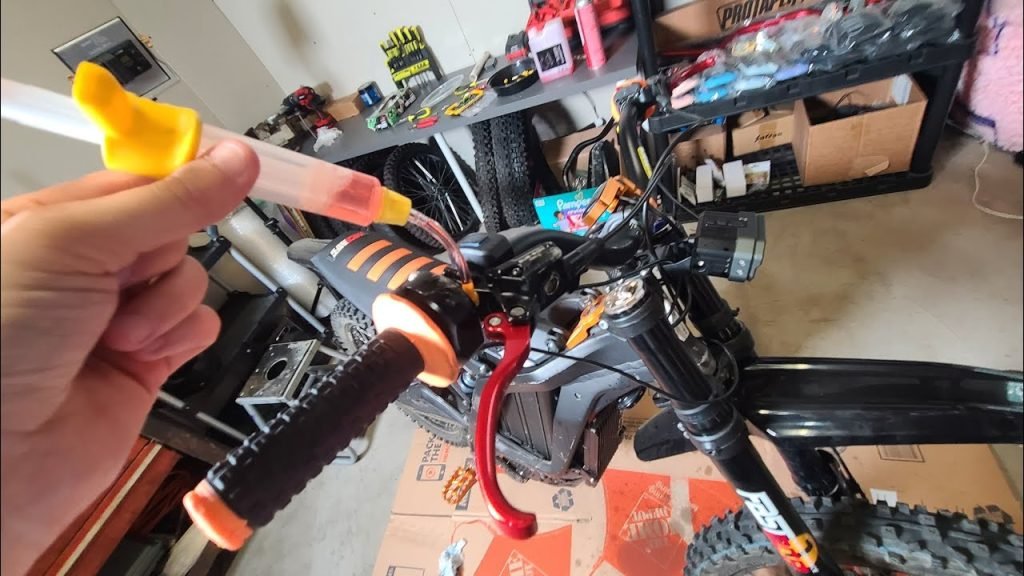
Attaching The Bleed Syringe
Connect the bleed syringe firmly to the brake caliper or lever bleed port.
| Step | Action | Note |
| 1 | Fill syringe with fresh brake fluid | Use correct fluid type for your brakes |
| 2 | Remove bleed port screw | Keep screw safe for reinstallation |
| 3 | Attach syringe securely | Avoid leaks by tightening properly |
Opening The Bleed Port
Open the bleed port to allow old fluid and air to exit the system.
- Use the correct size wrench for the bleed port.
- Turn slowly to avoid sudden fluid loss.
- Watch for air bubbles escaping through the syringe.
- Close the port once fluid runs clear and no air bubbles appear.

Credit: www.youtube.com
Performing The Bleed
Bleeding the hydraulic brakes on your dirt jump bike keeps them working well. This process removes air and old fluid from the system. Clean fluid improves braking power and feel.
Below are key steps to perform the brake bleed properly. Follow each carefully for the best results.
Pushing Fluid Through
Start by attaching the syringe or bleed kit to the brake lever or caliper. Slowly push the new brake fluid into the system. This moves the old fluid and any air bubbles out.
- Fill the syringe with fresh brake fluid.
- Attach it securely to the bleed port.
- Push the fluid slowly to avoid creating new air bubbles.
- Watch the fluid move through the brake lines.
Removing Air Bubbles
Air bubbles reduce brake efficiency. You must remove them to restore full brake power. Gently tap the brake lines and caliper to free trapped air.
| Action | Purpose |
|---|---|
| Tap brake lines | Loosen trapped air bubbles |
| Push fluid slowly | Prevent new bubbles |
| Check fluid flow | Ensure no bubbles remain |
Maintaining Fluid Levels
Keep the fluid reservoir topped up during the bleed. Low fluid can draw air back into the system. Check the level often and add fluid as needed.
- Open the reservoir cap carefully.
- Fill to the recommended level.
- Close the cap tightly after filling.
- Repeat checks during the bleed process.
Finishing Steps
After you finish bleeding the hydraulic brakes on your dirt jump bike, some important steps remain. These steps help make sure your brakes work well and stay safe.
Follow these finishing steps carefully to complete the brake bleeding process correctly and check everything before riding.
Closing Bleed Port
Close the bleed port tightly to stop any fluid leaks. Use the correct size wrench to avoid damaging the port.
Make sure the bleed port screw is clean before tightening. This prevents dirt from entering the brake system.
- Wipe the bleed port area with a clean cloth
- Tighten the bleed screw by hand first
- Use a wrench to secure it firmly but do not over-tighten
Reinstalling The Wheel
Put the wheel back on the bike carefully. Check that the rotor fits well inside the brake caliper.
Secure the wheel axle tightly. This keeps the wheel stable and helps the brakes work properly.
- Align the rotor between brake pads
- Slide the wheel into the dropouts
- Tighten the axle or quick release
- Spin the wheel to check for any rubbing
Testing Brake Performance
Test the brake lever for firmness and quick response. The lever should feel solid, not spongy.
Press the lever several times to move brake pads closer to the rotor. Check that the bike stops smoothly and safely.
- Pull the brake lever firmly
- Look for any leaks or air bubbles
- Ensure the lever does not pull too close to the handlebar
- Test the bike at low speed before riding hard
Troubleshooting Tips
Bleeding hydraulic brakes on your dirt jump bike can be tricky. Air bubbles, soft levers, or fluid leaks often cause problems. Fixing these issues improves brake performance and safety.
Use these tips to find and solve common brake bleeding problems. Each section covers a specific issue with clear advice.
Persistent Air Bubbles
Air bubbles in the brake line reduce braking power. They can stay trapped even after bleeding. Try these ways to remove them:
- Hold the brake lever and pump it slowly several times.
- Keep the bleed kit at the highest point to let bubbles rise.
- Tap the brake lines gently to dislodge trapped air.
- Repeat the bleeding process if needed until bubbles stop.
Soft Brake Lever
A soft brake lever feels spongy and does not stop the bike well. This usually means air or low fluid levels. Check these points:
| Cause | Solution |
| Air in system | Bleed brakes carefully |
| Low brake fluid | Refill with correct fluid |
| Worn brake pads | Replace pads |
| Damaged brake hose | Inspect and replace hose |
Leaks And Fluid Spills
Leaks cause brake failure and mess. Find leaks by checking these areas:
- Brake lever connection points
- Caliper seals and bolts
- Brake hose joints and fittings
- Reservoir cap and body
If you see fluid spills, clean them with a cloth. Replace any damaged parts. Always use the right brake fluid to avoid damage.
Maintenance Advice
Dirt jump bikes need strong brakes for safety. Hydraulic brakes work well but need care. Bleeding the brakes keeps them working at their best.
This guide covers when to bleed brakes, how to inspect them, and ways to make them last longer.
When To Bleed Brakes
Bleed your hydraulic brakes if you feel spongy or soft brake lever pressure. Air may have entered the brake lines.
Also bleed brakes if you see brake fluid leaks or if the lever pulls too close to the handlebar.
Regular Inspection Tips
Check your brakes often to spot problems early. Look for worn pads, leaks, and proper lever feel.
- Inspect brake pads for wear and replace if thin
- Check brake hoses and connections for leaks
- Test brake lever pressure before each ride
- Clean brake rotors to remove dirt and oil
- Listen for unusual noises during braking
Extending Brake Lifespan
| Action | Purpose |
| Use recommended brake fluid | Prevents damage and maintains performance |
| Store bike away from extreme heat | Protects brake seals and fluid quality |
| Regularly clean brake parts | Stops dirt buildup that wears components |
| Bleed brakes at first sign of air | Keeps braking smooth and reliable |
| Replace brake pads before fully worn | Prevents rotor damage and keeps power |

Credit: www.starunion-store.com
Frequently Asked Questions
How Often Should I Bleed Hydraulic Brakes For Dirt Jump Biking?
Bleed your hydraulic brakes every 3 to 6 months. Regular bleeding ensures optimal brake performance and safety. Frequency depends on riding conditions and usage intensity.
What Tools Are Needed To Bleed Dirt Jump Bike Brakes?
You need a bleed kit, brake fluid, syringe, wrench, and clean rags. Using the correct tools prevents damage and ensures a smooth bleeding process.
Can I Use Any Brake Fluid For Hydraulic Brake Bleeding?
No, always use the manufacturer-recommended brake fluid type. Using the wrong fluid can damage the brake system and reduce braking efficiency.
How Long Does It Take To Bleed Hydraulic Brakes Properly?
Bleeding hydraulic brakes typically takes 20 to 30 minutes. Proper bleeding removes air bubbles and restores brake responsiveness effectively.
Conclusion
Bleeding hydraulic brakes is easier with some practice. Follow the steps carefully. Your dirt jump bike will perform better with smooth brakes. Regular maintenance is key to safety and performance. Keep your tools handy and your workspace organized. Don’t rush the process.
Take your time to ensure accuracy. Troubleshooting gets easier with experience. Stay patient and attentive. Learning this skill saves money and enhances your biking experience. Enjoy the ride with confidence, knowing your brakes are reliable. Safety first, always. Happy biking!



