
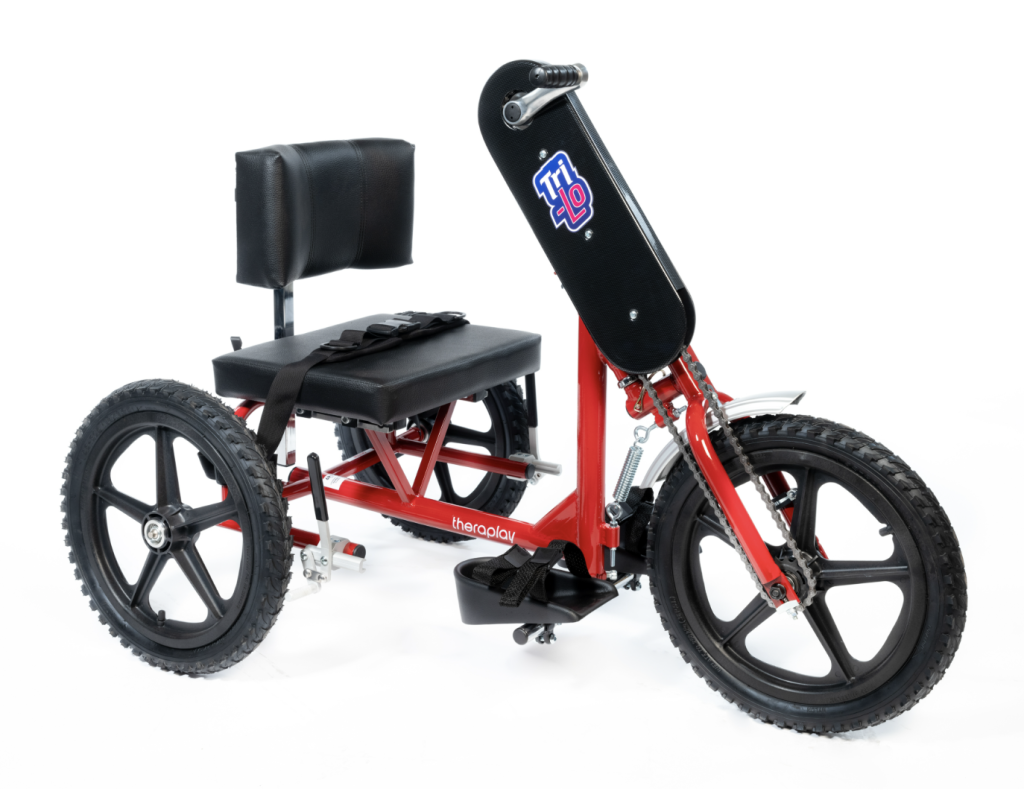
Are you looking for a safe and effective way to improve your therapy sessions? Adaptive handcycles could be the perfect solution for you.
But with so many options available, how do you know which ones are truly safe for your therapy needs? You’ll discover key features to look for and top choices that protect your well-being while helping you gain strength and mobility.
Keep reading to find the right adaptive handcycle that fits your therapy goals and keeps you secure every step of the way.
Benefits Of Adaptive Handcycles In Therapy
Adaptive handcycles help people in therapy by improving their physical abilities. These cycles allow users to exercise their arms and upper body safely. They provide a fun and effective way to support recovery and health.
Therapists often use adaptive handcycles to build strength, boost heart health, and improve mood. These benefits help patients regain independence and enjoy daily activities more.
Enhancing Mobility And Strength
Using an adaptive handcycle strengthens the arms, shoulders, and chest. It also helps improve coordination and range of motion. This makes moving easier for people with limited leg use.
- Builds muscle strength in the upper body
- Improves joint flexibility and movement
- Enhances coordination between hands and arms
- Supports better posture and balance
Improving Cardiovascular Health
Adaptive handcycles provide a good workout for the heart and lungs. Regular use helps increase stamina and endurance. It also lowers the risk of heart disease and improves blood flow.
| Benefit | How It Helps |
| Heart Strength | Boosts heart muscle activity |
| Circulation | Improves blood flow to the body |
| Endurance | Increases stamina during activities |
| Respiration | Enhances lung capacity and oxygen use |
Boosting Mental Well-being
Using an adaptive handcycle can lift mood and reduce stress. It encourages social interaction and outdoor activity. These cycles help build confidence and a sense of freedom.
Key mental benefits include:
- Lower anxiety and depression levels
- Improved focus and mental clarity
- Greater motivation to stay active
- Enhanced feelings of independence

Credit: www.jewishfamilyservice.org
Key Safety Features To Consider
Choosing a safe adaptive handcycle is important for therapy. Safety helps users feel secure and avoid injuries.
Therapists and users should look for certain features. These features improve comfort and prevent accidents.
Stability And Balance
Stable handcycles reduce the risk of tipping over. A low center of gravity helps keep the cycle steady.
Wide wheelbases and three or four wheels add balance. This is especially important for therapy users with weak muscles.
- Low center of gravity
- Wide wheelbase for better balance
- Three or four wheels for more stability
Braking Systems
Good brakes keep the user safe on slopes and stops. Hand brakes should be easy to reach and use.
Look for adjustable braking strength. This lets users control the speed safely during therapy sessions.
- Easy-to-use hand brakes
- Adjustable braking power
- Reliable stopping ability
Adjustable Seating And Support
Comfortable seats help users stay in the right position. Adjustable seats allow for proper posture and support.
Good support reduces strain on the body. Look for padded seats, backrests, and straps to keep users secure.
- Adjustable seat height and angle
- Padded seats and backrests
- Safety straps for extra support
Durability And Material Quality
Strong materials keep the handcycle safe for long use. Look for frames made from steel or aluminum.
Durable parts resist wear and tear. Quality materials prevent breaks that can cause accidents.
- Steel or aluminum frame
- Rust-resistant coatings
- Strong, durable wheels and tires
Types Of Adaptive Handcycles For Therapy
Adaptive handcycles help people with limited leg use exercise and improve strength. They come in different styles to fit various therapy needs. Choosing the right type can increase comfort and safety during therapy.
This guide covers three main types of adaptive handcycles often used in therapy settings. Each type offers unique features that support different therapy goals.
Recumbent Handcycles
Recumbent handcycles have a reclined seat that supports the back and legs. This position reduces strain on the upper body and helps maintain good posture. They are good for long therapy sessions and users with limited trunk control.
These handcycles provide stability and comfort, making them safe for many therapy exercises.
Upright Handcycles
Upright handcycles have a seated position similar to a regular bike. This design helps build upper body strength and balance. Therapists often use these for patients who can support their torso well.
- Encourages active posture
- Improves cardiovascular health
- Easy to maneuver on flat surfaces
- Good for building endurance
Off-road Handcycles
Off-road handcycles are built for rough and uneven terrain. They have wider tires and stronger frames to handle outdoor trails. These handcycles help improve coordination and provide a safe way to enjoy nature during therapy.
| Feature | Benefit for Therapy |
|---|---|
| Wide tires | Better grip and stability on rough ground |
| Strong frame | Supports different body weights safely |
| Shock absorbers | Reduces impact on joints during rides |
| Hand brakes | Improves control and safety |

Credit: www.physioexpress.com.au
Top Reliable Adaptive Handcycles
Adaptive handcycles help people with limited leg use enjoy cycling. They offer exercise and therapy benefits. Choosing a safe and reliable handcycle is important for therapy sessions.
This guide covers four top models. Each model suits different therapy needs and user skills. Read on to find the best fit for therapy safety and comfort.
Model A: Features And Safety Highlights
Model A includes a sturdy frame and adjustable seat. It has safety belts to keep the rider secure. The brakes are easy to reach and work well on slopes.
- Lightweight aluminum frame
- Adjustable seating for comfort
- Easy-to-use hand brakes
- Safety belts included
- Reflectors for visibility
Model B: Why Therapists Recommend It
Therapists like Model B for its smooth ride and easy control. It supports different therapy goals and helps improve arm strength. The handcycle also allows safe stops and starts.
| Feature | Benefit |
| Ergonomic hand grips | Reduce strain on wrists |
| Adjustable resistance | Customize workout intensity |
| Wide tires | Better balance and stability |
| Light frame | Easy to transport |
Model C: Best For Beginners
Model C is simple and easy to use. It has clear instructions and few controls. This model is great for new users and helps build confidence during therapy.
- Simple gear system
- Stable three-wheel design
- Comfortable padded seat
- Quick-release wheels
- Lightweight for easy handling
Model D: Advanced Options For Experienced Users
Model D offers advanced features for skilled riders. It includes multiple gear options and strong brakes. The frame is built for faster speeds and longer rides.
| Feature | Purpose |
|---|---|
| Multi-speed gears | Adjust to different terrains |
| Hydraulic brakes | Provide strong stopping power |
| Reinforced frame | Support for heavy use |
| Ergonomic seat | Enhance long ride comfort |
Tips For Safe Use During Therapy
Adaptive handcycles help improve strength and mobility in therapy. Safety is very important when using them.
Following safety tips can prevent injuries and ensure good results during therapy sessions.
Proper Fitting And Adjustments
A handcycle must fit the user well to avoid discomfort and injury. Adjust the seat, pedals, and handles to match body size.
Check that straps and supports hold the user securely but do not cause pain or restrict movement.
- Adjust seat height and angle for comfort
- Set pedal position to align with leg length
- Secure hand grips to prevent slipping
- Use straps to support feet and hands safely
Regular Maintenance Checks
Keep the handcycle in good condition by checking it before each use. Look for loose parts or damage.
Fix problems quickly to avoid accidents during therapy. Clean the handcycle regularly to keep it working well.
- Inspect tires for wear and proper inflation
- Tighten bolts and screws as needed
- Check chains and gears for smooth movement
- Clean dirt and debris from moving parts
Training And Supervision Guidelines
Users should learn how to use the handcycle safely. Training helps them understand controls and movements.
Supervision during therapy ensures users follow safety rules. Staff can help prevent falls and misuse.
- Provide clear instructions before use
- Practice handcycle control in a safe area
- Monitor users during therapy sessions
- Offer help if the user feels tired or unsafe
Credit: www.triaid.com
Frequently Asked Questions
What Features Make Adaptive Handcycles Safe For Therapy?
Adaptive handcycles with adjustable seating, secure straps, and stable frames ensure safety. They also offer smooth controls and reliable braking for therapy use.
How To Choose A Therapy-safe Adaptive Handcycle?
Choose handcycles with ergonomic designs, customizable settings, and safety certifications. Prioritize models with easy handling and support suited to individual therapy needs.
Are Lightweight Handcycles Safer For Therapy Sessions?
Yes, lightweight handcycles enhance maneuverability and reduce strain. They provide better control and ease during therapy, promoting a safer rehabilitation experience.
Can Adaptive Handcycles Prevent Injury During Therapy?
Properly designed adaptive handcycles minimize injury risks with stable frames and secure positioning. They support correct posture and controlled movements during therapy.
Conclusion
Choosing the right adaptive handcycle boosts therapy safety and effectiveness. Every user has unique needs, so consider these carefully. Consult therapists to ensure the best fit for your condition. Prioritize comfort and adjustability in your selection. Safety features must be top of mind too.
Regular maintenance keeps the handcycle in good shape. Try different models if possible. This helps find the most suitable one. A well-chosen handcycle can significantly improve therapy outcomes. Remember, your comfort and safety matter most. Happy cycling and stay safe on your therapy journey!



