
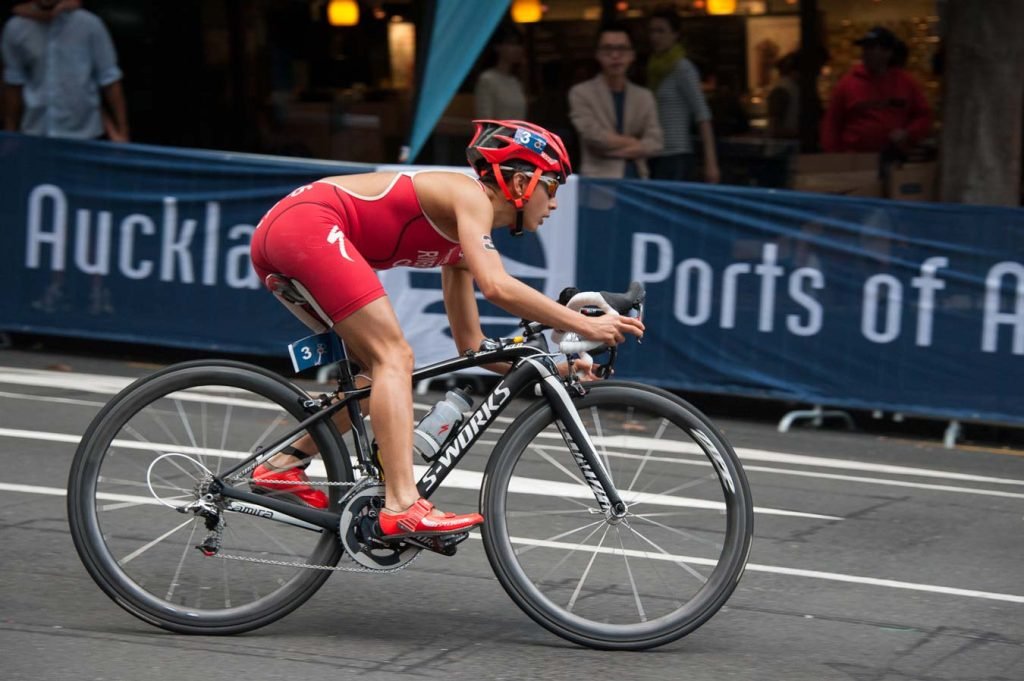
Choosing the right triathlon bike can feel overwhelming, especially when you want a bike that fits your body and boosts your performance. But what if finding the perfect professional triathlon bike designed for women was easier than you think?
This guide will help you understand exactly what to look for, so you can ride with confidence and speed. Keep reading to discover how to pick a bike that matches your goals, style, and comfort—making every race your best one yet.
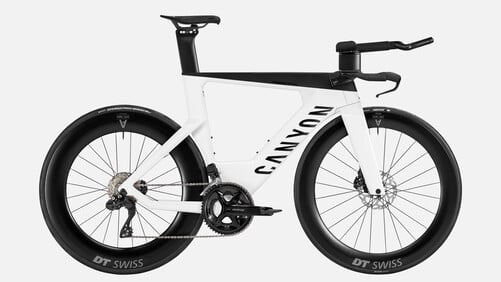
Credit: www.canyon.com
Choosing The Right Frame
Selecting a professional triathlon bike starts with the right frame. The frame affects comfort, speed, and control. Women need frames designed for their body shape and size.
Understanding frame materials, geometry, and proper sizing helps pick a bike that fits well and performs best on race day.
Frame Materials
Triathlon bike frames come in different materials. Each material offers unique benefits in weight, stiffness, and comfort.
- Carbon Fiber:Lightweight and stiff. It absorbs road vibrations well.
- Aluminum:Affordable and durable. Slightly heavier than carbon.
- Titanium:Strong and comfortable. It lasts long but costs more.
- Steel:Heavy but offers smooth ride quality and strength.
Frame Geometry
Geometry affects bike handling and riding position. Triathlon frames usually have an aggressive geometry for aerodynamics.
| Geometry Type | Description | Benefit for Women |
| Aero | Sloped top tubes and forward seat tubes | Improves speed and reduces wind resistance |
| Comfort | Higher head tube and relaxed angles | Better for long rides and comfort |
| Endurance | Balanced angles for speed and comfort | Good for mixed terrain and longer races |
Sizing And Fit
Correct sizing ensures comfort and efficiency. Women’s frames often have shorter top tubes and adjusted standover heights.
- Measure your inseam and torso length before buying.
- Choose a frame size that allows a comfortable reach to handlebars.
- Check seat tube length for proper leg extension.
- Test ride to feel the bike’s fit and adjust seat and handlebars.
Key Components To Consider
Choosing the right triathlon bike is important for women to perform well. Certain parts of the bike affect comfort and speed.
Understanding key components helps you pick a bike that fits your needs and style.
Drivetrain Options
The drivetrain controls how power moves from pedals to wheels. It affects speed and efficiency.
- Look for lightweight and durable materials like carbon or aluminum.
- Consider the number of gears; more gears help on varied terrain.
- Electronic shifting offers precise gear changes with less effort.
- Mechanical shifting is simpler and easier to maintain.
Wheelsets
Wheelsets impact bike speed, weight, and handling. Choose wheels that match your riding style.
| Type | Advantages | Best For |
|---|---|---|
| Deep-section wheels | Improve aerodynamics | Flat courses and time trials |
| Shallow wheels | Better handling in wind | Hilly or windy routes |
| Carbon wheels | Lightweight and stiff | Racing and speed |
| Aluminum wheels | Durable and affordable | Training and everyday use |
Braking Systems
Brakes keep you safe and in control. Choose a braking system that fits your riding conditions.
Common braking types include:
- Rim brakes:Lightweight and easy to maintain but less effective in wet conditions.
- Disc brakes:Provide stronger and consistent stopping power in all weather.
Aerodynamics And Performance
Choosing a professional triathlon bike for women means focusing on aerodynamics and performance. These factors help you ride faster and save energy.
Aerodynamics lowers wind resistance. Performance means the bike feels smooth and responds well during the race.
Aerodynamic Features
The bike frame shape plays a big role in cutting through the air. Look for thin tubes and smooth edges to reduce drag.
Wheel design also affects speed. Deep-section wheels help slice the wind better than regular wheels.
- Aero frame with narrow tubes
- Integrated cables to reduce drag
- Deep-section or disc wheels
- Aero handlebars with armrests
Optimizing Riding Position
Finding the right riding position reduces wind resistance and improves comfort. It helps you keep speed over long distances.
Adjust the seat height and handlebar reach. This keeps your body low and tight to the bike for better aerodynamics.
- Lower your torso to reduce frontal area
- Use aero bars for support and stability
- Keep elbows close to your body
- Adjust saddle for a comfortable leg extension
Comfort And Adjustability
Choosing the right triathlon bike for women means focusing on comfort and adjustability. These features help improve performance and reduce fatigue during long rides.
Comfort comes from the right fit and the ability to adjust the bike parts to suit your body. This guide covers key areas to consider.
Saddle Choices
The saddle affects how you feel during the race. Women need saddles designed to fit their anatomy for better comfort.
- Look for saddles with wider rear sections to support your sit bones.
- Choose saddles with cutouts or grooves to reduce pressure.
- Consider padded or gel saddles for extra cushioning.
- Test different saddle shapes and sizes before buying.
Handlebar Styles
Handlebars affect your riding position and comfort. Women often prefer handlebars that offer multiple hand positions.
| Handlebar Type | Comfort Features | Adjustability |
| Drop Bars | Multiple hand positions, aerodynamic | Adjustable reach and drop |
| Aero Bars | Forward leaning, reduces wind resistance | Adjustable extensions and pads |
| Flat Bars | Upright position, easier control | Limited adjustability |
Pedal Systems
Pedal choice impacts power transfer and foot comfort. Women should choose pedals that match their shoe type and riding style.
Common pedal system options include:
- Clipless pedals for strong connection and efficient pedaling
- Platform pedals for comfort and easy foot release
- Adjustable tension pedals to control how tightly shoes clip in
Try different pedal systems to find what feels best on long rides.
Budget And Value
Choosing a professional triathlon bike for women depends a lot on your budget. You want to find a bike that fits your needs and offers good value.
Understanding price and quality helps you pick the best bike without overspending.
Price Ranges
Triathlon bikes come in many price ranges. You can find models for beginners, intermediate, and advanced riders.
Here is a simple guide to common price ranges:
- Entry Level:$1,000 to $2,500 – Good for new triathletes and casual riders.
- Mid Range:$2,500 to $5,000 – Offers better components and lighter frames.
- High End:$5,000 and above – Built for serious athletes with top materials and tech.
Balancing Cost And Quality
Finding the right balance between cost and quality is key. A higher price does not always mean better value for your needs.
Focus on features that improve your ride and comfort. Sometimes mid-range bikes offer the best mix of parts and price.
- Look for durable frames that are lightweight.
- Choose reliable gears and brakes for safety.
- Consider fit and comfort over fancy extras.
- Check reviews to see how bikes perform over time.
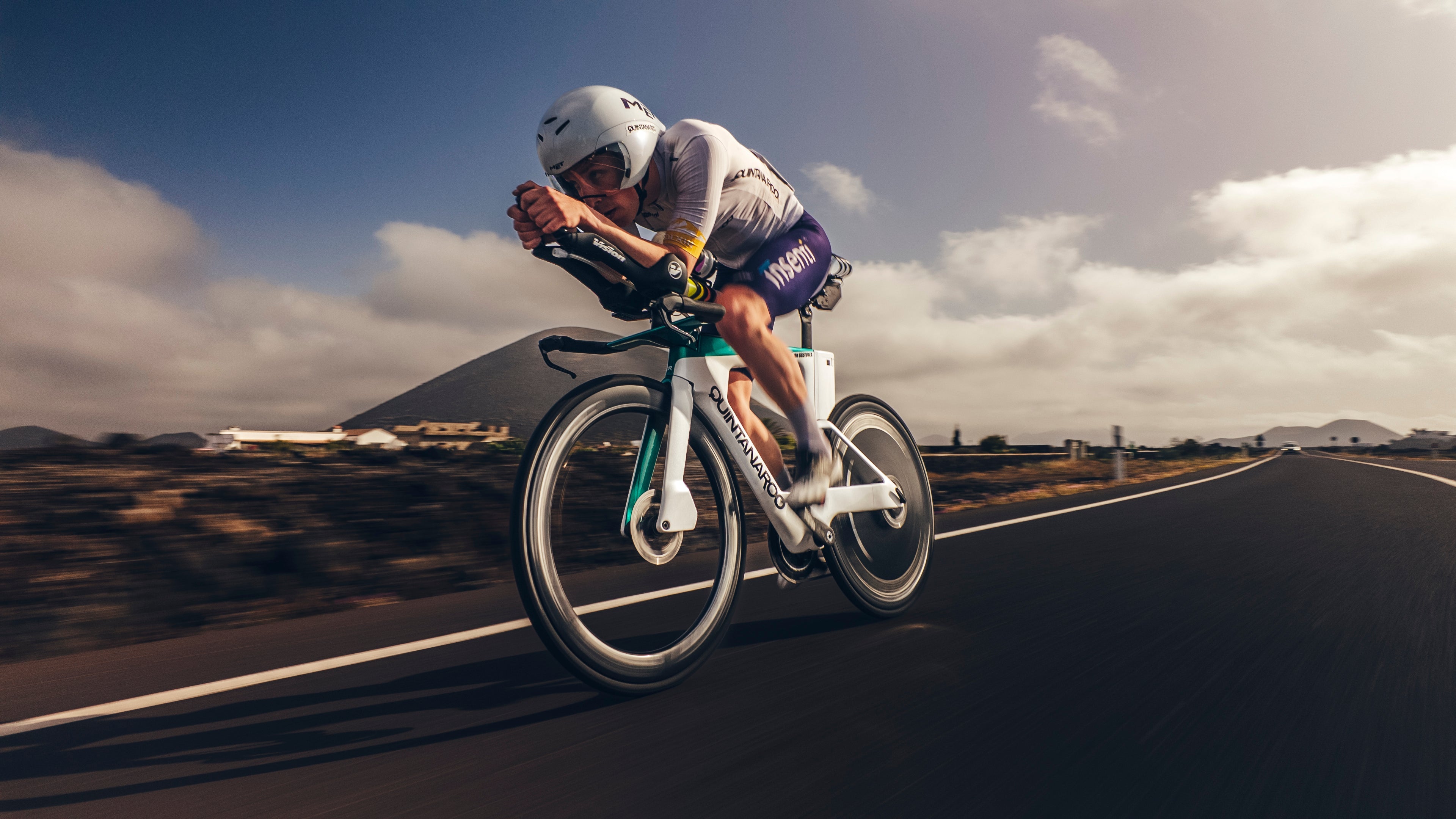
Credit: quintanarootri.com
Women-specific Design Elements
Choosing the right triathlon bike is key for women to perform well. Bikes made with women in mind offer better comfort and control.
This guide focuses on two important design elements: fit for female anatomy and customizable options.
Fit For Female Anatomy
Women’s bodies differ from men’s in shape and size. Bikes designed for women match these differences for a better fit.
- Smaller frame sizes to suit shorter heights
- Narrower handlebars for better grip and comfort
- Shorter top tubes to reduce reach distance
- Saddle shapes designed to support female pelvis
- Brake and gear levers sized for smaller hands
Customizable Options
Adjustable parts let women tailor the bike to their exact needs. Custom options improve comfort and efficiency.
| Customizable Part | Benefit |
| Seat Height | Proper leg extension and power |
| Handlebar Position | Better control and reduced strain |
| Crank Arm Length | Improved pedaling efficiency |
| Stem Length | Customized reach and posture |
| Saddle Type | Comfort during long rides |
Testing And Trial Rides
Choosing the right triathlon bike is important for women who want to perform well and feel comfortable. Testing and trial rides help find the best fit and style.
During these rides, you can check how the bike handles and if it suits your body and riding style. This step saves time and money later.
What To Look For During Test Rides
Pay attention to how the bike feels when you start riding. Notice the balance, control, and how easy it is to pedal.
Check the brakes and gears. They should work smoothly without extra effort or noise.
- Is the bike stable at different speeds?
- Does it respond well to steering?
- Are the brakes quick and reliable?
- Can you change gears easily?
- Does the bike feel light and fast?
Adjusting For Comfort And Efficiency
Comfort is key during long rides. Adjust the seat height and handlebar position to avoid pain or stiffness.
Try small changes and ride again. Find a position that helps you pedal powerfully without strain.
- Set seat height so your leg is slightly bent at the bottom of each pedal stroke.
- Adjust handlebar reach to keep your back straight but relaxed.
- Check that your wrists and shoulders feel comfortable.
- Use padded shorts or gloves if needed for extra comfort.
- Test different positions to improve breathing and power.
Maintenance And Upgrades
Selecting a professional triathlon bike for women is just the start. Proper care keeps it in top shape. Upgrades can improve performance over time.
Understanding routine maintenance and future upgrades helps you get the most from your bike. This guide covers key tips and options.
Routine Care Tips
Regular maintenance extends your bike’s life and ensures safe rides. Focus on cleaning, lubrication, and inspections.
- Clean the bike frame and components after every ride
- Lubricate the chain and moving parts weekly
- Check tire pressure before each ride
- Inspect brake pads and cables monthly
- Tighten bolts and screws regularly
- Store the bike in a dry place to avoid rust
Future Upgrade Paths
Upgrades let you tailor your triathlon bike to your needs. Choose parts that boost comfort and speed.
| Upgrade | Benefit | Recommended Timing |
| Carbon wheels | Reduce weight and increase speed | After 6 months of regular use |
| Clipless pedals | Improve pedaling efficiency | When comfortable with basic pedals |
| Adjustable aero bars | Enhance riding posture | After fitting the bike properly |
| High-performance tires | Better grip and lower rolling resistance | Before race season |
| Upgraded saddle | Increase comfort on long rides | When experiencing discomfort |
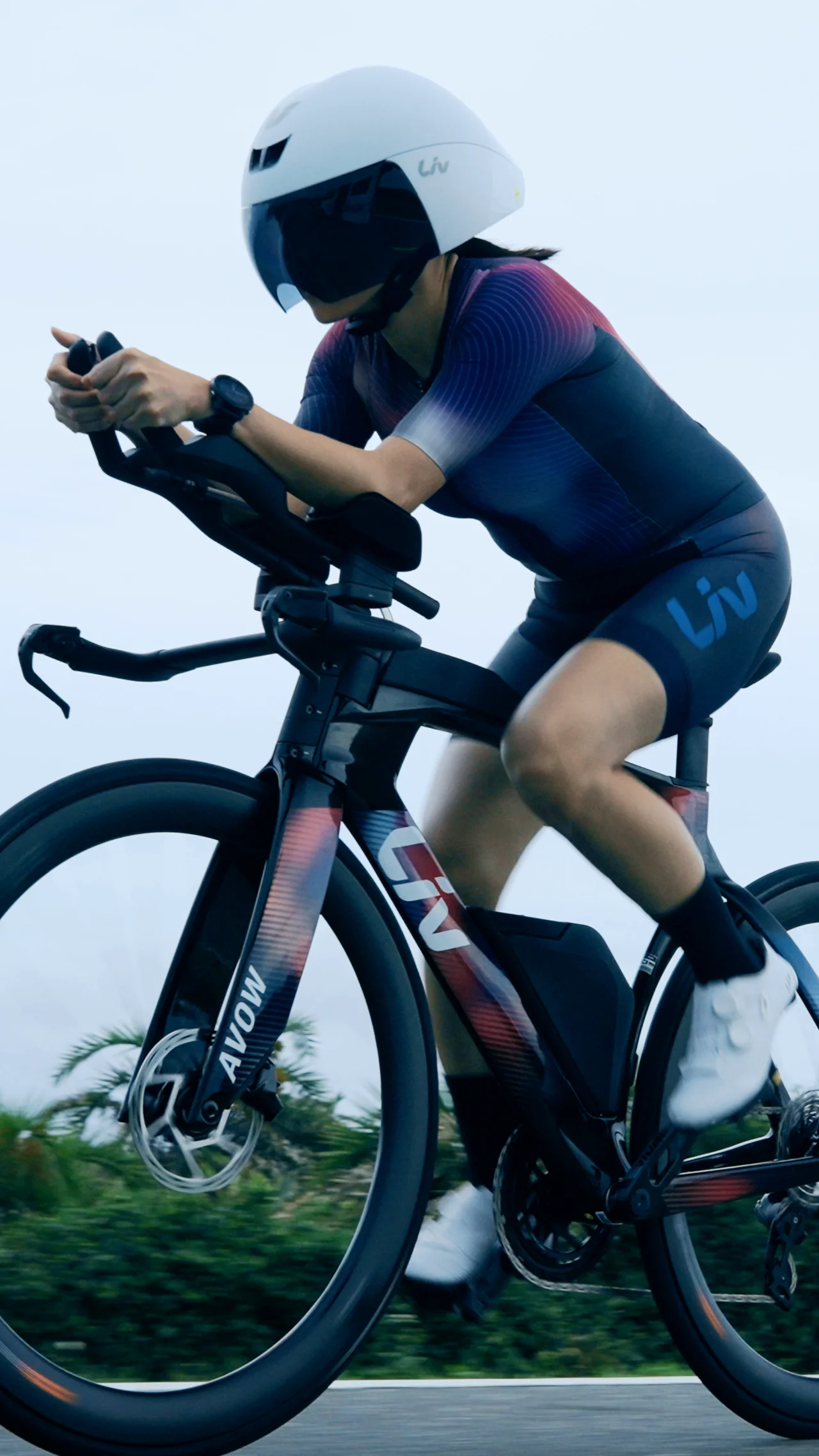
Credit: www.liv-cycling.com
Frequently Asked Questions
What Size Triathlon Bike Suits Women Best?
Choosing the right size depends on your height and inseam length. Most brands offer women-specific frames. Proper sizing ensures comfort, efficiency, and injury prevention during races.
How Important Is Bike Fit For Female Triathletes?
Bike fit is crucial for performance and comfort. A professional fitting session adjusts saddle, handlebars, and pedals to your body. It reduces fatigue and improves aerodynamics during triathlons.
What Features Should Women Look For In A Triathlon Bike?
Women should prioritize lightweight frames, adjustable components, and aerodynamic design. Women-specific geometry enhances comfort and power transfer. Consider brake placement and handlebar shape for better control.
Which Materials Are Best For A Women’s Triathlon Bike?
Carbon fiber is popular for its light weight and stiffness. Aluminum offers durability and affordability. Choose a material balancing weight, budget, and ride quality for your needs.
Conclusion
Selecting the right triathlon bike for women involves careful consideration. Focus on comfort, fit, and performance. Test different models to find your perfect match. Prioritize a lightweight frame for speed and ease. Check gear systems and brakes for efficiency. A good bike enhances your triathlon experience.
Don’t rush your decision. Research and compare options. Seek advice from experienced riders. Remember, a suitable bike boosts confidence and enjoyment. Invest wisely for long-term satisfaction. Enjoy your triathlon journey!



