
Choosing the right bike for your child can feel tricky. You want something safe, fun, and perfect for their riding style.
Should you go for a hybrid bike or a mountain bike? Each has its own benefits, and the wrong choice might make your kid less excited about biking. You’ll discover simple tips to help you decide which bike fits your child’s needs best.
By the end, you’ll feel confident picking a bike that keeps your kid happy and eager to ride every day. Keep reading to find out which bike matches your child’s adventures perfectly!
Key Differences Between Hybrid And Mountain Bikes
Choosing the right bike for kids is important for fun and safety. Hybrid and mountain bikes have different features. These features affect how the bike feels and works on different surfaces.
Understanding the main differences helps parents pick the best bike for their child. This guide explains four key areas to compare when deciding between a hybrid and a mountain bike.
Frame And Design
Hybrid bikes have a lightweight frame and a simple design. They mix features of road and mountain bikes. This makes them good for smooth roads and light trails.
Mountain bikes have a strong, sturdy frame. They are built to handle rough trails and obstacles. The design often includes a sloping top tube for better control.
- Hybrid: Lightweight, simple, upright riding position
- Mountain: Strong, durable, sloped top tube for stability
Tire Types And Traction
Hybrid bikes have medium-width tires with smooth tread. They work well on pavement and light dirt paths. These tires offer less rolling resistance for faster rides.
Mountain bikes have wide, knobby tires. These tires provide good grip on dirt, mud, and rocks. They help kids stay balanced on uneven surfaces.
- Hybrid: Medium-width, smooth tires for pavement
- Mountain: Wide, knobby tires for off-road traction
Suspension Features
Hybrid bikes often have no suspension or a simple front suspension. This keeps the ride smooth on city roads and easy trails.
Mountain bikes usually have front suspension or full suspension. This absorbs shocks from rough terrain, making rides safer and more comfortable.
- Hybrid: Minimal or no suspension
- Mountain: Front or full suspension for shock absorption
Weight And Durability
Hybrid bikes are lighter because they use less heavy parts. This helps kids pedal easily on flat ground.
Mountain bikes are heavier to handle rough use. Their durable parts resist damage from rocks and falls.
- Hybrid: Light and easy to pedal
- Mountain: Heavier but very durable

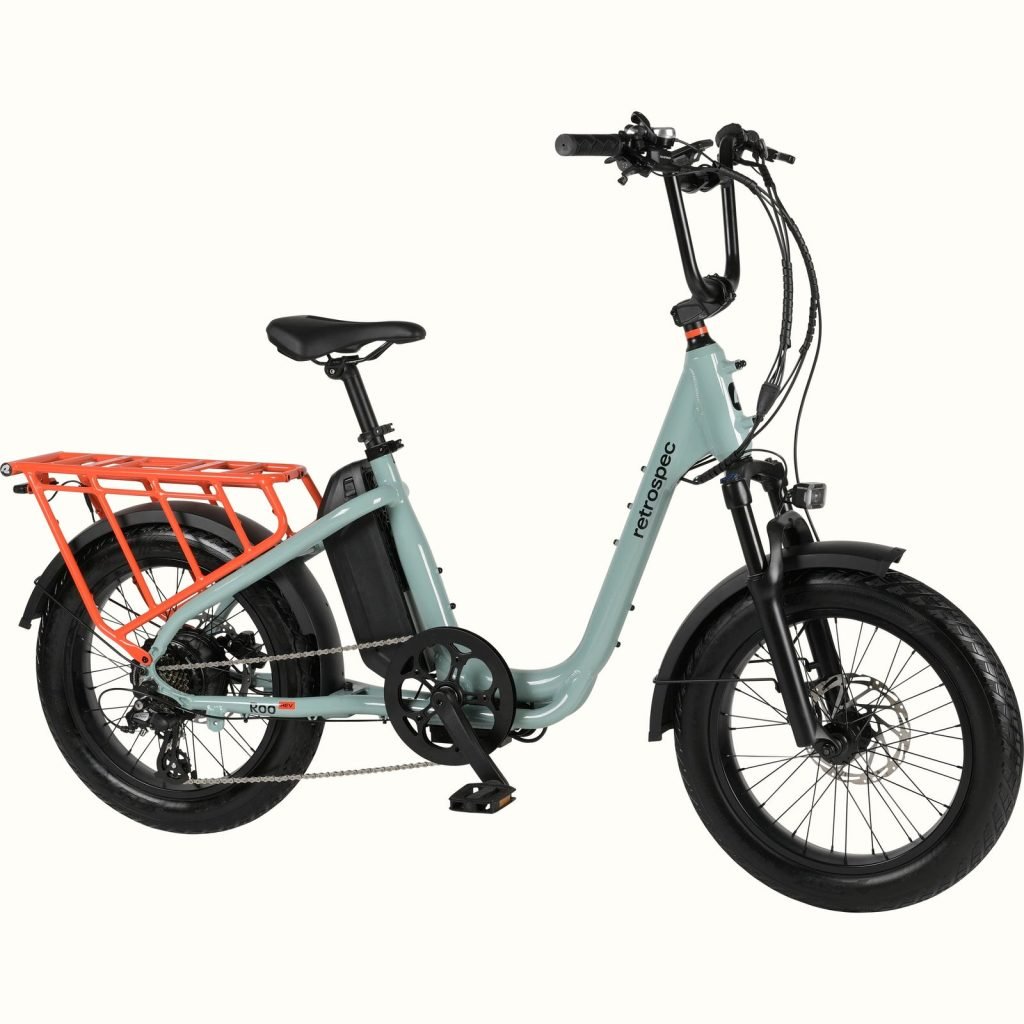
Credit: retrospec.com
Riding Terrain Considerations
Choosing the right bike for kids depends on where they will ride most. Different terrains need different bike features.
Understanding the riding surface helps decide between a hybrid or mountain bike for your child.
Urban And Pavement Riding
Urban areas and pavement are smooth and flat. Kids riding here need bikes that are light and fast. Hybrid bikes work well on these surfaces because of their thinner tires and comfortable seats.
Off-road Trails And Rough Terrain
Off-road trails have rocks, roots, and bumps. Kids need strong bikes with wide tires and good suspension. Mountain bikes fit this need with their durable frames and shock absorbers.
- Wide knobby tires for grip
- Strong brakes for safety
- Suspension to absorb shocks
- Sturdy frame to handle rough rides
Mixed Terrain Usage
Some kids ride on pavement and trails. A bike that handles both surfaces is best here. Choosing depends on how much of each terrain the child will ride.
| Terrain Type | Recommended Bike | Key Features |
| Pavement | Hybrid Bike | Light frame, smooth tires |
| Rough Trails | Mountain Bike | Suspension, wide tires |
| Mixed Terrain | Hybrid or Mountain | Moderate tires, durable frame |
Child’s Riding Skill Level
Choosing the right bike for your child depends on their riding skill level. It helps ensure safety and fun. This guide looks at beginner, intermediate, and advanced riders.
Understanding your child’s abilities makes it easier to pick between a hybrid or mountain bike. Each skill level has different needs and preferences.
Beginner Riders
Beginner riders are just starting to learn balance and control. They usually ride on smooth, flat surfaces like sidewalks or parks. A bike that is easy to handle and comfortable is best.
- Choose a lightweight bike for easier control
- Look for simple gears or single-speed models
- Consider bikes with wider tires for stability
- Hybrid bikes often suit beginners due to their comfort
Intermediate Riders
Intermediate riders have basic skills and start to explore varied surfaces. They may ride on trails, gravel, or city streets. Bikes with more features can help improve their experience.
| Bike Type | Advantages | Best Use |
|---|---|---|
| Hybrid Bike | Comfortable seat, smooth tires | Paved roads, light trails |
| Mountain Bike | Durable frame, knobby tires | Rough trails, uneven terrain |
Advanced Riders
Advanced riders have strong skills and ride challenging trails. They need bikes that handle rough terrain well and offer better control. Mountain bikes usually fit these needs.
- Full suspension for shock absorption
- Multiple gears for steep climbs
- Strong brakes for safety
- Durable tires with deep tread
Comfort And Safety Factors
Choosing the right bike for kids means thinking about comfort and safety. These factors help kids enjoy riding and stay safe.
We will look at bike fit and size, handlebars and riding position, and braking systems. These parts affect comfort and control.
Bike Fit And Size
A bike that fits well makes riding easier and safer for kids. The right size helps kids reach pedals and the ground comfortably.
Check the frame size and wheel size before buying. Kids grow fast, so make sure the bike can adjust as they grow.
- The child should sit with feet flat on the ground
- Hands should reach the handlebars without stretching
- Legs should bend slightly at the bottom of the pedal stroke
- Look for adjustable seats and handlebars
Handlebars And Riding Position
Handlebars affect how comfortable and safe a child feels while riding. The right position reduces strain on the back and arms.
Mountain bikes often have flat or riser bars for better control on rough paths. Hybrid bikes usually have upright bars for a relaxed ride.
- Flat bars give more control on uneven terrain
- Upright bars help keep the back straight
- Choose a position that feels natural and easy to hold
- Check that the child can reach brakes and gears easily
Braking Systems
Good brakes are important for safety. Kids need brakes that are easy to use and stop the bike quickly.
Mountain bikes often have disc brakes for strong stopping power. Hybrid bikes may have rim brakes, which are lighter and simpler.
- Disc brakes work well in wet or muddy conditions
- Rim brakes are easier to maintain and repair
- Make sure brakes fit the child’s hand size
- Test brake response before riding
Budget And Maintenance
Choosing between a hybrid bike and a mountain bike for kids depends a lot on budget and upkeep. These factors affect how long the bike lasts and how much work it needs.
Understanding cost and maintenance helps parents pick the best bike for their child’s needs and family budget.
Cost Differences
Hybrid bikes usually cost less than mountain bikes. They have simpler parts and lighter frames. Mountain bikes have stronger frames and special tires, which add to the price.
| Bike Type | Average Price Range |
| Hybrid Bike | $150 – $400 |
| Mountain Bike | $300 – $700 |
Maintenance Needs
Mountain bikes need more care because of their parts and where they are used. They need regular cleaning and checks for brakes and gears. Hybrid bikes need less frequent maintenance.
- Mountain bikes require frequent tire checks
- Hybrid bikes have fewer parts to maintain
- Mountain bikes need more brake adjustments
- Hybrid bikes need occasional chain lubrication
Longevity And Growth
Both bikes can last for years if cared for. Mountain bikes may grow with the child due to adjustable parts. Hybrid bikes are good for casual riding and may need replacement sooner if the child rides on rough paths.
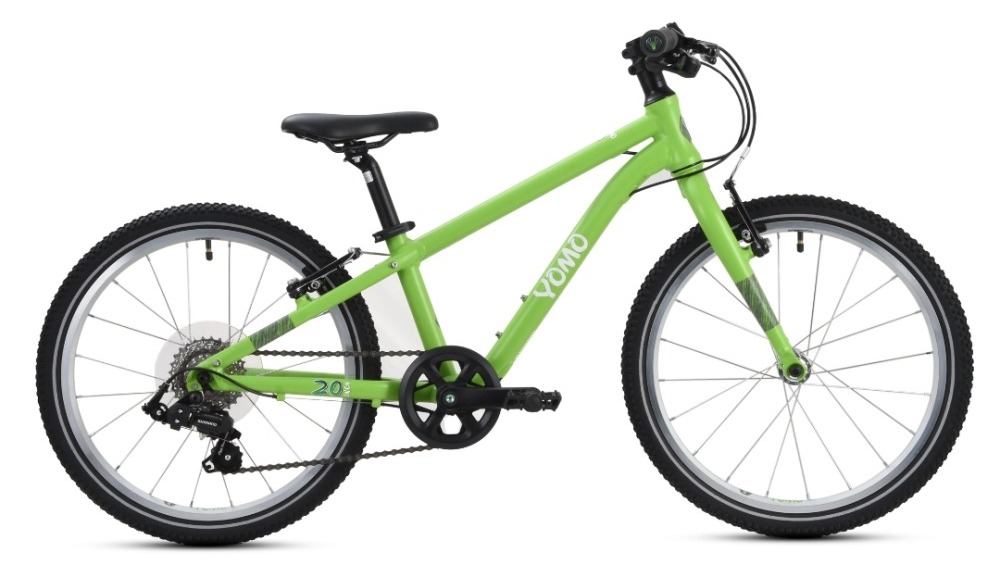
Credit: www.cyclesprog.co.uk
Additional Features And Accessories
Choosing between a hybrid and mountain bike for kids involves looking at extra features. These features can affect comfort, safety, and fun.
Accessories also play a big role. They can make riding easier or help carry things on trips.
Gears And Shifting
Gears help kids ride on different surfaces and slopes. Mountain bikes often have more gears for rough trails.
Hybrid bikes usually have fewer gears. This makes them easier to use on smooth paths or roads.
- Mountain bikes: More gears for hills and rough terrain
- Hybrid bikes: Fewer gears for simple, flat rides
- Easy shifting helps kids learn faster
Fenders And Racks
Fenders keep mud and water off kids during wet rides. They are common on hybrid bikes for city riding.
Racks add space to carry backpacks or snacks. Hybrids often come with racks or have options to add them.
- Fenders protect clothes from dirt and water
- Racks help carry items for trips or school
- Mountain bikes may lack these for weight and durability
Customizable Options
Kids grow fast, so adjustable parts are important. Both bike types offer ways to customize fit and style.
Custom options include seat height, handlebar position, and colors. These help make the bike comfortable and personal.
- Adjustable seat and handlebars for growing kids
- Choice of colors and designs to match preferences
- Easy upgrades like better tires or pedals
Making The Final Choice
Choosing between a hybrid bike and a mountain bike for kids can be tough. Both have features that suit different needs.
Understanding your child’s habits and preferences helps in picking the right bike. This guide covers key points to consider.
Assessing Lifestyle And Preferences
Think about where your child will ride most often. Will they be on trails, streets, or parks? This affects the type of bike you choose.
- If your child rides mainly on roads or paved paths, a hybrid bike is good.
- If they like rough trails and off-road paths, a mountain bike fits better.
- Consider how often they ride and how far. Comfort matters for longer rides.
- Check if your child prefers a more relaxed or sporty riding style.
Test Riding Tips
Let your child try both bike types before buying. Test rides reveal which bike feels better and is easier to control.
| Test Aspect | What to Observe |
| Comfort | Is the seat height right? Does the child sit upright? |
| Handling | Can your child steer easily? Are brakes simple to use? |
| Weight | Is the bike light enough to lift or carry? |
| Suspension | Does the bike absorb bumps well? |
Consulting Experts
Talk to bike shop staff or experienced riders. They offer advice based on your child’s needs and local conditions.
Experts often suggest asking these questions:
- What bike fits my child’s age and size best?
- Which bike type is easier for beginners?
- What maintenance does each bike need?
- Are there safety features to consider?

Credit: www.reddit.com
Frequently Asked Questions
What Is The Difference Between Hybrid And Mountain Bikes?
Hybrid bikes are versatile, designed for both road and light off-road use. They feature a comfortable riding position and are great for casual rides. Mountain bikes are built for rugged trails, with sturdy frames and suspension systems. They’re ideal for rough terrains and adventurous rides.
Are Hybrid Bikes Good For Kids?
Yes, hybrid bikes are great for kids. They offer a comfortable ride on various surfaces, including paved paths and light trails. With their lightweight frames and easy handling, they are suitable for young riders who enjoy both street and trail adventures.
Why Choose A Mountain Bike For Kids?
Mountain bikes are perfect for adventurous kids. They are built to handle rough terrains and challenging trails. With features like suspension systems and durable tires, they offer stability and control. Mountain bikes are great for kids who love exploring outdoors.
Which Bike Is Safer For Kids?
Both bike types are safe for kids when chosen appropriately. Hybrid bikes are ideal for smooth terrains and city rides. Mountain bikes provide better traction on rough surfaces. Ensure the bike fits well and is equipped with safety features like brakes and reflectors.
Conclusion
Choosing between a hybrid and mountain bike depends on your child’s needs. Think about where they will ride most often. Hybrid bikes work well on roads and light trails. Mountain bikes handle rough and steep paths better. Comfort and safety matter a lot.
Let your child try both types if possible. Watch how they feel and control the bike. The right choice helps them enjoy riding more. Keep their age and skill level in mind too. This way, you pick the best bike for happy rides ahead.



