

Finding the perfect saddle height can transform your cycling experience. If your seat is too low, you might feel discomfort or tire quickly.
Too high, and you risk losing control or hurting your knees. Getting your saddle height just right means more comfort, better power, and longer rides without pain. You’ll learn simple, effective steps to adjust your saddle height specifically for women cyclists like you.
Keep reading to discover how a small change can make a big difference in your ride.
Why Saddle Height Matters
Saddle height is a key part of bike fit for women cyclists. It affects how you feel and ride.
Setting the right saddle height helps you ride longer with less pain and better control.
Impact On Comfort
A correct saddle height stops discomfort in your hips and knees. It keeps your body relaxed.
If the saddle is too high or too low, you may feel pressure or numbness while riding.
- Right height reduces soreness in the lower back
- Prevents chafing and skin irritation
- Allows smooth pedaling without strain
Effect On Performance
Proper saddle height helps you pedal more powerfully and efficiently. You save energy.
Good positioning improves balance and bike control, helping you ride faster and safer.
- Increases pedaling speed with less effort
- Improves muscle use for longer rides
- Enhances bike handling and stability
Preventing Injuries
Wrong saddle height can cause knee, hip, and back injuries. It puts stress on joints.
Adjusting saddle height lowers injury risk and helps your body recover after cycling.
- Reduces risk of knee pain and tendon strain
- Protects hips from too much pressure
- Limits lower back and muscle injuries
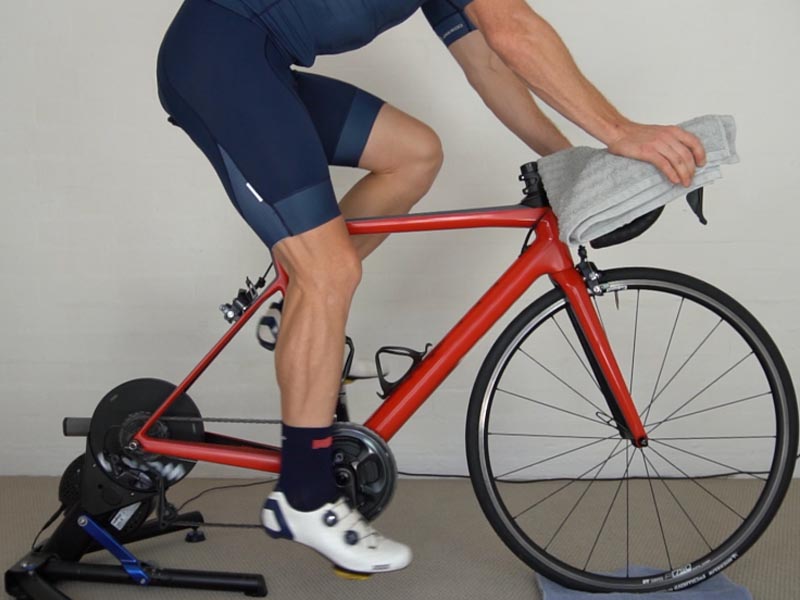
Credit: blog.rodalink.com
Unique Considerations For Women
Adjusting the saddle height is important for all cyclists. Women have unique needs that affect this adjustment.
Understanding these differences can improve comfort and performance while riding a bike.
Anatomical Differences
Women usually have a wider pelvis than men. This changes how they sit on the saddle.
The length of the femur bone and leg proportions may also differ. These affect the ideal saddle height.
- Wider sit bones need wider saddles
- Leg length affects pedal reach
- Hip angle changes seating position
Common Cycling Challenges
Women often face discomfort from pressure on soft tissue areas. This can cause pain or numbness.
Incorrect saddle height may increase knee pain or reduce pedaling efficiency. Adjusting height helps reduce these issues.
- Pressure on the perineum
- Knee pain from poor leg extension
- Lower back discomfort due to posture
Choosing The Right Saddle
Selecting a saddle made for women helps improve comfort. These saddles account for wider hips and soft tissue areas.
Look for saddles with extra padding or cutouts. These features reduce pressure and improve blood flow.
- Wider saddle nose for soft tissue relief
- Cutouts to reduce pressure points
- Extra padding for better comfort
- Proper shape to support sit bones
Tools Needed For Adjustment
Adjusting the saddle height helps women cyclists ride comfortably and avoid injuries. Using the right tools makes the process easier and more accurate.
This guide explains the basic tools needed to adjust saddle height properly and safely.
Measuring Tape Or Ruler
A measuring tape or ruler helps you find the correct saddle height. It measures the distance from the saddle to the pedal or ground.
Use it to check if the saddle is at the right height for your leg length and riding style. This tool ensures a precise fit.
- Flexible tape measures work well for curved bike parts
- A rigid ruler can measure straight distances accurately
- Use metric or imperial units, whichever you prefer
Bike Stand Or Support
A bike stand or support holds your bike steady during saddle adjustments. It keeps the bike upright and balanced.
This tool lets you work safely without the bike moving. It also helps you check the saddle height while sitting on the bike.
- Floor stands hold the bike from the frame or rear wheel
- Wall mounts can support the bike while you adjust
- Use any stable surface to prevent bike tipping
Multitool For Adjustments
A multitool includes different tools needed to loosen and tighten bolts on your bike. It often has Allen keys, screwdrivers, and wrenches.
This tool is essential for adjusting the saddle height. It fits most bike parts and helps make quick changes without extra tools.
- Use the correct size Allen key to loosen the seat post clamp
- Tighten bolts securely after adjustment to avoid movement
- Choose a multitool with multiple functions for convenience

Credit: new.dynamiccyclist.com
Step-by-step Saddle Height Adjustment
Getting the right saddle height is important for comfort and efficiency. Women cyclists need to pay attention to their body measurements and riding style.
This guide shows simple steps to adjust your saddle height correctly. Follow each part carefully for the best ride.
Initial Measurement Techniques
Start by measuring your leg length to find a good starting point. This helps set the saddle height close to your ideal position.
- Stand straight with your back against a wall.
- Measure from your crotch to the floor using a tape.
- Multiply this length by 0.883 to get the saddle height.
- Use this value to set the saddle from the center of the crank arm to the top of the saddle.
Setting The Saddle Height
Adjust the saddle height based on your initial measurement. Make sure the saddle is level and tight after setting.
| Action | Details |
| Loosen the seat post clamp | Use a wrench or quick release to loosen. |
| Raise or lower the saddle | Adjust to the calculated height from measurement. |
| Check saddle level | Use a spirit level or check by eye. |
| Tighten the clamp | Secure the saddle firmly in place. |
Fine-tuning While Riding
After setting the saddle, test it by riding. Look for signs that the height needs small changes.
- Your leg should be almost fully extended at the pedal’s lowest point.
- Check if your hips rock side to side; this means the saddle is too high.
- Feel for knee pain; this can mean the saddle is too low.
- Make small adjustments and test again until comfortable.
Signs Of Incorrect Saddle Height
Setting the right saddle height is very important for women cyclists. A wrong saddle height can cause pain and make riding hard.
Look for signs that show your saddle is too high or too low. These signs help you adjust your bike for a better ride.
Knee Pain And Discomfort
Knee pain is a common sign of wrong saddle height. If the saddle is too low, your knees bend too much when pedaling.
If the saddle is too high, your leg stretches too far, causing knee strain. Both cases lead to discomfort and pain.
- Pain at the front of the knee means the saddle is too low.
- Pain behind the knee means the saddle is too high.
- Sharp or persistent knee pain should not be ignored.
Hip Rocking And Instability
Hip rocking happens when the saddle is too high. Your hips move side to side to reach the pedals.
This movement causes instability and wastes energy. It may also lead to lower back pain and muscle fatigue.
- Watch for side-to-side hip movement while pedaling.
- Hip rocking can cause saddle sores and discomfort.
- Stable hips mean correct saddle height.
Reduced Pedaling Efficiency
Wrong saddle height reduces your pedaling power. If the saddle is too low, your legs cannot fully extend.
If it is too high, you lose control and pedal less smoothly. Both reduce your cycling speed and endurance.
- Look for a choppy or uneven pedal stroke.
- Feeling tired quickly can mean poor pedaling efficiency.
- Correct saddle height helps smooth and powerful pedaling.

Credit: totalwomenscycling.com
Tips For Maintaining Comfort
Finding the right saddle height is key to a comfy bike ride. This guide helps women cyclists adjust their saddle height for better comfort.
Small changes can make a big difference. Check your saddle often and adjust based on your ride and body.
Regular Saddle Checks
Check your saddle height before every ride. Your legs should be almost fully extended at the bottom of the pedal stroke.
Look for signs of discomfort like knee pain or numbness. These may mean your saddle is too high or low.
- Measure saddle height from the center of the crank to the top of the saddle
- Keep your feet flat on the pedals during checks
- Adjust in small steps, about 0.5 cm at a time
Adjusting For Different Terrain
Your saddle height may need changes based on the terrain you ride on. Steeper hills might require a slightly lower saddle.
Lower saddle height helps keep control and balance on rough or steep paths. Raise it back for flat roads to improve pedaling efficiency.
- Lower saddle by 1-2 cm for hilly or rough terrain
- Raise saddle to normal height for smooth, flat roads
- Test small changes on short rides before long trips
Incorporating Flexibility Exercises
Stretching and flexibility exercises help keep your hips and legs loose. This supports a good saddle position and reduces pain.
Focus on exercises that open your hips and stretch your hamstrings. These muscles affect how you sit and pedal.
- Hip flexor stretches
- Hamstring stretches
- Lower back mobility exercises
- Regular yoga or pilates sessions
Frequently Asked Questions
How Do I Measure The Correct Saddle Height?
To measure saddle height, place your heel on the pedal at its lowest point. Your leg should be fully extended. This ensures proper leg extension when cycling with the ball of your foot on the pedal.
Why Is Saddle Height Important For Women Cyclists?
Proper saddle height improves comfort, reduces injury risk, and boosts pedaling efficiency. Women’s specific anatomy requires precise adjustments for optimal performance and pain prevention.
How Often Should Women Adjust Their Saddle Height?
Adjust saddle height whenever you change cycling shoes, shorts, or notice discomfort. Regular checks ensure consistent comfort and prevent knee or hip pain during rides.
Can Saddle Height Affect Cycling Speed?
Yes, correct saddle height maximizes power output and pedaling efficiency. Too high or low positions reduce speed and cause fatigue, impacting overall cycling performance.
Conclusion
Finding the right saddle height is crucial for comfort. It enhances riding efficiency. Women cyclists benefit from the correct adjustment. It prevents knee pain and improves pedaling power. Always measure carefully and make small changes. Pay attention to body signals for the perfect fit.
Regularly check and adjust as needed. Riding becomes more enjoyable with the correct saddle height. Remember, comfort leads to better cycling experiences. Prioritize your comfort and safety on every ride. Enjoy your cycling journey with confidence and ease!



