
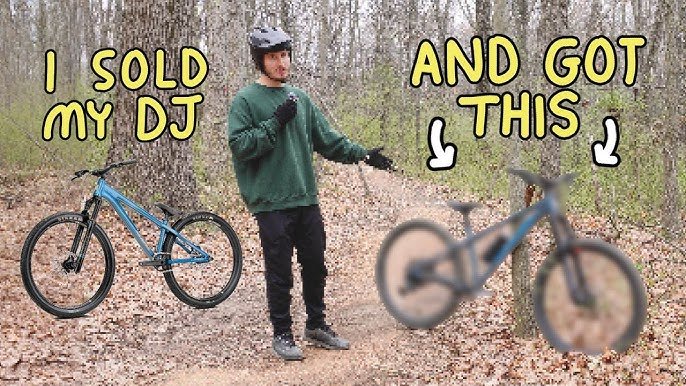
Ready to take your dirt jump bike skills to the next level? Learning how to do tricks on a dirt jump bike isn’t just about showing off—it’s about mastering control, boosting your confidence, and having a blast every time you hit the dirt.
Whether you’re new to dirt jumping or looking to add cool moves to your routine, this guide will walk you through simple steps that make tricky tricks feel natural. Stick with me, and you’ll soon be landing jumps that turn heads and push your limits.
Let’s get started!
Choosing The Right Dirt Jump Bike
Picking the right dirt jump bike helps you learn tricks faster. The right bike fits your style and skill level.
Look at the frame, suspension, tires, wheels, brakes, and gearing. These parts affect how you jump and land.
Frame And Suspension
The frame should be strong and light for easy control. Most dirt jump bikes use aluminum or steel frames.
Suspension helps absorb shocks from landing. A front suspension fork with 80-100mm travel is common.
- Aluminum frames are light and stiff
- Steel frames are heavier but very durable
- Front suspension softens landings
- Too much suspension can make tricks harder
Tires And Wheels
Choose tires with good grip for dirt surfaces. Tires should be wide enough for stability but not too heavy.
Strong wheels prevent damage from hard landings. Look for double-wall rims and sturdy spokes.
- 2.3 to 2.5 inch tire width works well
- Tread pattern should match dirt or loose soil
- Double-wall rims add strength
- Spokes should be thick and tight
Brakes And Gearing
Brakes must stop you quickly but smoothly. Hydraulic disc brakes are reliable for dirt jumping.
Gearing is simple for dirt jump bikes. Many riders use a single speed to reduce weight and maintenance.
- Hydraulic disc brakes offer strong stopping power
- Mechanical disc brakes work but need more upkeep
- Single speed setups are common
- Fewer gears mean less chance of problems
Essential Safety Gear
Doing tricks on a dirt jump bike is fun but can be risky. Wearing the right safety gear helps protect you from injuries.
Always use safety equipment to keep yourself safe during jumps and tricks.
Helmet And Pads
A helmet is the most important gear. It protects your head from serious damage if you fall.
Pads protect your knees and elbows. They cushion falls and prevent cuts or bruises.
- Use a full-face helmet for better protection.
- Choose knee pads that fit snugly but allow movement.
- Elbow pads should cover your joints fully.
- Check all gear before riding to ensure it is secure.
Gloves And Protective Clothing
Gloves give you a better grip on the handlebars. They also protect your hands from scrapes and blisters.
Wear long sleeves and pants made from tough fabric. This clothing protects your skin from scratches and dirt.
- Pick gloves with padded palms for comfort.
- Use breathable fabrics to stay cool.
- Wear clothes that fit well to avoid snagging.
- Consider protective jackets for extra safety.
Basic Bike Setup And Maintenance
Doing tricks on a dirt jump bike needs a well-kept bike. Basic setup and maintenance keep your bike safe and ready.
Check your bike often. Small fixes stop big problems and help you ride better on dirt jumps.
Adjusting Tire Pressure
Tire pressure affects how your bike handles jumps and landings. Too high pressure gives a hard ride. Too low makes it slow and easy to pinch flats.
- Check tire pressure before each ride.
- Use a reliable pump with a pressure gauge.
- Lower pressure for soft dirt or rough landings.
- Higher pressure for smooth trails and faster speed.
- Keep pressure in the range recommended on the tire sidewall.
Checking Brakes And Chain
Strong brakes and a smooth chain keep you safe and in control. Check them often for wear and tightness.
| Part | What to Check | How Often |
| Brakes | Pad wear, lever feel, cable tightness | Before every ride |
| Chain | Rust, stretch, dirt build-up | Weekly or after muddy rides |
Lubrication Tips
Lubricate your chain and moving parts to reduce friction. Proper lubrication helps parts last longer and work smoothly.
- Clean the chain before applying lube.
- Use bike-specific lubricants, not oil or grease.
- Apply lube evenly on the chain links.
- Wipe off excess lube to avoid dirt build-up.
- Lubricate other moving parts like derailleur pivots and brake levers regularly.

Credit: www.youtube.com
Fundamental Riding Techniques
Doing tricks on a dirt jump bike needs good riding skills. You must learn how to control your bike well. This guide covers basic techniques to help you start.
Focus on your body, speed, and balance. These are key to riding safely and landing tricks smoothly.
Body Positioning
Your body position changes how your bike moves. Keep your knees bent and body low. This helps absorb shocks and stay stable.
Lean slightly forward when you jump. Keep your arms and legs loose but ready to control the bike. Look ahead, not down.
- Bend knees and elbows for shock absorption
- Keep your weight centered over the bike
- Look forward to plan your landing
Speed Control
Speed affects your jump height and distance. Ride at a steady speed that matches the size of the jump. Too slow and you won’t clear the jump. Too fast can cause loss of control.
Practice slowing down and speeding up smoothly. Use your brakes gently before jumps to adjust your speed.
- Keep a steady speed for each jump
- Brake gently to control speed before the jump
- Adjust speed based on jump size and landing area
Balance And Coordination
Balance helps you stay on the bike during tricks. Use your body to keep the bike steady in the air. Small shifts in weight can change your direction.
Practice riding on different surfaces to improve coordination. Keep your eyes on where you want to go. Use your arms and legs to guide the bike smoothly.
- Keep your body relaxed but ready to move
- Shift weight to control the bike in the air
- Look at your landing spot to guide your bike
Approaching The Jump
Doing tricks on a dirt jump bike starts with a good approach. How you ride up to the jump affects your control and balance.
Keep your focus and stay relaxed. This helps you prepare for the trick you want to try.
Line Selection
Choose a smooth and clear path to the jump. Avoid rocks, roots, or bumps that can throw you off.
Pick a line that lets you build speed evenly. A straight line is best for control and balance.
- Look ahead to spot obstacles
- Pick a path with firm ground
- Stay in the center of the trail
Timing Your Approach
Keep a steady speed as you get closer to the jump. Too fast or too slow can make tricks harder.
Start your movement for the trick just before you leave the lip of the jump. This helps with control in the air.
- Ride smoothly without sudden brakes
- Use your legs to absorb bumps
- Begin tricks at the jump’s edge
Building Confidence
Practice smaller jumps before trying big tricks. This helps you feel safe and ready.
Focus on steady riding and control. Confidence grows with each good ride.
- Start with easy jumps
- Repeat approaches to get comfortable
- Visualize your trick before riding
Executing The Jump
Doing tricks on a dirt jump bike starts with a good jump. You need to control the bike from start to finish. This section shows how to execute the jump well.
Focus on your body position and timing. Each part of the jump needs your full attention to land safely and perform tricks.
Pumping The Bike
Pumping the bike means pushing down and pulling up at the right time. It helps you gain speed without pedaling hard. Use your legs and arms to push into the jump’s curve.
- Stand with knees and elbows slightly bent.
- Push down as you go down the ramp.
- Pull up as you reach the jump’s lip.
- Keep your weight centered over the bike.
Lifting Off The Lip
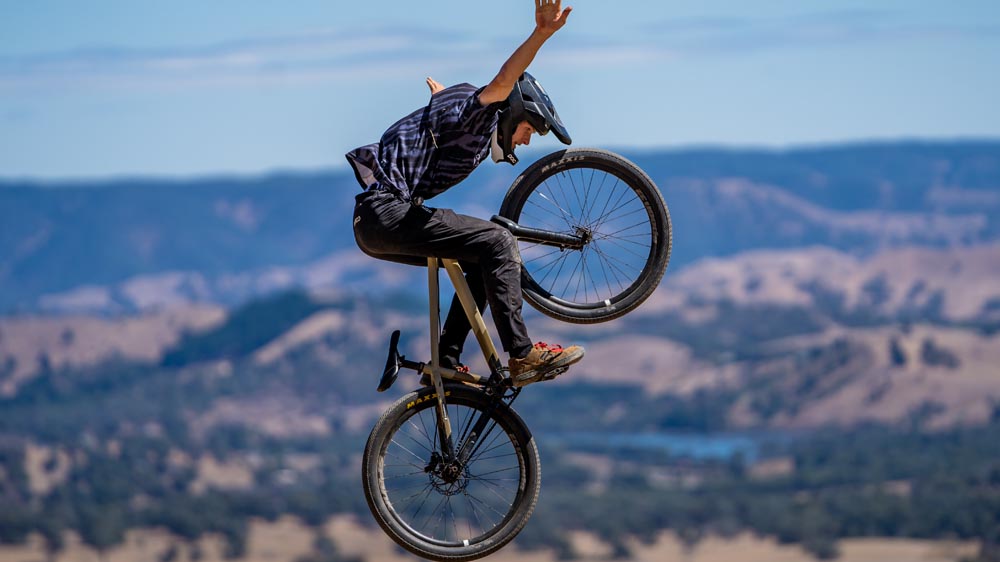
Lifting off the lip is the moment you leave the jump’s edge. Timing is key. You want to lift the front wheel first, then the back wheel follows smoothly.
| Action | Tip |
|---|---|
| Lean forward | Prepare to lift the front wheel |
| Pull handlebars up | Lift front wheel over the lip |
| Shift weight back slightly | Raise back wheel smoothly |
| Keep eyes ahead | Focus on landing spot |
Mid-air Control
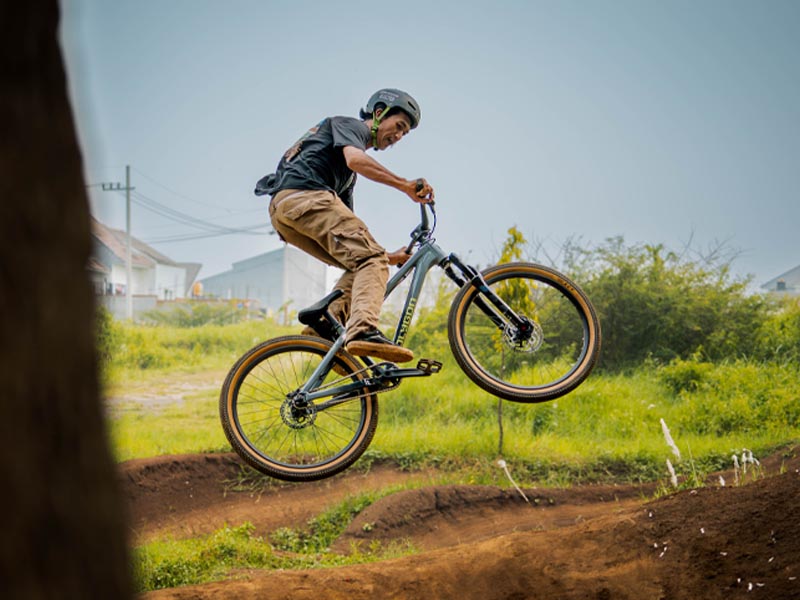
Once in the air, control your bike to keep balance and prepare for landing. Use your body and hands to adjust the bike’s position.
Here are some tips for mid-air control:
- Keep your arms and legs flexible, not stiff.
- Use small movements to adjust the bike’s angle.
- Look where you want to land, not down.
- Prepare to absorb shock with knees on landing.
Landing Smoothly
Landing smoothly is key for dirt jump bike tricks. It helps you keep control and avoid injury.
Focus on your body position and bike handling to reduce impact. Practice these skills for safer landings.
Spotting The Landing
Look ahead to where you will land. This helps you prepare your body and bike for impact.
Keep your eyes on the landing zone throughout the jump. This improves balance and timing.
Absorbing Impact
Use your legs and arms as natural shock absorbers. Bend your knees and elbows when landing.
- Keep your body loose and relaxed
- Bend knees deeply to absorb shock
- Use arms to control the handlebars
- Shift your weight slightly back
- Roll with the landing to reduce force
Maintaining Speed
| Action | Why It Helps |
| Keep pedaling before landing | Maintains momentum and balance |
| Lean forward slightly | Prevents sudden stops |
| Focus on smooth body movement | Keeps speed steady |
| Look ahead to next obstacle | Prepares you for continued riding |
Credit: www.polygonbikes.com
Basic Tricks To Try
Dirt jump biking is fun and exciting. Learning some basic tricks can make your rides more enjoyable.
Start with simple tricks that build your control and confidence on the bike. Here are three easy tricks to try.
Bunny Hop
The bunny hop helps you jump over obstacles without a ramp. It is a key skill for dirt jump biking.
To do a bunny hop, pull up the handlebars and lift the bike off the ground. Use your legs to bring the bike up too.
- Stand on pedals with knees bent
- Pull handlebars up firmly
- Lift rear wheel by pushing down and pulling up
- Level the bike in the air
- Land softly with knees bent
Manual
A manual is like a wheelie but without pedaling. It helps you control your bike on jumps and trails.
Shift your weight back and pull the front wheel up. Keep your legs straight and balance on the rear wheel.
- Start rolling at a slow speed
- Shift weight to your back wheel
- Pull up the handlebars without pedaling
- Keep your body balanced over the rear wheel
- Practice holding the manual for longer
180 Spin
The 180 spin turns your bike halfway around in the air. It is a fun trick for dirt jumps and ramps.
Jump off a ramp and turn your handlebars and body in the air. Land facing the opposite direction.
- Approach the jump straight and steady
- As you leave the ramp, start turning your head and shoulders
- Use your arms to rotate the handlebars 180 degrees
- Bring your legs and bike around with your body
- Spot your landing and prepare to land smoothly
Advanced Tricks And Progressions
Doing tricks on a dirt jump bike takes skill and practice. Advanced tricks need good control and balance.
Focus on one trick at a time. Build your skills step by step to progress safely.
360 Spin
A 360 spin means turning your bike fully in the air. It requires strong jumping and good timing.
- Start with small jumps to practice turning your body.
- Use your shoulders and head to lead the spin.
- Keep your eyes on the landing spot as you spin.
- Land with your pedals level to keep balance.
- Try bigger jumps as you get more confident.
Tailwhip
A tailwhip spins the bike frame around the handlebars. It needs strong foot control and timing.
| Key Elements | Description |
| Jump | Get enough height to spin the frame. |
| Kick | Use your back foot to kick the frame sideways. |
| Catch | Catch the frame with your feet before landing. |
| Balance | Stay centered over the bike during the spin. |
Barspin
A barspin means spinning the handlebars 360 degrees in the air. It needs quick hands and steady arms.
Follow this checklist to learn a barspin:
- Jump straight up with good height.
- Let go of the grips with your hands.
- Spin the bars fully around once.
- Catch the bars before landing.
- Keep elbows bent for control.
Training Tips And Practice Routine
Doing tricks on a dirt jump bike takes practice and focus. You need to train your body and skills regularly.
Building a good routine helps you improve safely and enjoy riding more. Here are tips to help you train well.
Drills For Skill Improvement
Practicing small drills helps you learn control and balance. Focus on one skill at a time to get better.
Try drills that build your jumping, landing, and bike handling skills.
- Practice bunny hops to lift your bike off the ground
- Work on manual balance by riding on the back wheel
- Jump off small ramps to improve landing control
- Do track stands to increase your bike stability
Building Strength And Flexibility
Strong muscles and flexible joints help you control the bike better. They also reduce injury risk.
Include exercises that improve your legs, core, and arms. Stretch daily to stay flexible.
- Do squats and lunges to strengthen your legs
- Use planks and sit-ups for core stability
- Practice push-ups for arm and shoulder strength
- Stretch hamstrings, quads, and back muscles
Tracking Your Progress
Keep a record of your practice sessions and the tricks you try. This helps you see your growth over time.
Note what works well and what needs more practice. Set small goals for each week.
- Write down which tricks you practiced and how often
- Record videos to watch your technique
- Set weekly goals for new skills or longer practice times
- Review your notes and adjust your routine as needed
Common Mistakes To Avoid
Doing tricks on a dirt jump bike can be fun and thrilling. Many beginners make simple mistakes that cause crashes or injuries. Learning what to avoid helps you ride safer and better.
Below are some common errors riders make. Fixing these will improve your control and confidence on the bike.
Overcommitting On Jumps
Riders often push too hard on jumps by trying tricks that are beyond their skill level. This leads to losing control or falling. It is better to practice smaller jumps first.
- Do not try tricks too soon or too big
- Focus on smooth takeoff and landing
- Keep your speed steady and controlled
- Learn to feel the bike’s balance in the air
- Build confidence step by step
Poor Body Position
Your body position affects how you handle the bike. Leaning too far forward or backward makes jumps unsafe. Keep your weight centered and knees slightly bent.
| Common Position Mistake | Correct Position |
| Leaning too far forward | Stay centered over the bike |
| Stiff legs on landing | Keep knees bent to absorb impact |
| Hands gripping too tight | Relax your grip for better control |
| Head down looking at ground | Look ahead to see the landing spot |
Ignoring Safety Measures
Safety is very important while doing dirt jump tricks. Many riders skip wearing protective gear or checking their bike. This increases the risk of injury.
- Always wear a helmet and pads
- Check brakes and tires before riding
- Ride in areas meant for dirt jumping
- Practice with a spotter or friend
- Know your limits and stop if tired
Finding Dirt Jump Communities And Spots
Learning tricks on a dirt jump bike is easier with the right community and places. Finding spots to practice helps you improve faster.
Joining groups and going to events connects you with other riders. This makes riding more fun and safe.
Local Dirt Jump Parks
Local dirt jump parks are great places to learn and practice tricks. They often have built jumps and safe areas for riders.
These parks bring riders of all levels together. You can watch others, ask questions, and get tips.
- Check city or county park websites for dirt jump parks
- Look for bike shops that know local spots
- Visit parks early to avoid crowds
Online Forums And Groups
Online forums and social media groups help you find dirt jump communities near you. People share tips, spots, and advice.
Joining these groups lets you ask questions and see where others ride. You can also find meetups and rides.
- Search for dirt jump bike groups on Facebook or Reddit
- Use apps like Strava to find popular riding spots
- Follow local riders on Instagram for updates
Events And Competitions
Events and competitions are good for meeting riders and finding new spots. They often happen at popular dirt jump parks.
These events help you see different riding styles and learn new tricks. They also motivate you to practice more.
- Look for local dirt jump contests or festivals
- Attend bike expos with dirt jump demos
- Join community rides announced in forums
Credit: www.polygonbikes.com
Frequently Asked Questions
How Do I Start Learning Tricks On A Dirt Jump Bike?
Begin with mastering basic jumps and bike control on small ramps. Practice balance and landing techniques consistently before progressing to advanced tricks.
What Safety Gear Is Essential For Dirt Jump Biking?
Always wear a full-face helmet, gloves, knee and elbow pads, and sturdy shoes. Proper gear prevents injuries during falls and improves confidence.
Which Bike Features Help In Performing Tricks Better?
Look for a lightweight frame, strong suspension, and responsive brakes. These features provide better control and stability during jumps and tricks.
How Can I Improve Airtime On Dirt Jump Bike Tricks?
Focus on speed, timing your jump correctly, and body positioning. Pulling up the bike while airborne increases hang time and trick execution.
Conclusion
Riding a dirt jump bike is thrilling and rewarding. Practice each trick with patience. Safety always comes first, so wear proper gear. Start with simple tricks and gradually try harder ones. Consistent practice builds confidence and skill. Enjoy the process and have fun on your bike.
Share your experiences with friends and inspire others to ride. Remember, the journey is as exciting as the tricks. Stay safe and keep riding.



