
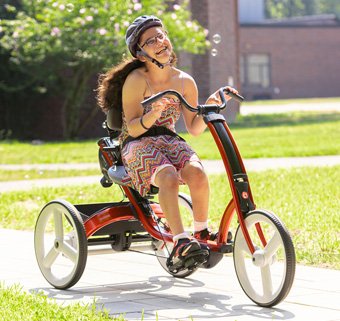
Are you looking for the best adaptive bike recommended by therapists to support your mobility and independence? Choosing the right adaptive bike can make a huge difference in comfort, safety, and how much you enjoy riding.
Therapists have deep knowledge about what works best for different needs, and their recommendations can guide you to the perfect fit. You’ll discover which adaptive bikes therapists trust and why they suggest them. Keep reading to find the bike that can help you move with confidence and freedom every day.

Credit: www.rifton.com
Benefits Of Adaptive Bikes
Adaptive bikes help people with different abilities enjoy riding. Therapists often recommend these bikes for many reasons.
These bikes support physical health, independence, and confidence. They are designed to fit the rider’s specific needs.
Enhancing Mobility And Independence
Adaptive bikes help users move around more easily. They give people the chance to explore their environment on their own.
Riding a bike improves balance and coordination. It also helps users become more self-reliant in daily activities.
- Improves muscle strength
- Encourages regular physical activity
- Supports independent travel
Supporting Physical Therapy Goals
Therapists use adaptive bikes to meet therapy goals. Bikes help increase endurance and improve motor skills.
These bikes offer a safe way to practice movements. They make therapy sessions more fun and engaging.
- Builds cardiovascular fitness
- Improves joint mobility
- Encourages repetitive motion for muscle memory
Boosting Confidence And Social Interaction
Riding adaptive bikes helps users feel proud and confident. It gives them a chance to join group activities.
Using these bikes can reduce feelings of isolation. They help users make friends and enjoy outdoor activities.
- Encourages teamwork and play
- Builds self-esteem through achievement
- Creates opportunities for social outings
Credit: www.rifton.com
Key Features Therapists Look For
Adaptive bikes help people with special needs enjoy riding safely. Therapists choose bikes with features that support comfort and control.
These features make sure the bike fits well, stays stable, and is easy to use. This helps users gain confidence and improve skills.
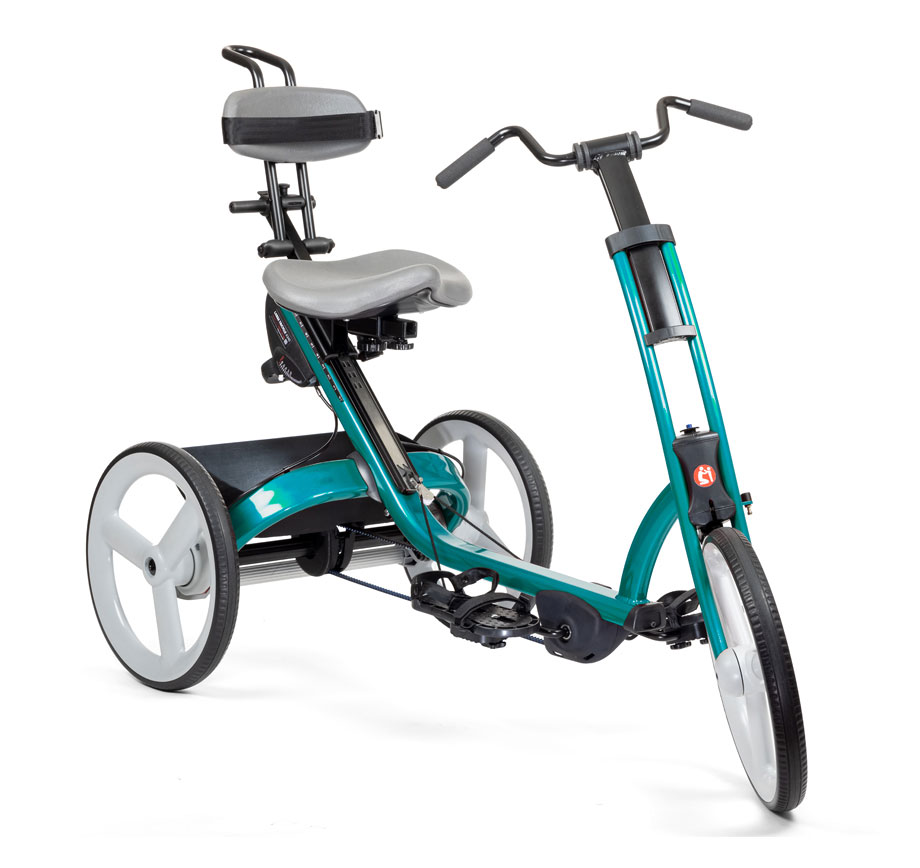
Adjustability And Custom Fit
Therapists look for bikes that adjust to the rider’s size and needs. Proper fit reduces discomfort and prevents injuries.
Adjustable seats, handlebars, and pedals help make the bike just right for each person. This allows growth and long-term use.
- Seat height and angle adjustments
- Handlebar position changes
- Pedal size and strap options
- Frame size variety
Safety And Stability
Safety is a top priority. Therapists choose bikes with features that keep riders secure and balanced.
Wide wheels and a low center of gravity help prevent falls. Strong brakes and durable frames add extra protection.
- Wide, non-slip tires
- Strong hand or foot brakes
- Low center of gravity design
- Sturdy frame materials
Ease Of Use And Accessibility
Therapists pick bikes that are simple to use. Easy controls and lightweight parts help riders and caregivers.
Features like step-through frames and quick-release parts make the bike more accessible for all users.
- Simple gear and brake controls
- Lightweight frames for easy handling
- Step-through frame designs
- Quick-release wheels and seats
Top Adaptive Bikes Recommended
Adaptive bikes help people with different abilities enjoy cycling safely. Therapists suggest specific types based on mobility needs and comfort.
This guide covers four popular adaptive bike types recommended by therapists for various users.
Recumbent Trikes
Recumbent trikes have three wheels and a laid-back seat. They provide good back support and stability.
These bikes suit people with balance or posture issues. They allow for a comfortable riding position.
- Three wheels improve balance
- Low seat reduces pressure on joints
- Easy to pedal and steer
Three-wheel Bikes
Three-wheel bikes offer more balance than regular bikes. They come in both upright and recumbent styles.
Therapists recommend these for people with weak core strength or poor balance. They provide extra stability.
- Stable ride on uneven surfaces
- Supports riders with limited balance
- Some models have adjustable seats
Hand Cycles
Hand cycles use hand pedals instead of foot pedals. They are ideal for people with lower limb disabilities.
These bikes help build upper body strength and improve cardiovascular health. They come in many styles.
- Operated by hand cranks
- Used by people with leg impairments
- Can be manual or electric-assisted
Tandem Adaptive Bikes
Tandem adaptive bikes allow two riders to cycle together. One rider can assist the other with pedaling.
Therapists suggest these bikes for people who need extra help or social interaction while cycling.
- Two seats and sets of pedals
- Supports riders with limited strength
- Encourages teamwork and balance
Choosing The Right Bike For Different Needs
Adaptive bikes help people with different abilities enjoy riding safely. Picking the right bike depends on the rider’s needs and skills.
Therapists often guide families and individuals to find the best bike. This ensures comfort, safety, and fun for every rider.
For Children With Special Needs
Children with special needs may require bikes that offer extra support and stability. These bikes help improve balance and coordination.
Therapists suggest bikes with features like harnesses, wide seats, and low frames. These help children feel secure while riding.
- Tricycles with adjustable seats and handlebars
- Three-wheeled bikes for better balance
- Bikes with foot straps or pedals that stop easily
- Lightweight frames for easy handling
For Adults With Mobility Challenges
Adults with limited movement need bikes that support their strength and ability. Stability and comfort are key features.
Therapists often recommend bikes with extra support like three or four wheels. Electric assist options can help with longer rides.
- Recumbent tricycles for a relaxed seating position
- Handcycles for those with lower body mobility issues
- Bikes with wider tires for steady rides
- Electric bikes for added power and less effort
For Seniors And Rehabilitation
Seniors and those in rehab need bikes that promote safety and gentle exercise. These bikes help build strength and confidence.
Therapists recommend bikes that are easy to mount and have good balance. Comfort features reduce strain during use.
- Tricycles with step-through frames for easy access
- Adjustable seats and handlebars for comfort
- Stable, wide wheels for secure riding
- Simple braking systems for safety
Tips For Getting Started With Adaptive Biking
Adaptive bikes help people with different needs enjoy biking safely. They support balance and mobility. Therapists often suggest the best types for each person.
Starting with adaptive biking needs care and patience. Some tips can make the process smoother and more effective.
Consulting With A Therapist
A therapist knows your physical needs and limits. They can recommend the right adaptive bike model for you. This helps avoid injuries and frustration.
Share your goals and concerns with the therapist. They may suggest specific features like extra support or easy controls.
- Discuss your mobility and strength levels
- Explain your daily activity needs
- Ask about safety features
- Request advice on bike size and type
Trial And Adjustment Period
Trying the bike is important before regular use. This period helps find the best fit and comfort. Adjustments may be needed on the seat, pedals, or handles.
Take your time to get used to the bike. Small changes can make a big difference in how well you ride.
- Test the bike in a safe area
- Check if all parts feel comfortable
- Adjust seat height and pedal position
- Practice steering and braking
- Ask for help from your therapist during trials
Incorporating Adaptive Bikes Into Therapy
Adaptive bikes can be part of a therapy plan. Therapists use biking to improve strength, balance, and coordination. It also motivates patients to be active.
Work with your therapist to set biking goals. Regular sessions help track progress and adjust exercises.
- Include biking in daily or weekly therapy routines
- Use biking to build endurance and muscle control
- Combine biking with other exercises for better results
- Monitor your comfort and ability during rides
- Update therapy goals as you improve
Where To Buy And Rent Adaptive Bikes
Adaptive bikes help people with physical challenges enjoy cycling. Therapists recommend different types based on needs. Finding the right place to buy or rent is important.
This guide explains where to get adaptive bikes from specialty stores, online shops, and community programs.
Specialty Retailers
Specialty retailers focus on adaptive and therapeutic equipment. They offer expert advice and custom fittings. You can see and try bikes before buying.
These stores usually stock different models for various needs. Staff can help you choose the best adaptive bike for balance and strength.
- Local medical supply stores
- Adaptive sports shops
- Bike shops with therapy equipment sections
Online Options
Online stores offer a wide range of adaptive bikes. You can compare models, prices, and reviews easily. Many sites provide detailed product descriptions and videos.
Some online shops also rent adaptive bikes for short-term use. Check shipping policies and return options before buying online.
- Specialty adaptive bike websites
- Major e-commerce platforms with adaptive gear
- Online rental services for therapy equipment
Community And Therapy Programs
Many community centers and therapy programs offer adaptive bike rentals. These programs support therapy and recreation for people with disabilities.
Therapists often work with these programs to provide the right bike. Renting can be a good way to try different adaptive bikes before buying.
- Local therapy and rehabilitation centers
- Adaptive sports clubs and organizations
- Nonprofits offering equipment loans or rentals
Credit: www.rifton.com
Frequently Asked Questions
What Types Of Adaptive Bikes Do Therapists Recommend?
Therapists often recommend tricycles, recumbent bikes, and tandem bikes. These provide stability, support, and customized options for different abilities.
How Do Adaptive Bikes Benefit Therapy Patients?
Adaptive bikes improve balance, coordination, and muscle strength. They also enhance cardiovascular health and promote independence in daily activities.
Which Features Should I Look For In Adaptive Bikes?
Look for adjustable seats, easy-to-use brakes, and sturdy frames. Comfort and safety features are essential for effective therapy sessions.
Are Electric Adaptive Bikes Suitable For All Users?
Electric bikes assist with pedaling, making them ideal for users with limited strength. However, therapist guidance is important for proper selection.
Conclusion
Adaptive bikes offer great benefits for therapy and mobility. Therapists recommend options that cater to individual needs. These bikes help improve physical and mental well-being. They provide support and independence for users. Choosing the right bike enhances the therapy experience.
It’s important to consult with professionals when selecting a bike. This ensures the best fit and functionality. Adaptive bikes can transform lives by promoting active lifestyles. Users enjoy improved health and happiness. Investing in the right bike brings long-term rewards.
So, explore different options and find the perfect adaptive bike today.



