
Choosing the perfect bike can feel overwhelming, especially if you’re a petite woman. You want a bike that fits your body, feels comfortable, and helps you ride with confidence.
But how do you know if a bike is truly right for you? The wrong size or style can make riding frustrating or even unsafe. This guide will help you spot the signs of a bike that suits your frame perfectly, so you can enjoy every ride without discomfort or doubt.
Keep reading to discover the key factors that will help you find your ideal bike match.
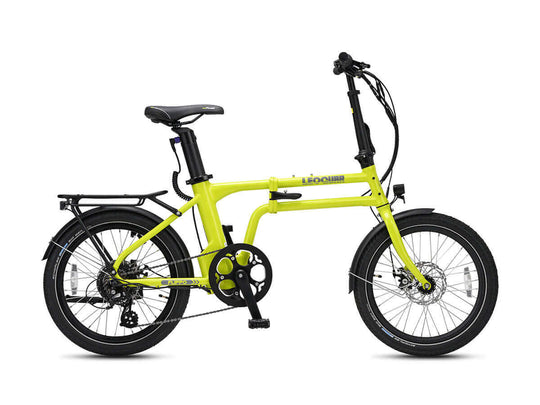
Credit: leoguarbikes.com
Choosing The Right Frame Size
Finding the right bike frame size is key for petite women. It helps ensure comfort and control while riding.
A properly sized frame reduces strain on the body and improves riding efficiency. This guide covers important steps.
Measuring Inseam Length
Measure your inseam to know your ideal bike frame size. Stand straight with your feet 6 inches apart.
Place a book between your legs, pressing it gently upward. Measure from the floor to the top of the book.
- Use a tape measure for accuracy
- Wear shoes similar to what you will use when riding
- Repeat measurement two or three times
- Use the longest measurement for frame sizing
Frame Size Charts For Petite Women
Frame size charts help match inseam length to the correct bike frame. Sizes may vary by brand and type.
| Inseam Length (inches) | Recommended Frame Size (inches) |
| 24 – 26 | 13 – 14 |
| 27 – 29 | 15 – 16 |
| 30 – 32 | 17 – 18 |
Adjusting Frame Geometry
Adjusting the bike’s frame geometry improves fit for petite riders. Key areas include handlebar height and seat position.
- Raise or lower the seat to match leg length
- Adjust handlebar height to reduce reach
- Shorten the stem for better control
- Use smaller grips for comfortable hand placement
Types Of Bikes Suitable For Petite Riders
Finding the right bike for petite women means choosing models with smaller frames. The bike should fit well to avoid discomfort and improve control.
Some bike types work better for shorter riders. These bikes offer better size options and easier handling.
Road Bikes
Road bikes for petite riders have smaller frames and shorter top tubes. This helps with reach and comfort during rides.
Look for bikes with compact geometry. These bikes often come with narrower handlebars and shorter stems to fit smaller hands and arms.
- Smaller frame sizes (44-49 cm)
- Compact frame design for easier reach
- Narrow handlebars for better grip
Mountain Bikes
Mountain bikes made for petite women have lower stand-over heights. This allows for easier mounting and better control on rough trails.
These bikes often come with shorter seat tubes and adjustable components. They help riders find the right fit and improve comfort.
- Small frame sizes (13-15 inches)
- Lower stand-over height for easy mounting
- Adjustable seat posts and handlebars
Hybrid Bikes
Hybrid bikes combine features of road and mountain bikes. Petite riders benefit from their upright riding position and smaller frames.
These bikes usually have shorter top tubes and narrower handlebars. They are good for city riding and light trails.
- Small frame sizes (13-16 inches)
- Upright seating for comfort
- Narrower handlebars for control
Key Bike Features For Petite Women
Choosing the right bike is important for petite women. A bike that fits well offers comfort and better control. Some features help small riders feel balanced and safe.
Focus on parts like the handlebar, saddle, and pedals. These affect how the bike feels and rides. Adjustments can make a big difference for shorter riders.
Handlebar Reach And Height
Handlebar reach is the distance from the saddle to the handlebar. Petite riders need shorter reach for comfort. Handlebar height should be easy to reach without stretching.
- Look for handlebars that adjust in height
- Choose narrower handlebars for better control
- Consider stems with shorter reach
- Test different positions for comfort
Saddle Adjustments
The saddle height must allow the rider to touch the ground with their feet. It should support proper leg extension when pedaling. Saddles come in different shapes and sizes for comfort.
| Adjustment | Purpose |
| Saddle Height | Ensures feet reach ground and legs extend |
| Saddle Tilt | Prevents sliding forward or backward |
| Saddle Fore-Aft | Positions the body over pedals |
Pedal Positioning
Pedal position affects how the legs move and the rider’s balance. Pedals should align with the feet for better power and less strain. Petite women may need pedals closer to the bike’s center.
Tips for pedal positioning:
- Use pedals with adjustable straps for secure foot placement
- Check if the crank length fits leg size; shorter cranks suit smaller riders
- Make sure pedals clear the ground when turning
Test Riding Tips
Test riding helps petite women find the right bike size. It lets you check if the bike feels good and fits well.
Focus on comfort, control, stability, and how easy it is to handle the bike during the ride.
Checking Comfort And Control
Make sure you can sit on the seat with your feet flat on the ground. This helps you feel safe and balanced.
Hold the handlebars and check if your arms are relaxed. Avoid stretching too far or feeling cramped.
- Seat height should allow slight bend in knees when pedaling
- Handlebars should be easy to reach without strain
- Body should feel upright, not hunched or stretched
Assessing Bike Stability
Push the bike forward and stop to see how steady it feels. A stable bike feels solid and does not wobble.
Try standing still on the bike with one foot on a pedal and the other on the ground. You should feel balanced.
- Check if the bike stays upright when you stop
- Make small turns to test balance at low speed
- Feel if the bike’s weight is easy to handle
Evaluating Maneuverability
Ride the bike in a small circle or figure eight. This shows how well you can steer and control turns.
Try quick stops and starts to see if the bike responds easily without feeling heavy or slow.
- Turn the handlebars smoothly without extra effort
- Test braking to feel confident and in control
- Notice if the bike moves with your body easily
Customizing For Better Fit
Finding a bike that fits petite women can be tough. Customizing parts helps improve comfort and control.
Small changes can make a big difference in how a bike feels and performs for shorter riders.
Aftermarket Components
Aftermarket parts help adjust the bike to fit better. These parts replace the stock ones with sizes made for smaller riders.
- Shorter stems to bring handlebars closer
- Narrower handlebars for better reach
- Smaller saddles for comfort
- Shorter seat posts to lower the seat height
- Compact pedals for easier foot placement
Professional Bike Fitting
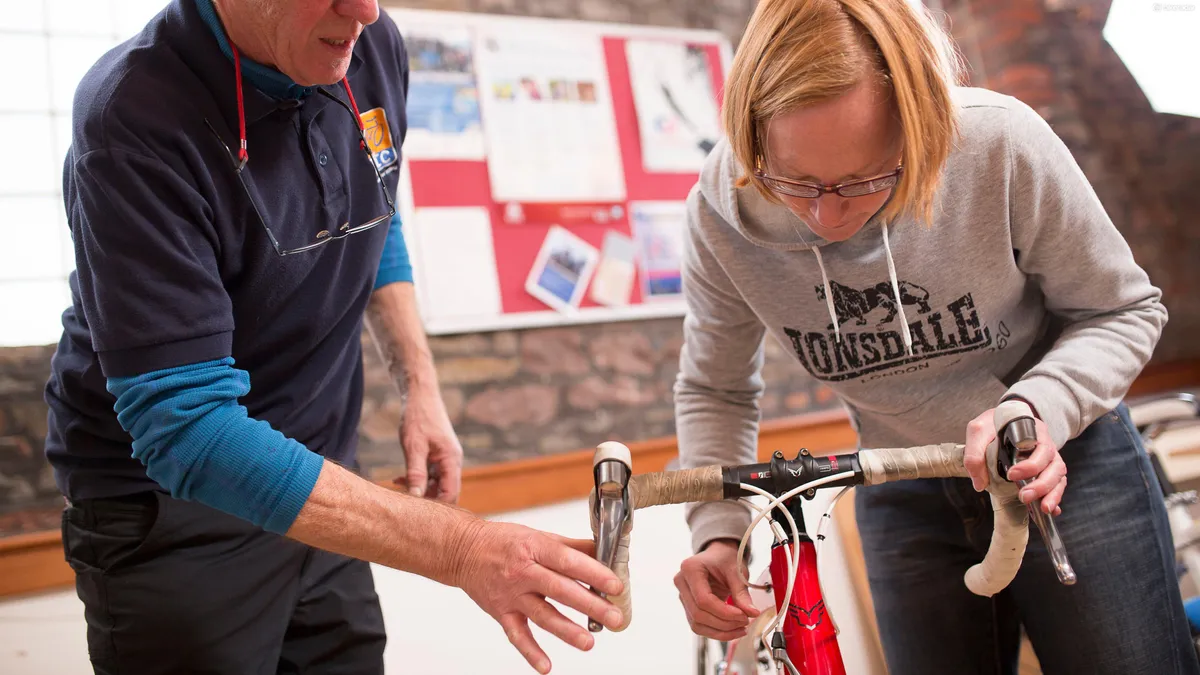
A professional bike fitting can find exact adjustments for your body. Fit experts use tools to measure your size and riding style.
| Fit Step | What It Does |
| Measure Inseam | Sets correct seat height |
| Adjust Handlebar Reach | Improves comfort and control |
| Check Saddle Position | Reduces pressure and pain |
| Set Cleat Placement | Helps pedal efficiency |
Adjusting Accessories
Accessories on the bike can be changed to fit smaller frames better. Adjusting or swapping them improves riding experience.
- Lower brake levers for easy reach
- Replace grips with smaller diameter options
- Use shorter or adjustable seat posts
- Install clipless pedals sized for smaller shoes
- Choose lightweight accessories to reduce bike weight
Credit: www.bikeradar.com
Common Mistakes To Avoid
Choosing the right bike size matters, especially for petite women. Picking the wrong bike can cause discomfort and poor riding experience.
Learn about common errors to avoid. This helps find a bike that fits well and feels good to ride.
Choosing Too Large Frames
Many petite women pick bikes with frames that are too big. This makes it hard to reach the ground or control the bike. A large frame can cause back or knee pain.
Look for frames designed for smaller riders. The right frame size improves comfort and safety.
Ignoring Adjustability Options
Adjustability is key for a good fit. Some riders skip checking if seat height or handlebar position can be changed. This limits how well the bike fits your body.
- Adjust the seat height for leg comfort.
- Move handlebars to avoid strain on shoulders.
- Choose bikes with adjustable stems and seat posts.
These options help customize the bike to your size and shape.
Overlooking Riding Style
| Riding Style | Bike Features to Check |
|---|---|
| City Riding | Comfortable seat, upright handlebars |
| Trail Riding | Durable frame, good suspension |
| Road Cycling | Light frame, aerodynamic position |
Pick a bike that matches how you will ride. The wrong style can cause discomfort or poor performance.

Credit: nakto.com
Frequently Asked Questions
How To Measure If A Bike Fits Petite Women?
Measure your inseam and height accurately. Compare these with the bike’s frame size. A correct fit ensures comfort and control.
What Bike Types Suit Petite Women Best?
Compact frames like road, hybrid, and mountain bikes with adjustable features suit petite women well. They offer better handling.
How Important Is Seat Height For Petite Riders?
Seat height is crucial. It allows proper leg extension and prevents discomfort. Adjust the seat to match your leg length.
Can Petite Women Ride Standard Bike Frames Safely?
Yes, if the frame size and geometry fit well. Proper adjustments to handlebars and seat improve safety and comfort.
Conclusion
Finding the right bike for petite women matters. Comfort and fit are essential. Test different bikes for the best feel. Consider frame size and seat height. Check handlebar reach and overall weight. These factors ensure a better riding experience. Visit local bike shops for personalized advice.
Ask questions, get expert opinions. Try before buying, if possible. Remember, a well-fitted bike boosts confidence and enjoyment. Enjoy cycling with the perfect match. Feel free and safe on your chosen ride. Happy biking!



