
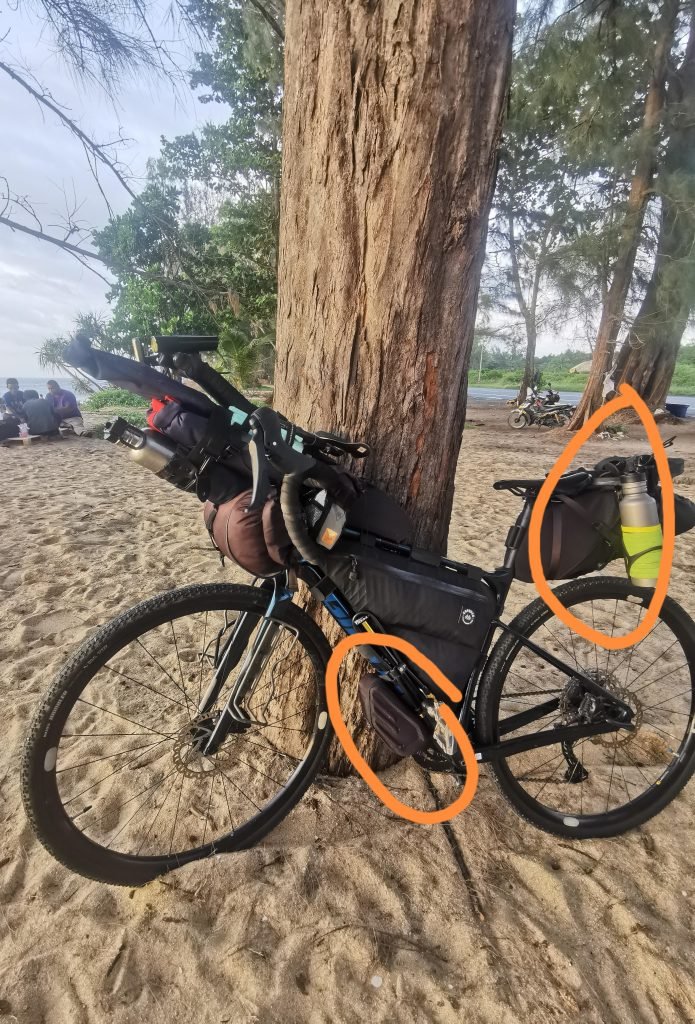
Imagine riding through stunning trails, feeling the freedom of the open road, but then—your gear starts rattling loudly with every bump. That noise isn’t just annoying; it can distract you, wear out your equipment, and even make your ride less safe.
If you want to keep your focus on the adventure and not on fixing loose bags or noisy packs, this guide is for you. You’ll discover simple, practical tips to stop gear rattling during your bikepacking rides, so you can enjoy every mile with peace of mind and confidence.
Ready to silence that rattle and ride smoother? Let’s dive in.
Causes Of Gear Rattling
Gear rattling can disturb your bikepacking ride. It makes noise and can damage your equipment. Knowing the causes helps you stop it early.
Several factors cause gear to rattle on your bike. These include how you pack, attach bags, and balance your load. Using the right accessories also matters.
Loose Packing Techniques
Packing your gear loosely allows items to move inside the bag. This movement causes noise and can wear out your equipment. Tight packing reduces empty space and limits shaking.
- Fill gaps with soft items like clothes
- Compress gear with straps or packing cubes
- Avoid overpacking to prevent bulges
- Secure small items in pouches
Improper Bag Attachment
Bags that are not firmly attached to the bike cause rattling. Loose straps or wrong mounting points let the bag bounce. This noise can be annoying and distract you.
| Common Attachment Issues | Effect |
| Loose straps | Bags move and hit the bike frame |
| Wrong mounting points | Gear shifts and rattles |
| Uneven tightening | Bag swings side to side |
| Worn fasteners | Bags slip and create noise |
Unbalanced Load Distribution
Uneven weight on the bike causes gear to jostle. Heavy items on one side create imbalance and noise. Properly balanced loads stay stable and quiet.
- Place heavier gear near the bike’s center
- Keep weight low to improve stability
- Distribute items evenly on both sides
- Check balance before each ride
Use Of Inadequate Accessories
Using poor-quality or wrong accessories can cause rattling. Straps, clips, and mounts that do not fit well let gear move. Investing in proper accessories reduces noise.
| Accessory | Common Problems |
|---|---|
| Straps | Stretch or slip easily |
| Clips | Break or do not lock tightly |
| Mounts | Mismatch with bike frame |
| Packing cubes | Too soft, allowing gear shift |

Credit: www.reddit.com
Choosing The Right Gear
Gear rattling can make bikepacking rides noisy and uncomfortable. Choosing the right gear helps keep everything steady. This guide focuses on picking gear that stays secure during your ride.
Proper gear choice reduces distractions and protects your belongings. Learn how to select secure bags, use compression sacks, and invest in quality mounts.
Selecting Secure Bags And Straps
Choose bags made with durable materials that fit your bike well. Look for bags with strong straps and secure buckles to hold them tight. Loose bags cause noise and can fall off.
Use straps that are easy to adjust and tighten firmly. Avoid straps that stretch or slip during the ride. Check straps before every trip to keep bags stable.
- Pick bags designed for bikepacking
- Use thick, non-stretch straps
- Double-check strap tightness before riding
- Secure extra strap length to avoid flapping
Using Compression Sacks
Compression sacks reduce the size of your gear and keep it tight. They prevent items from moving inside your bags. Smaller, firmer loads rattle less on rough roads.
Choose sacks with strong cords and easy locks. Compress your clothes or sleeping gear to save space and reduce noise. Make sure sacks fit well inside your bike bags.
- Use compression sacks to shrink bulky items
- Secure cords tightly to hold contents firm
- Fit sacks snugly inside bike bags
- Compress soft items to prevent shifting
Investing In Quality Mounts
Good mounts keep gear fixed firmly to your bike frame. Choose mounts made from strong materials like aluminum or heavy-duty plastic. Weak mounts can loosen and cause rattling.
Check that mounts fit your bike and gear size. Use mounts that have locking systems or secure clips. Regularly inspect mounts for wear and tighten bolts as needed.
- Select mounts compatible with your bike
- Pick mounts with secure locking features
- Use strong materials to avoid breakage
- Inspect and tighten mounts before rides
Packing Strategies
Gear rattling can spoil a bikepacking trip. Proper packing helps keep your items quiet and stable.
Using smart packing strategies reduces noise and makes your ride smoother. Focus on how you organize and cushion your gear.
Organizing Items For Stability
Place heavy items close to the bike frame. This keeps the center of gravity low and steady.
Group items by size and weight. Pack heavier gear at the bottom and lighter items on top.
- Put tools and heavy gear near the frame
- Keep fragile items in the middle
- Use smaller bags inside larger ones for better shape
Layering And Cushioning Gear
Use soft items like clothes to cushion hard gear. This prevents movement and noise.
Layer your items to fill gaps. This reduces space where gear can shift or rattle.
- Wrap fragile gear with clothes or foam
- Place soft layers between hard objects
- Use padded bags or inserts if possible
Avoiding Excessive Space In Bags
Fill empty spaces with small items or soft gear. This stops things from moving inside bags.
Tight packing keeps gear from bouncing around. Avoid loose packing that creates noise.
- Use stuff sacks to compress clothes
- Fill gaps with socks or gloves
- Adjust straps to tighten bags securely

Credit: www.reddit.com
Securing Gear On The Bike
Gear rattling can be noisy and distracting on bikepacking rides. Properly securing your items keeps them stable and quiet. This helps you focus on riding and protects your gear from damage.
Using the right techniques to secure gear will reduce movement and noise. You need to tighten straps, add tie-downs, and check attachment points often. These steps work together to keep your setup solid.
Tightening Straps Effectively
Tight straps stop gear from shifting during your ride. Make sure straps are snug but not too tight to avoid damage. Pull the straps firmly and lock them securely.
Use straps with good buckles or clips. Check that the strap material is strong and not worn out. Adjust straps if you feel any looseness while riding.
Using Additional Tie-downs
Extra tie-downs help keep gear stable when straps alone are not enough. Use bungee cords, elastic cords, or extra straps to hold items in place. Tie-downs reduce vibration and rattling.
- Wrap tie-downs around bulky gear
- Attach to bike frame or racks
- Secure loose ends to avoid flapping
Add tie-downs especially for irregular shaped or heavy gear. This will stop shifting and keep the load balanced.
Checking Attachment Points Regularly
Attachment points can loosen during a ride. Check them often to prevent gear from moving or falling off. Look at where straps and tie-downs connect to your bike.
Tighten buckles and knots if needed. Make sure no parts are worn or damaged. This keeps your gear secure and safe on rough terrain.
Maintenance Tips During Rides
Keeping your gear quiet and stable on bikepacking rides is key. Regular maintenance during rides helps prevent gear rattling. This guide covers simple tips to keep your bike in good shape on the trail.
Check your bike and gear often. Small fixes can stop noise and protect your equipment. Stay alert and adjust as needed to keep your ride smooth.
Periodic Gear Checks
Stop every hour or two to inspect your bike and gear. Look for loose bolts, straps, or parts. Tighten anything that moves or rattles. Check your bags and racks for wear or damage.
- Check all bolts and screws
- Inspect strap tightness and condition
- Look for cracks or damage on racks
- Test quick-release levers and adjust if needed
Adjusting Load After Terrain Changes
Different terrain affects how your gear fits and moves. After rough or bumpy sections, pause and adjust your load. Redistribute weight for better balance and less noise.
| Terrain Type | Load Adjustment Tips |
| Rocky or uneven | Tighten straps and lower center of gravity |
| Steep climbs | Shift weight forward for control |
| Downhill | Secure loose items to avoid bouncing |
| Flat roads | Check for any new movement and fix |
Repairing Loose Components Quickly
Loose parts can cause noise and damage your bike. Carry a small tool kit to fix these issues fast. Tighten bolts, secure cables, or reattach straps right away.
- Multi-tool with Allen keys and screwdrivers
- Spare zip ties and duct tape
- Small adjustable wrench
- Extra straps or bungee cords

Credit: www.reddit.com
Additional Accessories To Minimize Rattling
Gear rattling can ruin the peace during bikepacking rides. Small noises distract and annoy. Using the right accessories helps reduce this problem.
This section covers useful accessories to keep your gear quiet and secure on the trail.
Using Foam Padding And Bungees
Foam padding fills empty spaces and cushions your gear. Bungees hold items tightly and stop them from moving. Both reduce noise by preventing collisions.
- Cut foam to fit around your gear for a snug fit.
- Use bungee cords to secure loose items firmly.
- Combine foam and bungees for better vibration control.
- Check and adjust padding often during long rides.
Employing Anti-rattle Clips
Anti-rattle clips attach to your bike frame or rack. They clamp gear in place and stop it from shaking. These clips are easy to install and remove.
| Type of Clip | Best Use | Material |
| Spring-Loaded Clip | Light gear on frame tubes | Plastic or metal |
| Screw Tightened Clip | Heavy gear on racks | Aluminum or steel |
| Velcro Strap Clip | Flexible attachment on bags | Fabric and plastic |
Adding Vibration Dampeners
Vibration dampeners absorb shocks from rough trails. They reduce the shaking that causes rattles. These accessories come in many forms and materials.
- Rubber mounts placed between gear and bike frame.
- Silicone pads under bags or containers.
- Shock-absorbing straps for securing equipment.
- Foam inserts designed for vibration control.
Frequently Asked Questions
How Can I Reduce Gear Rattling On Bikepacking Rides?
Secure all gear tightly using straps or bungee cords. Use padded bags and pack heavier items low. Regularly check and adjust gear during the ride. This prevents movement and reduces noise effectively.
What Gear Causes The Most Rattling Noise?
Loose items like water bottles, cooking gear, and tools often rattle. Soft bags without padding also amplify noise. Organize and secure these items well to minimize rattling during bikepacking trips.
Are Frame Bags Better To Prevent Rattling?
Yes, frame bags fit snugly inside the bike frame. They keep gear stable and reduce movement. This design helps in minimizing rattling noise compared to loose or external bags.
Can Packing Techniques Influence Gear Noise?
Absolutely. Evenly distributing weight and using compression straps keeps gear compact. Proper packing limits shifting and rattling. Good technique enhances ride comfort and reduces noise.
Conclusion
Preventing gear rattling enhances your bikepacking experience. Secure your gear tightly. Check straps and fasten them well. Use padding to cushion and protect items. Regularly inspect your setup for loose parts. Adapt your load based on terrain and conditions. Keep your ride smooth and quiet.
Enjoy the journey more with fewer distractions. A little preparation goes a long way. Happy bikepacking!



