
Carrying heavy gear on your bike can quickly throw off your balance and make your ride uncomfortable or even unsafe. If you want to enjoy bikepacking without constant wobbling or struggling to stay upright, mastering how to balance your bike with all that extra weight is key.
You’ll discover simple, practical tips that will help you keep steady and confident, no matter how much gear you bring along. Ready to ride smoother and smarter? Let’s dive in.

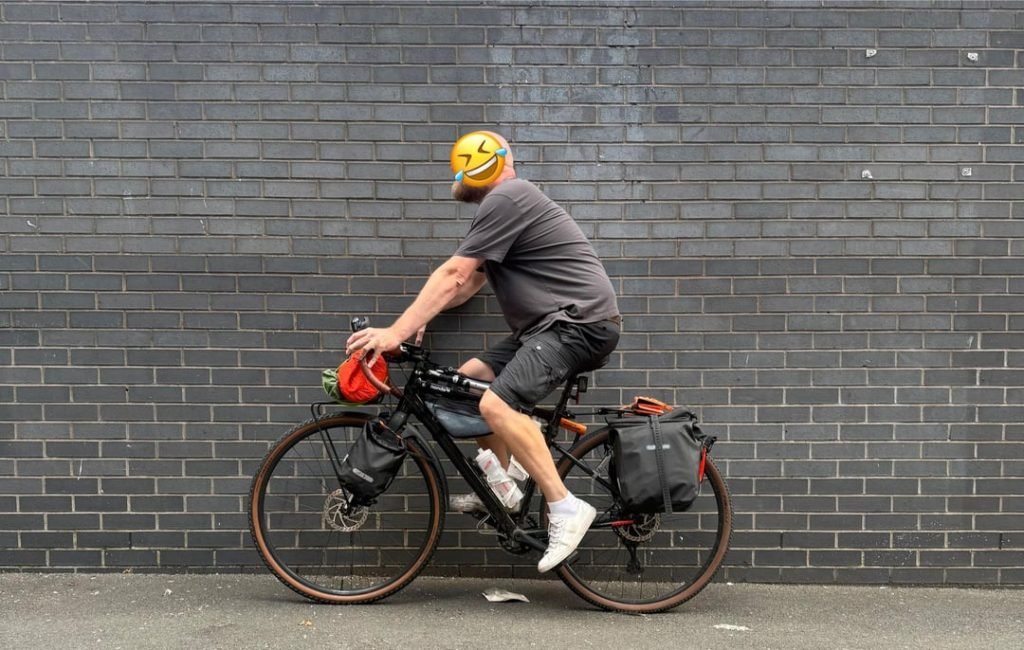
Credit: www.reddit.com
Choosing The Right Bike
Balancing a bike with heavy gear requires the right bike choice. The bike must handle weight and remain stable on rough roads.
Look for features that improve strength and control. This helps you ride safely with all your gear packed.
Frame Material And Design
Choose a frame made from strong materials like steel or aluminum. These materials can carry heavy loads without bending.
The design should offer extra support points for racks and bags. A stable frame shape reduces wobbling with weight.
Tire Selection And Pressure
Wide tires help balance heavy gear by increasing grip and comfort. Adjust tire pressure to match the load and terrain.
- Lower pressure gives better grip on rough trails
- Higher pressure reduces rolling resistance on smooth roads
- Use tires with strong sidewalls to prevent punctures
- Consider tubeless tires for fewer flats and better ride
Suspension Considerations
| Type | Benefit | Drawback |
|---|---|---|
| Hardtail | Simple, lighter, easier to carry weight | Less comfort on rough terrain |
| Full Suspension | More comfort and control on bumpy roads | Heavier and may need more maintenance |
| Rigid | Very low maintenance and light | Less shock absorption, harder with heavy load |
Packing Strategies
Carrying heavy gear on a bike can be tough. Good packing helps you stay balanced and safe.
Learn how to pack smart to keep your bike steady during long rides.
Distributing Weight Evenly
Spread your gear to keep the bike stable. Avoid putting too much weight on one side.
- Place heavier items low and near the center of the bike.
- Balance weight between left and right sides.
- Keep some weight on the front and some on the back.
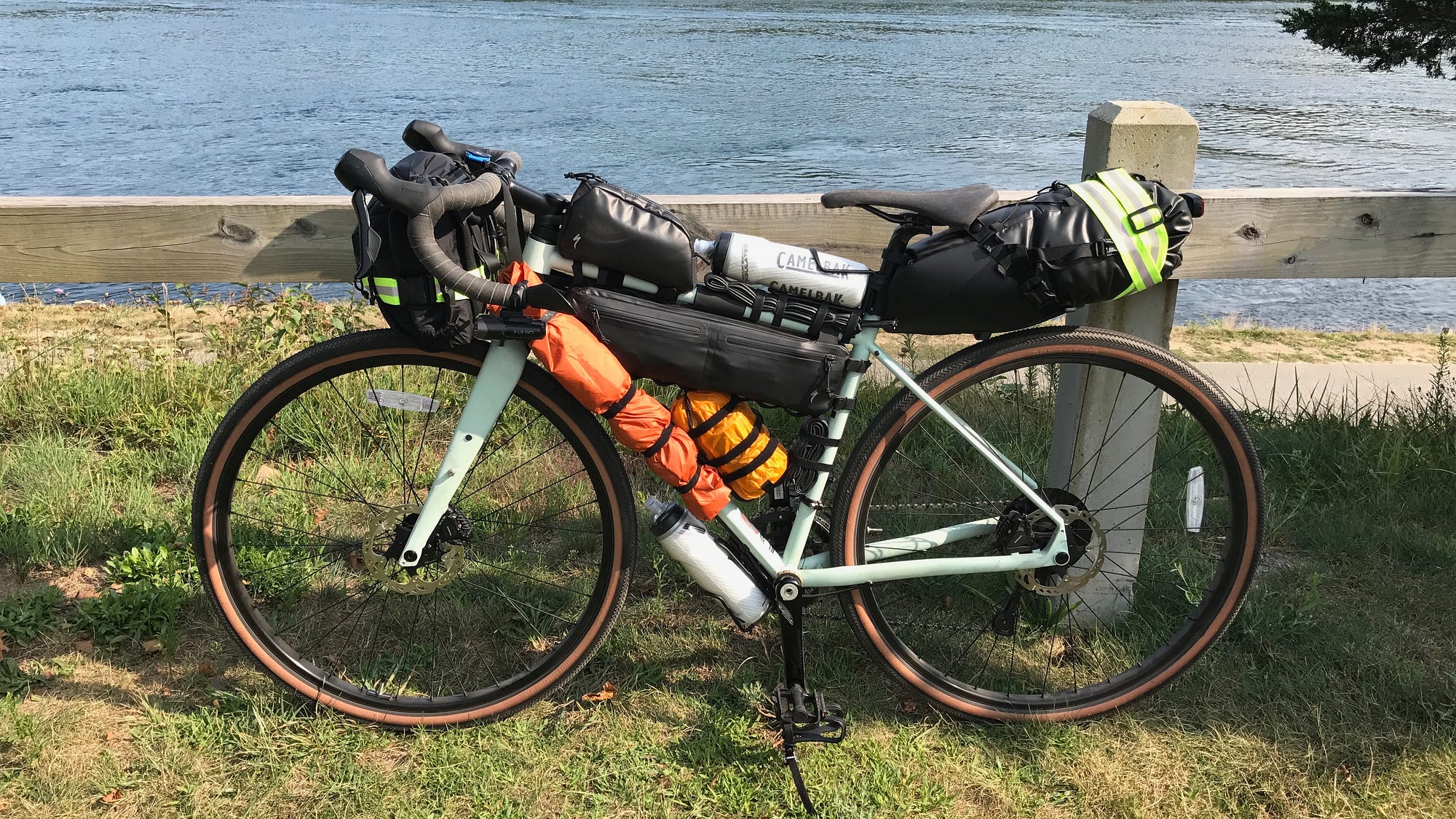
Using Frame Bags And Panniers
Frame bags and panniers help carry gear without affecting bike handling too much.
| Bag Type | Best For | Placement |
| Frame Bag | Heavy, bulky items | Inside bike frame |
| Panniers | Medium to light items | Rear or front racks |
| Handlebar Bag | Easy access items | Front handlebars |
Securing Gear Firmly
Gear should not move while riding. Use straps and tight packing to keep items firm.
- Use strong straps or bungee cords to hold gear.
- Fill empty spaces to avoid shifting.
- Check tightness before every ride.
Adjusting Riding Technique
Riding a bike with heavy gear during bikepacking needs a different technique. The extra weight changes how the bike feels and moves.
Adapting your riding style helps keep control and safety. Small changes improve balance and handling on all terrains.
Maintaining Balance At Low Speeds
Heavy gear makes your bike slower to respond at low speeds. You need to keep your body relaxed and steady to avoid wobbling.
Focus on smooth pedal strokes and keep your eyes looking ahead. This helps your balance and prepares you for any obstacles.
Handling Turns And Descents
Extra weight affects how the bike leans during turns. Take corners wider and slower to keep stability. Lean your body more than the bike to stay balanced.
On descents, lower your center of gravity by bending your knees and elbows. This gives better control and reduces the risk of slipping.
- Slow down before turns
- Look through the turn, not down
- Shift your weight back on descents
- Keep a firm but relaxed grip
Braking With Extra Load
Heavy gear increases your bike’s momentum. Use both brakes gently and evenly to avoid skidding. Brake earlier than usual to stop safely.
Apply pressure smoothly and avoid sudden stops. This helps keep the bike stable and prevents the wheels from locking up.
- Use front and rear brakes together
- Brake before corners and descents
- Keep your weight balanced during braking
- Practice braking on different surfaces
Credit: medium.com
Bike Setup Adjustments
Carrying heavy gear on a bike changes how it rides. Adjusting your bike helps keep balance. Small changes make riding safer and easier.
Focus on key parts like the saddle, handlebars, and tires. These adjustments improve control and comfort during bikepacking trips.
Saddle Height And Position
Heavy gear shifts your weight backward. Lowering the saddle slightly helps keep balance. It also makes it easier to stop and start.
Move the saddle forward to keep your weight centered. This change reduces strain on your arms and improves bike control.
- Lower saddle by about 0.5 to 1 inch
- Slide saddle forward to center weight
- Check comfort after adjustments
Handlebar Adjustment
Handlebars carry some load when riding with gear. Raising them helps keep your back straight and reduces arm fatigue.
Bring handlebars closer if you feel stretched out. This helps you control the bike better on rough trails.
- Raise handlebars for comfort
- Move handlebars closer to you
- Test adjustments on flat ground
Tire Pressure Tweaks
Heavy gear increases the pressure on tires. Lower tire pressure improves grip and shock absorption. This helps on rough surfaces.
Do not lower pressure too much to avoid pinch flats. Check your tire’s recommended pressure range before adjusting.
- Reduce tire pressure by 5-10 PSI
- Keep pressure within tire limits
- Check tires often for damage
Safety Tips
Balancing a bike with heavy gear requires attention to safety. Proper preparation can prevent accidents.
Follow simple safety tips to enjoy your bikepacking trips with less risk and more control.
Regular Gear Checks
Check your bike and gear before every ride. Look for loose bolts and worn parts. Make sure all bags are tightly secured.
- Inspect tire pressure and brakes
- Ensure racks and bags do not shift
- Test lights and reflectors for visibility
- Check chain and gears for smooth operation
Emergency Preparedness
Carry essential tools and supplies for unexpected problems. Know how to fix basic bike issues quickly.
| Item | Purpose |
| Multi-tool | Tighten bolts and adjust parts |
| Patch kit | Repair flat tires |
| First aid kit | Treat minor injuries |
| Spare tube | Replace damaged tire tube |
| Portable pump | Inflate tires on the road |
Riding In Varied Terrain
Adjust your speed and balance when riding on different surfaces. Heavy gear changes your bike’s handling.
- Slow down on loose gravel or mud
- Shift your body weight to keep balance
- Use lower gears on steep climbs
- Be extra careful on descents
- Keep a safe distance from other riders or vehicles

Credit: www.reddit.com
Frequently Asked Questions
How To Balance A Bike With Heavy Gear?
Distribute weight evenly on both sides of the bike. Use low and central mounting for heavy items. Secure gear tightly to avoid shifting during rides.
What Gear Placement Helps With Bike Stability?
Place heavier gear low and close to the bike’s center. Avoid high or rear-heavy packing to prevent tipping. This enhances overall bike stability and control.
How To Prevent Gear From Shifting While Riding?
Use strong straps and compression bags to secure items. Check and tighten gear regularly during stops. This keeps the bike balanced and safe on varied terrain.
Can Tire Pressure Affect Balance With Heavy Gear?
Yes, adjust tire pressure based on load and terrain. Higher pressure supports heavier weight but reduces comfort. Find a balance for stability and smooth riding.
Conclusion
Balancing a bike with heavy gear can be tricky. Practice is key. Start with small rides. Gradually increase your load. Always distribute weight evenly. This helps maintain control. Use quality gear for safety. Check your bike regularly. Ensure everything is secure.
Adjust your riding style. Adapt to different terrains. Stay focused on the road. Enjoy the journey and scenery. Bikepacking offers freedom and adventure. It’s a rewarding experience. Keep learning and improving. Happy riding!



