
Choosing the right brakes for your child’s bike is more important than you might think. The right brakes keep your little one safe and confident every time they ride.
But with so many options out there, how do you know which brakes are best for your child’s age, skill level, and bike type? You’ll discover simple, clear tips to help you pick brakes that fit your needs perfectly. By the end, you’ll feel ready to make a smart choice that keeps your child in control and enjoying every ride.
Keep reading to find out what really matters when choosing brakes for kids’ bikes.
-22b588ddf893d0e6f73be89c6bde1fda958d3904.jpg)
Credit: www.bikemag.com
Types Of Kids’ Bike Brakes
Choosing the right brakes for a kid’s bike is important for safety. Different brakes work best for different ages and bike types.
Here are three common types of brakes used on kids’ bikes. Each has its own way of stopping the bike.
Rim Brakes
Rim brakes use pads that press against the bike’s wheel rims to stop. They are common on many kids’ bikes.
These brakes are light and easy to repair. They work best in dry conditions but can be less effective in rain.
- Simple design and easy to use
- Needs regular pad replacement
- Works well on smooth surfaces
- Less powerful in wet weather
Disc Brakes
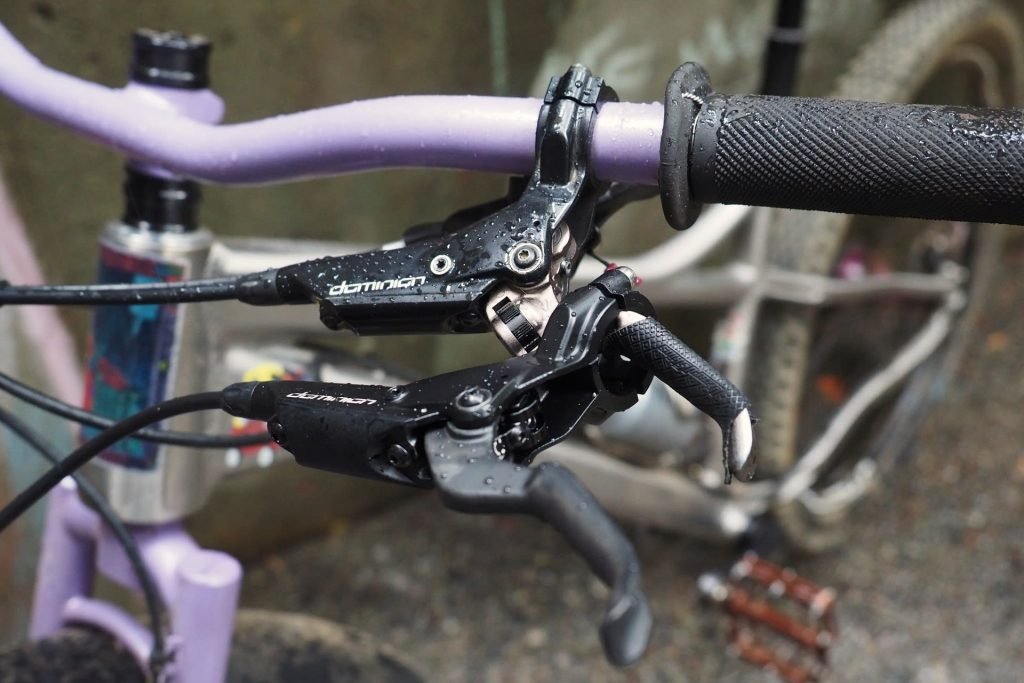
Disc brakes use a metal disc near the wheel hub to stop the bike. A caliper squeezes the disc to slow down.
These brakes work well in all weather and give strong stopping power. They are more common on bigger kids’ bikes.
- Strong and reliable braking
- Works well in rain and mud
- Requires more maintenance
- Usually found on mountain or sport bikes
Coaster Brakes
Coaster brakes stop the bike when the rider pedals backward. They are built into the rear hub of the bike.
These brakes are easy for young kids to use. They need less hand strength and no cables to adjust.
- Simple and low maintenance
- Good for very young children
- Brake by pedaling backward
- Not as precise as hand brakes
Factors To Consider
Choosing the right brakes for kids’ bikes helps keep children safe. Proper brakes make it easier for kids to stop quickly and control their bike. Several key factors affect the choice of brakes for young riders.
This guide covers three important points: the child’s age and size, bike size compatibility, and brake lever reach. Each one plays a role in picking the best brakes.
Child’s Age And Size
Young children have less hand strength and coordination. Smaller hands find it hard to squeeze strong brake levers. Brakes need to match the child’s physical abilities to work well and feel safe.
- Children under 5 usually need coaster brakes or simple hand brakes.
- Kids aged 5 to 8 can use hand brakes but with easy-to-squeeze levers.
- Older kids may handle stronger brake systems like V-brakes or disc brakes.
Bike Size Compatibility
Brakes must fit the bike frame and wheels. Different bike sizes use different brake types. Make sure the brakes you choose match the bike’s size and style.
| Bike Size | Recommended Brake Type |
| 12-inch wheels | Coaster brakes or caliper brakes |
| 16-inch wheels | Caliper or V-brakes |
| 20-inch wheels | V-brakes or disc brakes |
| 24-inch wheels and above | V-brakes or disc brakes |
Brake Lever Reach
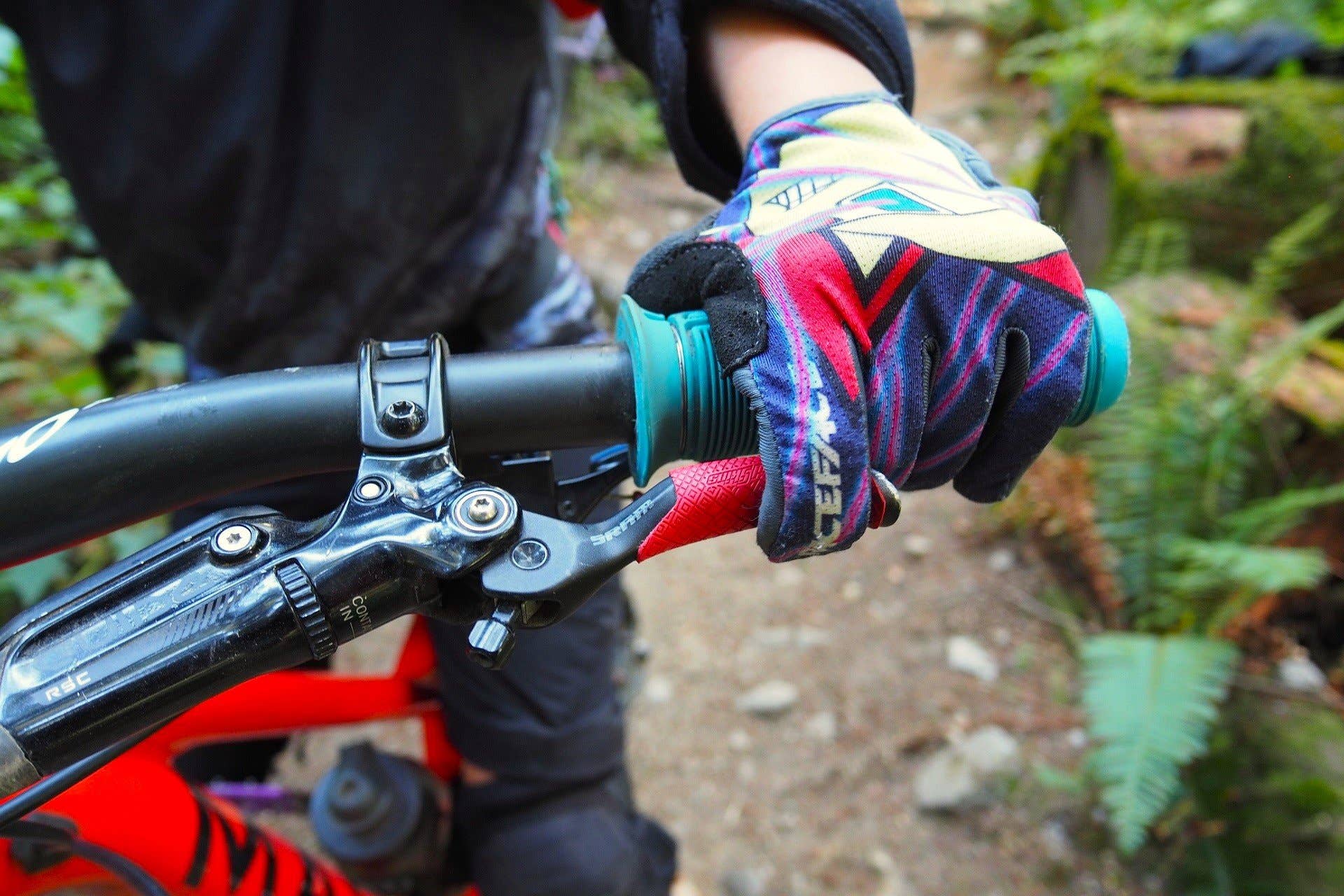
The distance from the handlebar to the brake lever is the brake lever reach. Kids with small hands need shorter reach levers. This helps them grab and pull the brakes easily and safely.
Check these points for brake lever reach:
- Measure your child’s hand size before buying.
- Look for adjustable brake levers to customize reach.
- Test the brakes to ensure your child can pull them comfortably.
Safety Features To Look For
Choosing the right brakes for kids’ bikes is very important. Good brakes keep children safe while riding.
Brakes must stop the bike quickly and be easy for kids to use. They should also last long and need little care.
Responsive Stopping Power
Brakes need to stop the bike fast to prevent accidents. Kids should feel confident that the bike will stop when needed.
Look for brakes that respond quickly with gentle pressure. This helps kids control their speed safely.
- Check if brakes stop the bike on short distances.
- Test if brakes work well on different surfaces.
- Avoid brakes that need too much force to stop.
Ease Of Use
Brakes should be simple for kids to use. Children have small hands and less strength than adults.
Choose brakes with easy-to-pull levers and smooth action. This makes braking less tiring and safer.
- Look for levers sized for small hands.
- Test if levers move smoothly and easily.
- Consider brakes that need less hand force.
Durability And Maintenance
Kids’ bikes face rough use and weather changes. Brakes should be strong and last long.
Choose brakes that need little fixing and can handle dirt and rain. This keeps the bike safe without extra work.
- Pick brakes made from rust-resistant materials.
- Look for parts that wear slowly over time.
- Choose brakes easy to clean and adjust.
Credit: www.bikemag.com
Installation And Adjustment Tips
Choosing the right brakes for kids’ bikes is important for safety. Proper installation and adjustments keep brakes working well.
Here are some tips to help you install and adjust brakes on children’s bikes correctly and safely.
Proper Brake Alignment
Brake pads must line up with the rim evenly. Misaligned pads reduce stopping power and cause wear.
- Loosen the brake pad bolts before adjusting.
- Position pads so they contact the rim fully.
- Make sure pads do not touch the tire or hang below the rim.
- Tighten bolts once aligned correctly.
Cable Tension Settings
The brake cable should be tight enough to stop the bike quickly. Loose cables make brakes slow to respond.
| Adjustment | Effect |
| Too Loose | Brake lever pulls too far before braking |
| Too Tight | Brakes drag on the rim when not used |
| Correct Tension | Brake engages quickly without dragging |
Use the barrel adjuster to fine-tune cable tension. Turn clockwise to loosen, counterclockwise to tighten.
Regular Brake Checks
Brakes need regular checks to stay safe and effective. Check pads, cables, and levers often.
- Inspect brake pads for wear or damage.
- Check cable condition for frays or rust.
- Test brake lever travel and feel.
- Clean rims and pads to remove dirt and debris.
- Tighten any loose bolts or screws.
Popular Brake Brands For Kids’ Bikes
Choosing the right brakes helps keep kids safe while riding. Some brands make brakes just for kids’ bikes. These brands focus on easy use and good stopping power.
Below are popular brake brands known for their quality and reliability. These brakes fit many kids’ bike models and offer good safety features.
Tektro
Tektro makes many brakes that work well on kids’ bikes. Their brakes are simple and strong. They often use caliper and V-brake types.
Tektro brakes are easy to adjust and maintain. This brand is trusted by many bike makers for children’s bikes.
Promax
Promax offers brakes that suit different kids’ bike sizes. They focus on smooth braking and durability. Their brake levers fit small hands well.
Promax brakes are common on beginner bikes. They provide good control and easy use for young riders.
Shimano
Shimano is a big name in bike parts, including brakes for kids. They make rim brakes and disc brakes. Their products offer reliable stopping power.
Shimano brakes are smooth and last long. They fit many children’s bikes and help build confidence in young riders.
Clarks
Clarks makes brakes designed for safety and ease. Their brakes have good grip and quick response. They work well on small wheel bikes.
Many kids’ bike makers use Clarks brakes. These brakes are easy to fix and keep working well for a long time.
Avid
Avid produces disc brakes that fit kids’ bikes. Their brakes give strong stopping power even on rough paths. They work well in wet or dry weather.
Avid brakes are a good choice for kids who ride often. They are easy to use and keep kids safe on different terrains.
Common Brake Problems And Fixes
Brakes on kids’ bikes can have simple problems that stop them from working well. Fixing these issues helps keep children safe while riding.
Knowing common brake problems and how to fix them saves time and makes bike rides fun again.
Squeaky Brakes
Squeaky brakes make a high-pitched noise when used. This noise can be annoying and show the brakes need attention.
Usually, dirt or moisture causes squeaky brakes. Cleaning the brake pads and rims helps stop the noise.
- Wipe the brake pads and rims with a clean cloth
- Check for any dirt stuck on the brakes
- Dry the brakes if they are wet
- Replace worn brake pads if noise continues
Brake Drag
Brake drag happens when the brakes stay partly on, making it hard to pedal. This can slow down the bike and wear out parts fast.
Brake drag often comes from brake pads that are too tight or cables that need adjusting.
- Check the brake pads to see if they touch the wheel when not braking
- Loosen the brake cable slightly to create space
- Make sure the brake lever returns fully after release
- Lubricate the brake parts if they feel stiff
Loose Brake Levers
Loose brake levers feel wobbly and do not stop the bike quickly. This is unsafe for kids riding the bike.
Tightening the bolts on the brake levers or adjusting the cables can fix this problem.
- Look for loose screws or bolts on the brake levers
- Tighten all loose parts carefully with the right tools
- Adjust the brake cable tension to improve lever feel
- Replace damaged or worn levers if needed

Credit: harubina.co.jp
Frequently Asked Questions
What Types Of Brakes Are Best For Kids’ Bikes?
For kids’ bikes, coaster brakes and hand brakes are common. Coaster brakes are easy for young children. Hand brakes suit older kids with better hand strength. Choose based on your child’s age, ability, and bike type for safety and comfort.
How To Know The Right Brake Size For Kids’ Bikes?
Brake size depends on the wheel size. Smaller wheels usually need smaller brakes. Check the bike manual or measure the wheel diameter. Proper brake size ensures effective stopping power and safety for your child while riding.
Are Hand Brakes Safer Than Coaster Brakes For Kids?
Hand brakes offer better control and quicker stops. Coaster brakes are simpler and good for beginners. Safety depends on the child’s hand strength and coordination. Teach proper brake use regardless of brake type to ensure safe riding.
How Often Should Brakes Be Checked On Kids’ Bikes?
Check brakes before every ride and monthly for wear. Look for loose cables, worn pads, or poor response. Regular maintenance ensures brakes work effectively and keeps your child safe during rides.
Conclusion
Choosing the right brakes ensures kids’ safety on their bikes. Always consider the child’s age and riding skills. Check if the brakes are easy to use. Test the brakes for quick response and reliability. Remember, the right brakes build confidence in young riders.
Safety should always come first. Budget wisely without compromising quality. Explore different brake types and their benefits. Make an informed choice for peace of mind. Happy riding, and always prioritize safety!



