
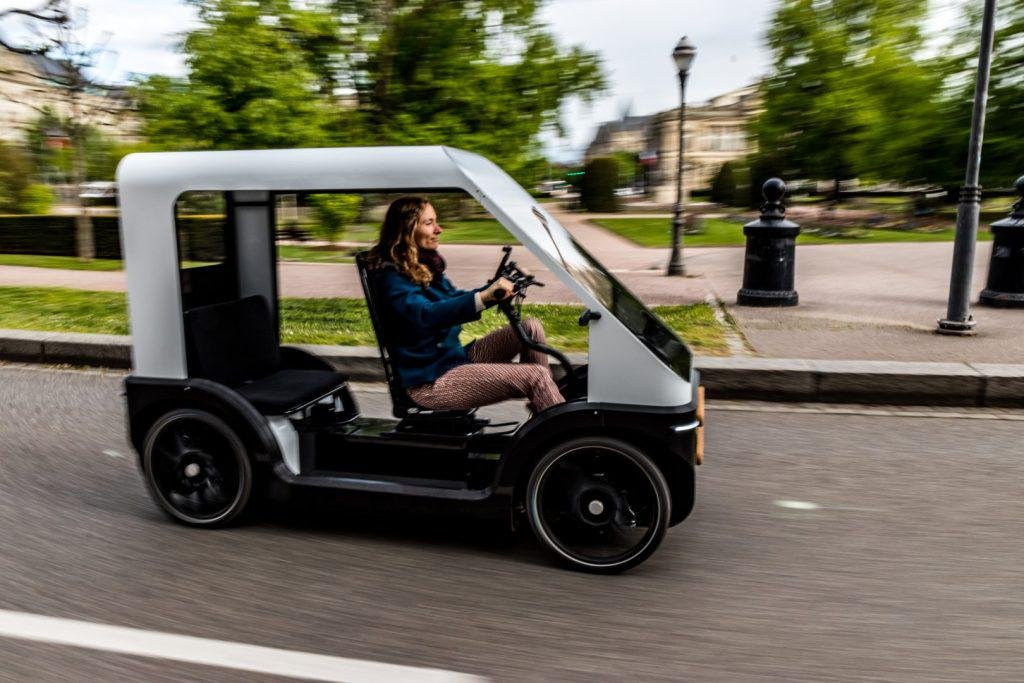
Imagine cruising down the street with the wind in your hair and the world at your feet. You’re not in a car, nor on a bike, but in a sleek, eye-catching velomobile.
These futuristic vehicles are gaining popularity for their eco-friendly nature and innovative design. But before you take the plunge, you might be wondering: are velomobiles street legal? This question is crucial if you’re considering joining the velomobile movement. We’ll explore the legal aspects of riding a velomobile on public roads.
We’ll delve into the rules and regulations that could affect your decision. Stick around to discover how you can navigate the legal landscape and confidently hit the streets in your new ride.
Velomobile Basics
Velomobiles are a unique type of human-powered vehicle. They look like bicycles but have an aerodynamic shell. This shell helps protect the rider and improve speed.
Many people wonder if velomobiles are allowed on public roads. To understand this, it helps to know the basics of what a velomobile is and how it works.
What Is A Velomobile
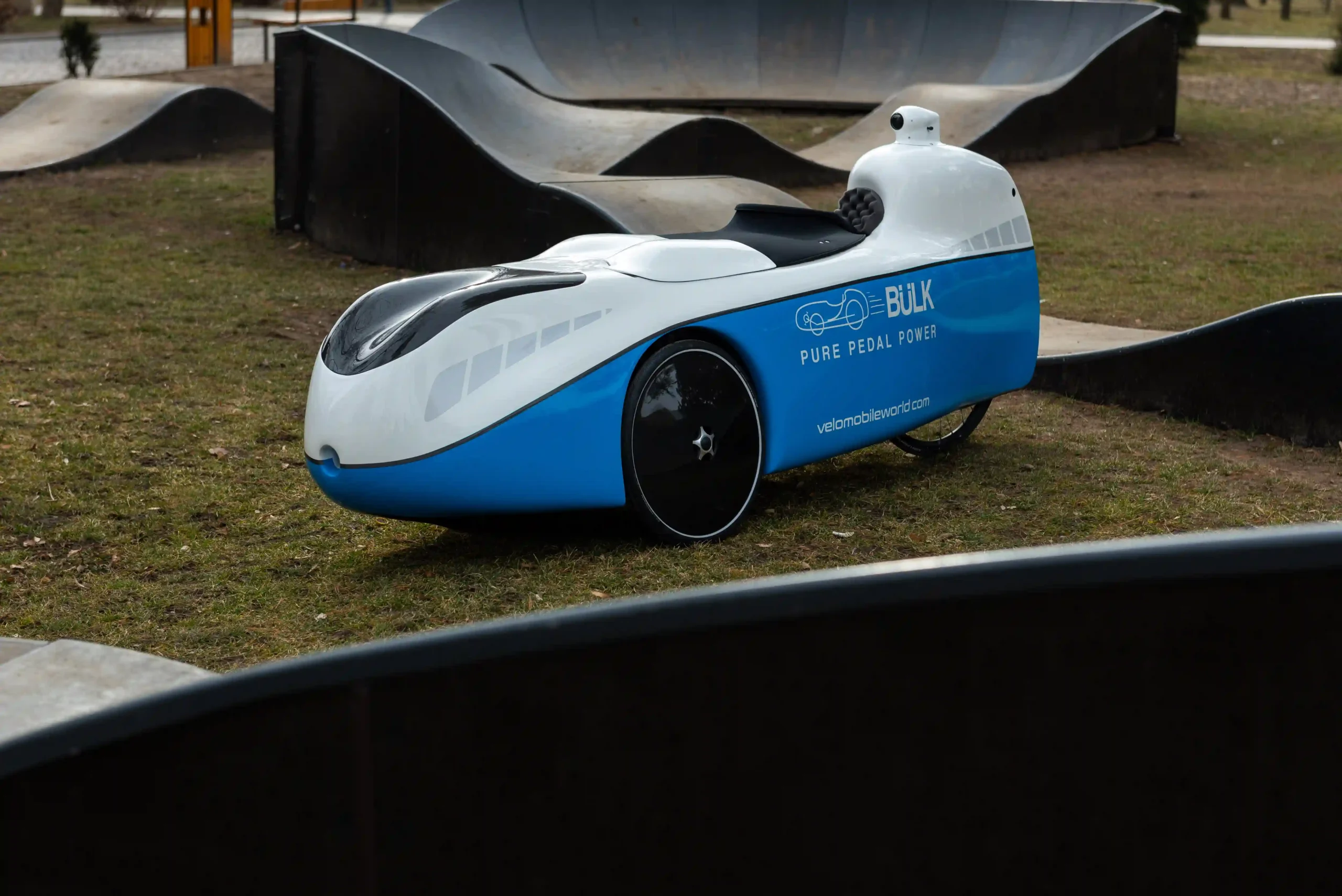
A velomobile is a pedal-driven vehicle with a full or partial enclosure. It usually has three or four wheels. The enclosure offers protection from weather and improves aerodynamics.
Velomobiles are designed for speed and comfort on roads. They combine features of bicycles and small cars. Riders sit inside the shell, pedaling to move forward.
Common Designs And Features
Velomobiles come in different styles and sizes. Some are fully enclosed, while others have open parts. They include many useful features to make riding easier and safer.
- Three or four wheels for stability
- Lightweight frames made of carbon or aluminum
- Streamlined shells to reduce air resistance
- Storage space for carrying items
- Lights and reflectors for visibility
- Adjustable seats and pedals for comfort
| Design Type | Wheel Count | Shell Coverage |
| Fully Enclosed | 3 or 4 | Complete |
| Partial Enclosure | 3 | Front and Top |
| Open Recumbent | 3 | Minimal |
Credit: www.velomobileworld.com
Street Legality Factors
Velomobiles are a unique type of vehicle blending bicycles and cars. Their street legality depends on many factors. These factors include how the vehicle is classified, local and national rules, and required equipment.
Understanding these points can help riders know if their velomobile is allowed on public roads. Laws can differ widely by location and vehicle type.
Vehicle Classification
Authorities classify velomobiles differently. Some treat them like bicycles. Others see them as low-speed vehicles or mopeds. This classification affects what laws apply.
- Bicycle classification: No license needed, must follow bike rules.
- Low-speed vehicle: May need registration and insurance.
- Moped or motorized vehicle: Requires license and safety checks.
Local And National Regulations
Each country and city may have different rules for velomobiles. Some places allow them on bike lanes. Others restrict them to roads or paths. It is important to check local laws before riding.
| Region | Velomobile Status | Restrictions |
| USA | Varies by state | Some require registration |
| Europe | Often treated as bicycles | Helmet and lights needed |
| Australia | Classified as bicycles | Allowed on bike paths |
Required Equipment And Standards
Velomobiles must meet certain equipment rules to be street legal. These include lights, reflectors, brakes, and sometimes mirrors. Standards depend on vehicle classification and location.
- Front and rear lights for night riding
- Reflectors on pedals and wheels
- Effective braking system
- Mirrors for rear visibility
- Horn or bell for alerting others
Safety Requirements
Velomobiles must meet certain safety rules to be street legal. These rules focus on equipment that protects the rider and others on the road.
Important safety features include lighting, brakes, and ways to stay visible. These features help prevent accidents and improve road safety.
Lighting And Reflectors
Velomobiles need lights and reflectors for safe riding at night or in low light. These help other drivers see the velomobile clearly.
- Front white headlight to illuminate the path
- Red rear light for visibility from behind
- Side reflectors on both sides of the vehicle
- Reflective strips or tape on the body to increase visibility
Braking Systems
Brakes must be strong and reliable. They should stop the velomobile safely under different conditions.
| Brake Type | Requirement | Notes |
|---|---|---|
| Front Brake | Required | Must stop the front wheel effectively |
| Rear Brake | Required | Must stop the rear wheel effectively |
| Brake Levers | Easy to reach and use | Should allow quick response |
Visibility Enhancements
Velomobiles should use additional items to stay visible to others on the road. These items reduce the risk of accidents.
- Wear bright or reflective clothing
- Use flags or tall poles with reflectors
- Install flashing lights for extra attention
- Choose bright paint colors for the velomobile
Credit: www.velomobileworld.com
Registration And Licensing
Velomobiles are human-powered vehicles with aerodynamic shells. Their legal status varies by region. Registration and licensing rules can be different from cars or bicycles.
This section explains if velomobiles need registration, driver licensing rules, and insurance considerations.
Do Velomobiles Need Registration
In many places, velomobiles do not require motor vehicle registration. They are often treated like bicycles. Some regions may need registration if the velomobile has a motor.
- Non-motorized velomobiles usually do not need registration.
- Motorized velomobiles may need to register as mopeds or motorcycles.
- Check local laws to confirm registration requirements.
Driver Licensing Rules
Licensing rules depend on whether the velomobile is motorized. Non-motorized ones usually do not require a driver’s license. Motorized velomobiles may require a license similar to mopeds.
| Vehicle Type | Driver License Required? |
| Non-motorized Velomobile | No |
| Motorized Velomobile (low speed) | Depends on local laws |
| Motorized Velomobile (high speed) | Yes |
Insurance Considerations
Insurance rules for velomobiles vary widely. Non-motorized velomobiles often do not require insurance. Motorized versions may need liability insurance.
Insurance points to consider:
- Check if your homeowner’s or renter’s insurance covers velomobiles.
- Motorized velomobiles usually need separate vehicle insurance.
- Some insurers offer specialty policies for velomobiles.
Velomobiles In Different Regions
Velomobiles are human-powered vehicles with an aerodynamic shell. Their street legality varies by region. Laws depend on local vehicle and traffic rules.
Understanding rules in each area helps riders stay safe and legal. Below is an overview of velomobile legality worldwide.
North America
In the United States and Canada, velomobiles are often treated like bicycles. They can be used on bike paths and roads where bikes are allowed.
Some states have specific rules for velomobiles. They may require lights or reflectors at night. Helmets are usually recommended or required.
- Classified as bicycles in most areas
- Allowed on bike lanes and some roads
- Safety equipment may be required
- Check local laws for exact rules
Europe
Europe has more detailed rules for velomobiles. Some countries consider them bicycles, while others treat them like mopeds.
Countries like Germany require registration and insurance if velomobiles have motors. Non-motorized velomobiles usually follow bike laws.
- Varies by country within the EU
- Non-motorized velomobiles often treated as bikes
- Motorized versions may need registration
- Safety gear and lighting rules apply
Asia And Other Areas
In Asia, velomobile laws vary widely. Some countries have no specific rules. Others treat them like bicycles or small vehicles.
In some regions, velomobiles are rare and may face unclear regulations. Riders should check local laws before use.
- Regulations differ greatly by country
- Often treated as bicycles or small vehicles
- Some areas lack clear rules
- Local research is important
Challenges And Common Issues
Velomobiles offer an eco-friendly way to travel. Yet, many face challenges about their legal status on roads. These challenges affect riders and lawmakers alike.
This section covers key issues that arise with velomobile street legality. Understanding these helps riders stay safe and follow the law.
Enforcement Variability
Law enforcement officers may treat velomobiles differently depending on location. Rules vary widely between cities and states. This inconsistency causes confusion for riders.
- Some areas classify velomobiles as bicycles.
- Others treat them like motor vehicles.
- Officers’ knowledge about velomobiles varies.
- Penalties can differ for similar offenses.
Public Perception And Awareness
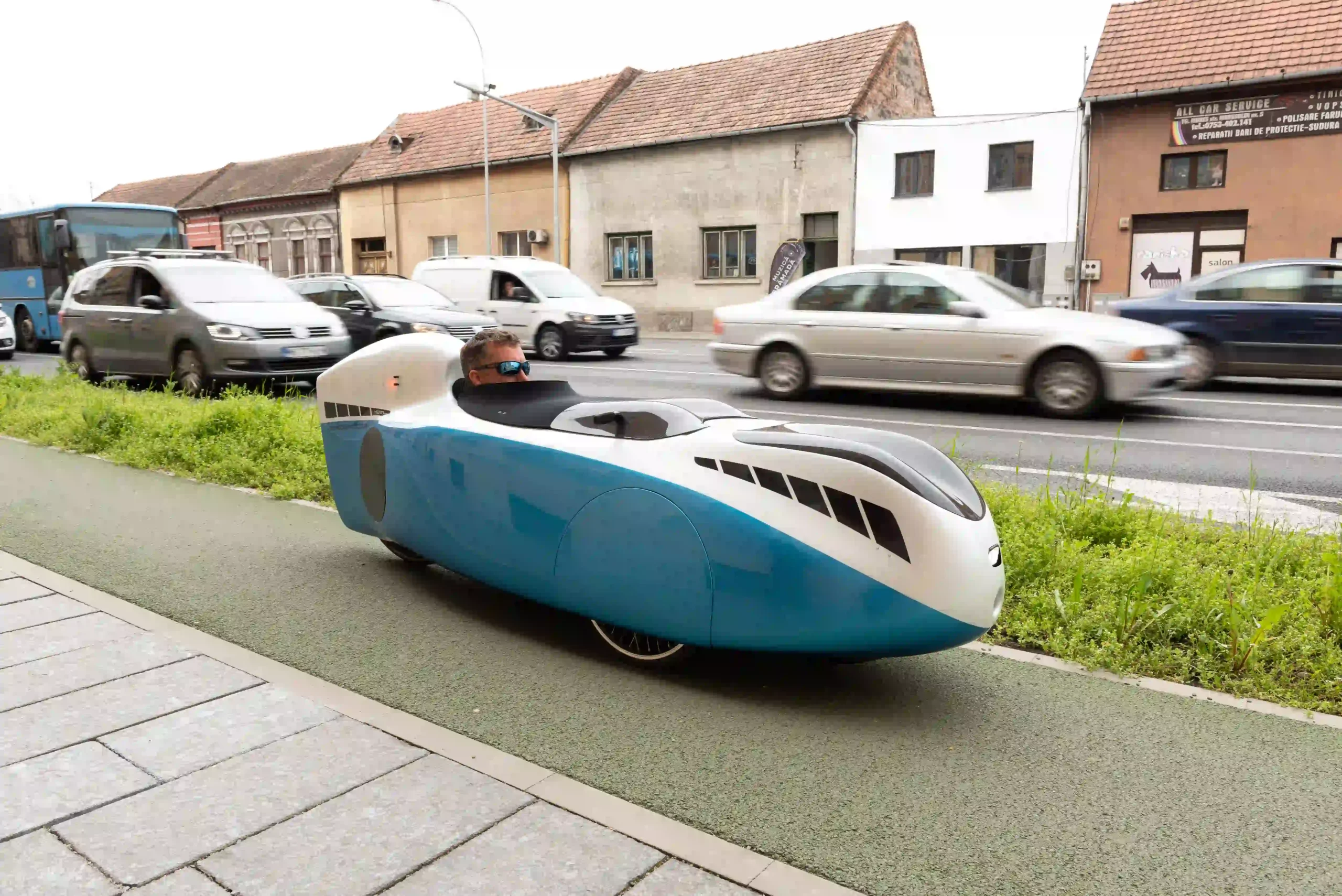
Many people do not recognize velomobiles on the road. Their unique shape can cause confusion. This leads to safety concerns and misunderstandings.
| Issue | Effect |
| Unfamiliarity | Drivers may not see velomobiles clearly |
| Size and speed | Mixed expectations about performance |
| Lack of knowledge | Pedestrians and drivers unsure how to interact |
Legal Gray Areas
Many laws do not clearly define velomobiles. This leaves riders unsure about where and how to ride legally. It also affects insurance and liability issues.
- Are velomobiles required to have lights or signals?
- Must riders wear helmets or other safety gear?
- Can velomobiles use bike lanes or roads?
- Do velomobiles need vehicle registration?
Tips For Safe And Legal Riding
Riding a velomobile can be fun and eco-friendly. Knowing the rules helps keep you safe on the road.
This guide covers key tips for choosing a model, following laws, and using safety gear.
Choosing The Right Model
Select a velomobile that meets local street legal standards. Check if it has necessary features like lights and signals.
- Look for models with reflectors on all sides
- Choose a design with built-in turn signals if possible
- Ensure the velomobile fits within size limits set by law
- Check weight limits to avoid restrictions
Adhering To Traffic Laws
Follow all traffic rules as if you were driving a car or riding a bike. Obey speed limits and traffic signs.
| Rule | Description |
| Use bike lanes | Ride in designated lanes when available |
| Stop at red lights | Always stop and wait for green |
| Signal turns | Use hand signals or lights to show turns |
| Wear a helmet | Helmet laws may apply to velomobiles |
Using Safety Gear
Wear safety gear to protect yourself in case of accidents. Bright clothing helps others see you.
- Wear a certified helmet every time
- Use reflective vests or jackets at night
- Install front and rear lights on the velomobile
- Carry a bell or horn to alert others

Credit: www.cbc.ca
Frequently Asked Questions
Are Velomobiles Allowed On Public Roads?
Yes, velomobiles are generally street legal in many countries. They are classified as bicycles or human-powered vehicles, allowing road use. However, local laws may vary, so always check specific regional regulations before riding on public roads.
Do Velomobiles Require Registration Or A License?
Most regions do not require registration or a license for velomobiles. They are treated like bicycles, exempt from motor vehicle laws. Still, some areas might have unique rules, so verify local requirements to ensure compliance.
What Safety Features Make Velomobiles Street Legal?
Velomobiles usually need lights, reflectors, and proper brakes to be street legal. These features ensure visibility and safety on roads. Riders should also use helmets and follow traffic laws to enhance protection.
Can I Ride A Velomobile On Bike Lanes?
Yes, velomobiles can typically use bike lanes as they are considered bicycles. Their design fits standard lane widths, but riders should be cautious of size differences. Always respect lane rules and other cyclists for safe sharing.
Conclusion
Velomobiles can be street legal, but rules vary by place. Check local laws before riding. Some areas require lights, reflectors, or helmets. Others may treat velomobiles like bicycles or mopeds. Always follow traffic signs and signals for safety. Riding a velomobile offers fun and eco-friendly travel.
Stay informed and ride responsibly to enjoy your journey. Safety first, every time.



