
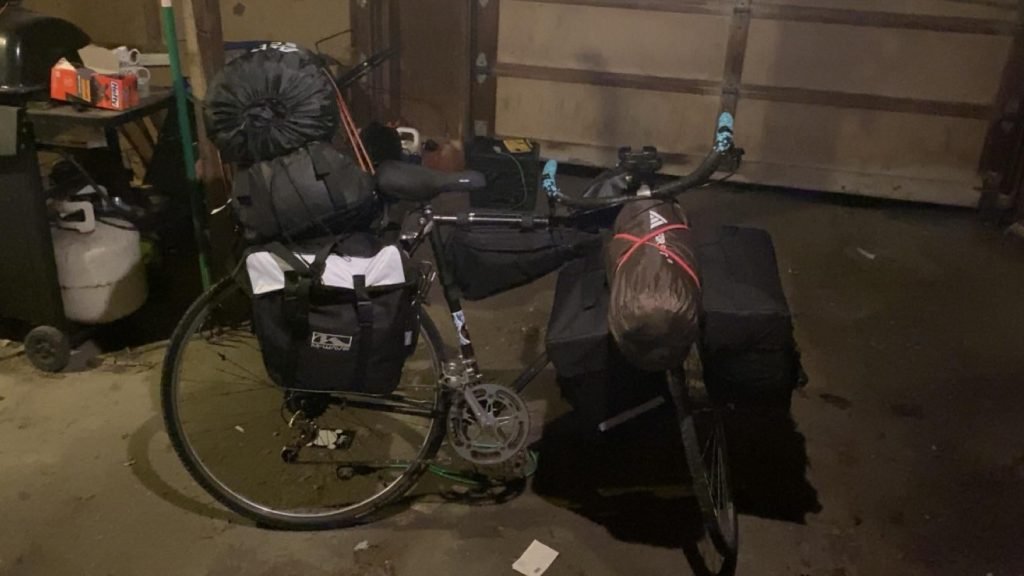
You’re gearing up for a bikepacking trip, but there’s one challenge you can’t ignore: overpacking. Carrying too much weight can slow you down, tire you out, and even ruin your adventure.
Imagine riding smoothly with just the right gear, feeling light and free every mile. This guide will show you exactly how to prevent overpacking, so you can enjoy your trip without the extra burden. Keep reading, and discover simple tips that will make your bikepacking experience easier and more fun.

Credit: www.youtube.com
Choosing The Right Gear
Packing light is key for bikepacking trips. Carrying too much gear makes riding hard and slow.
Choosing the right gear helps prevent overpacking. Focus on what you really need to stay safe and comfortable.
Lightweight Essentials
Pick gear that is light but still works well. Heavy items add weight and tire you out faster.
Think about the basics: shelter, sleeping bag, and cooking tools. Choose models made for light travel.
- Use a lightweight tent or hammock
- Choose a compact sleeping bag
- Carry a small, efficient stove
Multipurpose Items
Bring items that serve more than one purpose. This reduces how much you carry and saves space.
Look for tools and clothes that can work in many ways. This helps you pack less and stay prepared.
- A jacket that works as rain gear and windbreaker
- A pot that also acts as a bowl
- A bandana for sun protection and first aid
Quality Over Quantity
Choose fewer items that last longer. Cheap gear may break and force you to carry extras.
Good quality gear performs better. It keeps you safe and comfortable without adding bulk.
- Invest in strong, durable fabrics
- Pick reliable tools with good reviews
- Choose comfortable clothing that fits well
Planning Your Route And Duration
Planning your route and trip length helps you pack only what you need. It keeps your bike light and your ride easier.
Knowing where you will go and how long you will ride helps avoid carrying extra gear. This prevents overpacking on bikepacking trips.
Weather Considerations
Check the weather for your trip days and locations. Pack clothes and gear that match the expected weather.
Carry only the necessary rain or cold gear. Avoid heavy or bulky items if the weather looks mild.
- Look at forecast temperature and chance of rain
- Bring layers for warmth but avoid extra heavy clothes
- Use rain gear only if rain is likely
Resupply Points
Plan where you can buy food and supplies along your route. This lets you carry less food and water at once.
Mark towns, stores, or campsites where you can restock. This helps you avoid packing extra weight for the whole trip.
- Find grocery stores or markets on your path
- Know the distance between resupply points
- Plan food and water amounts for each leg
Daily Distance Goals
Set how far you want to ride each day. This helps decide how much gear and food you need daily.
Shorter daily goals let you carry less food and water. Longer goals may require more supplies but careful packing.
- Estimate realistic daily distances based on your fitness
- Adjust gear and food amounts for each day’s distance
- Plan rest days if needed to reduce pack weight
Optimizing Clothing Choices
Packing light is key for bikepacking trips. Choosing the right clothes helps you carry less weight. Smart clothing choices keep you comfortable and save space.
Focus on clothing that works in many situations. This reduces the need for extra items. You will enjoy your trip more with less to carry.
Layering Techniques
Layering helps you adjust to changing weather. You can add or remove layers as needed. This keeps you warm or cool without extra heavy clothes.
Start with a base layer that moves sweat away from your skin. Add an insulating layer for warmth. Finish with a waterproof layer to stay dry.
- Base layer: lightweight and breathable
- Insulating layer: fleece or light down
- Outer layer: rain jacket or windbreaker
Material Selection
Choose materials that dry fast and resist odor. Synthetic fabrics and merino wool work well. Avoid cotton because it stays wet and heavy.
Good materials help your clothes last longer on the trip. They keep you comfortable and reduce the need for many changes.
- Merino wool: warm, odor-resistant, light
- Polyester: quick-dry, breathable, affordable
- Nylon: durable and good for outer layers
Minimizing Spare Clothes
Bring only what you need to stay clean and dry. Plan to wash clothes during longer trips. Carry one or two spare items at most.
Focus on versatile clothes that work for different activities. This lowers the total amount you must pack. Less weight means easier riding.
- Pack one extra base layer
- Bring one spare pair of socks
- Limit changes of shirts and shorts
Packing Techniques
Packing smart helps you avoid carrying too much on bikepacking trips. It makes your ride easier and safer.
Use good packing techniques to keep your gear light and organized. This helps you find items quickly.
Prioritizing Items
Choose only what you really need. Think about what you will use every day on your trip.
Leave behind items that are not essential. Focus on gear for safety, shelter, food, and repair.
- Pack clothes for different weather but keep it minimal
- Bring lightweight tools and repair kits
- Carry food that is easy to prepare and nutritious
- Include a small first-aid kit
Packing Cubes And Organizers
Packing cubes keep your items neat and easy to find. They save space and stop gear from shifting.
Use small organizers for cables, tools, and toiletries. This keeps your bag tidy and reduces mess.
- Use one cube for clothes
- Keep food in a separate cube
- Store electronics and chargers in a small pouch
- Put small tools in an easy-to-reach organizer
Balancing Weight Distribution
Distribute weight evenly on your bike. This helps you ride smoothly and reduces strain.
Place heavy items low and close to the bike frame. Lighter items go higher or farther from the center.
- Put water and food near the center
- Keep clothes and sleeping gear in rear bags
- Mount tools close to the frame
- Avoid putting too much weight on one side
Food And Water Management
Managing food and water is key to light packing on bikepacking trips. Carrying less weight helps you ride longer and stay comfortable.
Smart choices in what you eat and drink reduce the load. Focus on foods and water that give energy without extra bulk.
Calorie-dense Foods
Choose foods with many calories in small packages. These give you energy without taking much space or weight.
Examples include nuts, dried fruit, energy bars, and nut butters. These keep you fueled during long rides.
- Nuts and seeds
- Dried fruits like raisins and apricots
- Energy or protein bars
- Nut butters in small packets
- Dehydrated meals
Water Filtration Options
Carrying all your water adds weight. Use water filters or purifiers to refill safely on the trail.
Filters remove dirt and germs, letting you drink from streams or lakes. This reduces how much water you carry.
- Portable water filters
- UV light purifiers
- Chemical tablets or drops
- Collapsible water bags
Meal Planning Strategies
Plan meals to use light, easy-to-carry foods. Know how many calories you need each day and pack just enough.
Use simple recipes that need little cooking. Pack meals that use similar ingredients to reduce extra items.
- Calculate daily calorie needs
- Choose easy, quick meals
- Use overlapping ingredients
- Prepare meals before the trip
- Pack snacks for energy boosts

Credit: www.youtube.com
Tools And Repair Kits
Overpacking can slow you down on bikepacking trips. Carrying only what you need is key. Tools and repair kits are important but should be light and small.
Choosing the right items helps you fix problems fast. This keeps your trip smooth and stress-free. Let’s look at how to pack smart.
Essential Tools Only
Bring only tools that fix common bike issues. Avoid packing tools you rarely use. This saves space and weight.
Focus on small, multi-use tools. A good multi-tool replaces many single tools.
- Multi-tool with Allen keys and screwdrivers
- Tire levers
- Mini pump or CO2 inflator
- Patch kit for tubes
- Chain tool
Compact Repair Kits
Choose repair kits that fit in small bags. Lightweight kits help reduce load. Every gram counts on long rides.
Look for kits with essentials only. Avoid extra parts that add bulk.
- Patch kits with glue and patches
- Spare tube or two, thin and light
- Compact tire levers
- Small chain links or quick links
- Lightweight pump or inflator
Preventive Maintenance Tips
Prevent problems before they start. Check your bike before every trip. This reduces the need for many tools.
Keep your chain clean and tires properly inflated. Tighten bolts and check brakes. This keeps your bike reliable.
- Clean and lubricate chain regularly
- Check tire pressure before rides
- Tighten all bolts and screws
- Inspect brake pads and cables
- Test gear shifting
Testing And Adjusting Load
Overpacking can make bikepacking trips harder and less fun. Testing your load helps you find what to carry and what to leave behind. Adjusting your gear keeps your trip light and comfortable.
Try out your packed bike before the trip. This shows how your load feels and works. You can make changes early to avoid problems on the road.
Trial Runs
Take short rides with your full pack to see how it handles. Pay attention to balance, weight, and how easy it is to ride. Trial runs reveal what is necessary and what is extra.
- Ride on different terrains to test stability
- Check if you can reach your gear quickly
- Notice any strain on your body from the load
- Adjust packing to improve weight distribution
Feedback And Adjustments
After trial runs, review what worked and what did not. Use feedback from your experience to change your packing. Small tweaks can reduce weight and improve comfort.
| Feedback | Possible Adjustment |
| Bike feels heavy on one side | Rebalance gear evenly on both sides |
| Hard to reach snacks or tools | Move items to accessible pockets |
| Backpack causes sweat and discomfort | Choose better ventilation or lighter gear |
| Too many clothes packed | Remove non-essential clothing |
Comfort And Accessibility
Keep your gear easy to reach and carry. Comfort helps you enjoy your trip and ride longer. Accessibility means you spend less time unpacking and repacking.
- Pack frequently used items in top or side pockets
- Use padded straps to reduce shoulder pain
- Place heavy items low and close to the bike frame
- Keep tools and repair kits within easy reach

Credit: www.reddit.com
Frequently Asked Questions
What Are The Best Tips To Avoid Overpacking Bikepacking Trips?
Focus on essential gear only. Prioritize lightweight, multi-use items. Plan your route and weather carefully. Pack clothes for layering. Avoid “just-in-case” items. Regularly review and reduce your gear list before departure.
How Can I Choose The Right Gear For Bikepacking?
Select gear based on trip length, terrain, and weather. Opt for compact, lightweight, and durable items. Test gear at home first. Prioritize essentials like shelter, food, and repair tools. Avoid duplicate or unnecessary equipment to minimize weight.
Why Is Overpacking Dangerous On Bikepacking Trips?
Overpacking adds extra weight, making cycling harder and slower. It causes fatigue and reduces bike handling. Excess gear increases risk of mechanical issues. It limits space for essentials. Overpacking can spoil trip enjoyment and safety.
How Do I Pack Efficiently For Long Bikepacking Trips?
Distribute weight evenly across bike bags. Use compression sacks to save space. Pack heavier items low and centered. Keep frequently used items accessible. Plan meals and resupplies to reduce food load. Review and adjust packing list regularly.
Conclusion
Packing smart makes bikepacking easier and more enjoyable. Remember to prioritize essentials. Avoid unnecessary items to reduce weight. Use versatile gear that serves multiple purposes. This helps save space and weight. Always plan and review your packing list. Double-check before you hit the trail.
This ensures you have everything needed. Following these tips, you can travel light. Enjoy the freedom of the open road. Focus more on adventure and less on baggage. Happy bikepacking!



