
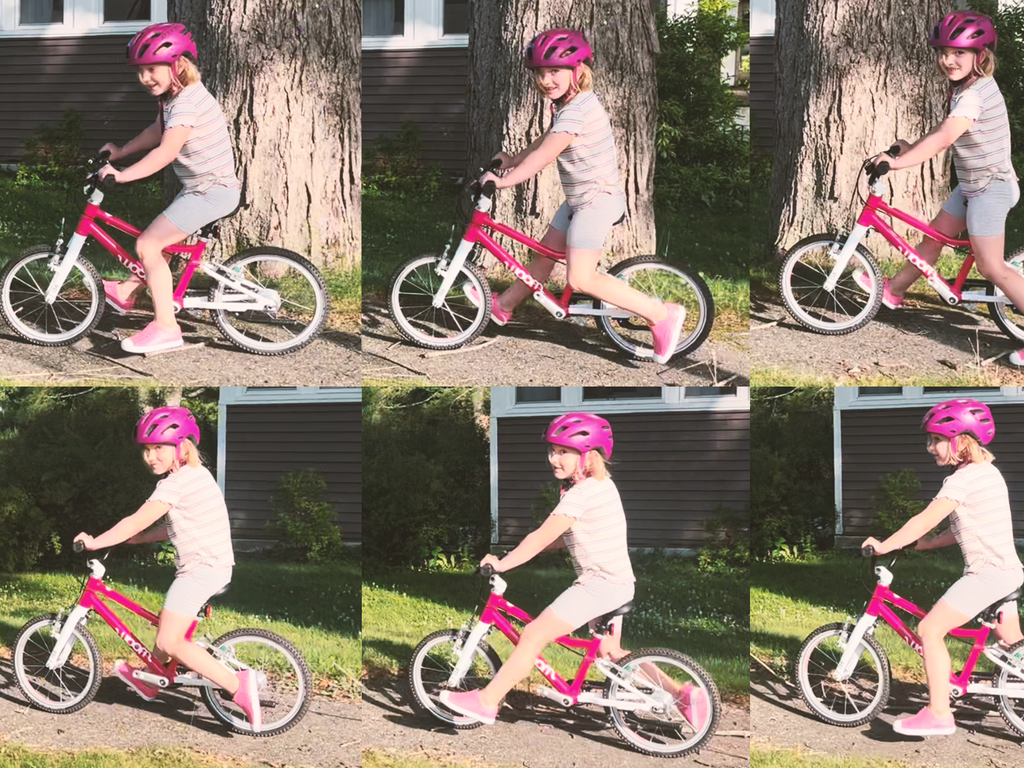
Teaching your 3-year-old to ride a balance bike can be an exciting and rewarding experience. You might wonder how to make the process fun, safe, and effective.
This guide will show you simple steps to help your child gain confidence and master balance quickly. By the end, you’ll have the tools to turn wobbles into smooth rides, making every moment enjoyable for both of you. Ready to see your little one zooming around with a big smile?
Let’s dive in!
Choosing The Right Balance Bike
Teaching a 3 year old to ride a balance bike starts with picking the right bike. The right bike helps your child learn quickly and safely.
Focus on size, weight, and safety features. These make the bike comfortable and easy to use for your little one.
Size And Weight Considerations
Choose a bike that fits your child’s height. The child should sit with both feet flat on the ground. This helps them balance and stop safely.
The bike should be light enough for your child to handle. A heavy bike can make learning harder and cause frustration.
- Check the seat height – it should be about 1-2 inches lower than your child’s inseam.
- Look for bikes made of lightweight materials like aluminum or plastic.
- A bike weight under 7 pounds is best for most 3 year olds.
Safety Features To Look For
Safety is key when choosing a balance bike. Look for parts that protect your child during the ride.
Good safety features give parents peace of mind and keep kids safe as they learn to balance.
- Check for non-slip tires to prevent slipping on smooth surfaces.
- Look for rounded edges on the frame and handlebars.
- Make sure the bike has a reliable hand brake that fits small hands.
- Choose bikes with cushioned grips to avoid hand injuries.
Adjustable Seat And Handlebars
Adjustable parts help the bike grow with your child. This means your child can use the bike longer.
Seats and handlebars that change height keep your child comfortable and balanced while riding.
- Choose a bike with a seat that adjusts up and down easily.
- Handlebars should move to match your child’s arm length.
- Check that adjustments can be done without special tools.
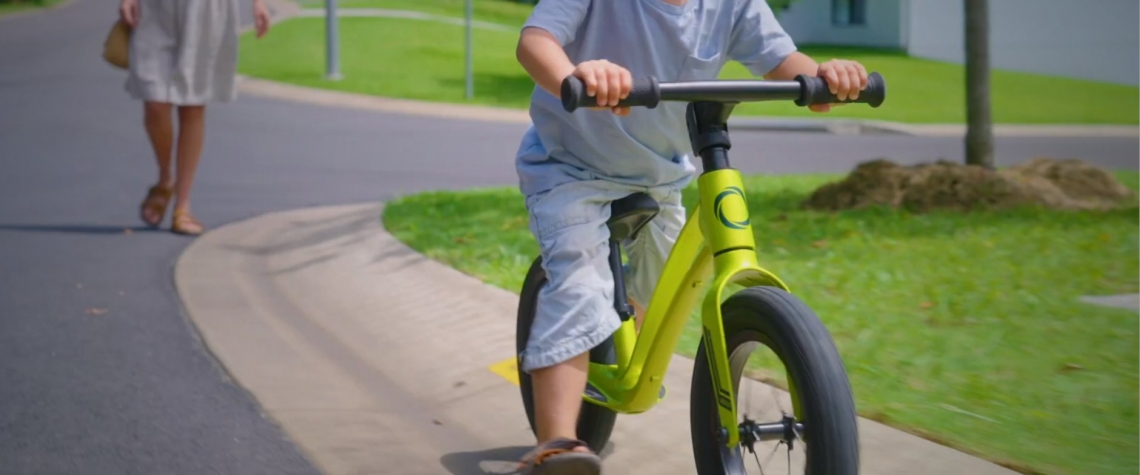
Credit: www.vulyplay.com
Preparing Your Child
Teaching a 3-year-old to ride a balance bike is fun and rewarding. Preparation helps your child feel safe and excited. It also makes learning easier.
Start by getting your child interested and ready to try the bike. Use simple steps to build their confidence before riding outside.
Building Interest And Excitement
Help your child feel excited about the balance bike. Talk about how fun it will be to ride and explore. Show them the bike and let them touch it.
- Tell stories about riding the bike
- Watch videos of other kids on balance bikes
- Let your child choose the bike color or accessories
- Use positive words and smiles to encourage them
Introducing The Bike Indoors
Start with the bike inside your home. This helps your child feel safe while learning. Let them sit on the bike and get used to the feel.
| Activity | Purpose |
| Sit on the bike | Build comfort and balance |
| Push with feet on floor | Learn to move and steer |
| Practice stopping | Understand control and safety |
Wearing Proper Safety Gear
Safety gear protects your child and builds confidence. Make sure they wear the right equipment every time they ride the bike.
- Helmet that fits snugly
- Knee pads for protection
- Elbow pads to prevent scrapes
- Closed-toe shoes for better grip
Starting With Basic Skills
Teaching a 3-year-old to ride a balance bike begins with simple skills. Focus on building balance and control first.
Keep the sessions short and fun to keep your child interested. Patience is key while they learn.
Balancing Without Pedals
A balance bike has no pedals, so kids learn to balance by using their feet. This helps them feel more stable and confident.
Encourage your child to sit on the seat and push with their feet. They should try to lift their feet and balance for a few seconds.
Walking And Scooting Techniques
Start by having your child walk the bike while sitting. This helps them get used to the bike’s size and weight.
Next, ask them to scoot by pushing off the ground with their feet and gliding. This builds leg strength and balance.
- Walk the bike forward slowly
- Push off with one foot to scoot
- Try short glides with both feet up
Encouraging Confidence
Celebrate small successes to keep your child motivated. Praise their effort, not just the results.
Let them take breaks and try again later. Avoid pressure to keep the experience positive and fun.
- Use positive words like “Great job!”
- Show excitement for their progress
- Be patient and supportive

Credit: www.glasgowworld.com
Practicing Outdoor Riding
Teaching a 3-year-old to ride a balance bike is fun and rewarding. Outdoor practice helps kids learn balance and control.
Choosing the right place and giving support makes riding safer and more enjoyable for your child.
Choosing Safe Practice Areas
Pick a flat, open space with little traffic for your child to ride. Avoid busy streets or steep hills.
Look for smooth surfaces like playgrounds, parks, or quiet sidewalks. Make sure the area is free from sharp objects or debris.
- Choose a grassy or paved area with gentle slopes
- Avoid places with cars or bikes moving fast
- Check the ground for rocks, sticks, or holes
- Pick a place with enough room to stop safely
Guiding And Supporting Your Child
Stay close and walk beside your child as they ride. Hold the bike lightly to help balance if needed.
Encourage your child to look ahead and use their feet to push and stop. Praise small successes to build confidence.
- Hold the seat or handlebars gently for support
- Encourage your child to keep feet near the ground
- Remind them to look where they want to go
- Offer praise and smiles to keep them motivated
Handling Small Obstacles
Teach your child how to slow down and step off the bike if needed. Small bumps and cracks can be tricky for beginners.
Show them how to lift the front wheel slightly to go over low obstacles. Practice stopping before rough patches.
- Spot small rocks or sticks on the path
- Guide your child to slow down near bumps
- Teach to step off the bike if it feels unstable
- Practice lifting the front wheel gently over obstacles
Making Learning Fun
Teaching a 3-year-old to ride a balance bike is exciting. Kids learn best when they enjoy the process.
Fun activities help children stay interested and build confidence while learning new skills.
Games And Challenges
Games turn practice into play. Simple challenges can motivate your child to try harder and enjoy riding.
- Set up a small obstacle course with cones or toys
- Time short rides and celebrate improvements
- Play follow-the-leader while riding together
- Encourage your child to count how many feet they ride without stopping
Praise And Positive Reinforcement
Praise helps kids feel proud and want to keep learning. Use kind words and celebrate their efforts.
| What to Say | Why It Helps |
| “Great balance!” | Builds confidence |
| “You tried really hard!” | Encourages effort |
| “Look how far you rode!” | Shows progress |
| “Keep going, you’re doing well!” | Motivates persistence |
Involving Friends And Family
Riding with others makes learning fun and social. Your child will feel excited to practice more.
Try these ideas:
- Invite friends with balance bikes for group rides
- Have family members cheer and join in
- Organize a mini-race with simple rules
- Share progress stories to build excitement

Credit: www.micro-scooters.co.uk
Troubleshooting Common Issues
Teaching a 3 year old to ride a balance bike can be fun but challenging. Kids may face different issues while learning.
Knowing how to handle these problems helps your child enjoy riding and gain confidence faster.
Overcoming Fear And Resistance
Some children feel scared or refuse to try the balance bike. This fear is normal and needs gentle handling.
Stay calm and encourage your child with kind words. Let them watch others ride first to build interest.
- Start in a safe, open space with soft ground
- Let your child sit on the bike without moving
- Use positive praise for small efforts
- Practice short sessions to avoid overwhelm
Dealing With Falls And Scrapes
Falls are common when children learn to ride. Scrapes and bumps can happen but are usually minor.
Keep safety gear like helmets and knee pads on your child. Teach them to fall safely by rolling or using hands.
- Check the area for sharp objects or hard surfaces
- Comfort your child quickly after a fall
- Clean any scrapes and apply a bandage
- Encourage trying again with patience
Adjusting Techniques For Progress
Each child learns at their own pace. Change your teaching methods based on your child’s progress.
If your child struggles with balance, try holding the bike lightly or using a slight slope to help glide.
- Shorten riding times to keep focus
- Encourage pushing off with feet to move forward
- Use fun games to practice balance and steering
- Increase challenges gradually as skills improve
Frequently Asked Questions
What Is The Best Age To Start Balance Bike Training?
Most experts recommend starting balance bike training around 2 to 3 years old. At this age, children develop better coordination and balance. It’s the perfect time to introduce the bike, as toddlers are eager to explore and learn new skills.
How Do I Choose The Right Balance Bike Size?
Choose a balance bike that allows your child’s feet to touch the ground comfortably. The seat height should be adjustable. A properly sized bike ensures safety and helps your child gain confidence while learning to balance.
How Long Does It Take To Learn Balance Bike Skills?
Learning balance bike skills typically takes 1 to 3 weeks with regular practice. Consistency is key, so short daily sessions work best. Every child learns at their own pace, so patience and encouragement are essential.
What Safety Gear Should My 3-year-old Wear?
Always equip your child with a properly fitting helmet. Knee and elbow pads are also recommended for extra protection. Safety gear minimizes injury risk and boosts confidence while riding the balance bike.
Conclusion
Teaching a 3-year-old to ride a balance bike can be fun. With patience and practice, they gain confidence. Start slow and encourage them. Celebrate small successes along the way. Use positive words to boost their spirit. Keep sessions short to maintain interest.
Ensure the bike fits properly for comfort. Safety is important, so helmets are a must. Make it a bonding experience. Play games to make it enjoyable. Soon, they’ll ride with ease. Remember, every child learns at their own pace. Enjoy the journey together.
It’s a rewarding experience for both of you.



