
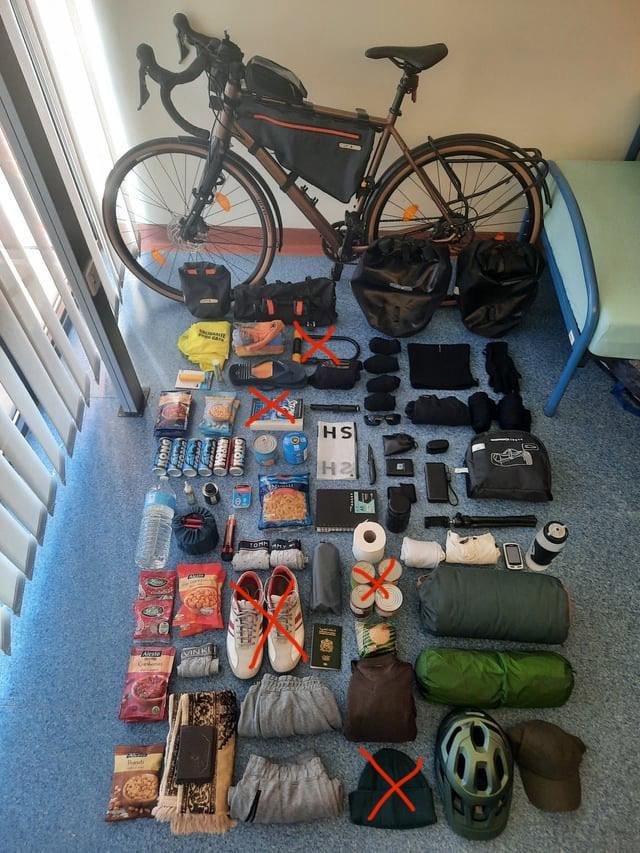
Planning a bikepacking tour across borders? One of the most important steps you can’t afford to skip is preparing your customs documents correctly.
If you get this wrong, you risk delays, fines, or even having your bike held up at the border. But don’t worry—this guide will walk you through exactly what you need to do. By the end, you’ll feel confident handling customs paperwork like a pro, so your adventure starts smoothly and stress-free.
Ready to make sure your bikepacking tour goes off without a hitch? Let’s dive in.

Credit: bikepacking.com
Customs Documents Essentials
Preparing customs documents is key for smooth bikepacking tours across borders. You need to know what papers to carry.
Clear and correct documents help avoid delays and fines at customs checkpoints during your trip.
Key Documents Needed
Carry these main documents to pass customs easily on your bikepacking tour:
- Passport with a valid visa, if required
- Vehicle registration or bike ownership papers
- Customs declaration forms for your gear
- Travel insurance documents
- Receipts for expensive equipment
Importance Of Accurate Paperwork
Customs officers check documents carefully. Mistakes cause delays or confiscation of items.
| Common Error | Possible Result |
| Missing signature | Form rejected |
| Incorrect dates | Delays in processing |
| Wrong vehicle details | Fines or denial of entry |
| Lack of receipts | Questioning of ownership |
Common Customs Terms
Knowing these terms helps you understand customs rules during your travels:
- Declaration:Informing customs about goods you carry.
- Duty:Tax on imported or exported items.
- Exemption:Goods allowed without paying duty.
- Inspection:Customs checking your documents and gear.
- Bonded:Goods held until duties are paid.
Preparing Your Bikepacking Documents
Bikepacking tours often cross country borders. Proper documents help avoid delays. Preparing your paperwork saves time and stress.
Check all your documents before the trip. Keep copies of important papers in a safe place.
Passport And Visa Requirements
Your passport must be valid for the entire trip. Some countries require six months of validity after entry.
Check visa rules for each country you visit. Some countries allow visa-free entry, others require advance application.
- Verify passport expiration date
- Research visa needs for each destination
- Apply for visas early if needed
- Carry printed copies of passport and visa pages
Bike Registration Papers
Some countries ask for bike registration papers at customs. These papers prove the bike is legally registered to you.
Check if your bike needs official registration. Carry the original and a copy during your tour.
- Confirm registration rules in each country
- Keep registration documents handy
- Have copies in case originals get lost
Proof Of Ownership
Proof of ownership shows you own the bike. This helps avoid theft suspicion at border checks.
Proof can be a sales receipt or a notarized letter. Keep these papers with you and in digital form.
- Bring original purchase receipt or bill of sale
- Get a notarized ownership letter if needed
- Store digital copies on your phone or cloud
Packing And Declaring Gear
Preparing customs documents for bikepacking tours is important. You must pack your gear carefully and declare it properly.
Clear customs faster by listing your items correctly. This helps avoid delays and fines during travel.
List Of Items To Declare
Declare all gear you carry on your bikepacking trip. This includes equipment, tools, and personal items.
Be honest and detailed about your belongings. Customs officers need to know what you have with you.
- Bicycle and parts
- Camping gear like tents and sleeping bags
- Cooking equipment and fuel containers
- Clothing and footwear
- Electronic devices and batteries
- Food and drink supplies
- Tools and repair kits
Handling Restricted Or Prohibited Goods
Some items are restricted or banned in certain countries. Check rules before packing these goods.
Declare any restricted items to customs. This includes sharp tools, fuels, or plants you carry.
- Sharp knives or blades may be limited
- Fuel and flammable liquids often require permits
- Fresh food and plants may need inspection
- Weapons or self-defense items are usually banned
- Large batteries might have shipping restrictions
Tips For Itemizing Your Gear
Make your item list clear and easy to read. Use simple words and group similar items together.
Write down brand names, quantities, and values. This helps customs officers verify your gear quickly.
- Use categories like bike parts, camping, clothing
- Note how many of each item you have
- Include approximate value for each gear piece
- Keep receipts or proof of purchase handy
- Review and update your list before traveling
Filling Out Customs Forms
Customs forms are necessary for bikepacking tours that cross borders. These forms help officials check your items and allow smooth travel.
Filling out customs forms correctly saves time and avoids delays at checkpoints. Let’s look at how to do this right.
Step-by-step Form Completion
Start by writing your full name and contact details clearly. Use the name on your passport or ID.
List all items you carry, including your bike and camping gear. Be honest and specific to avoid issues.
- Write the item name and quantity
- Include the value of each item
- Declare any food, tools, or electronics
- Sign and date the form before submitting
Common Mistakes To Avoid
Do not leave any blank fields on the form. Missing information can cause delays or fines.
Avoid vague descriptions like “personal items.” Be clear about what you carry to prevent confusion.
- Double-check spelling of names and addresses
- Do not forget to sign the form
- Do not declare incorrect item values
- Do not bring prohibited items
Digital Vs. Paper Forms
Some countries offer digital customs forms you can fill online before travel. Others require paper forms at the border.
Digital forms are faster and save paper. Paper forms are useful if internet access is poor or unavailable.
- Fill digital forms on official websites or apps
- Print digital forms if required by customs
- Keep paper forms neat and legible
- Bring extra pens for filling paper forms
Crossing Borders With Your Bike
Traveling with your bike across countries needs good planning. You must prepare customs documents for smooth border crossing.
Each country has rules about bringing in bikes. Knowing these rules helps avoid delays and fines.
Customs Procedures At Different Borders
Customs rules change from one border to another. Some require you to declare your bike, others do not.
At many borders, you must show proof of ownership or purchase. Keep your bike receipt or registration ready.
- Declare your bike if needed
- Show proof of ownership
- Fill out customs forms correctly
- Ask border officers if unsure
Temporary Import Permits
Some countries ask for a temporary import permit for your bike. This lets you use the bike without paying import taxes.
Apply for this permit at the border or online before your trip. The permit usually has a time limit.
- Check if the country needs a permit
- Prepare documents like passport and bike details
- Apply at the border or online
- Keep the permit with you at all times
- Return the permit when you leave the country
Dealing With Inspections
Border officers may inspect your bike and bags. They check for prohibited items and confirm your documents.
Stay calm and answer questions clearly. Show your documents quickly to speed up the process.
- Keep your bike clean and organized
- Have all papers ready
- Do not hide anything
- Answer politely and honestly
- Follow officer instructions
Credit: bikepacking.com
Tips For Smooth Customs Clearance
Bikepacking tours often cross international borders. Preparing your customs documents carefully helps avoid delays. Clear paperwork makes customs checks faster and easier.
Understanding what to prepare and how to communicate with customs officers is key. Using the right support can also simplify the process. Follow these tips to make your crossing smooth.
Preparing Documentation In Advance
Gather all necessary documents before your trip. This includes your passport, bike registration, and proof of ownership. Having digital and printed copies is helpful.
- Check the entry requirements of each country you visit
- Prepare invoices or receipts for your bike and gear
- Fill out any required customs declaration forms
- Keep documents organized in a folder or app
- Label your equipment clearly
Communicating With Customs Officers
Be polite and clear when speaking with customs officers. Answer questions honestly and provide requested documents promptly. Avoid arguing or giving extra information.
| Tip | Reason |
| Stay calm and patient | Reduces stress and speeds up processing |
| Use simple language | Makes communication easier |
| Have documents ready | Shows you are prepared and trustworthy |
| Follow instructions carefully | Prevents misunderstandings |
| Respect customs rules | Avoids fines or confiscation |
Using Customs Brokers Or Agents
Customs brokers help handle paperwork and communication with customs offices. They know the rules and can speed up clearance. Hiring one can save time if you cross many borders.
- Expert knowledge of customs laws
- Helps avoid mistakes on forms
- Speeds up processing times
- Provides support if issues arise
- Manages payments of duties or taxes
Handling Customs Issues
Bikepacking tours across borders need careful customs planning. Customs officers check your documents and gear at entry points.
Knowing how to handle customs problems saves time and stress on your trip.
What To Do If Documents Are Missing
If you lose or forget customs papers, stay calm and act quickly. Explain your situation politely to the customs staff.
- Show any identification you have.
- Provide proof of your trip, like tickets or bookings.
- Ask for time to contact someone who can send copies.
- Follow all instructions from the officers.
Resolving Disputes
Disputes may happen if customs officers question your items or paperwork. Stay respectful and clear when talking.
| Common Issue | How to Resolve |
| Unclear item description | Explain the use and show photos if possible |
| Missing document | Request time to provide documents or contact support |
| Item restricted or banned | Declare honestly and ask about alternatives |
| Language barriers | Use translation apps or ask for interpreter help |
Contacting Embassies Or Consulates
Embassies and consulates can help if customs issues block your travel. Keep their contact info handy before your trip.
- Call them for advice on your situation.
- Ask for official letters or documents if needed.
- Request help with legal or language problems.
- Visit in person if you stay near their office.

Credit: bikepacking.com
Frequently Asked Questions
What Documents Are Needed For Bikepacking Customs Clearance?
You need your passport, bike registration, proof of ownership, and a detailed packing list. Some countries may require a carnet de passage. Check specific country rules before traveling to avoid issues.
How Do I Prepare A Packing List For Customs?
List all items on your bike and in your bags, including electronics and tools. Be clear and detailed to speed up customs checks. Keep a copy with you and one with your bike.
Can I Use A Carnet De Passage For Bikepacking Tours?
Yes, a carnet de passage is an international customs document for temporarily importing bikes. It simplifies border crossings and avoids import duties. Check if your destination country accepts it before your trip.
How Early Should I Prepare Customs Documents Before Departure?
Prepare all documents at least two weeks before your trip. This allows time to gather paperwork and handle unexpected issues. Early preparation ensures smooth border crossings during your bikepacking tour.
Conclusion
Mastering customs documents ensures smooth bikepacking tours. Preparation is key. Gather necessary documents early. Double-check all details for accuracy. Proper organization saves time and stress. Ensure your bike fits regulations. Different countries have different rules. Research them. Keep copies of all documents.
Digital backups are helpful. Stay informed about customs changes. Travel with confidence and ease. Enjoy your bikepacking adventures without hassles. Happy trails!



