
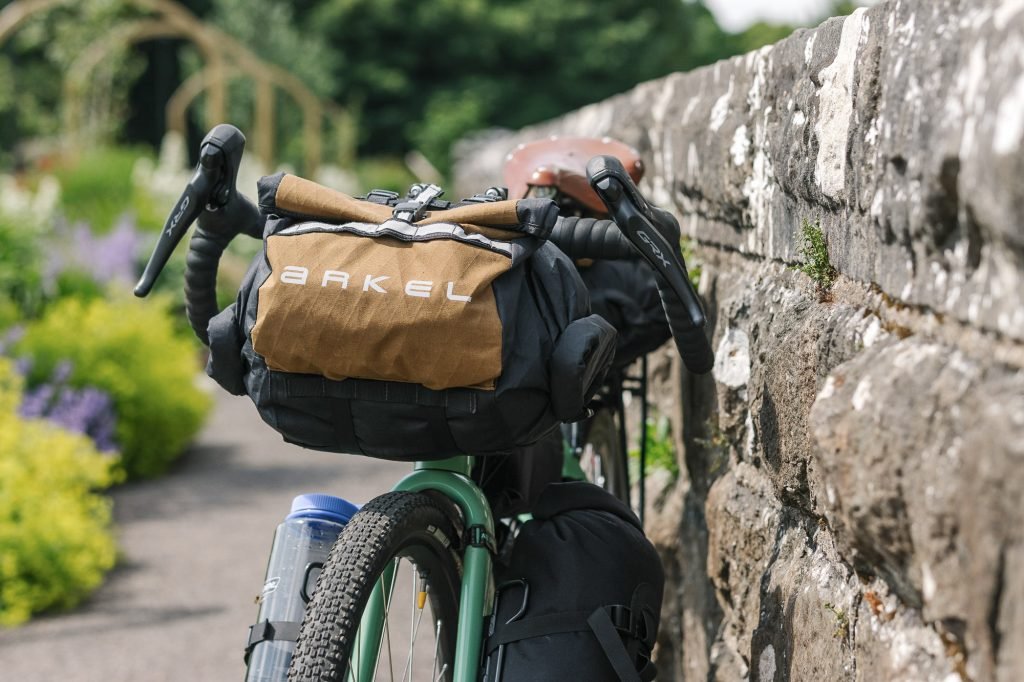
Camping in deserts while bikepacking is an adventure like no other. The wide-open spaces, quiet nights, and stunning sunrises create memories you’ll never forget.
But camping in the desert also comes with unique challenges. You need to be prepared to handle extreme temperatures, scarce water, and rough terrain. If you want to enjoy this experience safely and comfortably, you’ve got to know the right tips and tricks.
Keep reading, and you’ll discover how to make your desert bikepacking trip both thrilling and hassle-free. Your next unforgettable adventure starts here.
Choosing The Right Desert Bikepacking Gear
Camping in deserts while bikepacking needs special gear. The right equipment keeps you safe and comfortable. You must prepare for hot days and cold nights.
This guide covers three key areas. These are your bike setup, camping equipment, and clothing for desert weather.
Essential Bike Setup
Your bike must handle rough desert trails and carry your gear. Choose a strong frame and wide tires. These help with rocky and sandy paths.
- Use tires with deep tread for better grip.
- Install a sturdy rack to hold your bags.
- Choose a comfortable saddle for long rides.
- Bring extra tubes and a pump for repairs.
- Use waterproof bags to protect your items.
Durable Camping Equipment
Desert camping needs gear that works in heat and wind. Pick tents and sleeping bags made for dry, hot places.
| Equipment | Feature | Benefit |
| Tent | Lightweight, Ventilated | Keeps cool and easy to carry |
| Sleeping Bag | Compact, Breathable | Comfort in hot nights |
| Sleeping Pad | Insulated, Thick | Protects from cold ground |
| Cooking Stove | Portable, Fuel Efficient | Easy meals with little fuel |
| Water Storage | Large Capacity, Durable | Carry enough water safely |
Clothing For Desert Conditions
Clothing must protect you from the sun and keep you cool. Use light colors and breathable fabrics. Cover your skin to avoid sunburn.
- Wear a wide-brimmed hat to shield your face.
- Choose long sleeves and pants made of lightweight fabric.
- Use UV-protection sunglasses to protect your eyes.
- Bring moisture-wicking socks to keep feet dry.
- Pack a buff or neck gaiter for dust and sun protection.
Planning Your Desert Route
Camping in deserts while bikepacking needs careful planning. You must think about water, safety, and timing.
Desert conditions can be harsh, so prepare your route well. This helps you stay safe and enjoy your trip.
Mapping Water Sources
Water is very important in the desert. Find water points before you start your ride.
Look for natural springs, wells, or campsites with water. Mark these on your map or GPS device.
- Check satellite images for water spots
- Use local guides or park information
- Plan your route to pass these water points
- Carry enough water to reach the next source
Identifying Safe Campsites
Choose campsites that protect you from wind and heat. Look for natural shelters or flat, open spaces.
Avoid dry riverbeds that may flood. Stay away from steep slopes or rocky areas that are hard to camp on.
- Find shaded areas for daytime rest
- Check the ground for flatness and firm soil
- Keep distance from animal trails and plants
- Set up camp before dark to avoid risks
Timing Your Ride
Plan your ride to avoid the hottest parts of the day. Early mornings and late afternoons are best.
Try to camp during cooler hours and rest when the sun is high. This helps prevent heat exhaustion.
- Start riding at sunrise
- Take breaks in shaded or cool spots
- Stop cycling before sunset to set camp
- Check weather forecasts for temperature changes
Water Management Strategies
Camping in deserts while bikepacking needs smart water planning. Water is scarce, so managing it well keeps you safe.
Use good water strategies to stay hydrated and avoid dehydration in dry, hot conditions.
Carrying Enough Water
Bring enough water for your whole trip. Plan how much you need each day based on heat and effort.
Use large water bottles or hydration packs on your bike to carry more water easily.
- Calculate daily water needs (at least 3-4 liters per person)
- Carry extra water for emergencies
- Use lightweight containers that fit your bike frame
- Refill whenever you find a water source
Purification Techniques
Desert water sources may have germs or dirt. Purify water before drinking to stay healthy.
Carry simple purification tools that are easy to use on the trail.
- Use water filters to remove particles and bacteria
- Bring purification tablets for quick chemical cleaning
- Boil water if you have a stove or fire safely
- Choose clean water sources to reduce contamination risks
Conserving Hydration
Save water by drinking only when needed and avoiding waste. Stay cool to reduce sweating.
Use simple habits to keep your hydration steady during your desert bike trip.
- Drink small amounts regularly, not large gulps
- Rest in shade to lower water loss
- Avoid salty foods that increase thirst
- Wear light, breathable clothing to keep cool
Setting Up Camp In Harsh Conditions
Camping in the desert while bikepacking is a unique challenge. The environment is dry, hot, and windy. Setting up your camp right helps you stay safe and comfortable.
Good preparation and smart choices make camping easier. You need to protect yourself from sand, wind, and temperature changes.
Choosing Shelter Location
Pick a spot that is flat and away from dry riverbeds. These can flood suddenly after rain. Look for natural windbreaks like rocks or bushes.
Avoid low spots where cold air settles at night. Also, stay clear of areas with loose sand that can blow into your tent.
- Find flat, stable ground
- Avoid dry riverbeds or flood zones
- Use natural windbreaks
- Stay away from loose sand patches
Protecting From Sand And Wind
Sand and wind can make camping uncomfortable. Use a sturdy tent with a strong rainfly to block wind and sand.
Secure all tent stakes deeply. Use extra rocks or gear to hold down corners. Close all zippers to keep sand out.
- Choose a tent designed for strong winds
- Stake tent firmly, add weight if needed
- Keep tent closed to stop sand entry
- Wear a bandana or mask to protect face
Campfire Safety
Campfires in deserts need extra care because dry plants catch fire easily. Clear an area free of dry grass and leaves before lighting a fire.
Keep water or sand nearby to put out the fire quickly. Never leave the fire unattended and fully extinguish it before sleeping or leaving.
- Clear dry brush from fire area
- Build fire in a safe, small pit
- Keep water or sand close by
- Never leave fire alone
- Extinguish fire fully before rest
Staying Cool And Avoiding Heatstroke
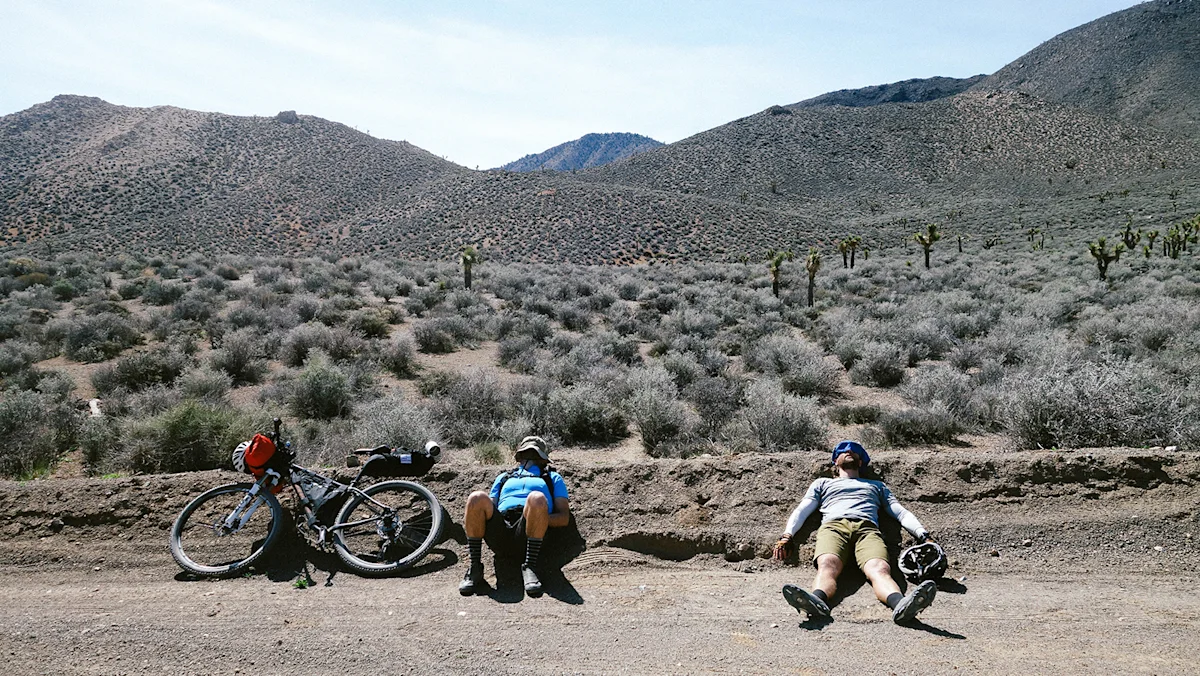
Cycling through deserts on a bike can be thrilling but very hot. You must stay cool to avoid heatstroke. Heatstroke can be dangerous if not noticed early.
Knowing the best times to ride, how to cool down, and signs of heat illness helps you stay safe in the desert heat.
Optimal Riding Times
Ride early in the morning or late in the afternoon. The sun is less strong then. Avoid riding during midday when the heat peaks.
- Start before sunrise to catch cool air.
- Take breaks in shaded areas around noon.
- Resume riding after 4 PM when temperatures drop.
Cooling Techniques
Use simple ways to cool your body while bikepacking in deserts. Keep your skin wet and wear light clothing.
Cooling Tips
- Wear a wide-brimmed hat and light colors.
- Use a damp bandana or neck gaiter.
- Drink water often to stay hydrated.
- Rest in shade when possible.
- Use a spray bottle to mist your face and arms.
Recognizing Heat-related Illness
Heat illness can start with mild symptoms but get worse fast. Know the warning signs to act quickly.
| Symptom | Description | What to Do |
|---|---|---|
| Heavy sweating | Skin is wet and cool | Drink water and rest |
| Weakness | Feeling very tired or dizzy | Stop riding and cool down |
| Headache | Throbbing or sharp pain | Drink fluids, find shade |
| Nausea | Feeling sick or vomiting | Rest and hydrate |
| Confusion | Not thinking clearly | Seek medical help immediately |
Credit: www.fieldmag.com
Navigating Desert Terrain Safely
Camping in deserts while bikepacking needs special care. The terrain is tough and can change quickly.
Knowing how to move safely helps you avoid accidents and enjoy your trip more.
Handling Sand And Loose Surfaces
Sand and loose soil make riding hard. Your tires can slip or sink, causing falls.
Keep your speed steady and avoid sudden turns. Use a lower gear to keep control.
- Lower tire pressure to increase grip
- Ride smoothly without sharp brakes
- Choose routes with harder ground when possible
Using Gps And Compass
Deserts have few landmarks, so navigation tools are key. GPS helps you track your path.
Always carry a compass as backup. Know how to read it before your trip.
- Check GPS battery before you start
- Mark waypoints for camps and water stops
- Use compass with a map for precise navigation
Avoiding Wildlife Encounters
Deserts have animals that can be dangerous if surprised. Keep your distance and stay alert.
Store food away from your tent to avoid attracting animals. Make noise when moving to warn them.
- Do not feed or touch wild animals
- Use a flashlight at night to spot animals early
- Keep your campsite clean and free of food scraps
Emergency Preparedness
Camping in deserts while bikepacking needs careful planning. The desert is a tough place with hot days and cold nights.
Being ready for emergencies can keep you safe. Learn how to handle first aid, call for help, and fix your bike.
First Aid Essentials
Bring a small first aid kit with basic supplies. Treat cuts, blisters, and insect bites quickly to avoid infection.
Know how to use your first aid tools. Carry items like bandages, antiseptic wipes, pain relievers, and tweezers.
- Sterile bandages and gauze
- Antiseptic wipes and cream
- Pain relievers like ibuprofen
- Tweezers for splinters
- Allergy medication if needed
Signaling For Help
In deserts, phone signals may be weak or absent. Carry tools to signal rescuers if you get lost or injured.
Bright colors, mirrors, and whistles can attract attention. Learn basic signals like SOS in light or sound.
- Carry a signal mirror to reflect sunlight
- Use a whistle to make loud sounds
- Wear bright clothing or use flags
- Use a flashlight to flash SOS at night
Dealing With Mechanical Failures
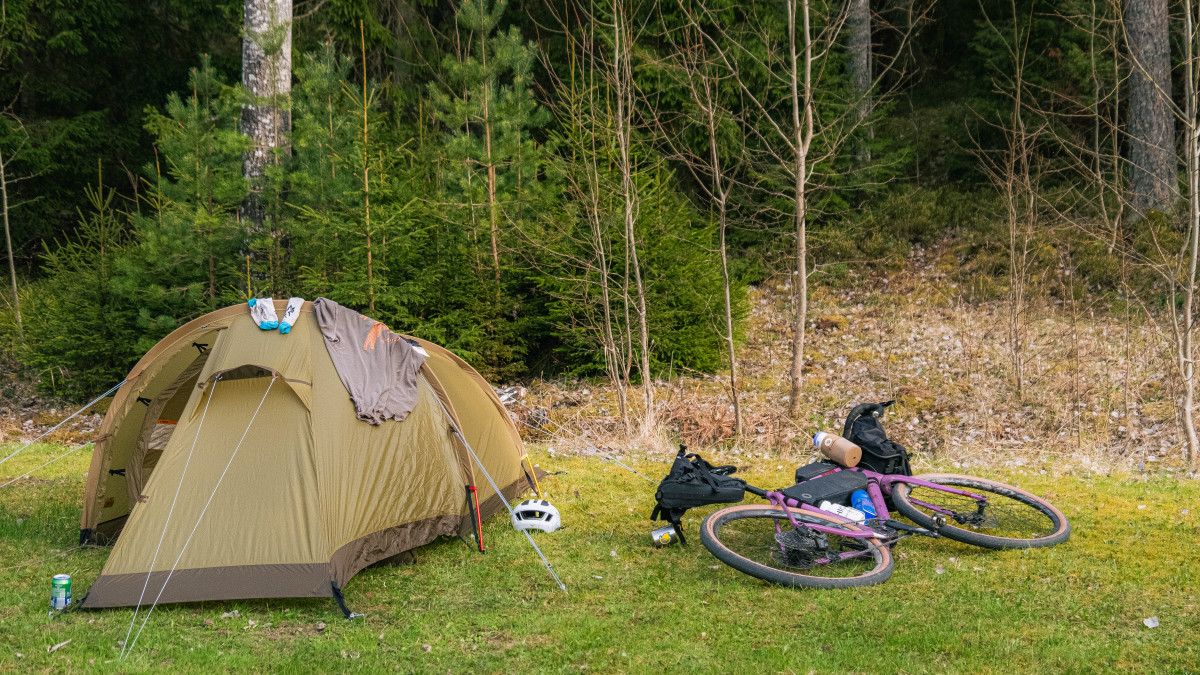
Bike issues are common when riding in deserts. Carry tools and parts to fix common problems like flat tires.
Know how to repair your bike. Practice fixing flats and adjusting brakes before your trip.
- Spare inner tubes and patch kit
- Mini pump or CO2 inflator
- Multi-tool for bike repairs
- Chain lube and spare chain links
- Tire levers to remove tires
Credit: www.bikemag.com
Food Choices For Desert Bikepacking
Camping in the desert while bikepacking needs smart food choices. The dry heat and long rides require food that fuels you well.
You must carry food that stays fresh, gives energy, and does not weigh much. Planning your meals carefully is important for a safe trip.
Lightweight And Nutritious Options
Choose foods that are light and full of nutrients. Heavy food can slow you down and use more energy.
Good choices include nuts, dried fruits, energy bars, and dehydrated meals. These foods provide protein, fats, and carbs to keep you going.
- Trail mix with nuts and dried fruits
- Energy bars with balanced nutrients
- Dehydrated soups or pasta
- Instant oatmeal packets
- Nut butters in small packets
Storing Food Safely
Desert heat can spoil your food quickly. Keep food in airtight containers or resealable bags to protect it.
Store food in a cool, shaded place on your bike or camp. Use a dry bag or insulated container if possible. Avoid exposing food to direct sunlight.
- Use resealable plastic bags or vacuum-sealed packs
- Keep food in shaded parts of your bike bag
- Avoid carrying fresh food that spoils fast
- Check food daily for signs of spoilage
Meal Planning On The Trail
Plan your meals to match your daily energy needs and trip length. Eating enough helps you stay strong on the trail.
Pack simple meals that are easy to prepare. Plan snacks for quick energy during rides and bigger meals for rest times.
- Breakfast: instant oatmeal or energy bars
- Lunch: trail mix or nut butter sandwiches
- Dinner: dehydrated meals with added water
- Snacks: nuts, dried fruits, or energy gels

Credit: www.reddit.com
Frequently Asked Questions
What Essential Gear Is Needed For Desert Bikepacking Camping?
Essential gear includes a lightweight tent, hydration system, sun protection, bike repair kit, and layered clothing. Pack high-energy food and a reliable navigation device. Always carry extra water and emergency supplies for safety in harsh desert conditions.
How To Stay Hydrated While Bikepacking In The Desert?
Drink small amounts of water frequently throughout the day. Use a hydration pack for easy access. Avoid caffeine and alcohol, as they dehydrate you. Plan your route around water sources and carry extra water to stay safe.
What Are The Best Times To Camp In Deserts By Bike?
Early mornings and evenings are ideal for camping due to cooler temperatures. Avoid midday heat by cycling early or late. Desert nights can be cold, so prepare for temperature swings with appropriate clothing and gear.
How To Protect Yourself From Desert Sun During Bikepacking?
Wear a wide-brimmed hat, UV-blocking sunglasses, and sunscreen with high SPF. Use lightweight, long-sleeve clothing to cover skin. Take breaks in shaded areas when possible to prevent heatstroke and sunburn.
Conclusion
Camping in deserts while bikepacking offers unique experiences. Embrace the beauty of vast landscapes. Remember to pack essentials like water and sun protection. Choose a campsite wisely for safety and comfort. Enjoy the quiet nights under the stars. These adventures create unforgettable memories.
They bring you closer to nature. Respect the environment and leave no trace. Your desert bikepacking journey awaits with excitement and discovery. Happy trails!



