
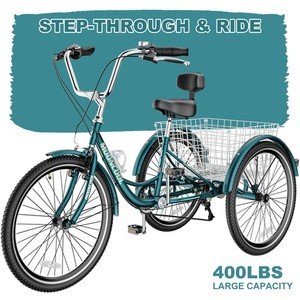
Are you thinking about buying an adaptive bike but worried about the cost? Buying second hand could be the perfect solution for you.
Adaptive bikes can open up a world of freedom and fun, but finding the right one takes some careful steps. You’ll discover simple tips to help you choose a safe, comfortable, and affordable adaptive bike that fits your needs. Keep reading to make sure your next ride is exactly what you deserve.
Choosing The Right Adaptive Bike
Buying a second hand adaptive bike can be a smart choice. It helps save money and supports a sustainable lifestyle. Choosing the right bike is important to ensure comfort and safety for the rider.
Focus on the type of bike, the features you need, and the correct size. This guide will help you make a good decision when buying used adaptive bikes.
Types Of Adaptive Bikes
Adaptive bikes come in different styles to meet various needs. Some are designed for people with balance issues, others for those with limited leg strength or arm mobility. Knowing the types helps narrow down choices.
- Tricycles: Three wheels for extra stability
- Recumbent bikes: Reclined seating for comfort
- Handcycles: Powered by hand pedals
- Tandem bikes: Two seats for a partner or helper
- Electric assist bikes: Motor helps with pedaling
Matching Bike Features To Needs
Each rider has different needs. Look at bike features and check if they match those needs. Focus on comfort, ease of use, and safety.
| Feature | Benefit |
| Adjustable seat | Fits different body sizes |
| Easy brake system | Improves control and safety |
| Step-through frame | Makes getting on and off easier |
| Supportive backrest | Increases comfort for long rides |
| Hand pedals | Allows use without leg strength |
Size And Fit Considerations
Size matters a lot in adaptive bikes. A poor fit can cause discomfort and injury. Always check the bike’s size before buying.
- Measure the rider’s height and leg length
- Check seat height and adjustability
- Look at handlebar reach and position
- Test if the rider can easily reach pedals and brakes
- Ensure the bike frame suits the rider’s body type
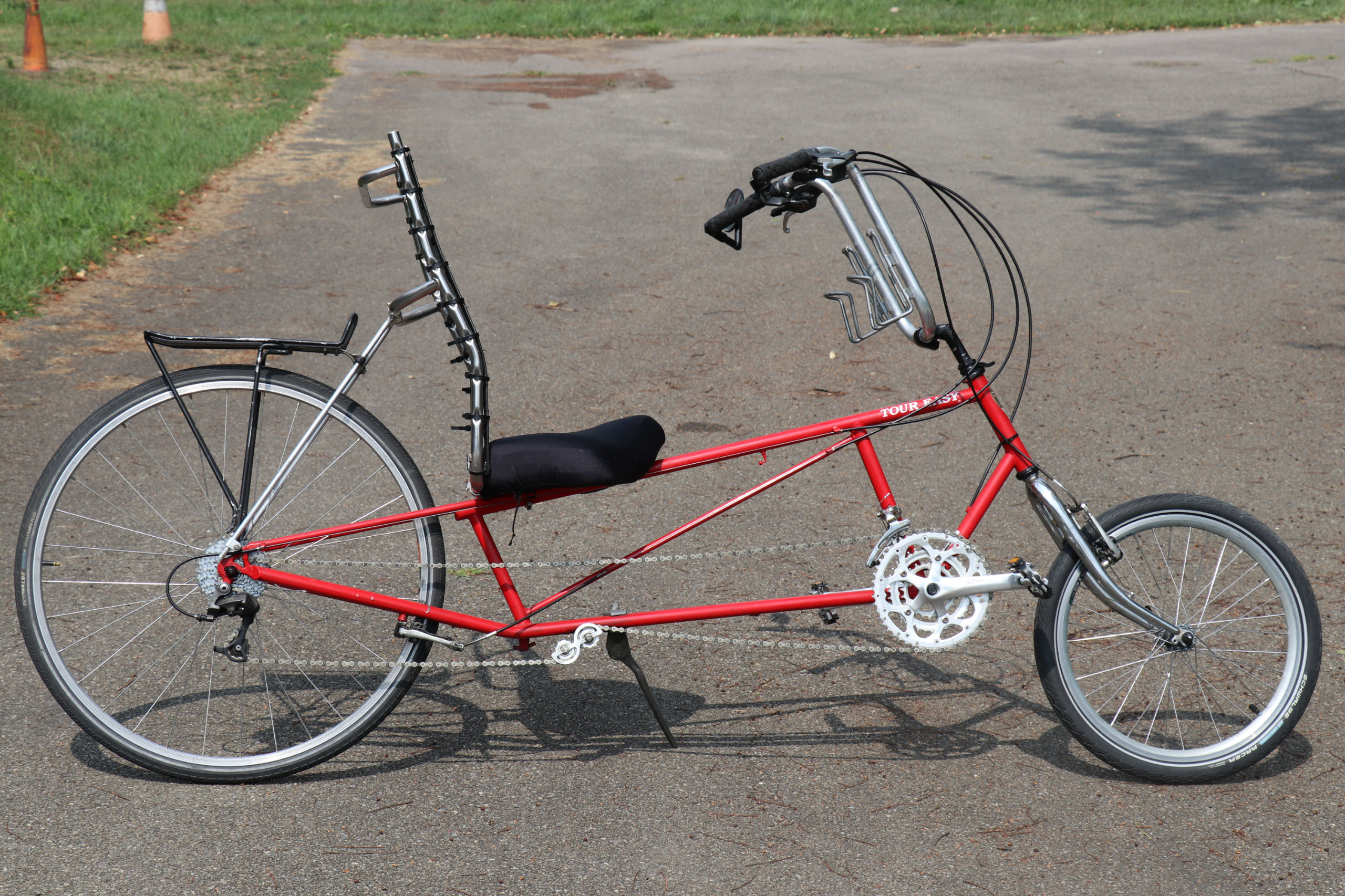
Credit: bicycleman.com
Where To Find Used Adaptive Bikes
Buying a used adaptive bike can save money and help you find the right fit. Adaptive bikes support riders with different needs.
Here are some good places to look for second hand adaptive bikes. Each option has its own benefits.
Online Marketplaces And Forums
Online marketplaces have many used adaptive bikes. You can compare prices and models easily. Forums let users share tips and sell bikes.
Popular sites often have filters to narrow your search. Forums may have local groups for faster sales.
- Check websites like eBay and Craigslist
- Search Facebook Marketplace for local deals
- Join adaptive biking forums for advice and sales
- Look for seller ratings and reviews
Local Bike Shops And Rehab Centers
Local bike shops sometimes sell used adaptive bikes. Rehab centers may have bikes from previous patients.
These places offer expert advice. You can see and test the bike before buying. Staff can help you find the right size and style.
- Visit bike shops with a focus on adaptive equipment
- Ask rehab centers if they sell or know sellers
- Look for repairs or refurbishing options
Community Groups And Events
Community groups often hold events or sales for adaptive bikes. These are good places to meet other riders and learn more.
Events may include swap meets or charity sales. Groups share information about where to buy or sell adaptive bikes.
- Join local adaptive sports or cycling clubs
- Attend bike fairs or swap meets
- Look for charity events supporting adaptive riders
- Use social media to find community groups
Inspecting A Secondhand Adaptive Bike
Buying a secondhand adaptive bike saves money and gives a good option for many riders. It is important to check the bike well before buying. This helps avoid problems later.
Focus on key parts like the frame, mechanical components, and any custom changes. Each area needs a careful look to make sure the bike is safe and works well.
Frame And Structural Integrity
Check the frame for cracks, dents, and rust. Look at welds and joints closely. Any damage here can make the bike unsafe. Also, make sure the frame size fits the rider’s needs.
- Look for cracks or dents on the frame tubes
- Check welds and joints for signs of weakness
- Inspect for rust or corrosion, especially on metal parts
- Confirm the frame size matches the rider’s measurements
- Check that all frame parts are straight and not bent
Checking Mechanical Components
Test brakes, gears, and tires to see if they work properly. Worn parts can cost extra to fix. Make sure moving parts move smoothly without noise or resistance.
| Component | What to Check | Signs of Problem |
|---|---|---|
| Brakes | Brake pads and cables | Worn pads, loose cables, weak stopping |
| Gears | Shifting smoothness | Skipping gears, hard to shift |
| Tires | Tread and sidewalls | Cracks, bald spots, low pressure |
| Chain | Rust and tight links | Rust, stiff links, excessive wear |
Assessing Custom Modifications
Adaptive bikes often have custom parts for special needs. Check these changes carefully. See if they are safe and suit the rider’s requirements.
Ask these questions about custom parts:
- Are the custom parts firmly attached?
- Do they interfere with normal bike functions?
- Are the materials strong and in good condition?
- Have the modifications been professionally done?

Credit: www.ebay.com
Negotiating Price And Warranties
Buying an adaptive bike second hand can save money. It is important to negotiate price and check warranties carefully.
Knowing the market and the bike’s condition helps you get a fair deal. Warranties protect your purchase and give peace of mind.
Researching Market Prices
Check prices of similar adaptive bikes online and in stores. This gives you a clear idea of what is reasonable to pay.
| Bike Model | Average Price | Condition |
| Adaptive Bike A | $800 | Used |
| Adaptive Bike B | $1200 | Like New |
| Adaptive Bike C | $600 | Needs Repair |
Asking About Maintenance History
Ask the seller about any repairs or part replacements. Knowing maintenance helps you understand the bike’s current state.
- When was the last tune-up?
- Have any parts been replaced?
- Are there any ongoing issues?
- Is the bike regularly cleaned and stored properly?
Understanding Return Policies
Check if the seller offers a return policy or warranty. This protects you if the bike has hidden problems.
Some sellers may offer limited warranties on parts or repairs. Always ask for details before buying.
- Is there a money-back guarantee?
- How long is the return period?
- Who pays for return shipping?
- Are repairs covered after purchase?
Safety And Comfort Adjustments
Buying a second-hand adaptive bike requires careful checks. Safety and comfort are very important for a good riding experience.
Adjusting the bike to fit the rider well helps prevent injuries and makes riding easier and more fun.
Adjusting Seating And Supports
Check the seat for damage and comfort. The seat should fit the rider’s size and shape well.
Supports like backrests and straps must be secure and adjustable. They help keep the rider stable and safe.
- Make sure the seat height suits the rider’s legs
- Check if backrests can be moved or tilted
- Look for padded supports to prevent pressure points
- Test straps and belts for firmness and adjustability
Upgrading Brakes And Tires
Brakes must work well for safe stops. Inspect the brake pads and cables closely.
Tires should have good tread and no cracks. Proper tires improve grip and comfort on different surfaces.
- Replace worn brake pads for better stopping power
- Lubricate brake cables to ensure smooth function
- Choose tires with enough tread for the terrain
- Inflate tires to the right pressure for comfort and control
Adding Accessories For Comfort
Comfort accessories make rides longer and more pleasant. Look for grips, cushions, and sunshades.
Adding these parts can improve the experience without much cost. Choose items that fit the bike and rider well.
- Soft handlebar grips reduce hand fatigue
- Cushioned seat pads add comfort on rough rides
- Sunshades protect from weather during long trips
- Mirrors improve safety by increasing visibility
Maintaining Your Adaptive Bike
Keeping your adaptive bike in good shape is important for safety and comfort. Regular care helps the bike last longer and work better.
Simple maintenance tasks can save money and avoid problems. Below are key tips for cleaning, tune-ups, and storing your bike.
Regular Cleaning And Lubrication
Clean your bike often to remove dirt and sweat. Lubricate moving parts to keep them smooth and stop rust.
- Use a soft cloth and mild soap to clean the frame.
- Wipe the chain and gears gently with a brush.
- Apply bike oil to the chain and pivot points.
- Avoid spraying water directly on bearings.
Scheduling Professional Tune-ups
Visit a bike shop for a full check-up at least once a year. Experts can spot issues you might miss.
| Service | What It Includes | Frequency |
| Brake Check | Inspect pads and cables | Every 6 months |
| Gear Adjustment | Align gears and shift smoothly | Annually |
| Tire Inspection | Check for wear and proper pressure | Before each ride |
| Frame Inspection | Look for cracks or damage | Annually |
Storing The Bike Properly
Keep your bike safe and dry when not in use. Proper storage stops damage from weather and accidents.
- Store indoors or under a cover.
- Keep the bike away from damp or direct sunlight.
- Use a bike stand to avoid pressure on tires.
- Remove batteries if you have electric parts.

Credit: www.ebay.com
Frequently Asked Questions
What Should I Check Before Buying A Second Hand Adaptive Bike?
Inspect the frame for cracks or rust. Test brakes and gears for smooth operation. Verify the bike fits the rider’s size and needs. Check tires for wear and the condition of adaptive features.
Where Can I Find Reliable Second Hand Adaptive Bikes?
Look on specialized adaptive bike retailers, online marketplaces, and local disability support groups. Also, check community forums and social media groups focused on adaptive cycling.
How Do I Ensure The Adaptive Bike Fits Properly?
Measure the rider’s height and limb length. Confirm adjustable parts like seat and handlebars match these measurements. A proper fit ensures comfort and safety during rides.
Is Buying A Second Hand Adaptive Bike Cost-effective?
Yes, it often costs less than new bikes. However, ensure the bike is in good condition to avoid expensive repairs later.
Conclusion
Finding a second-hand adaptive bike can be rewarding. It saves money and offers mobility. Always inspect bikes carefully before buying. Check for any damages or missing parts. Ensure the bike fits your specific needs. Consider the seller’s reputation and reviews.
Ask questions about the bike’s history. Test ride if possible. This ensures comfort and functionality. Online platforms and local shops are good starting points. Be patient in your search. The right bike enhances your freedom and independence. Happy biking!



