
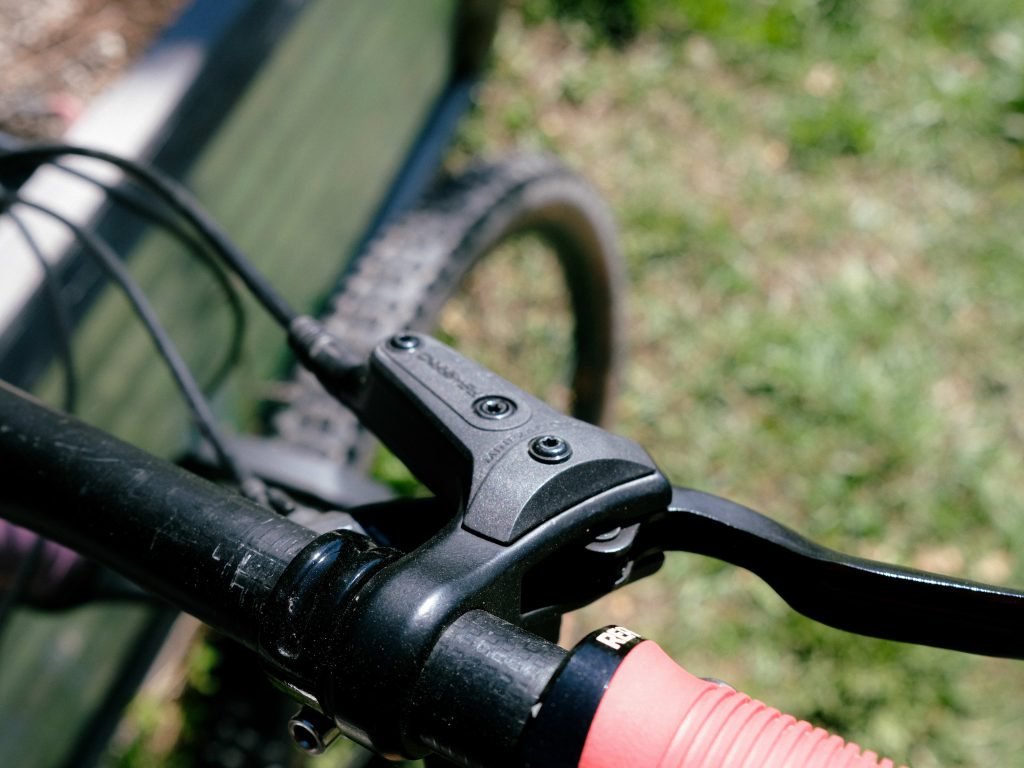
Choosing the right brakes for your commuter bike can make all the difference in your daily rides. You want brakes that are reliable, easy to use, and perfect for the conditions you face every day.
But with so many options out there, how do you know which ones fit your needs best? This guide will help you cut through the confusion and find brakes that keep you safe, comfortable, and confident on the road. Keep reading to discover simple tips that will transform your commuting experience.

Credit: leoguarbikes.com
Types Of Commuter Bike Brakes
Choosing the right brakes for commuter bikes depends on riding style and conditions. Common types include rim brakes, disc brakes, and drum brakes, each offering different stopping power and maintenance needs. Understanding these options helps ensure safe and smooth rides.
Rim Brakes
Rim brakespress pads against the wheel rim to stop the bike. They are lightweightand easy to maintain. Best for dry conditions. They can wear out rims over time. Not ideal for wet or muddy roads.
Disc Brakes
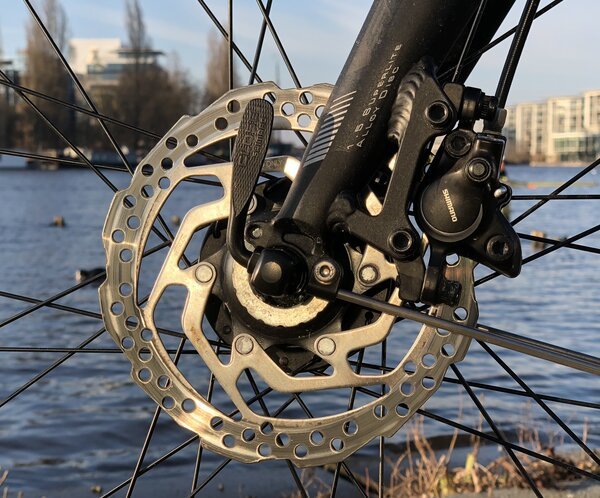
Disc brakesuse a rotor attached to the wheel hub. They provide strong stopping powerin all weather. Require more maintenancebut offer better control. Common in modern commuter bikes. Work well on hills and wet streets.
Coaster Brakes
Coaster brakeswork by pedaling backward to stop. They are simpleand low maintenance. Often found on single-speed bikes. Less effective on steep slopes or fast rides. Good for flat city rides and beginners.
Factors To Consider When Choosing Brakes
Stopping poweris very important for safety. Choose brakes that stop your bike quickly and smoothly. Good brakes help avoid accidents and give you control.
Maintenance needsvary by brake type. Some brakes need regular cleaning and adjustments. Others work well with less care. Pick brakes you can easily maintain.
Weight and designaffect bike speed and handling. Lightweight brakes help you ride faster. The design should fit your bike style and feel comfortable.
Weather conditionschange how brakes work. Some brakes work better in rain or mud. Pick brakes that perform well in your usual weather.
Compatibility with bike frameis a must. Brakes must fit your bike’s frame and wheel size. Check specs before buying to avoid fitting problems.
Advantages And Disadvantages Of Each Brake Type
Rim brakesare light and simple to fix. They cost less and work well in dry weather. But they lose power in rain and mud. Rim brakes also wear down the wheel rims over time.
Disc brakesoffer strong stopping power in all weather. They work well on hills and in mud. Disc brakes last longer and need less rim maintenance. They are heavier and cost more than rim brakes.
Coaster brakesare easy to use and need little care. They stop when you pedal backward. Coaster brakes are good for simple bikes. They do not work well on steep hills and can get hot on long rides.
Hydraulic Vs Mechanical Disc Brakes
Hydraulic disc brakesoffer stronger and smoother stopping power. They work by pushing brake fluid through a hose to the brake pads. This system reacts faster and needs less force on the brake lever.
Mechanical disc brakesuse cables to pull the brake pads. They are simpler and easier to repair. But they may feel less smooth and need more hand strength to stop quickly.
| Aspect | Hydraulic Disc Brakes | Mechanical Disc Brakes |
|---|---|---|
| Performance | Stronger, smoother stopping | Good, but less smooth |
| Maintenance | Needs special tools and fluid | Easy, simple cable replacements |
| Cost | Usually more expensive | More affordable |
| Installation | More complex, needs precision | Simple, fits most bikes |
Brake Pads And Rotors Selection
Brake pads and rotors come in different materials. Organic padsare soft and quiet. They wear out faster. Semi-metallic padslast longer and stop better. They are a bit noisy. Ceramic padsare quiet and last long. They are more expensive. Rotors can be made of steel or carbon. Steel rotors are strong and affordable. Carbon ones are lightweight and costly.
Brake pads wear out over time. Check them regularly. If they are thin, it’s time to replace. Rotors also wear down. Feel for grooves or uneven spots. Replace if they are bad. Always use the right size for your bike. Read the manual or ask an expert.
Brakes can be noisy sometimes. Noise might mean something is wrong. Check for dirt or rust. Clean them carefully. High-pitched noises often mean worn pads. Performance depends on material and condition. Good brakes stop quickly. Bad ones take longer and feel weak.
Credit: www.emotorad.com
Budgeting For Brakes
Choosing brakes depends much on your budget. Entry-level brakes are affordableand simple. These usually include basic rim brakesor mechanical disc brakes. They work well for short ridesand light use.
Mid-range brakes offer better stopping powerand durability. You may find hydraulic disc brakesor higher quality mechanical brakeshere. These suits daily commuterswho ride in varied weather.
High-end brakes are expensivebut very reliable. They often use advanced hydraulic systems. These brakes are good for heavy useand long rides. They provide strong and consistent stoppingeven in rain or mud.
Installation And Adjustment Tips
Installing brakes on a bike can be fun. Start with reading the manual. It’s important to have the right tools. Gather a wrench and a screwdriver. Loosen the bolts with care. Place the brake pads correctly. Make sure they touch the rim lightly. Tighten the bolts again. Test the brakes by squeezing the lever. The wheel should stop smoothly. Fix any issues right away. Safety first!
Professionals can install brakes perfectly. They have special tools and skills. They ensure brakes work well and last long. They check alignment and tension. They can spot hidden problems. This means fewer repairs later. It saves time and worry. Trusting a professional brings peace of mind. Your bike will be safer and smoother. Enjoy your ride without fear.
- Check brake pads monthly.
- Ensure pads are not worn out.
- Adjust brake cables regularly.
- Keep cables tight for quick stopping.
- Clean the brakes to remove dirt.
- Test brakes before each ride.
- Replace old parts promptly.
Safety And Legal Regulations
Local laws often require specific types of brakesfor commuter bikes. These laws ensure rider safetyand help avoid fines. Common rules include using front and rear brakesand maintaining brake functionality.
Recommended safety standards like those from the Consumer Product Safety Commission (CPSC)provide clear guidelines. Brakes should meet these standards to guarantee reliable stopping powerin various conditions. Look for brakes that comply with these marks.
- Check brakes regularly for wear and tear.
- Test brake response before every ride.
- Replace brake pads if they look thin or damaged.
- Ensure cables and discs are clean and properly adjusted.
Credit: willem.com
Frequently Asked Questions
What Types Of Brakes Are Best For Commuter Bikes?
The best brakes for commuter bikes are disc brakes and rim brakes. Disc brakes offer better stopping power and perform well in wet conditions. Rim brakes are lighter and easier to maintain. Choose based on your riding environment and maintenance preference.
How Do Disc Brakes Compare To Rim Brakes?
Disc brakes provide stronger, more consistent stopping power, especially in wet weather. Rim brakes are lighter and simpler but can wear out rims over time. For city commuting, disc brakes offer safer, reliable braking, while rim brakes suit dry, flat areas.
Are Hydraulic Brakes Necessary For Commuter Bikes?
Hydraulic brakes deliver better modulation and stronger stopping power with less hand effort. They are ideal for heavy riders or hilly routes. Mechanical brakes are cheaper and easier to maintain, making them suitable for casual commuting.
How Often Should I Maintain Commuter Bike Brakes?
Brake maintenance depends on usage but generally every 3-6 months is recommended. Check brake pads for wear and clean braking surfaces regularly. Prompt maintenance ensures safety, prevents damage, and keeps brakes responsive.
Conclusion
Choosing the right brakes keeps your ride safe and smooth. Think about your bike type and riding style first. Consider weather conditions and maintenance needs too. Good brakes help you stop quickly and avoid accidents. Take time to compare options and read reviews.
Proper brakes make commuting more comfortable and stress-free. Your safety depends on smart brake choices. Keep these tips in mind for better rides every day.



