
Packing your camping gear on a touring bike can feel tricky. You want to bring everything you need without making your ride heavy or unstable.
If you’ve ever struggled with bulky bags or unbalanced loads, you’re not alone. But imagine riding smoothly, knowing your gear is safe, secure, and easy to access. In this guide, you’ll discover simple, smart ways to carry your camping essentials so every trip feels lighter and more enjoyable.
Ready to transform how you pack your bike? Let’s get started.
Choosing The Right Bike For Touring
Choosing the right frameis key for touring bikes. Steel frames offer strength and repair ease. Aluminum frames are lighter but less flexible. Consider tire sizetoo. Wider tires provide better grip and comfort on rough roads. Narrow tires are faster but less stable on uneven ground.
Load capacity is critical. Bikes should support the rider plus gear weight. Check the manufacturer’s weight limit before buying. A stable bike frame prevents wobbling when fully loaded. Look for models designed for heavy loads.
| Feature | Importance |
|---|---|
| Frame Material | Steel for strength, Aluminum for lightness |
| Tire Size | Wider for comfort, Narrow for speed |
| Load Capacity | Must handle rider and gear weight safely |
| Stability | Prevents wobble with full load |

Credit: www.youtube.com
Essential Camping Gear For Bike Touring
Lightweight tentssave space and weight on your bike. Choose tents made from durable, water-resistant materials. A small, easy-to-set-up shelter is perfect for quick stops. Look for tents that pack down compactlyto fit in bike bags.
Sleeping bagsshould be light and warm. Down or synthetic fill works well. Use sleeping padsto stay comfortable and insulated from the ground. Inflatable or foam pads are both good options.
- Compact stove for quick meals
- Lightweight cookware like pots and pans
- Reusable utensils and a small cutting board
- Food stored in sealed containers or bags to stay fresh
Keep your cooking gear organized and easy to reach. Choose items that fit well in your bike bags without adding much weight.
Types Of Bike Bags And Storage Options
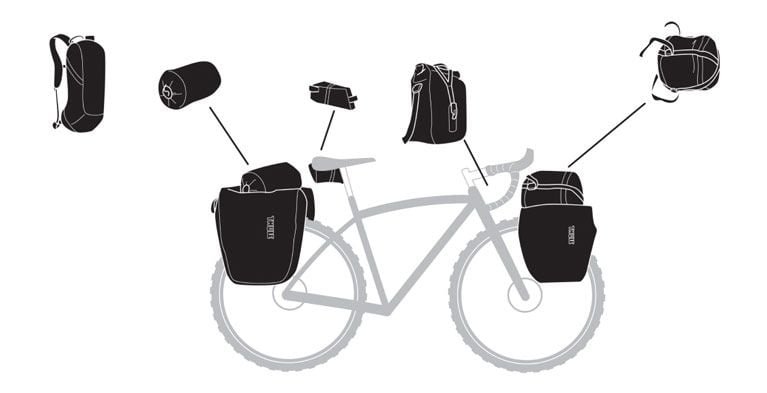
Panniers and racksoffer large storage space on your bike. Panniers hang on the sides of your rear rack. They keep your gear balanced and easy to reach. Racks are metal frames attached to your bike. They hold panniers or other bags securely. Great for heavy or bulky items.
Handlebar bagssit right in front, near your handlebars. Perfect for small items like maps, snacks, or phones. Easy to open while riding. Usually waterproof and compact.
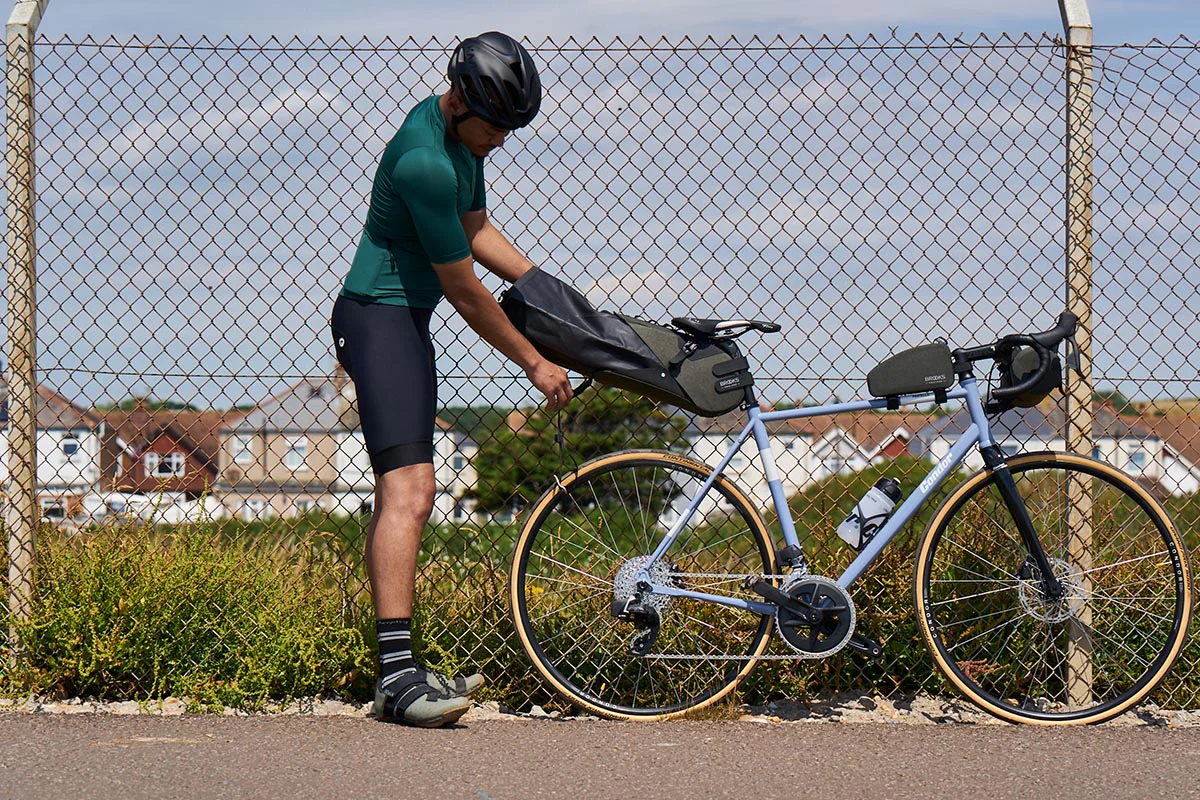
Frame bagsfit inside your bike’s main triangle. They use space efficiently without affecting balance. Ideal for tools, spare tubes, or small gear. Keep weight centered for better control.
Seat packs and saddlebagsattach under your bike seat. Good for lightweight or soft items like clothes or sleeping bags. They do not add much bulk and keep your bike streamlined.
Packing Strategies For Balance And Efficiency
Distribute weight evenly to keep your bike steady and safe. Place heavy items low and close to the bike frame. This helps maintain balance on rough roads. Avoid putting all weight on one side. Use panniers or bags on both sides to spread the load. Keep weight centered to prevent wobbling.
Fragile items need extra care. Wrap them in soft clothes or bubble wrap. Place these items in the middle of your bags, away from sharp or hard gear. Avoid putting heavy objects on top. This prevents damage during the ride.
Keep items you use often easy to reach. Store snacks, maps, or rain gear in outer pockets. This saves time and stops you from unpacking everything. Organize gear by use and size for quick access.
Waterproofing And Weatherproofing Gear
Dry bags are essentialfor keeping gear safe from water. They are made from waterproof materialand seal tightly. Using dry bags inside panniers or backpacks adds extra protectionagainst rain and splashes.
Plastic liners also work well to keep clothes dry. They are lightweight and easy to pack. Place clothes and electronics inside liners before putting them into bags.
Electronics like phones and cameras need special care. Use waterproof casesor zip-lock bags to avoid damage. Keep them in an easy-to-reach place for quick access.
- Choose dry bags with strong seals.
- Use liners for clothes and small items.
- Keep electronics in waterproof covers.
- Check all seals after packing.
Credit: cycletraveloverload.com
Tools And Repair Kits To Carry
Essential tools and repair kits fit easily in small bags or bike frame pockets. Carry tire levers, a pump, spare tubes, and a multi-tool for quick fixes on the road. Keeping these items handy ensures smooth rides without heavy loads.
Basic Repair Tools
Always have a multi-tool in your kit. It helps fix many problems. Include tire levers for flat tires. A small pump is essential to inflate tires. Don’t forget a patch kit for quick repairs. Allen keys are vital for adjusting bike parts. These tools keep your bike in good shape.
Spare Parts To Include
Carry extra tubes for quick tire fixes. Spare brake pads can be a lifesaver. Include a chain link or two in your kit. Bring extra bolts for unexpected losses. Packing these parts ensures you’re ready for anything.
Emergency Repair Tips
Always check your bike before a ride. Learn how to fix a flat tire. Practice changing a tire tube at home. Know how to adjust brakes for safety. Quick fixes keep you on the road. Stay prepared for any biking adventure.
Tips For Loading And Unloading Gear
Pack heavier items low and close to the bike for better balance. Secure gear tightly to prevent shifting during the ride. Unload carefully to avoid damage and keep gear organized for easy access.
Packing Sequence For Quick Setup
Pack the heaviest items at the bottom of your bags. This keeps the bike stable. Place light items on top or in side pockets. Use waterproof bags for all gear. Rain can make things wet quickly. Keep the tent and cooking gear easy to reach. You might need them first at camp.Efficient Unloading At Campsites
Unload the bike in reverse order. Take light items out first. Then, remove the heavier ones. This keeps the bike from tipping over. Use a checklist to ensure nothing gets left behind. Keep your tools handy for quick repairs. Store everything neatly in your tent. This makes the next morning easier. Organize by use and need. It saves time and hassle. `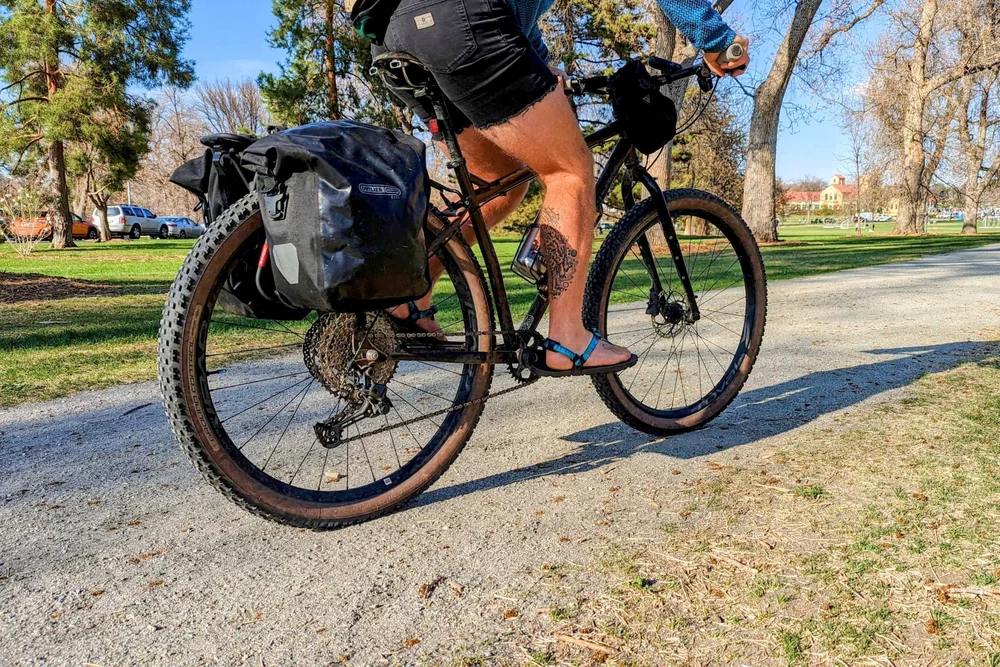
Credit: www.treelinereview.com
Safety And Security Measures
Lock your bike and gearto keep them safe. Use strong locks like U-locks or heavy chains. Always secure your bike to a fixed object. Keep your gear inside locked panniers or bags.
Choose camping spots that are visible and busy. Thieves avoid places with many people. Avoid leaving valuables unattended.
- Keep locks handy and use them every time.
- Hide smaller items in pockets or inner compartments.
- Use cable locks to secure loose gear.
- Mark your gear with your name or ID.
Frequently Asked Questions
How Do I Balance Weight On A Touring Bike?
Distribute weight evenly between front and rear panniers. Keep heavier items low and close to the bike frame. This improves stability and control while riding.
What Are The Best Bags For Camping Gear On Bikes?
Panniers and handlebar bags are ideal. Waterproof, durable materials protect gear from weather. Choose bags with multiple compartments for organized storage.
How Much Camping Gear Can A Touring Bike Carry?
Most touring bikes carry 30-50 pounds safely. Overloading affects handling and comfort. Prioritize essential items to keep weight manageable.
Can I Carry A Tent And Sleeping Bag On My Bike?
Yes, compressible tents and sleeping bags fit well in panniers or strapped on racks. Use waterproof covers to protect from rain.
Conclusion
Carrying camping gear on a touring bike takes some planning. Choose the right bags and pack only what you need. Balance weight evenly for a smooth ride. Secure your gear tightly to avoid movement. Keep essentials easy to reach during your trip.
Enjoy the freedom of exploring new places by bike. With practice, packing becomes faster and easier. Safe travels and happy cycling!



