
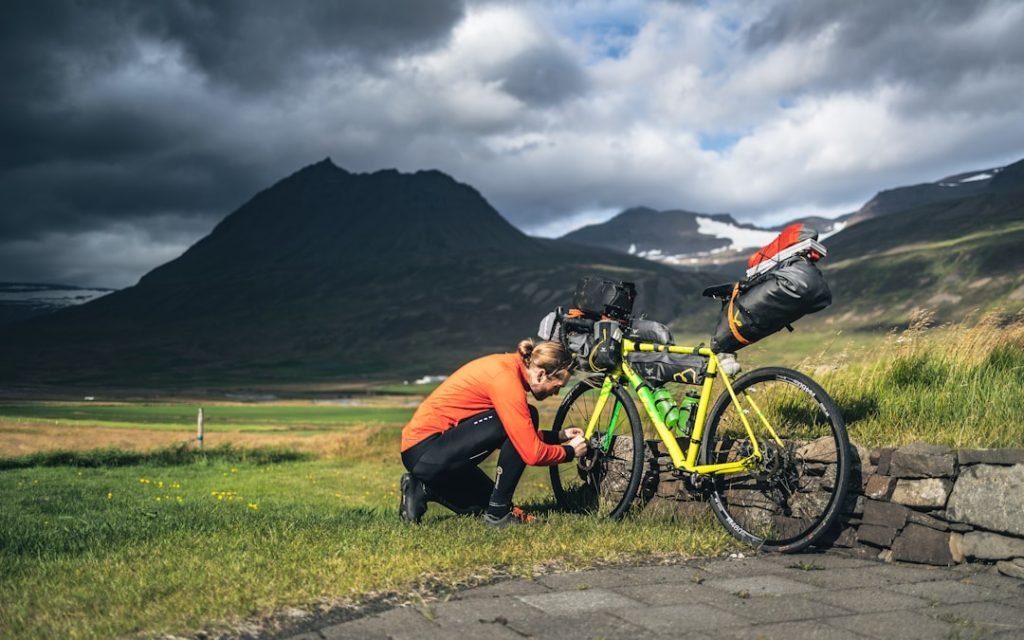
Are you ready to take your touring bike to the next level and conquer those tough mountain trails? Upgrading your bike for mountainous terrain can make all the difference between a tough ride and an unforgettable adventure.
Whether you want better control, more comfort, or extra durability, the right upgrades will help you tackle steep climbs and rough roads with confidence. In this guide, you’ll discover simple, effective ways to transform your touring bike into a mountain-ready machine.
Keep reading, and get ready to enjoy every twist and turn on your next ride.
Choosing The Right Tires
Tire widthaffects comfort and control on mountain trails. Wider tires provide better grip and absorb shocks well. Narrow tires may be faster on smooth roads but struggle on rough paths. Look for tires between 1.9 and 2.3 inches wide for good mountain performance.
Tread patternshelp with traction. Deeper, spaced-out knobs work best on mud and loose rocks. Smoother treads perform better on hard surfaces. Choose tread based on the trail type you expect to ride most.
| Feature | Tubeless Tires | Tubed Tires |
|---|---|---|
| Weight | Lighter | Heavier |
| Flat Resistance | Better at sealing small punctures | More prone to flats |
| Setup | Needs sealant and airtight rims | Simple installation |
| Cost | Usually more expensive | More affordable |
Upgrading The Drivetrain
Choosing the right gears is key for mountain riding. Lower gears help climb steep hills with less effort. They make pedaling easier, so legs do not tire quickly. A wide range cassette with smaller chainrings works well for tough climbs.
Durable parts handle rough trails better. Strong derailleurs and chains resist dirt and impacts. Look for components made with hard materials like steel or reinforced aluminum. This keeps the bike running smoothly on rocky paths.
| Component | Benefit | Recommended Features |
|---|---|---|
| Lower Gearing | Easier climbing on steep hills | Wide range cassette, smaller chainrings |
| Durable Derailleurs | Better resistance to dirt and impacts | Steel or reinforced aluminum |
| Strong Chain | Less chance of breaking on rough terrain | Heavy-duty, rust-resistant |
Enhancing Suspension
Upgrading the front suspensionhelps absorb shocks on rough mountain trails. Options include:
- Suspension forkswith coil or air springs for better control.
- Travel rangevaries; choose based on trail difficulty.
- Lockout feature helps switch to rigid mode on smooth paths.
- Look for adjustable dampingto fine-tune ride comfort.
Seatpost suspensionadds comfort by reducing bumps felt through the saddle. Benefits include:
- Less fatigue on long rides.
- Improved control over rough terrain.
- Simple installation on most touring bikes.
- Can be combined with front suspension for better overall comfort.
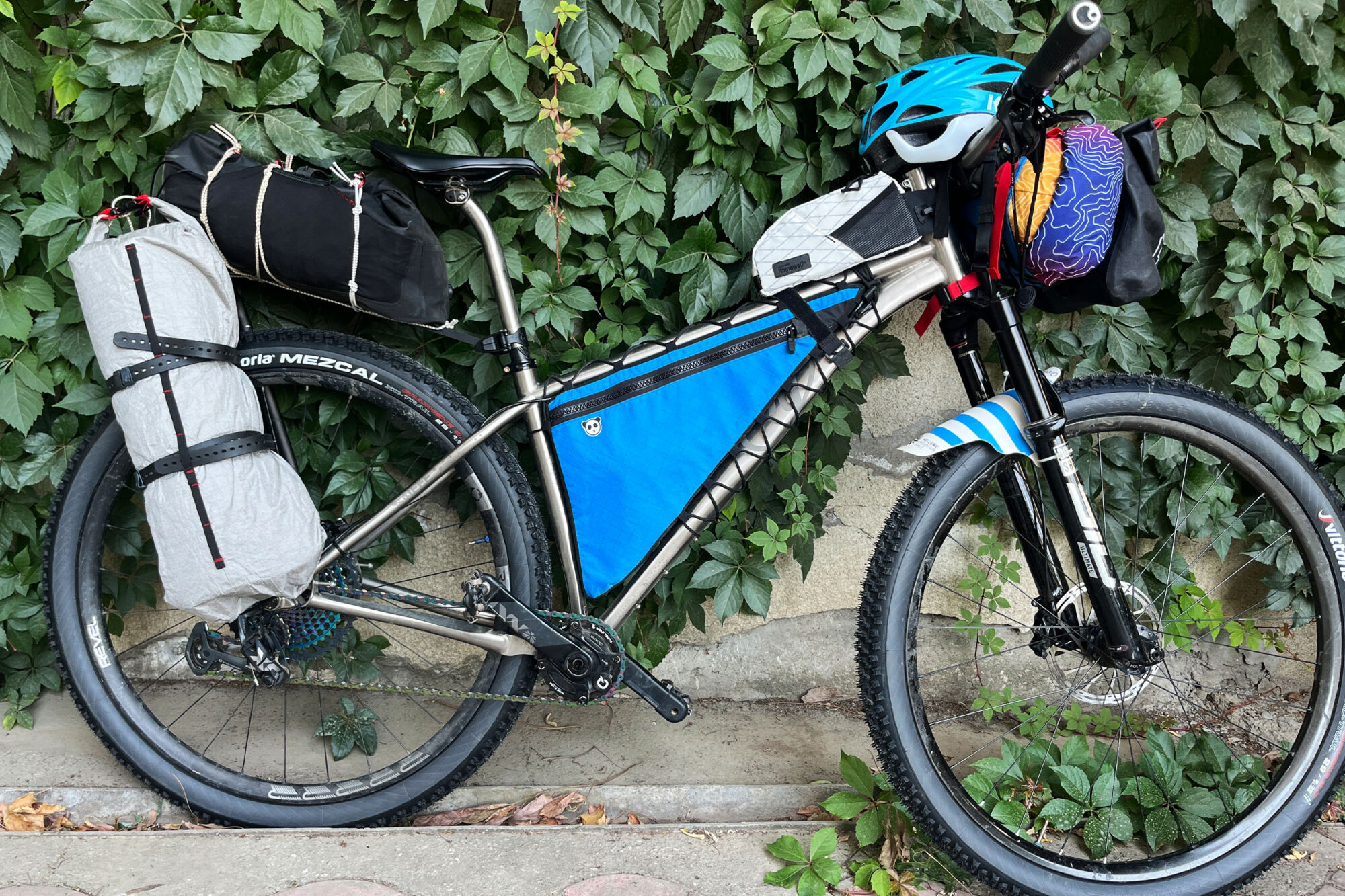
Credit: bikepacking.com
Strengthening The Frame
Choosing the right materialis key for a strong touring bike frame. Steel frames offer great durabilityand can absorb shocks well. Aluminum frames are lightweight, but may not handle rough mountain trails as well. Carbon fiber is light and stiff but can be fragile on rocky paths.
Focus on reinforcing areasthat face the most stress. The bottom bracketand head tubeoften need extra strength. Adding gussets or thicker tubing here helps prevent cracks. The weldsmust be neat and strong.
- Use thicker tubes near joints
- Check for strong, clean welds
- Add gussets at stress points
- Choose steel for rough trails
- Aluminum for lighter rides
Improving Braking Power
Disc brakes work better in wet conditions. They stop faster on steep slopes. Rim brakes are lighter and cost less. They need more care in the rain. Choose disc brakes for mountains. They offer more control and safety.
Brake pads come in different types. Some pads stop quickly. Other pads last longer. Choose pads that work well in all weather. Metal pads last longer but can be noisy. Rubber pads are quiet but wear out faster. Pick the right pads for your needs. Check your pads often for wear.

Credit: www.reddit.com
Optimizing Carrying Capacity
Upgrading your bike rack can increase carrying capacityfor mountain trips. Choose a sturdy, lightweight rackthat fits your bike frame well. Metal racks are durable but can add weight. Aluminum racks offer a good balance of strength and weight.
Use panniersdesigned for touring. They keep your gear organized and dry. Look for bags with waterproof materialand secure clips. Side panniers help balance weight on both sides.
- Place heavier items low and closeto the bike frame.
- Keep weight evenly distributedbetween front and rear racks.
- Use smaller bags for easy access to essentials.
- Check that the rack and panniers do not interfere with wheels or brakes.
Upgrading Handlebars And Controls
Choose a handlebar style for better mountain control. Flat bars offer a simple grip. Drop bars give more hand positions. Bullhorn bars are stylish and ergonomic. Each bar style changes your control. More control helps on bumpy roads. Pick the best style for your comfort.
Grips matter for comfort on long rides. Soft grips reduce hand pain. Foam grips are light and cushiony. Rubber grips are durable and weather-resistant. Some grips have finger grooves. Ergonomic grips prevent numbness and fatigue. Choose a grip that fits your hand size. Feel the difference on your next mountain ride.
Lighting And Safety Gear
Bright and high-visibility lightskeep you seen on mountain trails. Front white lights help you spot obstacles ahead. Red rear lights warn others behind you. Use lights with multiple modes like steady and flashing. Rechargeable batteries save money and help the environment.
Protective accessoriesimprove safety and comfort. A sturdy helmet protects your head from falls. Gloves shield your hands and improve grip. Knee and elbow pads guard against scrapes and bruises. Reflective vests or bands make you visible from all sides. Choose gear that fits well and feels comfortable.

Credit: bikepacking.com
Frequently Asked Questions
What Are The Best Tires For Mountain Touring Bikes?
Choose wider, knobby tires with strong puncture resistance. They offer better grip on rough, uneven mountain trails and improve stability during climbs and descents.
How To Improve Gearing For Mountain Bike Touring?
Install a wide-range cassette and a triple chainring setup. This combination provides easier low gears for steep climbs and maintains speed on flat terrain.
Should I Upgrade My Touring Bike Brakes For Mountains?
Yes, upgrade to hydraulic disc brakes for better stopping power. They perform well in wet, muddy conditions common in mountain environments.
What Suspension Options Suit A Mountain Touring Bike?
Consider a front suspension fork with moderate travel. It absorbs shocks on rough trails without adding much weight or complexity.
Conclusion
Upgrading your touring bike for mountain rides makes a big difference. Choose strong tires and a sturdy frame to handle rough paths. Good brakes help you stay safe on steep slopes. Adjust gears for easier pedaling uphill. Carry only what you need to keep the bike light.
Test your bike before the trip to avoid surprises. Enjoy the ride and the beautiful mountain views. Small changes lead to better comfort and control. Ready for your next adventure?



