

Choosing the right tires for cyclocross racing can make all the difference between winning and struggling on the course. You want tires that grip well, handle rough terrain, and keep you moving fast.
But with so many options out there, how do you pick the perfect set? This guide will help you understand what matters most for your tires, so you can race with confidence and leave your competitors behind. Keep reading to discover the secrets to finding tires that fit your style and the challenges ahead.
Cyclocross Tire Basics
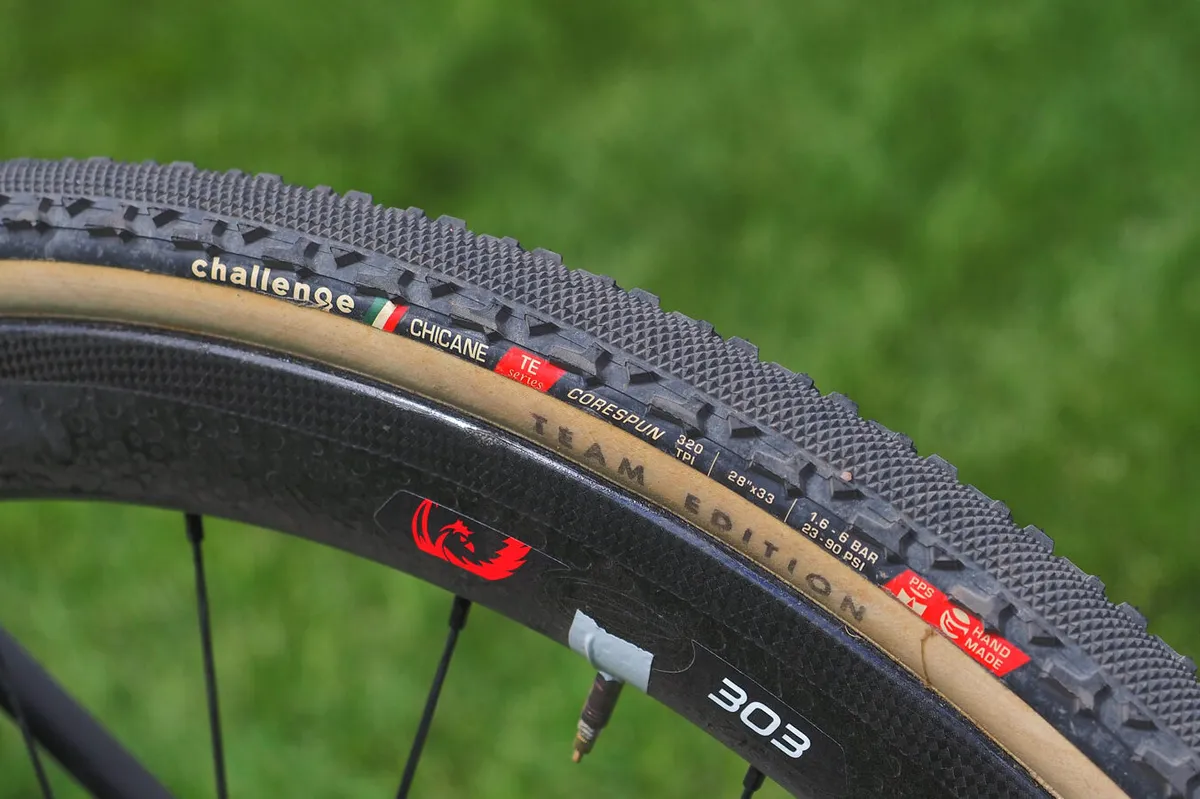
Tire size and widthaffect bike control and speed. Narrow tires are faster on hard surfaces. Wider tires offer more grip on muddy or loose ground. Common cyclocross tire widths range from 30mm to 40mm. Choose size based on the course conditions and bike frame clearance.
Tread patternshelp with traction. Smooth center treads reduce rolling resistance on hard surfaces. Knobby side treads improve cornering grip on soft or loose terrain. Aggressive tread designs are best for muddy and rough courses.
Tire pressureimpacts comfort and traction. Lower pressure increases grip and absorbs bumps but may cause pinch flats. Higher pressure reduces rolling resistance but can slip on loose surfaces. Adjust pressure based on rider weight and terrain.
Credit: www.bikeradar.com
Types Of Cyclocross Tires
Tubular tiresare glued directly onto the rim. They offer lightweightand low rolling resistance. These tires are common in professional cyclocross races. They handle rough terrain well but can be hard to fix if punctured. Riders often prefer them for high performanceand speed.
Tubeless tiresdo not require inner tubes. They seal directly to the rim, reducing the risk of flats. These tires allow lower air pressurefor better grip on muddy or loose surfaces. They also provide a smoother ride and easier repairs with sealant.
Clincher tiresuse an inner tube inside the tire casing. They are the most common and easiest to install and repair. Clinchers are usually more affordableand come in many tread patterns. They work well for beginners and casual racers.
Grip Factors
Tread designaffects how well tires grip different surfaces. Tires with knobby treadswork best on loose or muddy terrain. Slick tires perform better on hard, dry ground. Choose tread patterns based on the race course.
The rubber compoundimpacts traction and durability. Softer rubber offers better grip but wears faster. Harder rubber lasts longer but may slip on wet surfaces. Balancing grip and tire life is key.
Sidewall protectionhelps prevent cuts and punctures. Thicker sidewalls add durability but increase weight. Lighter tires may be faster but can be prone to damage. Consider the terrain and race length when selecting tires.
Credit: www.bikeradar.com
Weather And Course Conditions
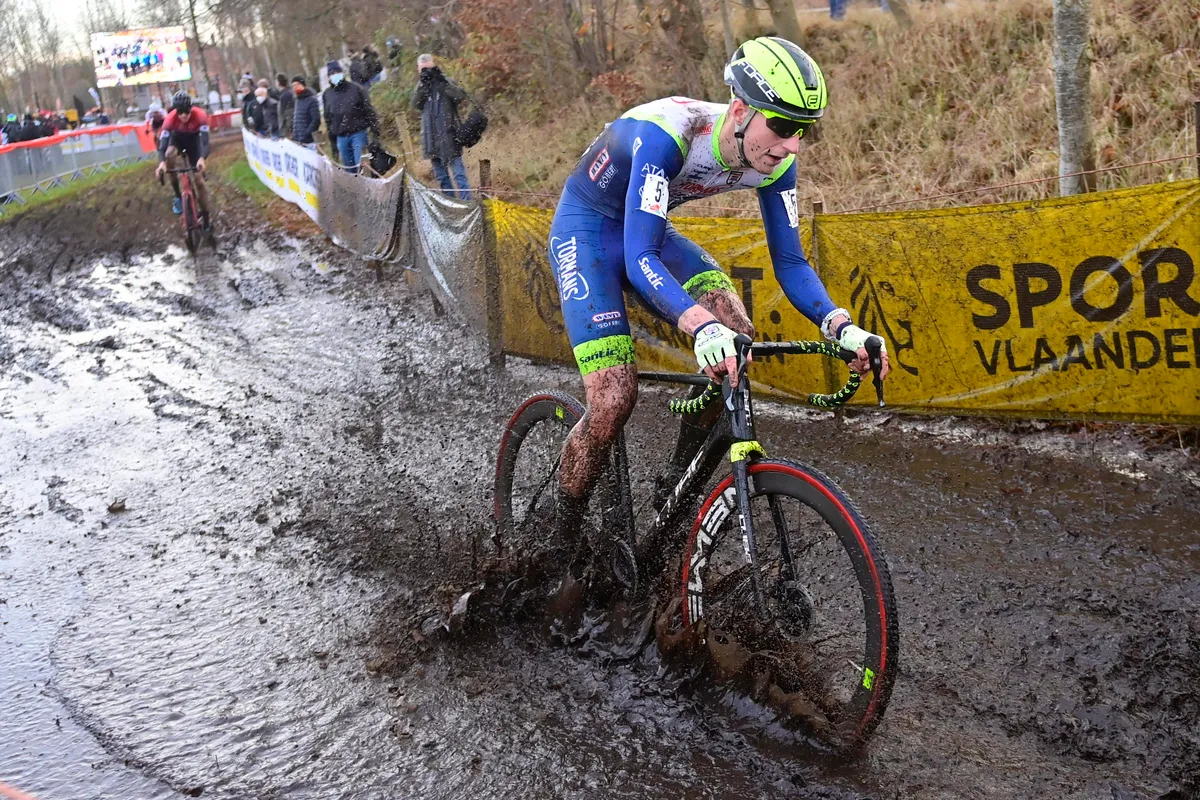
Mud and Wet Conditionscall for tires with deep, spaced tread. This helps grip slippery mud and prevents clogging. Soft rubber compounds work better for traction. Wider tires give more float and control.
Dry and Hardpack Surfacesneed tires with less aggressive tread. Low-profile knobs reduce rolling resistance and keep speed high. Harder rubber compounds last longer on rough surfaces.
Mixed Terraindemands versatile tires. Medium tread depth offers a balance of grip and speed. Tires should handle dirt, gravel, and pavement well. Look for reliable puncture protection too.
Choosing Tire Width
Narrow tiresusually offer less rolling resistance. This means they can help you go faster on hard surfaces. They are lighter, so they make acceleration easier. But, narrow tires provide less grip on loose or muddy ground. They also give less comfort on rough terrain.
Wide tiresgive better traction and control. They handle mud and rough surfaces well. Wider tires can run at lower pressure, which improves comfort and grip. The trade-off is a bit more weight and rolling resistance. This can slow you down on smooth roads.
Choosing tire width affects both handlingand speed. Narrow tires suit smooth, fast courses. Wide tires work best in tough, technical conditions. Think about the race terrain and your riding style before deciding.
Pressure Tips For Grip
Choosing the right tire pressure improves grip and control on rough cyclocross courses. Lower pressure offers better traction but can risk pinch flats. Balance pressure to match terrain and rider weight for optimal performance.
Adjusting For Terrain
Different surfaces need different tire pressures. Lower pressure gives better grip on muddy paths. Higher pressure is good for hard and rocky paths. Always check your tire’s sidewall for pressure range. Ensure you have a good pump with a gauge. Practice adjusting pressure before races.
Balancing Speed And Traction
Find the right balance for speed and safety. Too much pressure can make tires slip. Too little makes pedaling slow and hard. Start with a medium pressure. Test by riding in circles. Try fast turns and stops. This helps find your best pressure. Always remember to adjust based on the race day weather. Wet days need less pressure for grip.
Maintenance And Durability
Tires with strong materials last longer and need less fixing during races. Choosing durable tires saves time and effort on maintenance.
Inspecting Tires Regularly
Regular checks keep your tires in top shape. Look for cuts, tears, or strange bumps. Feel the tire for any unusual softness. Soft spots might mean a hidden problem. Check the tread depth too. Worn treads can be dangerous during races. Ensure the tire pressure matches the recommended level. Low pressure can cause flats.
Repairing And Replacing
Find a problem? Small cuts can be repaired with patches. Always carry a repair kit during rides. If the tire is very damaged, it’s best to replace it. New tires ensure safety and better performance. Remember, a well-maintained tire lasts longer. Keep your ride smooth and safe.

Credit: www.michelin.ca
Frequently Asked Questions
What Tire Tread Is Best For Cyclocross Racing?
A moderately aggressive tread with spaced knobs offers optimal traction. It performs well on mud, grass, and mixed terrain common in cyclocross races. Choose tread patterns that balance grip and rolling efficiency for varied course conditions.
How Do Tire Width Choices Affect Cyclocross Performance?
Wider tires provide better stability and comfort on rough terrain. Narrower tires reduce rolling resistance for faster speeds on hard surfaces. Selecting the right width depends on course conditions and rider preference.
Should I Use Tubeless Tires For Cyclocross Racing?
Yes, tubeless tires reduce punctures and allow lower pressures. This improves traction and ride comfort on technical courses. Many cyclocross racers prefer tubeless setups for reliability and performance advantages.
How Important Is Tire Pressure In Cyclocross Racing?
Tire pressure greatly affects grip and comfort. Lower pressure increases traction but risks rim damage if too low. Adjust pressure based on terrain, rider weight, and weather for optimal performance.
Conclusion
Choosing the right tires can boost your cyclocross racing performance. Think about the terrain, weather, and tire size carefully. Good tires give better grip and control on tough tracks. Don’t forget to check the tread pattern for mud or loose dirt.
Balancing durability and weight matters too. Test different tires to find what feels best. Your bike will handle better, and you will enjoy racing more. Keep these tips in mind for smarter tire choices next race. Simple steps lead to better rides.



