
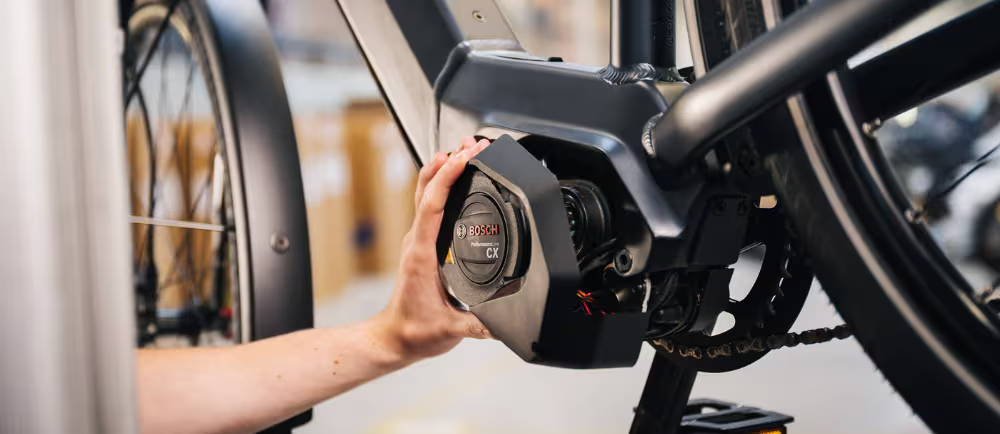
If you ride an electric mountain bike, knowing how much power your bike produces can change the way you ride. Measuring power output helps you understand your performance, improve your training, and get the most from your battery.
But how do you measure it accurately? You’ll discover simple and effective ways to track your eMTB’s power output. By the end, you’ll have the tools and knowledge to ride smarter and push your limits with confidence. Keep reading to unlock the full potential of your electric mountain bike.

Credit: www.bikeradar.com
Power Output Basics
Power outputshows how much energy your electric mountain bike uses. It tells you how hard the motor works.
Measuring power helps riders understand battery lifeand performance. It can show how much help the motor gives while pedaling. This is important for planning ridesand managing energy.
Riders can also check if the motor works well or needs repair. Knowing power output helps keep the bike running smoothly and safely.
Tools For Measuring Power
Power metersare devices that measure the force applied to pedals or cranks. They provide accurate power datain real-time. Many electric mountain bikes have built-in power meters for easy tracking. They help riders understand effort and improve performance.
Smart trainersare indoor bike trainers with power measurement. They simulate outdoor riding conditions. These tools are useful for training and testing power output without going outside. Smart trainers connect to apps to show detailed data.
Bike computers and sensorscollect data from the bike’s components. They use sensors on the crank, pedals, or rear hub. The data is sent to a display showing power output and other stats. These devices are easy to install and use.
Methods To Measure Power
Power metersdirectly measure the force on pedals or cranks. They give accurate power outputreadings in real time. These devices are fitted on the bike and send data to a display or app. They work well for riders who want precise power data during rides.
Motor datacan estimate power output by using the bike’s built-in sensors. This data includes motor torque and speed. While less exact than power meters, it gives a good idea of power use. Most eMTB displays show this information.
- Third-party appsconnect to the bike’s sensors or power meters via Bluetooth or ANT+.
- They show power output and other ride stats on smartphones.
- Some apps also log data for later analysis.
Installing And Calibrating Devices
Power meters must be fixed firmly on the bike frame or crank. Check they do not move during rides. Placement near the pedals or bottom bracket is common. Use the device’s clamp or screws to secure it well.
Calibration ensures accurate power readings. Start with the bike on a flat surface. Use the device app or controls to start calibration. Follow prompts to pedal slowly or keep the pedals still. Wait for the device to confirm calibration is done.
Common issues include zero or erratic power readings. Check if the device is charged or batteries are fresh. Clean the sensors and ensure no dirt blocks signals. Recalibrate if numbers look off or unstable. Reset the device if problems persist.
Interpreting Power Data
Wattsmeasure the power your electric mountain bike uses. It shows how much effort the motor gives. Torqueshows the twisting force on the pedals. Higher torque means more power to climb hills. Both values help you know how hard you are riding.
Power zones help you train better. They split effort levels into easy, moderate, and hard. Training in each zone builds strength and endurance. You can use a power meter to see which zone you are in during a ride.
Looking at power data helps spot your strengths and weaknesses. If power drops on hills, you might need more strength. Tracking data over time shows if you improve. It also guides you to plan your rides and workouts.
Factors Affecting Power Readings
The batteryand motorare key parts of an electric bike. A strong battery gives more power. The motor changes how fast the bike goes. Together, they change the bike’s power. Always check the battery level. It affects the power reading. A low battery might show less power. The motor’s health is also important. A well-working motor helps the bike perform better.
Hills and rough roads affect power readings. Riding uphill needs more power. Smooth roads need less. Weather also changes power use. Windy days can slow the bike. Rain makes roads slippery. This means more power is needed. Always consider the terrain and weather. They change how much power the bike uses.
How a rider sits affects power readings. Sitting upright is less tiring. It helps the bike use power well. Crouching can make the bike go faster. But it needs more power. Pedaling smoothly saves power. Jerky movements use more energy. Practice good riding techniques for better power use.
Improving Power Measurement Accuracy
Accurate power measurement on electric mountain bikes depends on using reliable sensors and proper calibration. Regularly checking your device ensures consistent and precise power output readings. Understanding these basics helps improve your riding experience and bike performance.
Regular Calibration
Calibration is important for accurate power readings. Check your bike’s calibration regularly. Use the manufacturer’s instructions. This helps keep the power data correct. Proper calibration makes riding more enjoyable.
Firmware Updates
Firmware updates are crucial. They help your bike perform better. Always install the latest updates. This can fix bugs and improve accuracy. Updated firmware ensures your bike stays reliable.
Consistent Riding Conditions
Ride in similar conditions for consistent power data. The same path and weather help. Avoid big hills for accurate results. Stick to the same surface type. This makes comparing rides easier.
Credit: leoguarbikes.com
Benefits Of Measuring Power Output
Measuring power outputhelps riders improve their training plans. It shows how hard your muscles work during rides. You can adjust your workouts to get stronger and faster over time.
It also helps in making rides more efficient. Knowing power output allows you to save energy and ride longer. You avoid pushing too hard or too little, which keeps your ride smooth and fun.
Tracking progressover weeks or months becomes easy. You see clear numbers that tell how much you have improved. This keeps motivation high and helps set new goals.
Credit: leoguarbikes.com
Frequently Asked Questions
How Do Electric Mountain Bikes Measure Power Output?
Electric mountain bikes measure power output using sensors on the crankset or motor. These sensors track pedal force and speed. The data calculates real-time wattage, showing how much power the rider produces. This helps riders optimize performance and battery usage efficiently.
Can I Use A Power Meter On Any E-mountain Bike?
Most e-mountain bikes support power meters, but compatibility varies. Ensure your bike’s crankset or motor accepts power meter installation. Some models have built-in sensors, while others require aftermarket devices. Always check manufacturer guidelines for accurate installation and reliable power data.
Why Is Measuring Power Output Important For Emtb Riders?
Measuring power output helps riders monitor effort and improve training. It provides precise feedback on riding intensity and efficiency. This data aids in managing battery life, pacing, and performance, making rides more enjoyable and effective.
What Devices Provide Accurate Power Output Readings?
Power meters integrated into crank arms, pedals, or hubs offer precise readings. Smart bike computers and apps can display this data in real-time. Choose devices compatible with your bike for the best accuracy and ease of use.
Conclusion
Measuring power output on electric mountain bikes helps track your ride better. It shows how hard the motor works and how much energy you use. You can use simple tools or bike sensors to get this data. Knowing your power output helps you ride smarter and save battery life.
Keep checking your power to improve your biking experience. This way, every ride becomes more efficient and fun.



