
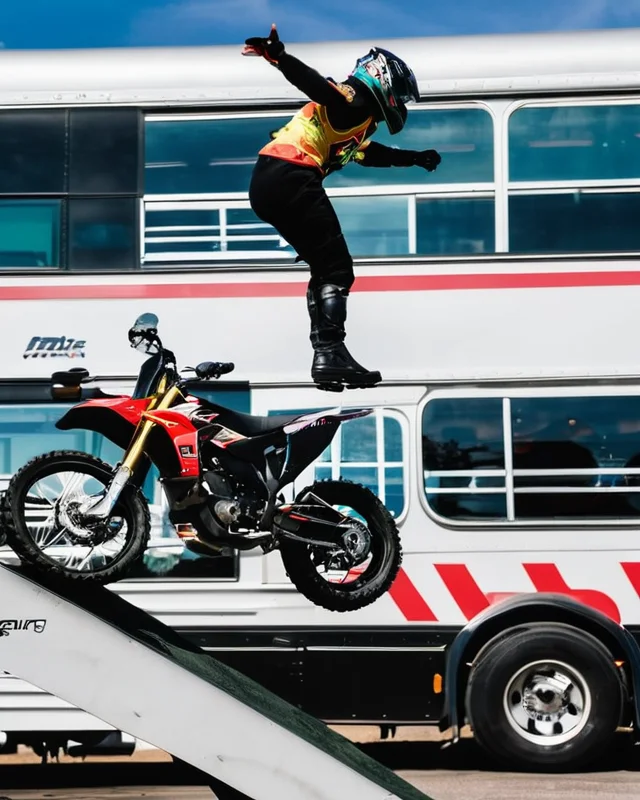
You’ve got your stunt bike ready for the next big ride, but how do you make sure it gets there safely? Transporting a stunt bike isn’t as simple as just loading it into a truck or van.
One wrong move can lead to damage, costly repairs, or even accidents on the road. You’ll discover easy, practical steps to protect your bike every mile of the way. Whether you’re heading to a competition, a show, or just moving it to a new spot, these tips will give you peace of mind and keep your bike in top shape.
Keep reading, and learn exactly how to transport your stunt bike safely and stress-free.
Credit: www.zx6r.com
Choosing The Right Transport Method
Trucks and vansoffer secure and spacious transport for stunt bikes. They protect bikes from weather and road damage. Bikes should be tied down firmlyusing straps to avoid movement. Padding around sharp edges prevents scratches. Vans allow easy loading and unloading. Trucks are best for longer trips or multiple bikes.
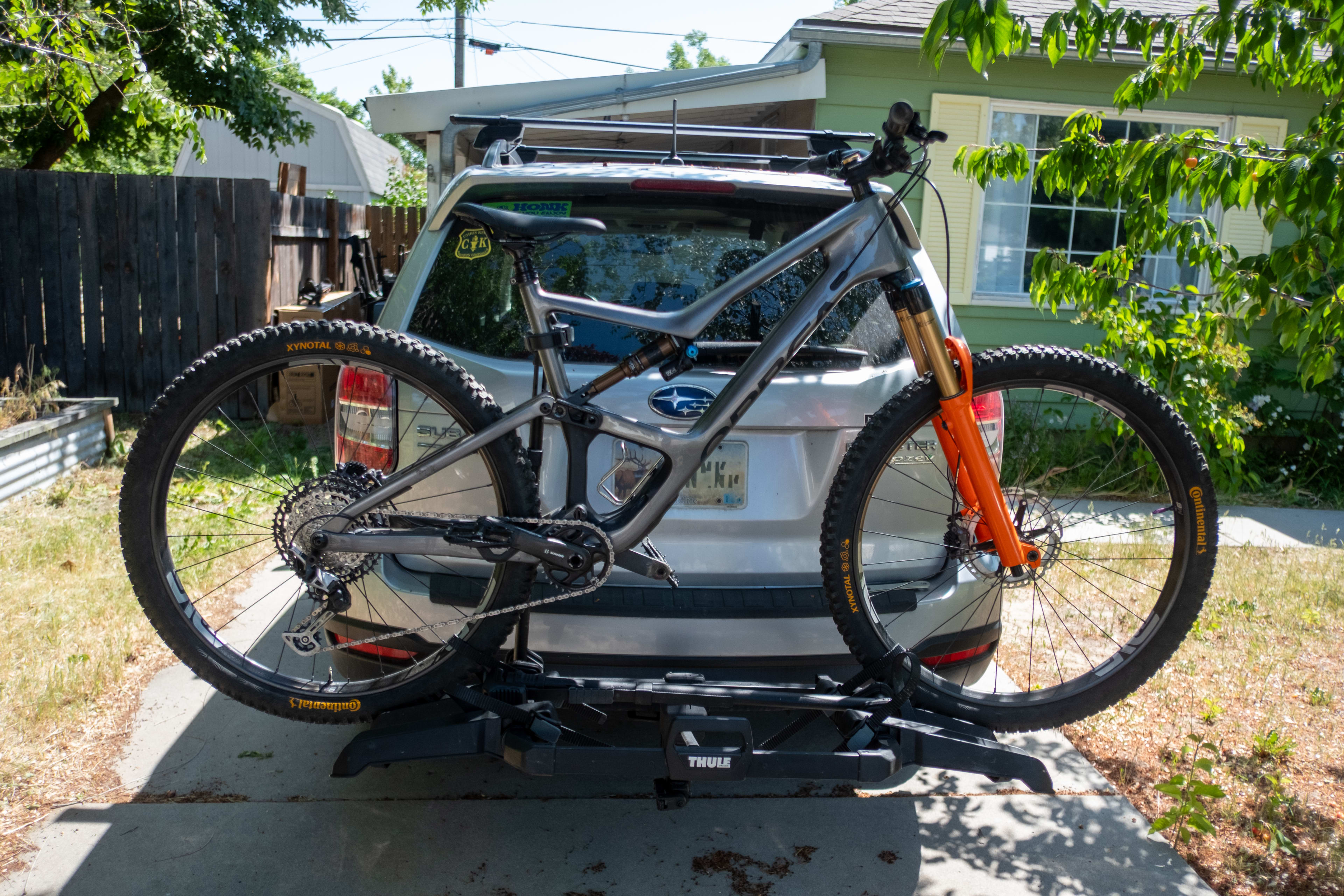
Trailersprovide extra space outside the vehicle. They are great for carrying more than one bike. Trailers must be hitched properly to avoid accidents. Using wheel chocks keeps bikes steady during travel. Choose trailers with covers for weather protection.
- Public transportoptions like trains or buses may have restrictions.
- Check rules before bringing stunt bikes onboard.
- Some allow bikes if folded or disassembled.
- Use protective covers to avoid damage.
- Plan for extra time when using public transport.
Credit: www.bikemag.com
Preparing Your Stunt Bike
Start by cleaningyour stunt bike thoroughly. Dirt can hide problems and cause damage during transport. Check the bike for any visible damageor loose parts. Tighten screws and bolts to keep everything secure.
- Secure loose partslike mirrors, brake levers, and foot pegs. Use tape or zip ties to hold them in place.
- Protect sensitive componentssuch as the chain, brakes, and electronics. Cover them with cloth or bubble wrap to avoid scratches and dirt.
Taking these steps helps prevent damageand keeps your stunt bike ready for action.
Loading Techniques
Using ramps requires steady hands and a firm grip. Ensure the ramp is strong and stable before loading. Place the ramp at a gentle angle. Push or ride the stunt bike slowly up the ramp. Keep the bike straight to avoid slipping off the sides. Have someone help guide you for extra safety.
Position the bike so it sits firmly in the transport vehicle. Front wheel should be against a secure stop or wheel chock. Keep the bike upright to prevent it from tipping over. Avoid placing the bike near loose items that could fall.
| Balancing Weight Tips |
|---|
|

Credit: www.rokform.com
Securing The Bike During Transit
Choose strong and durable strapsmade for heavy loads. Avoid thin or weak straps that can break easily. Ratchet straps work best for stunt bikes because they hold tight and do not slip.
Secure straps at proper pointson the bike. Use the frame, handlebars, and footpegs as anchor points. Avoid tying straps around the wheels or suspension to prevent damage.
- Check strap tension often during transit.
- Do not overtighten straps to avoid bending the frame.
- Make sure straps do not rub against sharp edges.
- Use soft loops or padding to protect paint and parts.
Safety Tips For Long Distance Transport
Check the bike straps and tie-downs often to keep the bike secure. Watch for any signs of loosening or damage. Inspect tires and brakes to ensure they stay safe during travel.
Weather can change fast. Rain may make roads slippery. Strong winds can shake the bike or trailer. Plan trips to avoid bad weather when possible. Cover the bike with a waterproof tarp if rain is expected.
Carry a first aid kit and basic tools for quick repairs. Have emergency phone numbers ready. Keep a flashlight and extra batteries in case of night stops. Prepare for small issues to avoid bigger problems later.
Unloading And Post-transport Care
Unloading stunt bikes requires careful handling to prevent damage. Check for any straps or restraints before moving the bike. Inspect for any damages immediately to ensure safety for future rides.
Safe Unloading Steps
- Ensure the area is clear and level.
- Use ramps for smooth unloading.
- Secure the bike with a firm grip.
- Slowly guide the bike down the ramp.
- Check for any immediate damage.
Post-transport Inspection
After unloading, inspect the bike carefully. Look for any scratches or dents. Check the tires for air pressure. Ensure the brakes are working properly. Examine all the bolts and nuts. Tighten any that are loose. This ensures the bike is safe to ride.
Maintenance After Transport
Clean the bike to remove any dust. Lubricate the chain for smooth movement. Check the oil levels and refill if needed. Test the lights and signals. Ensure everything works perfectly. Regular maintenance keeps the bike in top condition.
Frequently Asked Questions
How Do I Secure A Stunt Bike For Transport?
Use strong straps and tie-down points to secure your bike. Avoid over-tightening to prevent damage. Always use a padded cover to protect the frame during transit.
What Vehicle Is Best For Transporting Stunt Bikes?
A pickup truck or enclosed trailer works best for stunt bikes. They offer space and protection from weather and road debris.
Should I Remove Parts Before Transporting A Stunt Bike?
Yes, remove loose parts like mirrors and accessories. This prevents damage and makes securing the bike easier during transport.
How To Prevent Scratches During Stunt Bike Transport?
Use soft padding or foam around the bike frame. Cover sharp edges and secure straps carefully to avoid scratches and dents.
Conclusion
Transporting stunt bikes safely protects both the bike and the rider. Use strong straps to keep the bike steady. Check the bike and equipment before travel. Secure all loose parts to avoid damage. Choose the right vehicle for the bike’s size.
Drive carefully on rough or bumpy roads. Regularly inspect the bike after transport. Safe transport means more fun riding later. Keep these tips in mind for every trip. Your stunt bike deserves the best care always.



