
Have you ever wondered how many calories you burn just by getting to work or school? Your daily commute could be a hidden opportunity to boost your health without extra effort.
Knowing how to measure the calories you burn while commuting can motivate you to make small changes that add up to big results. You’ll discover simple ways to track your calorie burn and tips to turn your commute into a mini workout.
Ready to unlock the secret to burning more calories every day? Keep reading—you’ll be surprised by what you learn.
Credit: medium.com
Calories Burned By Different Commutes
Walkingburns about 200-300 calories per hour. It depends on speed and body weight. Walking to work helps increase daily activity. It also improves heart health and mood. Even short walks add up to calorie burn.
Cyclingcan burn 400-600 calories per hour. It is faster and uses more muscles than walking. Cycling also builds leg strength and boosts stamina. It is a great way to burn calories while commuting.
Public transportinvolves some walking to stops. This walking burns a small number of calories. Sitting on a bus or train does not burn many calories. But walking to and from stops adds some activity.
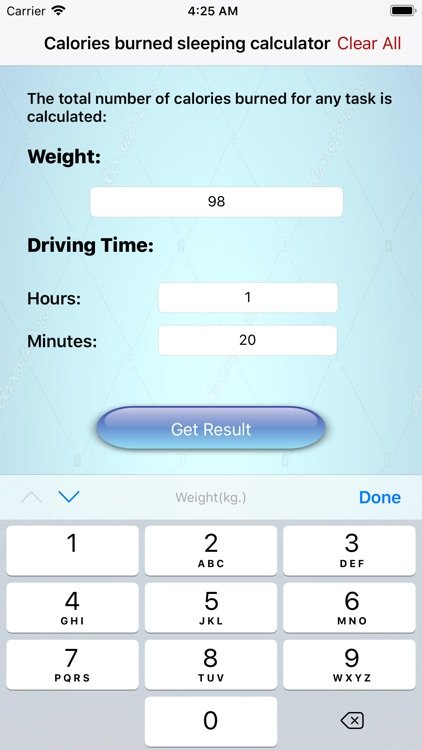
Drivingburns very few calories, around 60-100 per hour. Sitting still uses minimal energy. Stress and tension while driving do not burn many calories. Driving is the least active way to commute.
| Commute Type | Calories Burned (per hour) | Notes |
|---|---|---|
| Walking | 200-300 | Depends on speed and weight |
| Cycling | 400-600 | Higher intensity, builds strength |
| Public Transport | 50-100 | Walking to stops adds calories |
| Driving | 60-100 | Minimal calorie burn |

Credit: www.reddit.com
Factors Affecting Calorie Burn
Body weightchanges how many calories you burn. Heavier people burn more calories doing the same activity than lighter people.
Commute duration and intensityalso matter. Longer and more intense commutes burn more calories. A slow walk burns fewer calories than a fast bike ride.
Terrain and environment effectsimpact energy use. Walking uphill or on rough paths needs more effort. Flat, smooth roads need less.
Pace and speed variationschange calorie burn too. Faster speeds increase calorie use. Even small changes in pace can make a difference.
Tools To Track Calories
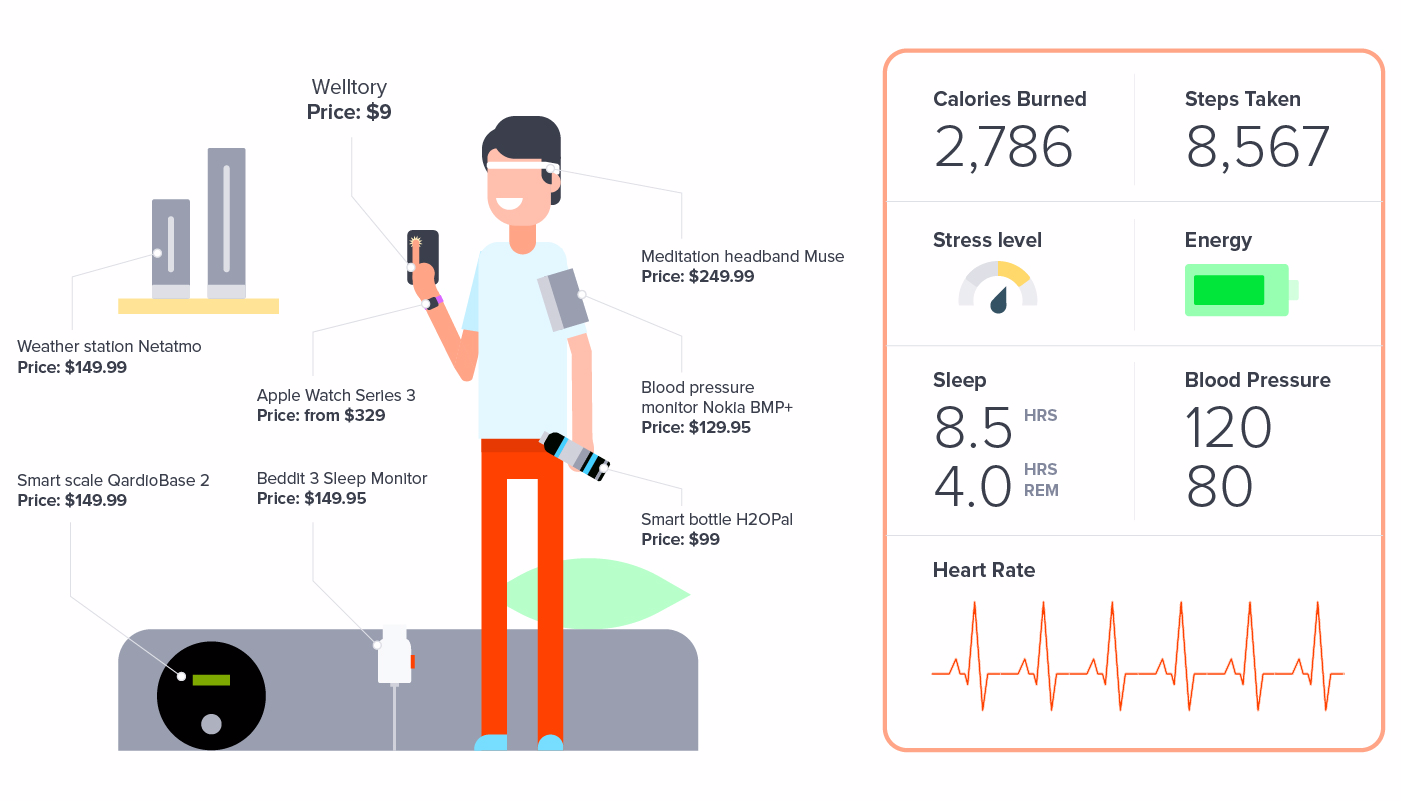
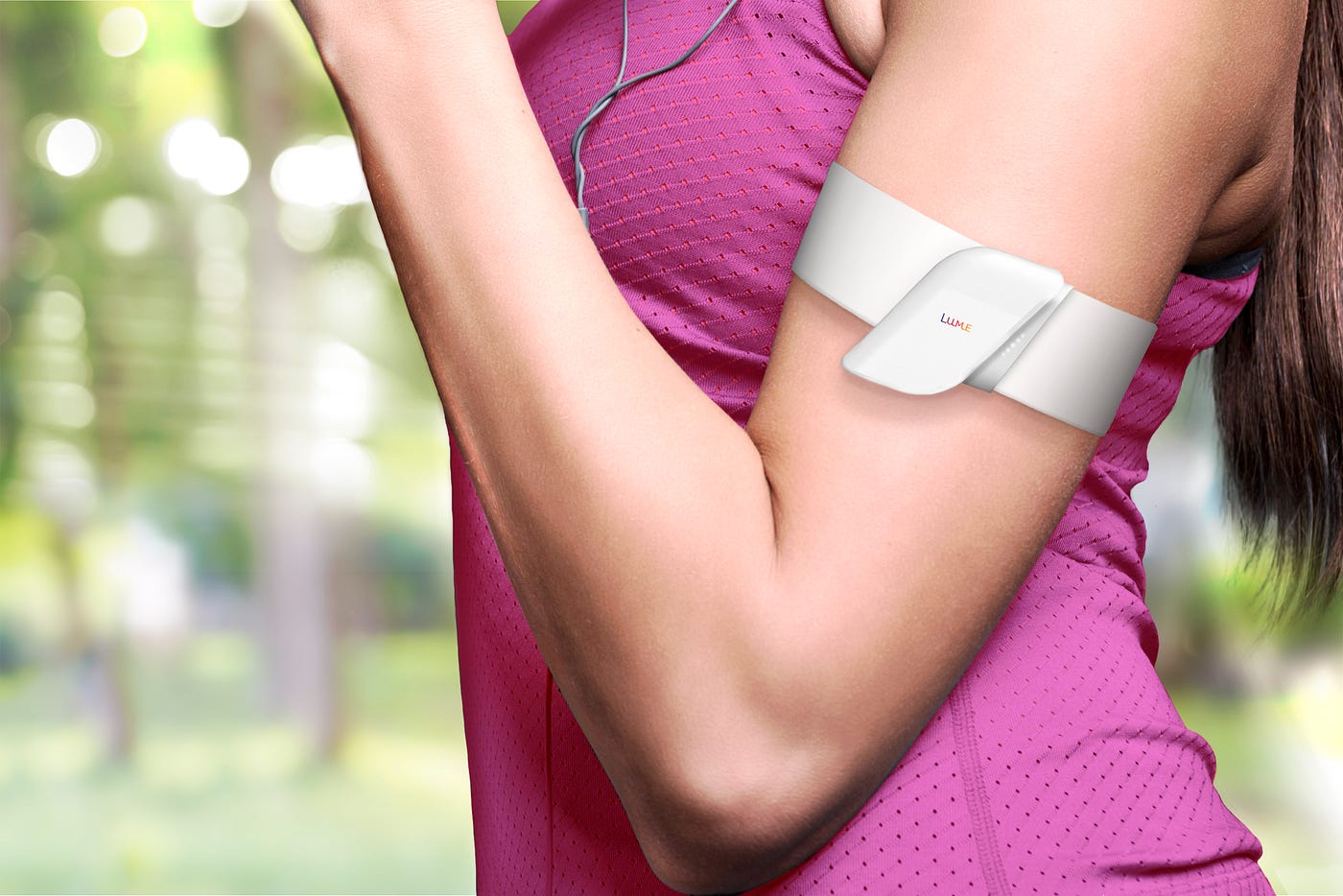
Wearable fitness trackerscan measure calories burned by tracking heart rate and movement. They work well for walking, biking, or running during your commute. These devices give real-time data and store your daily activity for review.
Mobile appsoffer easy ways to track calories. Many apps use GPS to calculate distance and speed. They estimate calories burned based on your weight and travel method. Some apps also sync with fitness trackers.
Manual calculationuses simple math. Multiply the time spent commuting by the average calories burned per minute for your activity. Tables or charts online show calories burned per activity type and weight. This method needs no devices or apps but requires some effort.
Simple Calculation Techniques
MET values(Metabolic Equivalent of Task) show how many calories you burn per hour doing an activity. Walking, biking, or even standing have different METs. Multiply the MET value by your weight (in kg) and time (in hours) to find calories burned. For example, walking at 3 mph has a MET of 3.3.
Estimating calories based on distance and speedis simple. Use your weight and speed to find calories burned per mile or kilometer. Faster speeds burn more calories. Walking 1 mile burns fewer calories than biking the same distance.
Personal factors like age, weight, and fitnesslevel change calorie burn. Heavier people burn more calories. Younger, fitter people might burn less because their bodies work efficiently. Adjust your calculations by considering these factors for better accuracy.
Tips For Accurate Measurement
Tracking calories burned during commuting needs consistent habits. Record your activity every day, same time. This helps spot patterns and errors. Use a reliable device or app to keep data steady.
Combine data sourceslike a smartwatch, phone apps, and manual logs. This gives a fuller picture of your calorie burn. Each tool can fill gaps others miss.
Keep devices and apps updated and calibrated. Change settings if your weight or pace changes. This keeps calorie estimates more accurate over time.
Maximizing Calorie Burn While Commuting
Pick paths that make you move more. Walking and cycling paths are great. They help you burn more calories. Avoid routes with less activity. Active routes keep you fit and healthy.
Take short walks during your commute. Walking boosts your calorie burn. Cycling also helps. It uses more muscles. Short bursts of activity add up. You can reach your fitness goals this way.
Use stairs instead of elevators. Stairs make your heart work harder. This burns more calories. Avoiding elevators is a simple choice. It’s a small change with big benefits.
Credit: healthtransformer.co
Frequently Asked Questions
How Do I Calculate Calories Burned While Commuting?
You can calculate calories burned by tracking your commuting time, distance, and activity type. Use online calorie calculators or fitness apps.
Which Commuting Methods Burn The Most Calories?
Walking and cycling burn the most calories compared to driving or public transit. Intensity and duration also affect calorie burn.
Can Wearable Devices Accurately Measure Commuting Calories?
Yes, wearable devices estimate calories burned by tracking heart rate, steps, and movement during your commute. Accuracy varies by device.
Does Commuting Speed Affect Calorie Burn?
Yes, faster walking or cycling increases calorie burn. Intensity directly influences the number of calories burned during commuting.
Conclusion
Measuring calories burned while commuting helps track your daily activity. Walking, biking, or even taking stairs adds to your calorie count. Use apps or fitness trackers to get easy estimates. Small changes can improve your health over time. Stay consistent and watch your progress grow.
Every step counts toward a healthier lifestyle. Keep moving and enjoy the benefits.



