
You spend a lot of time on your commuter bike, so why not make every ride comfortable? Whether you’re heading to work or running errands, a bike that fits you well can turn a tiring trip into an enjoyable one.
But how do you set up your bike to suit your body and riding style perfectly? You’ll discover simple, practical steps to adjust your commuter bike for maximum comfort. Keep reading, and you’ll learn easy fixes that can reduce pain, improve your posture, and make every ride something to look forward to.
Choosing The Right Bike
Choosing a bike with the right frame sizeis key for comfort. A frame too big or small can cause pain and fatigue. Measure your leg length and torso to find the correct size. Test ride if possible to check fit.
Handlebar styles affect your riding position. Flat handlebarsoffer control and a sporty feel. Riser barsraise your hands for a relaxed posture. Drop barsgive multiple hand positions but may be less comfy for casual rides.
Comfort also depends on the saddle. Look for a wide, cushioned saddleto support your sit bones. Some saddles have cutouts to reduce pressure. Try different saddles to find what feels best for you.
Adjusting The Seat
Adjust the seat height so your leg is almost straight when the pedal is at its lowest point. This helps prevent knee pain and makes pedaling easier. The seat angle should be level or slightly tilted forward to reduce pressure on sensitive areas.
Proper seat positioning improves comfortand pedal efficiency. Sitting too low wastes energy, while too high can cause hip discomfort. Adjust slowly and test by riding a short distance.
- Keep hips steady; avoid rocking side to side.
- Check that your knees align with pedals.
- Make small angle changes for better comfort.
Handlebar Adjustments
Adjusting the handlebar heightis key for a comfy ride. Raise or lower it to keep your back straight and shoulders relaxed. Too high or low can cause pain.
The reachis the distance from the seat to the handlebars. Find a spot where you can hold the bars without stretching or bending too much. This helps avoid arm and neck strain.
- Flat grips: Simple and offer good control.
- Ergonomic grips: Shaped to fit your hands, reduce pressure.
- Cork or foam grips: Soft and absorb road bumps well.
Choose grips that feel soft and support your palms. This reduces numbness and tired hands.
Optimizing Suspension
Front forksand seat postsplay a big role in bike comfort. Softer forks absorb bumps well but can feel slow. Stiffer forks give more control but less cushion. Choose one that fits your ride style.
Seat posts with suspensionhelp soften the ride on rough roads. They reduce shocks to your lower back and hips. Look for adjustable posts to fine-tune comfort.
Tire pressurealso affects how smooth your ride feels. Lower pressure means more grip and cushioning but more risk of flats. Higher pressure rolls faster but feels harsh on rough surfaces. Find a balance based on your weight and road type.
| Component | Effect on Comfort | Tip |
|---|---|---|
| Front Forks | Absorbs shocks from bumps | Choose soft for comfort, stiff for control |
| Seat Posts | Reduces shocks to body | Use suspension posts, adjust as needed |
| Tire Pressure | Impacts ride smoothness and grip | Lower for cushion, higher for speed |
Choosing The Right Tires
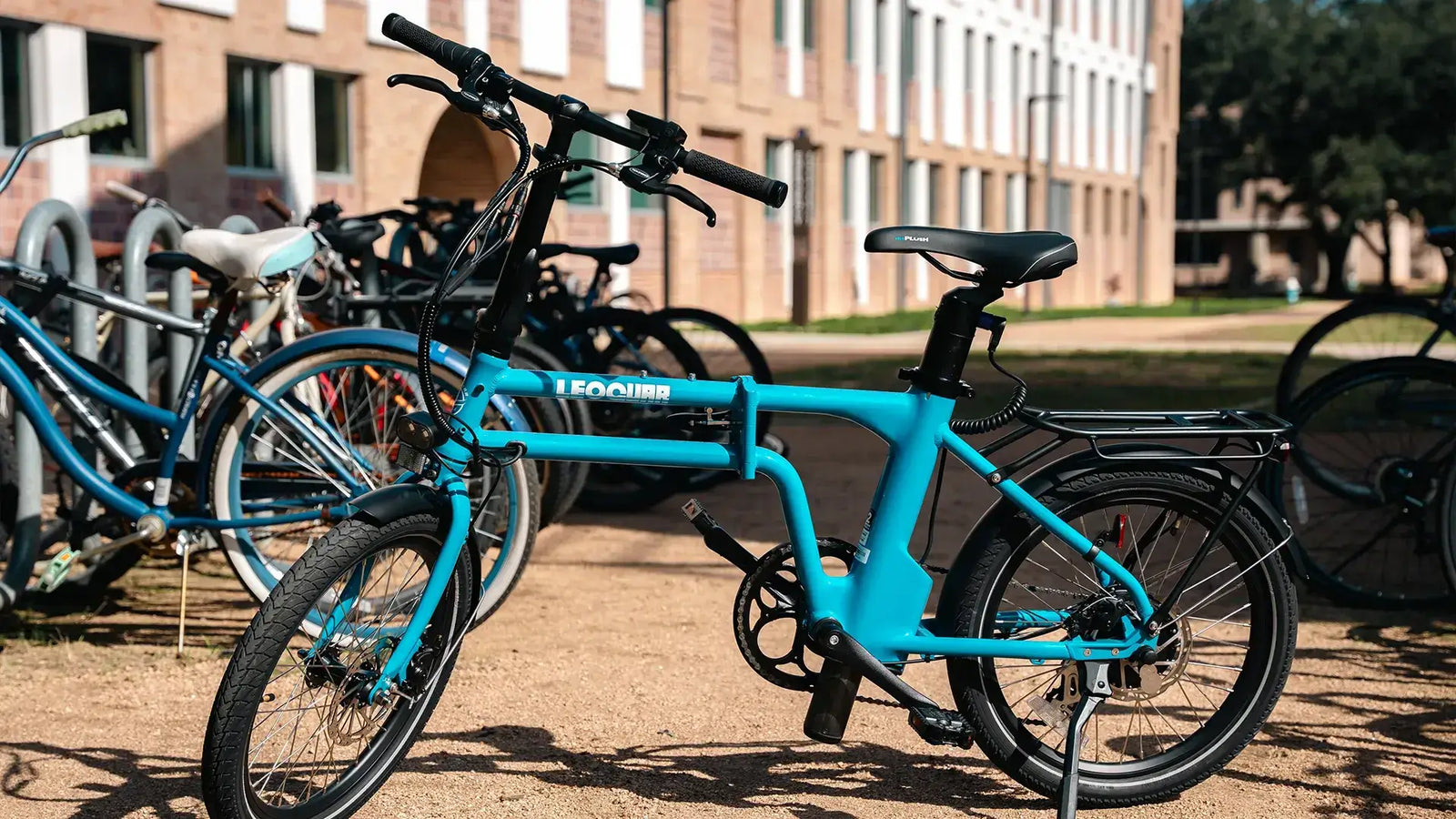
Tire widthaffects comfort and ride quality. Wider tires give more cushion and grip on rough roads. Narrow tires are faster but less comfy on bumpy streets.
Tread patternsmatter for different surfaces. Smooth or slick treads work best for city roads. Knobby or patterned treads help on gravel or dirt paths.
| Puncture Resistance Feature | Benefit |
|---|---|
| Kevlar or aramid layers | Stop sharp objects from piercing tires |
| Thick rubber belts | Add extra protection without too much weight |
| Sealant inside tubes | Automatically seals small holes while riding |
Credit: leoguarbikes.com
Adding Comfort Accessories
Padded grips help your hands feel better. They are soft and comfy. Your hands won’t hurt on long rides. Padded seats make sitting easy. They keep your bottom comfortable. Choose a seat with extra cushion. It helps on bumpy roads. A comfy seat is very important.
Fenders keep mud off your clothes. They are useful in rain. Mudguards stop dirt from splashing up. They help keep your bike clean. Install them above the wheels. This keeps you dry and happy. Riding without mud is more fun. Keep your bike tidy with these.
Clothing And Gear Tips
Choosing the right cycling apparelis important. Wear a breathable jerseyto stay cool. Choose shorts with padded liningfor comfort. Good shoes are key. They should have a stiff solefor strong pedaling. Wear moisture-wicking socksto keep your feet dry. Gloves can protect your hands and give you a better grip. Look for gloves with padded palms.
A helmet keeps your head safe. Choose one that fits well. It should be snug but not too tight. Make sure it has proper ventilationfor air flow. Safety is not just about helmets. Lights and reflectors are crucial. Attach lights to your bike. Use reflectors on wheels and pedals. This helps others see you clearly. Always check your brakes. Make sure they work well. A good lockwill keep your bike safe when you park.
Credit: macfoxbike.com
Maintaining Your Setup
Regularly check your bike’s setup for comfort and safety. Small changes in seat height or handlebar position can make a big difference.
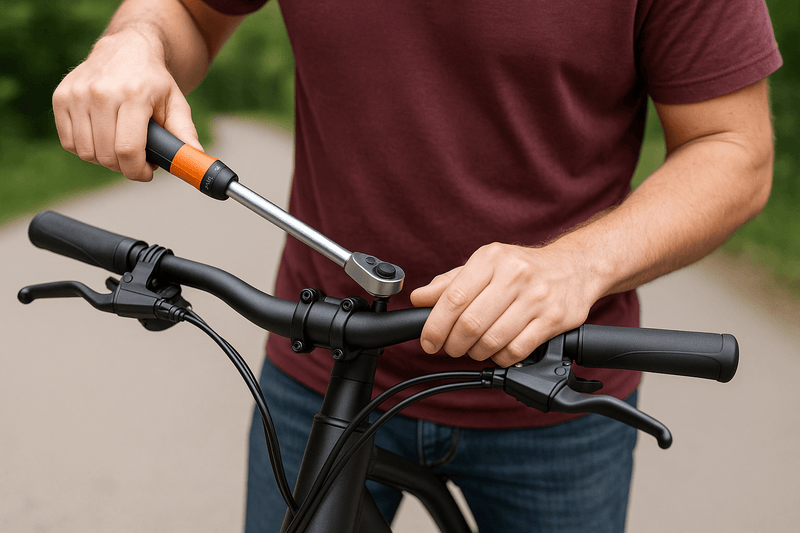
Keep an eye on the seat and handlebars. Tighten bolts if they feel loose. Adjust the seat angle to avoid discomfort during rides.
- Check tire pressure weekly for a smooth ride.
- Lubricate the chain to keep it running quietly.
- Inspect brakes to ensure they work properly.
- Clean the bike to prevent dirt build-up.
Regular maintenance helps your commuter bike stay reliable and comfortable. It also extends the life of your bike parts.

Credit: www.hovsco.com
Frequently Asked Questions
How Do I Adjust My Commuter Bike Seat For Comfort?
Adjust your seat height so your leg slightly bends at the bottom pedal. Ensure the seat is level and centered. This reduces knee strain and improves riding posture for a comfortable commute.
What Handlebar Position Suits Commuter Bike Comfort?
Set handlebars at a height that keeps your back straight and relaxed. Avoid overly low or high bars to prevent wrist and shoulder pain during rides.
Which Tires Are Best For A Smooth Commuter Bike Ride?
Choose wider tires with moderate tread for better shock absorption and grip on city roads. This enhances comfort by reducing vibrations and improving stability.
How Important Is Suspension In Commuter Bikes For Comfort?
Suspension absorbs shocks from uneven surfaces, improving ride smoothness. While not essential, front suspension or padded seats greatly enhance comfort on rough commutes.
Conclusion
Setting up your commuter bike for comfort makes every ride better. Adjust the seat and handlebars to fit your body well. Choose the right tires and add accessories that help you. Small changes can reduce pain and fatigue on long trips.
Remember, a comfy bike keeps you happy and safe. Start with simple steps and enjoy your daily commute more. Keep your bike ready, and the journey will feel easier. Comfort matters. Ride smart, ride smooth.



