

Are your cyclocross bike gears feeling off during your rides? Struggling with rough shifts or slipping chains can ruin your cycling experience.
But don’t worry—you can fix this yourself. Learning how to adjust the gears on your cyclocross bicycle is easier than you think. In this guide, you’ll discover simple, step-by-step tips to get your gears running smoothly again. Keep reading, and you’ll be back to enjoying seamless rides in no time.

Credit: www.bikeradar.com
Gear System Basics
Cyclocross bicycles have special gear systems. These gears help riders handle rough roads and steep hills. There are two main types of gears on cyclocross bikes:
- Derailleur Gears:These gears change the chain position on different sized sprockets. They offer many gear options.
- Internal Hub Gears:These gears are inside the rear wheel hub. They need less maintenance and work well in muddy conditions.
Key parts of the gear system include:
| Component | Function |
|---|---|
| Shifters | Control gear changes from the handlebars |
| Derailleurs | Move the chain between gears |
| Chainrings | Front gears attached to pedals |
| Cassette | Rear gears attached to the wheel |
| Chain | Transfers power from pedals to wheel |

Credit: www.teknecycling.com
Tools Needed
Essential tools include a Phillips screwdriverand a flathead screwdriverfor adjusting limit screws. A 5mm Allen wrenchis needed to loosen or tighten the derailleur clamp bolt. A bike standhelps hold the bike steady while adjusting gears. A chain checker toolcan be handy for checking chain wear.
Optional accessories make the process easier. A derailleur hanger alignment gaugeensures the hanger is straight. Lubricantkeeps the chain smooth and helps with shifting. A clean ragis useful for wiping off dirt and grease. A pair of gloveskeeps hands clean and protected.
Preparing The Bike
Start by cleaning the drivetrain. Dirt and grease block smooth gear shifts. Use a brush and degreaser to remove grime from the chain, chainrings, cassette, and derailleur.
After cleaning, dry all parts well. Check the chain for wear or damage. A worn chain can cause poor shifting and damage other parts.
Inspect the derailleurfor bends or damage. Look at the derailleur hanger—it should be straight. A bent hanger affects gear alignment.
Check the cables and housing. Frayed cables or rusty housings can slow shifting response. Replace if needed.
- Clean chain, cassette, and chainrings
- Dry all parts thoroughly
- Check chain wear and damage
- Inspect derailleur and hanger for straightness
- Examine cables and housings for rust or frays
Adjusting The Front Derailleur
The limit screwscontrol how far the front derailleur moves. One screw sets the inner limit, stopping the chain from dropping off the small chainring. The other screw sets the outer limit, preventing the chain from falling off the big chainring. Adjust these screws carefully. Turn the screws in small steps to avoid damage.
Cable tensionaffects how smoothly gears shift. Use the barrel adjuster to fine-tune the tension. Turning it one way tightens the cable, the other way loosens it. Proper tension helps the derailleur move the chain quickly and accurately. Test the shifting by changing gears and adjust the tension if needed.
Adjusting The Rear Derailleur
Adjusting the rear derailleur helps shift gears smoothly on a cyclocross bike. Fine-tune the cable tension and limit screws to prevent chain slipping or dropping. Proper adjustment improves gear changes and bike performance.
Limit Screw Adjustment
Find the two limit screws on the derailleur. One is for the high gear, the other for the low gear. Use a screwdriver to turn these screws. This will stop the chain from going too far. Turn the high limit screw to move the derailleur away. Turn the low limit screw to pull the derailleur closer. This keeps the chain on the gears.
Cable Tension Calibration
Shift the chain to the smallest gear. Check the cable tension. Use the barrel adjuster to make it tighter or looser. Turn clockwise to tighten. Turn counter-clockwise to loosen. Test by shifting gears. The chain should move smoothly. Adjust if needed. This ensures smooth gear shifts.
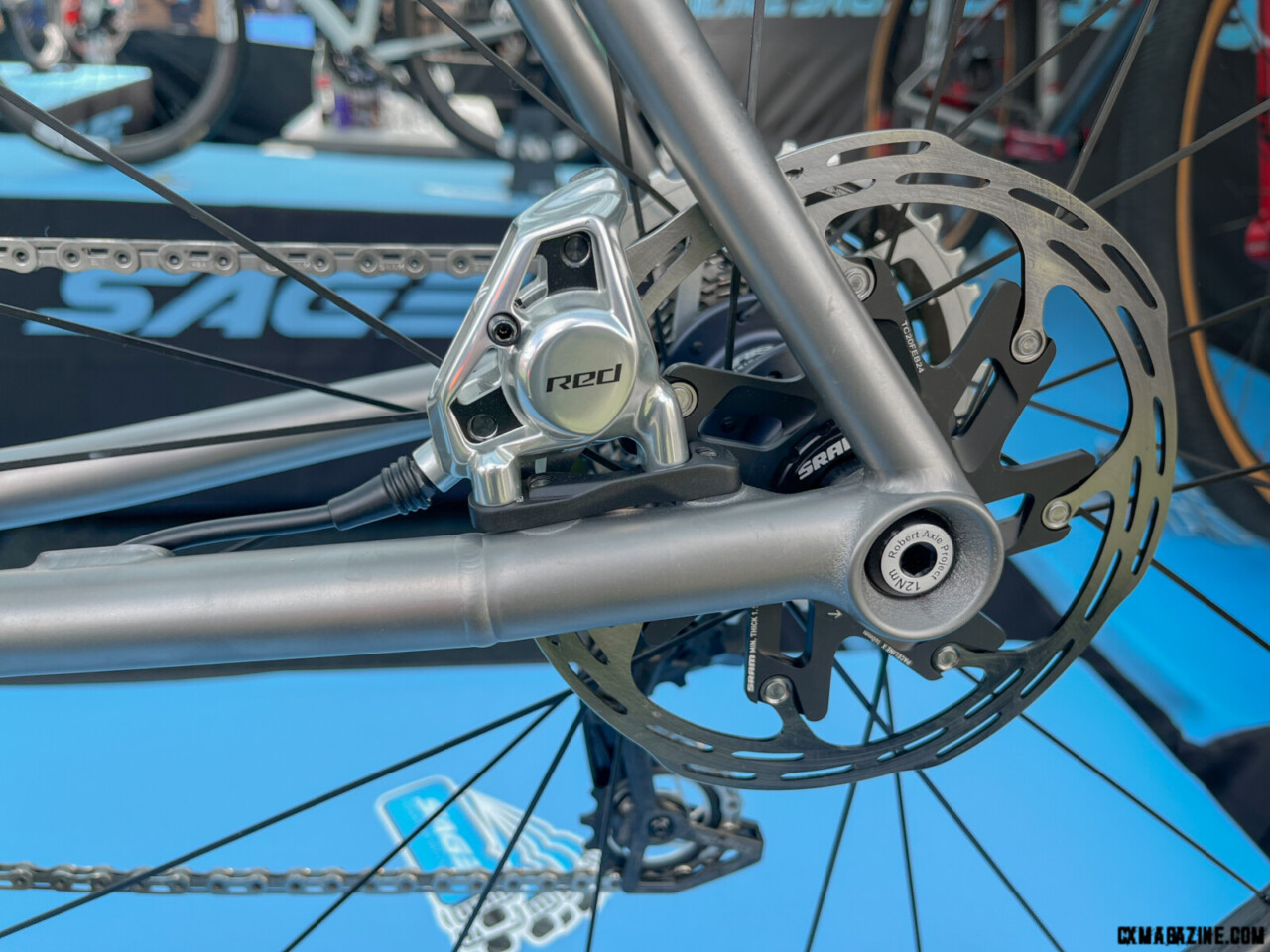
B-stop Screw Setup
Find the B-stop screw near the derailleur. This screw controls the gap between chain and gears. Turn the screw to make the gap just right. Too close can cause noise. Too far makes shifting hard. Aim for a small, even gap. This helps in smooth riding.
Credit: www.cxmagazine.com
Testing And Fine-tuning
Testing gear shifts helps find smooth and precise changes on your cyclocross bike. Fine-tuning the derailleur prevents chain slipping and noise. Adjust slowly until each gear clicks cleanly without hesitation.
Shifting Through Gears
First, lift the bike’s rear wheel. Spin the pedals with one hand. Use the other hand to shift through gears. Check if each gear changes smoothly. If gears skip, there might be a problem. Listen for any strange noises. Smooth shifts mean everything is working fine.
Identifying Common Issues
Gears may not shift correctly for many reasons. Sometimes, the chain might be loose or too tight. Look at the cables, too. They might be worn out. The derailleur could be misaligned. Check each part carefully. A small problem can cause a big issue.
Making Final Adjustments
Turn the barrel adjuster to fine-tune the gears. Clockwise turns tighten the cable. Counter-clockwise turns loosen it. Try small turns and test the gears again. Keep adjusting until shifts are smooth. Make sure the chain stays on the gears. A perfect adjustment makes biking fun.
Maintenance Tips
Check your cyclocross bike’s gears often. Look for loose cablesor worn teethon the chainrings and cassette. Make sure the derailleur moves smoothly and aligns well with the gears. Keep an eye on gear shifting to catch any issues early.
Apply lubricant to the chain and derailleur pivot points. Use a light oilto keep parts moving without attracting dirt. Wipe off any extra lube to avoid grime build-up. Proper lubrication helps gears shift quietly and smoothly.
| Part | Signs to Replace | Why Replace |
|---|---|---|
| Chain | Stretching or rust | Prevents slipping and wear |
| Cassette | Worn or bent teeth | Ensures smooth gear changes |
| Derailleur cable | Fraying or stiffness | Maintains precise shifting |
Frequently Asked Questions
How Do I Know When To Adjust Cyclocross Gears?
You should adjust gears when shifting feels rough or chain slips. Regular checks improve ride smoothness and prevent damage.
What Tools Are Needed To Adjust Cyclocross Bicycle Gears?
You need a Phillips screwdriver, Allen keys, and a bike stand. These tools help fine-tune derailleur and cable tension accurately.
How Often Should I Adjust My Cyclocross Bike Gears?
Adjust gears every few months or after heavy rides. Frequent tuning ensures optimal shifting and prolongs component life.
Can I Adjust Gears Without Removing The Wheel?
Yes, you can adjust gears with the wheel on. Shifting and fine-tuning cables are easier this way.
Conclusion
Adjusting gears on your cyclocross bike keeps your ride smooth and fast. Regular checks help avoid gear slipping or noise. Small tweaks make a big difference in performance. Practice these steps to gain confidence and enjoy cycling more. Remember, patience and care lead to better gear shifts.
Keep your bike ready for any trail or weather. Now, get out and ride with a well-tuned bike!



