
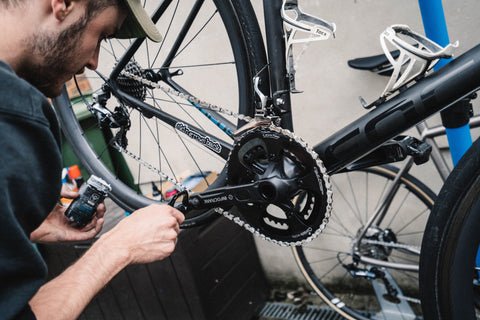
If you want your track bike to glide smoothly and perform at its best, keeping your wheel bearings in top shape is key. Ignoring bearing maintenance can lead to rough rides, wasted energy, and costly repairs.
But don’t worry—maintaining your bearings doesn’t have to be complicated or time-consuming. You’ll discover simple, effective steps to care for your track bike wheel bearings. By following these tips, you’ll save money, avoid breakdowns, and enjoy a faster, smoother ride every time you hit the track.
Keep reading to learn how easy it is to protect your investment and boost your bike’s performance.
Signs Of Worn Bearings
Noise and roughnessare common signs of worn bearings. Listen for clicking, grinding, or squeaking sounds when spinning the wheel. These noises often mean the bearings are dry or damaged.
Play and movementin the wheel hub show bearing wear too. Hold the wheel and try to move it side to side. Any wobbling or extra movement indicates looseness or worn parts inside.
| Visual Inspection | What to Look For |
|---|---|
| Rust or Dirt | Check for rust, dirt, or grime around the hub and bearings. |
| Grease Condition | Look at the grease. It should be clean and not dried out. |
| Cracks or Damage | Inspect the bearing seals and cups for cracks or damage. |

Credit: www.bushpigperformance.com
Tools And Materials Needed
Bearing greaseis essential for smooth wheel rotation. Choose a grease that repels water and dirt. It helps protect bearings from wear and rust.
Cleaning suppliesinclude rags, brushes, and degreasers. These help remove old grease and dirt. Clean bearings last longer and work better.
- Wrenchesfit the nuts and bolts on your track bike wheels.
- Pullershelp safely remove bearings without damage.
Having the right tools and materials makes maintenance easier and safer.
Removing Bearings Safely
Remove the wheel carefully from the bike frame. Use the right tools like a wrench or quick-release lever. Check that the bike is stable before you start. Place the wheel on a clean surface to avoid dirt getting into bearings.
Use gentle pressure when pulling out bearings. Avoid hitting or forcing them out, as this can cause damage. Bearing pullers or small screwdrivers help to remove bearings safely. Clean the bearing area with a soft cloth to remove old grease and dirt.
- Place the wheel on a flat surface.
- Use a wrench to loosen the axle nuts.
- Remove the wheel from the frame.
- Use a bearing puller or screwdriver carefully.
- Remove bearings without using too much force.
- Clean bearing seats with a soft cloth.
Cleaning And Inspecting Bearings
Remove the bearings carefully from the wheel hub. Use a proper degreaserto clean the old grease and dirt. Soak the bearings for a few minutes to loosen all grime. Use a soft brush to remove stubborn dirt without damaging the parts.
Rinse the bearings with clean water and dry them completely. Make sure no moisture remains, as it can cause rust.
- Check the bearing surface for pits or scratches.
- Spin the bearing to feel for roughness or noise.
- Look for signs of corrosion or wear.
- Replace any bearings that do not spin smoothly.
Lubricating Bearings Correctly
Choosing the right greaseis key for smooth bearing operation. Use grease that is designed for bicycle bearings. It should resist water and dirt to protect the bearings. Avoid using oils alone as they do not stay in place well. Grease with good thickening agents helps keep the lubricant where it is needed.
Applying lubricant evenlyensures all bearing parts get protection. Spread the grease carefully around the bearing surfaces. Use a small brush or your fingers to work the grease into the bearings. Avoid applying too much grease; excess can attract dirt. Check that the grease covers all moving parts for long-lasting performance.

Credit: www.reliance-foundry.com
Reinstalling Bearings And Wheels
Ensure the wheel is centered on the bike frame. This prevents wobbling. Check that the axle is straight. Misalignment causes stress on the bearings. Bearings should sit evenly in their slots. Uneven placement can lead to premature wear. Use a soft mallet for adjustments. This avoids damaging the bearings or wheel.
Proper torque keeps wheels secure. Over-tightening can damage threads. Use a torque wrench for accuracy. Each bike has specific torque settings. Follow the manufacturer’s guidelines. Not too loose, not too tight. Secure but not strained. This ensures smooth wheel rotation. Consistent torque prevents unnecessary stress. Bearings last longer with correct torque.
Routine Bearing Maintenance
Track bike wheel bearings stay smooth by cleaning and lubricating them regularly. Check for wear and replace damaged parts to keep wheels spinning freely. Proper care helps avoid rough rides and extends bearing life.
Regular Cleaning Schedule
Clean bike bearings every month. Use a soft cloth and mild cleaner. Dirt and dust can damage bearings. Avoid water on bearings. It can cause rust. Dry them well after cleaning. Lubricate them with grease. Grease keeps them smooth. Check for strange noises. It might mean dirt is inside. A regular schedule keeps bearings in good shape.
Signs To Replace Bearings
Bearings need replacing if they feel rough. Rough bearings make riding hard. Listen for squeaky sounds. Squeaks mean trouble. Wheels should spin freely. If they don’t, check the bearings. Wobbling wheels are bad. Wobbling is a sign of bearing issues. Check for rust. Rust means it’s time to replace. Keep your ride smooth with good bearings.
Credit: www.cyclingnews.com
Preventing Bearing Issues
Keeping dirt and water outis key to good bearing health. Dirt can cause rough turns and damage. Use seals or covers on bearings to block dust and wetness. After riding in rain or mud, clean and dry the wheels quickly. Avoid spraying water directly on the bearings.
Store track bike wheels in a dry place. Keep them off the ground and away from strong sunlight. Handle wheels gently to avoid dropping or banging. Rough handling can harm the bearings inside. Use a soft cloth to clean wheels and remove grime.
Frequently Asked Questions
How Often Should I Maintain Bearings On Track Bike Wheels?
Regular maintenance is key. Inspect and clean bearings every 3-6 months, or more often if you ride frequently. Timely lubrication prevents wear, ensuring smooth wheel rotation and extending bearing life.
What Tools Are Needed For Bearing Maintenance?
Essential tools include cone wrenches, grease, degreaser, clean rags, and a bearing puller. These help you clean, inspect, and lubricate bearings efficiently and safely.
Can I Use Any Grease For Track Bike Bearings?
Use high-quality, waterproof grease designed for bicycle bearings. This ensures proper lubrication, reduces friction, and protects against moisture, enhancing bearing performance and durability.
How Do I Know If Bearings Need Replacement?
Signs include rough spinning, grinding noises, or wheel wobble. If cleaning and lubrication don’t fix issues, replacing bearings is necessary to maintain safe riding.
Conclusion
Maintaining bearings keeps your track bike running smooth and safe. Regular cleaning and lubrication prevent wear and tear. Check for noise or rough feeling while spinning the wheels. Tighten parts carefully to avoid damage. Simple steps save money and extend bike life.
A well-kept bike means better rides every time. Take time for small fixes. Your bike will thank you with better performance. Keep it simple, stay consistent, and enjoy the ride.



