
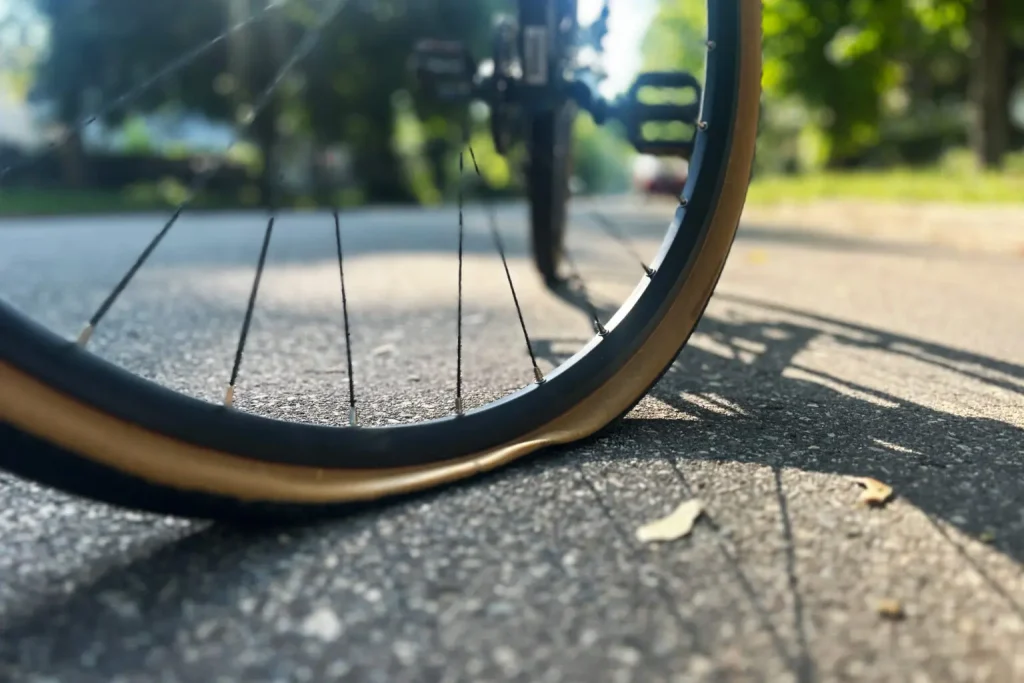
Your commuter bike tires are what keep you rolling smoothly every day. But when they wear out or get damaged, it’s more than just an inconvenience—it can slow you down or even put you at risk.
Knowing how to replace your bike tires yourself saves you time, money, and hassle. In this guide, you’ll learn simple, step-by-step tips that anyone can follow, even if you’ve never done it before. Ready to get your bike back in top shape and riding like new?
Keep reading, and you’ll master tire replacement in no time.
Tools And Materials Needed
Essential tools include tire levers, a bicycle pump, and a wrenchfor wheel removal. A patch kitmay help fix small holes. Gloves keep hands clean. A clean cloth wipes dirt from rims and tires. Having a bucket of water helps find leaks by spotting bubbles. These tools make the process easier and safer.
| Tool | Purpose |
|---|---|
| Tire Levers | Remove the tire from the rim |
| Bicycle Pump | Inflate the new tire |
| Wrench | Loosen and tighten wheel nuts |
| Patch Kit | Fix small punctures |
| Gloves | Keep hands clean |
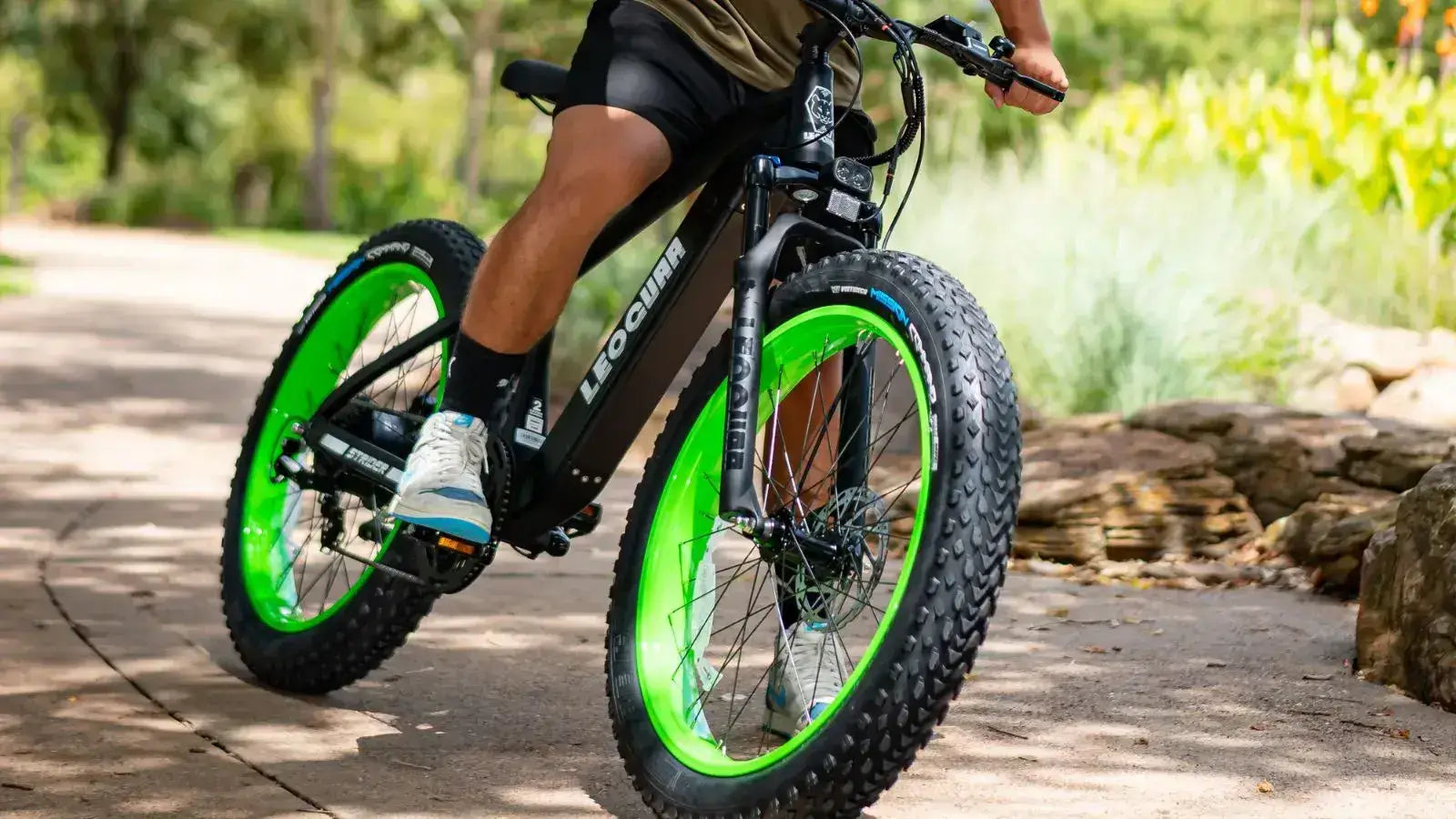
Choosing tires depends on the wheel size. Check the size printed on your old tire. Consider the tire widthfor comfort and speed. Wider tires offer more grip but can be slower. Narrow tires are lighter and faster but less stable. Also, select tires with the right tread patternfor your riding style. Smooth treads suit city roads; knobby treads work well on rough paths.
Credit: leoguarbikes.com
Preparing Your Bike
Start by shifting the bike into the easiest gear to loosen tension. Release the brakes to allow the wheel to move freely. Use a wrench or quick-release lever to loosen the nuts or axle. Carefully lift the wheel out of the frame or fork.
To deflate the tire fully, press down on the valve to let air escape. For Schrader valves, push the small pin inside the valve. For Presta valves, unscrew the small locknut and press the valve tip. Wait until all air is out before removing the tire.
Removing The Old Tire
Start by deflating the tire completely. Press the valve to let out all air.
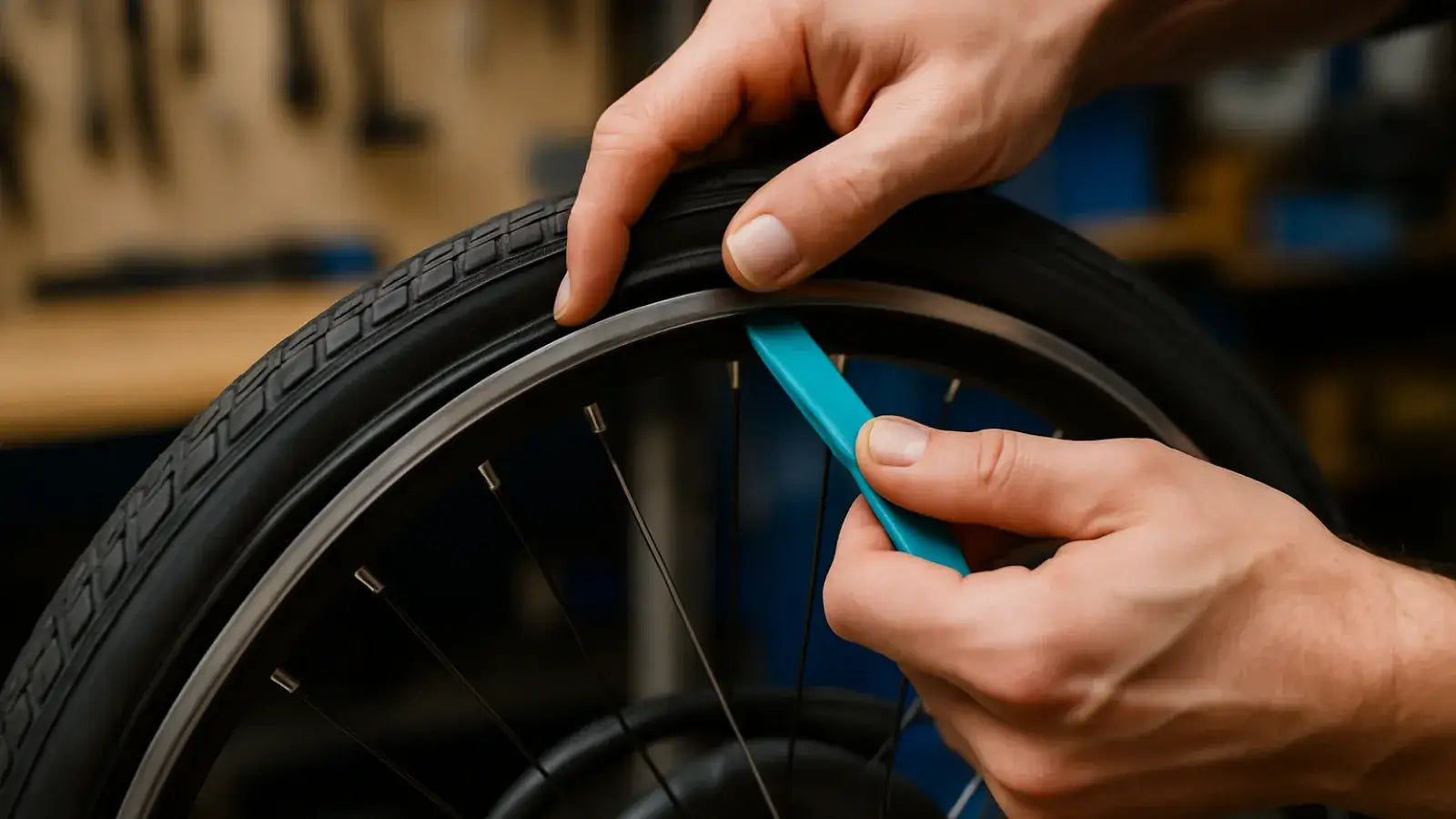
Use tire levers to loosen the tire from the rim. Slide the first lever under the tire bead and hook it onto a spoke. Insert a second lever a few inches away and work both levers around the rim.
Be gentle to avoid damaging the tire or tube. Pry the tire bead over the rim edge carefully.
Once the tire is loose on one side, pull the inner tube out from inside the tire. Check the tube and tire for sharp objects or damage.
Remove the tire fully by lifting it off the rim. Keep the tire levers handy for stubborn spots.
Inspecting The Rim And Tube
Check the rimcarefully for any cracks, dents, or sharp edges. These can cause tire puncturesor poor tire fit. Examine the tubefor holes or tears by gently inflating it and listening for air leaks. Pay close attention to the area near the valve and seams.
Remove all dirt and debris from the rim using a clean cloth. Dirt can cause the tire to slip or wear unevenly. Use a mild soap and water if needed, then dry the rim completely. Clean rims help the new tire fit better and last longer.
Installing The New Tire
Begin by removing the old tire carefully from the rim. Fit the new tire evenly, ensuring it sits properly without twists or bulges. Inflate the tire slowly, checking for correct pressure and proper seating on the rim.
Placing The Tire On The Rim
Start by holding the tire in your hands. Gently place it around the rim. Ensure one side of the tire fits snugly. Use your thumbs to push the tire into the rim. Check that the tire is evenly placed. Avoid pinching the tube. The tire should sit smoothly on the rim.
Inserting The Tube Correctly
Take the tube and find the valve. Put the valve through the rim hole. Carefully tuck the tube inside the tire. Make sure it is not twisted. Gradually push the tire edges into the rim. Double-check that the tube is not caught. Pump air slowly to check for any leaks. Ensure the tire is firm and secure before riding.
Credit: leoguarbikes.com
Inflating And Securing The Tire
Begin by inflating the tire to the recommended pressure on the sidewall. Make sure the tire bead sits evenly on the rim. Secure the tire by tightening the valve and checking for any air leaks.
Proper Inflation Levels
Check the tire’s sidewall for the recommended pressure. Use a pump to inflate it. Ensure the pressure matches the recommended level. This helps the bike move smoothly. Proper inflation also prevents tire damage. Over-inflated tires can burst. Under-inflated tires can pinch the tube. Always use a gauge to check pressure.
Ensuring Tire Is Seated Properly
Ensure the tire is snug on the rim. Spin the wheel to check for wobbles. Adjust the tire if it moves oddly. Make sure the tire bead is even. An uneven bead can cause flats. Use your hands to press the tire all around. This ensures the tire sits properly. Double-check everything before riding.
Reattaching The Wheel
Place the wheel back into the bike frame carefully. Make sure the tire fits inside the fork or rear stays without touching the brakes or frame. Check that the axle sits evenly in the dropouts. The wheel should be straight and centered between the frame parts. Misalignment can cause poor bike handling or brake rubbing.
Use the quick release lever or nuts to secure the wheel. Tighten the nuts firmly with your fingers or a wrench. For quick releases, close the lever with enough force to hold the wheel firmly but not too hard to damage the mechanism. The lever should leave a clear mark on your palm when closed.
- Check wheel alignment by spinning it and watching for wobbles.
- Ensure brakes do not rub the tire or rim.
- Double-check the quick release or nuts are tight before riding.
Final Checks And Maintenance Tips
Test ride the bike carefully on a flat, safe area. Check if the tires feel firm and steady. Listen for any strange sounds or rubbing. Make sure the bike stops smoothly and the wheels spin freely without wobbling. Adjust the tire pressure if needed for comfort and safety.
- Keep tires clean by wiping off dirt and debris.
- Check tire pressure weekly to avoid flats.
- Look for cuts, cracks, or worn tread regularly.
- Store the bike in a cool, dry place to protect tires.
- Rotate tires occasionally to balance wear.
Credit: m.youtube.com
Frequently Asked Questions
How Do I Know When To Replace Commuter Bike Tires?
Check for worn tread, visible cords, or frequent flats. Replace tires if grip or ride quality decreases noticeably. Regular inspection ensures safe and efficient cycling.
What Tools Are Needed To Replace Bike Tires?
You need tire levers, a pump, and possibly new inner tubes. Basic tools help remove and install tires quickly and safely.
How Do I Remove Old Tires From My Commuter Bike?
Deflate the tire completely, use tire levers to pry the bead off the rim. Work around the tire until it’s free.
Can I Replace Commuter Bike Tires Without Removing The Wheel?
It’s possible but easier and safer to remove the wheel first. Removing the wheel gives better access and control during replacement.
Conclusion
Replacing commuter bike tires is easier than it seems. Take your time and follow each step carefully. Use the right tools and choose tires that fit well. Check tire pressure before riding to avoid flats. Regular tire care helps your bike run smoothly.
Keep practicing to gain confidence and speed. Soon, tire changes will feel like second nature. Enjoy safer, more comfortable rides every day.



