

Choosing the best helmet for touring isn’t just about style—it’s about your safety, comfort, and peace of mind on every mile you ride. You want a helmet that fits perfectly, protects reliably, and keeps you comfortable no matter how long the road ahead is.
But with so many options out there, how do you know which one is right for you? This guide will help you cut through the noise and find the helmet that matches your needs perfectly. Keep reading to discover the key factors that will make your next ride safer and more enjoyable.
Key Helmet Types For Touring
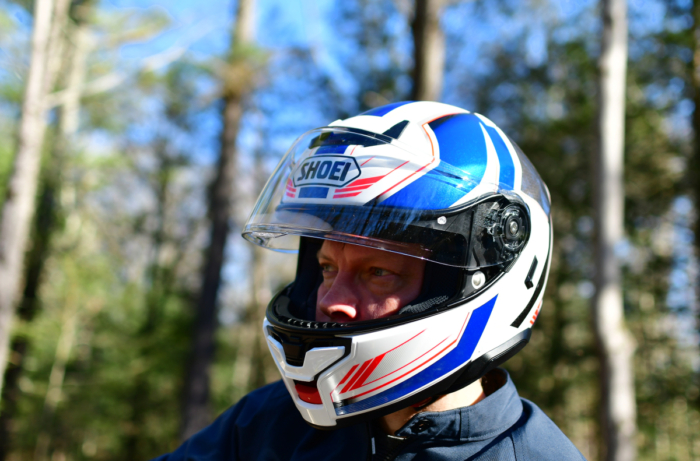
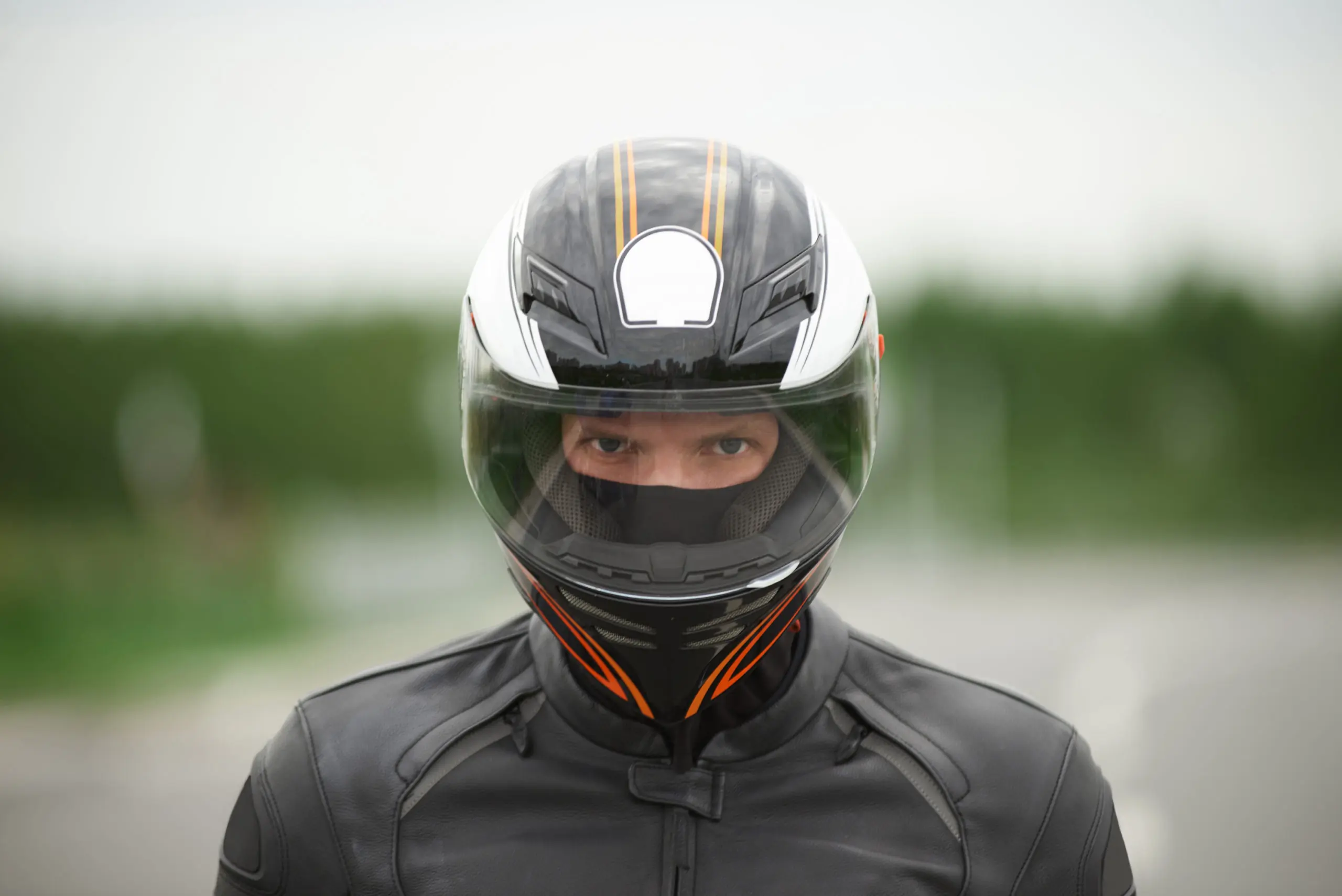
Full-face helmetsoffer the best protection. They cover the entire head and face. These helmets block wind, dust, and bugs. They are great for long rides and high speeds.
Modular helmetscombine features of full-face and open-face helmets. The chin bar flips up to open the face area. This makes talking or eating easy without removing the helmet.
Open-face helmetsprotect the top and sides of the head. The face remains open, so airflow is good. These helmets are lighter but offer less face protection.
Dual-sport helmetsare versatile for both on-road and off-road riding. They have a sun visor and a face shield. These helmets are good for riders who want one helmet for all trips.
Safety Standards To Look For
DOT Certificationis a key safety standard in the United States. Helmets with this certification meet the federal safety requirements. It ensures the helmet can absorb impact and stay on during a crash. This certification is mandatory for all helmets sold in the US.
ECE Certificationis widely recognized in Europe and many other countries. It tests helmets for impact absorption, strap strength, and field of vision. ECE standards are strict and updated regularly to improve rider safety.
Snell Certificationis a voluntary standard that is very strict. It includes rigorous testing for impact, shell penetration, and retention system. Helmets with Snell certification are often used in racing and high-speed touring for extra protection.
Helmet Materials And Their Benefits
Polycarbonate shellsare common in helmets. They offer good impact resistanceat a low cost. These helmets are lightweightbut less durable than others. They work well for everyday touring and short rides.
Fiberglass compositehelmets are made from layers of fiberglass. They provide better protectionthan polycarbonate. These helmets are strong and lightweight. They absorb impact energy well, making them a popular choice for longer tours.
Carbon fiberhelmets are the lightest and strongest. They cost more but offer excellent protectionand comfort. Carbon fiber helmets reduce neck strain on long rides. Ideal for serious touring riders who want the best safety and comfort.
Fit And Sizing Tips
Start by measuring your head with a soft tape measure. Wrap it around the widest part, just above your eyebrows. This gives the correct size for your helmet.
A helmet should feel snug but not tight. It should sit level on your head and cover your forehead well. Avoid helmets that move when you shake your head.
- Adjust the chin strap so it fits firmly under your chin.
- Check that the strap is not too loose or too tight.
- Use removable padding to improve comfort and fit.
- Make sure padding does not cause pressure points.
Comfort Features For Long Rides
Ventilation Systemskeep your head cool during long rides. Good airflow reduces sweat and discomfort. Look for helmets with multiple vents and channels that guide air inside. Adjustable vents help control air intake based on the weather.
Interior Linersadd comfort and fit. Soft, removable liners make cleaning easy. Some liners use moisture-wicking fabric to keep your head dry. A well-padded liner cushions the head and reduces pressure points.
Noise Reductionis key for a calm ride. Helmets with good seals and padding block wind noise. Quiet helmets help prevent fatigue and improve focus. Look for models tested for low noise levels.
Credit: gearjunkie.com
Visor Options And Benefits
Choosing a helmet with the right visor improves visibility and comfort during long rides. Clear, tinted, or flip-up visors protect against sun, wind, and debris. Ventilated visors also reduce fogging, making your tour safer and more enjoyable.
Clear Vs Tinted Visors
Clear visorsgive the best view in low light or night. They keep your vision sharp and colors true. Tinted visorsreduce glare from the sun. They help keep your eyes relaxed on bright days. Some riders carry both types to change with weather and time.
Anti-fog Coatings
Fog can block your view quickly. Anti-fog coatingsstop moisture build-up inside the visor. This keeps the visor clear during cold or wet rides. It makes riding safer and more comfortable.
Pinlock Systems
Pinlock systemsadd a special inner lens that stops fog. The lens fits inside the visor and creates a tight seal. This system works well in all weather and is easy to use. Many riders prefer it for long trips.
Additional Features To Consider
Look for features like ventilation, sun visors, and noise reduction for added comfort. Check for easy-to-use straps and removable liners to keep the helmet fresh on long rides.
Bluetooth Integration
Bluetooth in helmets lets you talk hands-free. It connects to your phone or GPS. You can listen to music or calls. This keeps your focus on the road. Bluetooth helps for safe riding.
Quick-release Mechanisms
Quick-release systems make helmets easy to take off. They save time and effort. These systems are very handy in emergencies. They offer convenience and safety together.
Weight Considerations
A light helmet is comfy for long rides. Heavy helmets can tire your neck and shoulders. A lightweight design helps avoid fatigue. Choose a helmet that feels right on your head. Comfort is key for a fun ride.
Credit: gearjunkie.com
Budgeting Your Helmet Purchase
Helmets come in various price ranges. You can find budget helmets under $100. These offer basic protection. Mid-range helmets cost between $100 and $300. They have better materials and features. High-end helmets are over $300. They provide top-notch safety and comfort.
It’s important to balance cost and quality. A cheap helmet may not last long. Quality helmets provide better protection. Look for certifications like DOT or ECE. These ensure safety standards. Comfort is key for long rides. Consider ventilation and padding. Check reviews for real user experiences.
Maintaining Your Helmet
Cleaning your helmetkeeps it safe and fresh. Use a soft cloth and mild soap. Never use strong chemicals or brushes. Clean the visor gently to avoid scratches. Let the helmet air dry in a cool place. Avoid direct sunlight which can damage the materials.
Store your helmet in a cool, dry place. Avoid leaving it in hot cars or damp areas. Use a helmet bag or soft cloth cover to protect it from dust. Keep it away from sharp objects that might cause scratches or dents.
| When to Replace | Reason |
|---|---|
| After a crash | Internal damage may not be visible but weakens protection |
| Every 5 years | Helmet materials degrade over time and lose strength |
| Visible damage | Cracks, dents, or damaged straps reduce safety |

Credit: riiroo.com
Frequently Asked Questions
What Features Make A Helmet Best For Touring?
A touring helmet should offer comfort, ventilation, and noise reduction. It must be lightweight and have a clear visor for visibility. Safety certifications and a secure fit are essential for long rides and protection.
How To Choose The Right Helmet Size For Touring?
Measure your head circumference accurately using a tape measure. Compare it with the helmet size chart provided by the manufacturer. A snug but comfortable fit is crucial to prevent movement and ensure safety during touring.
Why Is Ventilation Important In A Touring Helmet?
Ventilation keeps your head cool during long rides. It prevents sweating and discomfort, enhancing focus and safety. Good airflow also reduces fogging on the visor, ensuring clear vision throughout your journey.
Should I Prefer Full-face Or Modular Helmets For Touring?
Full-face helmets offer maximum protection and noise reduction. Modular helmets provide convenience with a flip-up chin bar. Choose based on your comfort, riding style, and safety preferences for touring.
Conclusion
Choosing the best helmet for touring means thinking about safety first. Pick one that fits well and feels comfortable. Check for strong materials and good ventilation. Don’t forget to look for helmets with clear certifications. A good helmet protects your head and makes your ride better.
Take your time to compare options and trust your gut. A smart choice keeps every trip safe and fun. Stay protected, ride with confidence, and enjoy the journey.



