
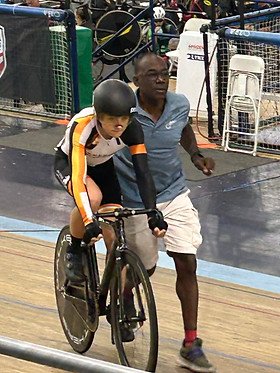
Are you ready to help juniors unlock their full potential in track cycling? Training young athletes isn’t just about pushing pedals—it’s about building confidence, skills, and a winning mindset.
Whether you’re a coach, parent, or mentor, knowing how to guide juniors effectively can make all the difference in their progress and passion for the sport. You’ll discover simple, practical steps to train juniors that keep them motivated and improving every time they hit the track.
Keep reading, and you’ll learn how to turn their energy into real results.
Setting Clear Goals
Setting clear goalshelps juniors stay focused and motivated. Goals give a sense of direction and purpose. They break the training process into smaller, easier parts to manage.
Short-term milestonesare small targets to reach soon. These can include improving speed, mastering techniques, or increasing endurance. Achieving these boosts confidence and shows progress.
Long-term visionis the bigger picture. It includes winning races, joining teams, or developing a lifelong love for cycling. This vision keeps juniors excited and committed over time.
Building A Strong Foundation
Teaching basic cycling techniqueshelps juniors gain control and confidence. Start with how to balance on the bike and pedal smoothly. Practice steering, braking, and using gears gently. These skills are important for safe riding.
Fundamental fitness trainingbuilds strength and stamina. Short, fun exercises like running or jumping improve overall fitness. Light cycling sessions help increase endurance without tiring them out. Rest days are key for recovery and growth.
Designing Effective Training Plans
Balance between intense trainingand recoverydays is key. Too much effort can cause injuriesor burnout. Rest helps muscles healand grow stronger. Plan sessions with varying intensity levels. Include easy ridesafter hard workouts.
Skill drills improve techniqueand confidence. Use drills like:
- Starting fast from stops
- Riding in a straight line
- Cornering safely at speed
- Track standing to build balance
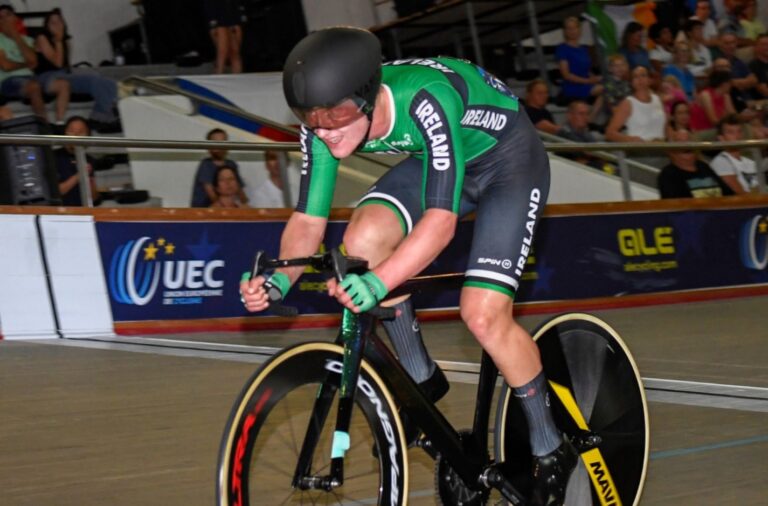
Mix drills with endurance rides. This helps juniors develop strengthand controlon the track.
Credit: www.stickybottle.com
Nutrition And Hydration Tips
Pre-training nutritionis key for good energy during cycling. Eating a light meal1-2 hours before training helps. Choose foods with carbohydrateslike bread, rice, or fruit. Avoid heavy or greasy foods that slow you down. Drink water to stay hydrated before starting.
Post-training recoveryis just as important. After exercise, cyclists should eat protein and carbswithin 30 minutes. This helps muscles repair and refill energy stores. Good choices include yogurt, a banana, or a sandwich. Drinking water or a sports drink replaces fluids lost by sweat.
Mental Preparation Strategies
Building confidencein juniors is key to their success in track cycling. Praise their efforts, not just results. Help them set small, clear goals. Celebrate each little win to boost their self-belief. Encourage a positive mindset by focusing on progress. Teach them to visualize success before races. Practice relaxation techniques to calm nerves and gain focus.
Handling competition pressureinvolves teaching juniors to stay calm under stress. Guide them to control their breathing during tense moments. Remind them that mistakes happen and are part of learning. Use role-playing to prepare for race-day feelings. Support them in seeing pressure as a challenge, not a threat. Build routines to create comfort and reduce anxiety before events.

Credit: velodrome.org
Equipment And Safety
Proper equipment ensures juniors stay safe and comfortable during track cycling. Helmets, gloves, and bikes that fit well reduce injury risks. Teaching safety rules builds good habits and confidence on the track.
Choosing The Right Bike
Pick a bike that fits the rider’s height. Ensure the bike is lightweight. A light bike helps in faster learning. Check that the bike has good brakes. Good brakes are very important for safety.
Safety Gear Essentials
Always wear a helmet for head protection. Use gloves to grip the handlebars better. Knee and elbow pads can prevent injuries. Cycling shoes help with better pedaling. Safety gear is as important as the bike itself.
Tracking Progress
Tracking progress helps juniors see their improvements and stay motivated. Regular checks on speed, distance, and technique guide better training plans. Clear goals and feedback keep their focus sharp and growth steady.
Using Performance Metrics
Tracking progress helps juniors improve in track cycling. Use simple performance metrics to measure growth. Track time, distance, and speed in each session. Record these numbers in a logbook or app. This helps to see patterns and improvements. Keep notes on how they feel after training. This can show if they are tired or energized. Look for trends over weeks to adjust plans.
Adjusting Training Plans
Adjust training plans based on performance metrics. If a junior struggles, change the routine. Add rest days if they seem tired. Increase challenges if they improve quickly. Keep workouts fun and varied to maintain interest. Monitor progress and adjust as needed. This ensures juniors stay motivated and continue to improve. Regular updates to the plan keep training effective.

Credit: www.velodrome.nz
Encouraging Team Spirit
Peer supporthelps juniors feel part of the team. It builds trust and makes training fun. Encourage riders to cheer for each other during practice. Simple words of praise can boost confidence greatly.
Group activities help juniors learn teamwork skills. Plan rides where juniors work in pairs or small groups. This teaches them how to pace and draft together.
- Organize relay races to build cooperation.
- Hold team challenges to solve cycling problems.
- Use group warm-ups to create a shared routine.
- Encourage sharing tips and advice among juniors.
These activities create a positive team spirit. Juniors learn that helping each other leads to success.
Frequently Asked Questions
How Do I Start Training Juniors For Track Cycling?
Begin with basic cycling skills and safety rules. Focus on balance, pedaling, and track etiquette. Gradually introduce track-specific drills and endurance training.
What Equipment Is Essential For Junior Track Cyclists?
Juniors need a proper track bike, helmet, gloves, and cycling shoes. Ensure the bike fits well and is maintained regularly for safety.
How Often Should Juniors Train For Track Cycling?
Aim for 3 to 4 training sessions per week. Include skill drills, endurance rides, and rest days for optimal performance and recovery.
What Are Key Skills To Teach Junior Track Cyclists?
Teach pacing, sprinting, cornering, and drafting techniques. Emphasize bike control and track awareness to build confidence and speed.
Conclusion
Training juniors for track cycling takes patience and clear steps. Start with the basics and build their skills slowly. Encourage regular practice to improve speed and balance. Teach safety rules to keep them protected on the track. Praise their progress to boost confidence and motivation.
Watch their form and correct mistakes gently. Keep sessions fun to maintain interest and energy. With steady effort, juniors will grow into strong cyclists. Remember, consistent guidance shapes better athletes every day.



