
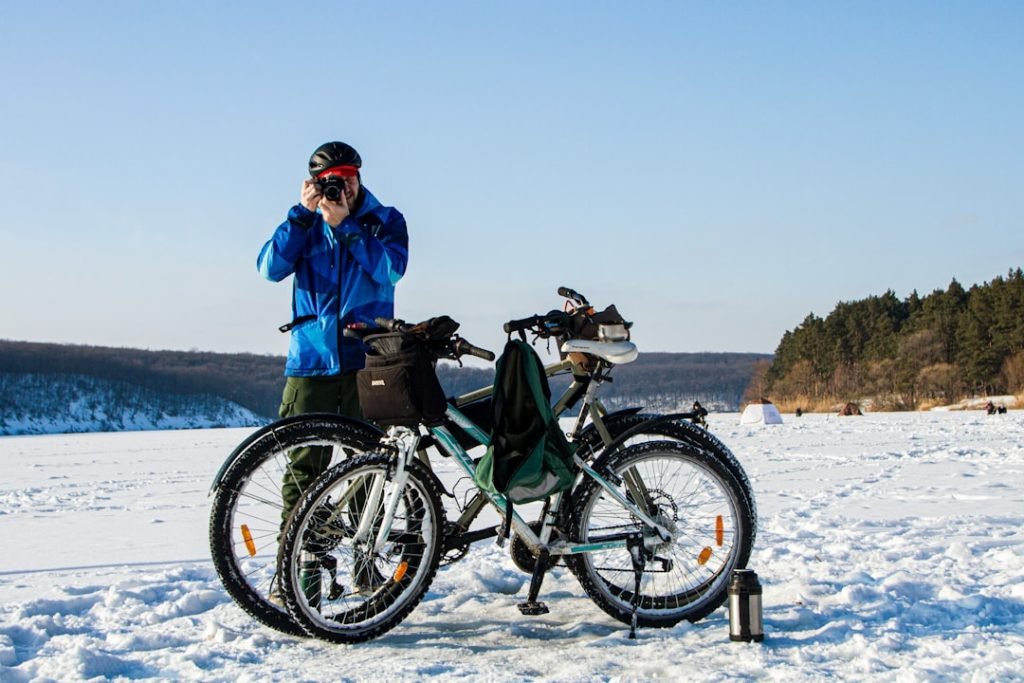
Winter is coming, and if you love your touring bike, you want to keep it in top shape all season long. But how do you protect your bike from cold, moisture, and rust when you’re not riding?
Knowing how to winterize your touring bike can save you time, money, and frustration when spring arrives. In this guide, you’ll discover simple, effective steps to get your bike ready for winter storage. Keep reading to ensure your bike stays strong, smooth, and ready for your next adventure.
Prepare The Frame And Components
Start by cleaning the bikethoroughly. Use soap and water to remove dirt and grime. Check the frame and components for any signs of damage or wear. Look for cracks, rust spots, and loose parts. This helps keep your bike safe and ready for spring.
Protect the bike from rust by applying a thin layer of anti-rust sprayor grease. Focus on metal parts like the chain, gears, and bolts. Store the bike in a dry place to avoid moisture buildup that causes corrosion.
Lubricate all moving partssuch as the chain, derailleurs, and brake pivots. Use a bike-specific lubricant. This keeps the parts moving smoothly and prevents them from getting stuck or rusty. Wipe off excess oil to stop dirt from sticking.
Upgrade Tires For Winter
Switching to winter tires improves grip on icy and snowy roads. These tires keep your touring bike safe and steady during cold rides. Choosing the right tread helps prevent slips and enhances control in winter conditions.
Choose Winter-specific Tires
Winter-specific tireshave a softer rubber that stays flexible in cold weather. This helps you keep a better grip on slippery roads. They also have deeper treads to clear snow and water well. Using these tires can make riding safer in winter.
Adjust Tire Pressure
Lowering tire pressure slightly can increase the tire’s contact with the road. This adds more grip on icy or wet surfaces. Check your tire’s recommended pressure and reduce it by a few PSI. Don’t go too low to avoid damaging the tires or rims.
Consider Studded Tires
Studded tireshave small metal studs that dig into ice. They provide excellent traction on ice-covered roads. These tires are heavier and noisier but offer better safety in very icy conditions. Use them only if you often ride on ice and snow.
Optimize Brakes And Gears
Brake performancemust be tested before winter rides. Check for wear and tearon brake pads. Replace pads if they are thin or cracked. Make sure the brake levers feel firm and responsive. Adjust cable tension to keep brakes tight. Clean brake parts to remove dirt and grime.
Gear shiftingshould be smooth to avoid problems in cold weather. Inspect the derailleurand chain for rust or damage. Lubricate the chain with winter-grade oilto prevent freezing. Test all gears to ensure quick and quiet shifts. Adjust the gears if they slip or hesitate.
- Use winter-compatible cablesfor better performance in cold.
- These cables resist moisture and freezing better.
- Replace old cables before the season starts.
- Regularly check cable housing for cracks or wear.
Enhance Lighting And Visibility
Bright lightshelp you see and be seen in low light. Use white front lights and red rear lights. Choose lights with a good battery life for cold weather.
Reflective tapeon the bike frame and wheels catches light from cars. It makes you more visible at night. Place tape on the pedals, forks, and handlebars.
- Wear high-visibility gearlike neon jackets or vests.
- Bright colors stand out in fog and rain.
- Reflective strips on clothing add extra safety.
- Consider gloves and shoe covers with reflective parts.
Dress For Cold Weather
Layer clothingto stay warm and dry. Start with a base layerthat wicks sweat away from your skin. Add an insulating layerlike fleece or wool to keep heat in. Finish with a windproof and waterproof outer layerto block cold air and wet weather.
Choose waterproof gearsuch as jackets and pants made from materials like Gore-Tex. This keeps you dry during rain or snow. A waterproof shell also helps with wind protection.
- Wear insulated glovesto protect your hands from freezing temperatures.
- Use waterproof shoes or bootsto keep feet warm and dry.
- Consider wool socksfor extra warmth and moisture control.

Credit: www.partzilla.com
Plan For Weather Challenges
Check the weather forecast before every ride. Wear layers to stay warm. Keep rain gear handy for sudden showers. Watch out for ice on roads.
Ride slower to avoid slipping on icy roads. Use both brakes gently. Lean less into turns to maintain balance. Increase the distance from other vehicles.
- First aid kitfor minor injuries
- Extra food and waterfor long rides
- Flashlightin case of darkness
- Toolkitfor bike repairs
Store The Bike Properly
Choose a dry, sheltered spot to store the bike during winter. Keep it off the ground with a stand to avoid tire damage. Cover the bike with a breathable cloth to protect from dust and moisture.
Storing your touring bike indoors keeps it safe from bad weather. It stays dry and free from rust. No sun means no fading. Indoor storage also prevents theft. Your bike stays clean and ready to ride. A bike cover protects your bike from dust and dirt. It keeps the bike safe from scratches. Covers are easy to use. They fit well and keep your bike nice and clean. Check the tires regularly for air. Clean the chain to keep it smooth. Oil the moving parts so they don’t rust. Tighten any loose nuts and bolts. Keep the bike in good shape for a long time. `
Credit: www.partzilla.com

Credit: www.revzilla.com
Frequently Asked Questions
How Do I Prepare My Touring Bike For Winter Storage?
Clean your bike thoroughly and dry it completely. Lubricate the chain and moving parts. Inflate tires to the correct pressure. Store the bike indoors, away from moisture and extreme cold. Use a breathable cover to protect it from dust.
What Type Of Lubricant Is Best For Winterizing A Bike?
Use a wet lubricant for winter because it repels moisture. Wet lube protects the chain from rust during damp conditions. Avoid dry lubes as they can wash away in wet weather. Reapply lubricant regularly for optimal protection.
Should I Remove The Battery From An Electric Touring Bike?
Yes, remove the battery to prevent damage in freezing temperatures. Store the battery in a cool, dry place indoors. Keep it charged at about 50% to maintain battery health. Avoid exposing the battery to extreme cold or heat.
How Can I Prevent Tire Damage During Winter Storage?
Inflate tires to the manufacturer’s recommended pressure before storage. Avoid placing the bike on tires for long periods; use a bike stand. Check tires periodically for flat spots or cracks. Rotate tires occasionally to maintain shape and prevent deformation.
Conclusion
Winterizing a touring bike keeps it safe and ready for spring rides. Clean and dry every part carefully. Store the bike in a cool, dry place. Check tire pressure and lubricate the chain before storage. Cover the bike to protect it from dust and moisture.
Taking these steps helps avoid damage and saves repair costs. Your bike will stay in good shape all winter long. Simple care now means more fun on the road later. Keep your touring bike healthy and enjoy every journey.



