
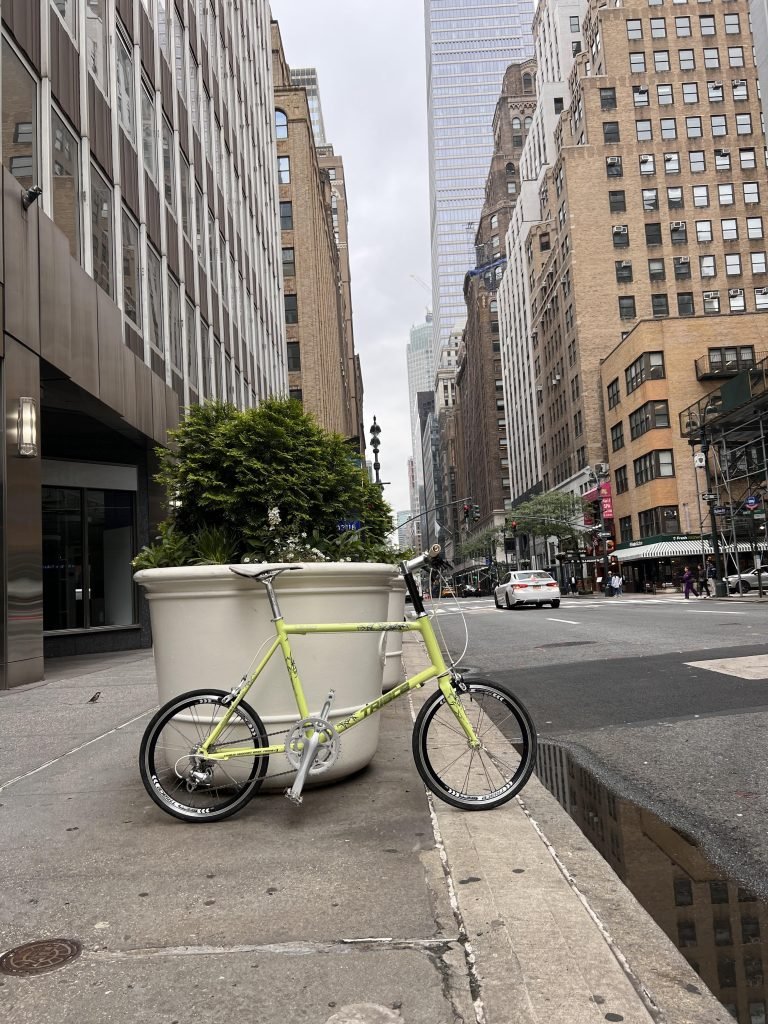
If you own a mini velo bike, you know how convenient and fun they are for city rides. But have you ever struggled with bringing your bike on public transport?
It can be tricky to figure out the best way to carry your mini velo without hassle or damage. You’ll discover simple, practical tips to make traveling with your bike easy and stress-free. Keep reading to learn how you can take your mini velo along wherever you go, without worry or fuss.
Choosing The Right Mini Velo
Transporting mini velo bikes on public transport requires careful planning. Opt for lightweight models with folding capabilities for easier handling. Ensure the bike fits within the carrier’s size restrictions to avoid issues.
Size And Weight Considerations
Mini velo bikes are smaller than regular bikes, making them easier to carry. The weightis a key factor. Lighter bikes are easier to lift and carry on public transport. Check the bike’s dimensions to ensure it fits in tight spaces like buses or trains. Compact bikes save space and reduce hassle.
Foldable Vs Non-foldable Models
- Foldable modelsfold into a smaller size for easy carrying and storage.
- They fit better on crowded buses or trains.
- Non-foldable modelsare usually lighter but take more space.
- Choose foldable if you need to carry your bike often.
- Non-foldable bikes work well if you can store them nearby.
Preparing Your Mini Velo For Transport
Mini velo bikes are small but need careful handling for public transport. Folding the bike makes it easier to carry and saves space. Most mini velos fold at the frame or handlebars. Practice folding before the trip to speed up the process.
Remove any loose accessories like lights, bells, or baskets. These parts can fall off or get damaged during travel. Keep them in a bag to avoid losing them.
Secure all loose parts such as pedals and brakes. Use straps or rubber bands to hold them tight. This stops moving parts from hitting other items or people.
Public Transport Rules And Regulations
Many trains allow mini velo bikeson board but with rules. Folding bikes often have fewer restrictions. Bikes may need to be kept in designated areas. Some train services require a bike permitor ticket. Always check the train operator’s website for specific bike policies.
Buses and trams usually have limited spacefor bikes. Many don’t allow bikes inside during busy times. Some trams have bike racks on the outside. It is best to confirm before travel to avoid problems.
| Travel Time | Bike Rules |
|---|---|
| Peak Hours | Bikes often not allowedor restricted to certain areas. |
| Off-Peak Hours | Bikes usually allowedwith fewer restrictions. |
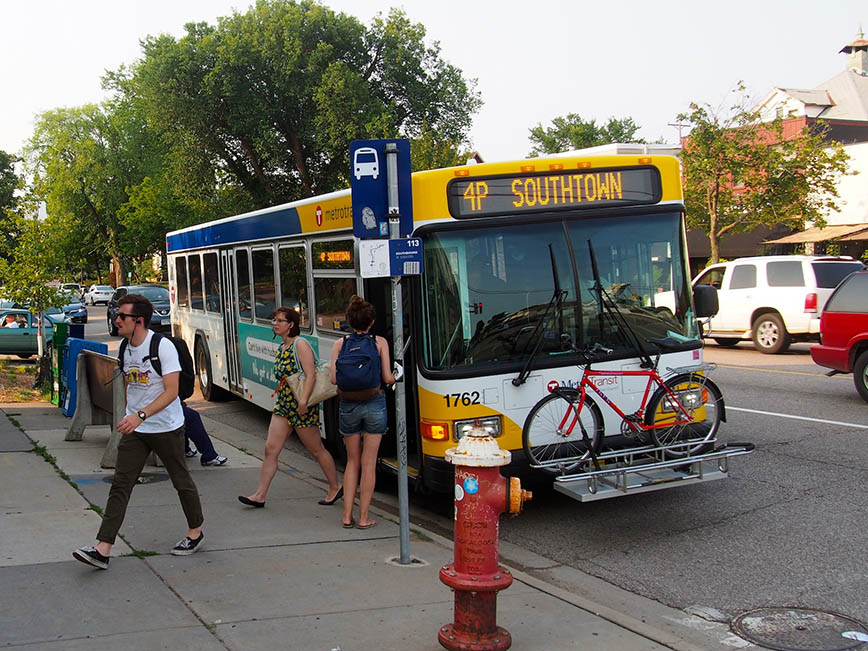
Credit: www.minneapolismn.gov
Carrying Tips For A Smooth Ride
Using a carrying bagor coverprotects your mini velo bike from dirt and scratches. Choose a bag that fits your bike snugly. Lightweight and foldable bags make travel easier. Look for bags with padded straps for comfort.
Balancing the bike while lifting is key. Hold the frame firmly with both hands. Keep the bike close to your body to avoid strain. Lift with your legs, not your back, to prevent injury. Practice lifting a few times before boarding.
Avoid common mistakes like rushing or forcing the bike into tight spaces. Do not carry the bike by the handlebars alone. Avoid blocking doors or aisles on public transport. Always check the transport rules on bike carrying to stay safe and respectful.
Safety And Etiquette On Public Transport
Always keep your bike closeto you to avoid blocking aisles or doors. Make sure the bike does not take up too much space. This helps other passengers move freelyand feel comfortable during the ride.
Use straps or bungee cords to secure your bikein place. This prevents it from falling or moving suddenly. If possible, find a spot near the door or a corner where it fits well.
- Board quicklyto avoid holding up others.
- Exit promptlyto clear space for new passengers.
- Help others if needed by moving your bike carefully.

Credit: bikepacking.com
Storage Options At Your Destination
Secure spots for your mini velo bike at stations or nearby lockers to keep it safe. Some places offer dedicated bike storage for easy access. Check local options to avoid carrying your bike too far after travel.
Bike racks are often found near stations. Use them to keep your bike safe. Lockers provide extra security. They protect bikes from weather. Some places offer both racks and lockers. Choose what best suits your needs. Check if indoor storage is available. Some buildings have special bike rooms. Ask about them when you arrive. These rooms keep your bike safe from rain. They also prevent theft. Carry a portable lock always. It keeps your bike safe anywhere. Choose a sturdy lock for better protection. Use it at bike racks or poles. Secure your bike before leaving it unattended. `
Credit: www.reddit.com
Frequently Asked Questions
How Do I Fold A Mini Velo Bike For Transport?
To fold a mini velo bike, release the frame latch and fold the handlebars and pedals. This makes it compact and easy to carry on public transport.
Are Mini Velo Bikes Allowed On All Public Transport?
Most public transport allows mini velo bikes, but rules vary. Always check specific transit policies before traveling to avoid issues.
What Are The Best Carrying Methods For Mini Velo Bikes?
Use a bike bag or carry strap for easy handling. Folding the bike reduces space, making it convenient on buses and trains.
Can I Bring A Mini Velo Bike During Peak Hours?
Peak hour bike policies differ by city. It’s best to avoid rush hours to ensure a smooth, hassle-free commute with your mini velo.
Conclusion
Carrying mini velo bikes on public transport is easy with the right tips. Fold your bike carefully to save space. Use bike covers to keep things clean. Follow the rules of the transport system to avoid trouble. Plan your trip to avoid busy times.
This helps you and other passengers feel comfortable. Enjoy the freedom to travel with your mini velo bike anywhere. Keep practicing these steps for smoother trips every time. Simple habits make a big difference on your journey.



