
If you want your touring bike to run smoothly and last longer, keeping your chain well-lubricated is key. You might think it’s a small detail, but the right lubrication can make every ride easier and protect your bike from costly damage.
In this guide, you’ll discover simple steps to properly lubricate your bike chain, so you can enjoy a quieter, more efficient ride every time. Don’t let a dry or rusty chain slow you down—read on and learn how to take care of this essential part of your bike like a pro.
Choosing The Right Lubricant
Choosing the right lubricant for your touring bike chain is importantfor smooth rides. Wet lubricantswork well in rain or muddy conditions. They stick to the chain and protect it from water. Dry lubricantsare better for dry, dusty roads. They attract less dirt and keep the chain cleaner.
Synthetic lubricantslast longer and resist dirt better. Natural lubricantsare eco-friendly but may need more frequent application. Both types can work well depending on your needs.
| Factor | What to Consider |
|---|---|
| Weather | Wet for rain, dry for dry roads |
| Trail Type | Muddy or dusty conditions affect choice |
| Frequency of Use | Long trips need long-lasting lubricants |
| Environmental Impact | Natural lubricants are better for nature |
Credit: www.motorcycle.com
Preparing The Chain
Cleaning the chain is key before applying lubricant. Use a brush or cloth to remove dirt and grime. A degreaser helps break down old grease. Rinse the chain with water and dry it fully to avoid rust.
Tools needed include:
- Chain brush or old toothbrush
- Degreaser
- Clean rags
- Water source
- Drying cloth
Check the chain carefully for wear or damage. Look for stiff links or rust spots. Measure chain stretch with a ruler or chain checker tool. Replace the chain if it shows too much wear to keep the bike running smoothly.
Lubrication Process
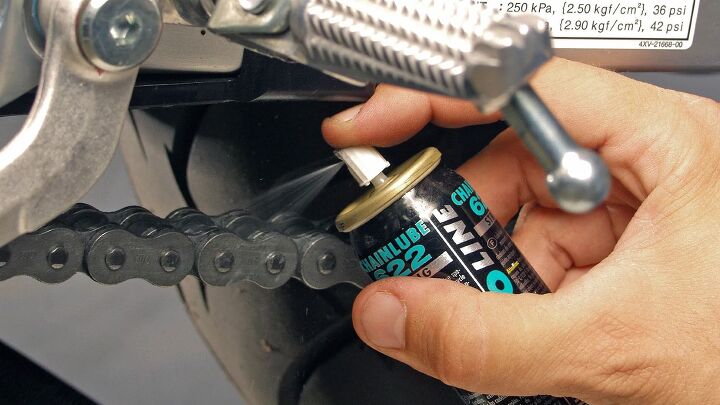
Apply lubricant directly to the chain’s rollers and links. Use a small amount to avoid mess. Rotate the pedals backward to spread lubricant evenly across the entire chain. This helps reach all moving parts.
Too much lubricant can attract dirt and dust. Dirt buildup causes faster chain wear. Wipe off excess lubricant with a clean cloth after application. This keeps the chain clean and working smoothly.
- Choose a lubricant designed for bike chains.
- Apply lubricant in a dry, dust-free area.
- Focus on the inside of the chain for better coverage.
- Check for dry spots and reapply if needed.
- Clean the chain before lubrication for best results.

Credit: silca.cc
Post-lubrication Care
Wiping excess lubricantis key. Use a clean rag to remove extra oil. This stops dirt from sticking and keeps the chain clean. Too much lubricant can attract dust and grime, causing wear.
Checking chain performancehelps spot problems early. Listen for squeaks or grinding sounds. Feel if the chain moves smoothly. Test shifting gears to ensure smooth changes. Catching issues early prevents bigger repairs.
- Clean the chain regularly with a soft brush.
- Lubricate after every 100-200 miles or after wet rides.
- Store the bike in a dry place to avoid rust.
- Inspect for rust, stiff links, or chain stretch often.
- Replace the chain if it shows signs of heavy wear.
Troubleshooting Common Issues
Chain noise and squeakingoften happen from dry or dirty chains. Apply lubricant evenly to each link. Wipe off extra oil to stop dirt build-up. Regular cleaning helps keep noise low and ride smooth.
Lubricant build-upcan cause gunk that slows chain movement. Use a degreaser to clean old oil and dirt. Apply a small amount of fresh lubricant after cleaning. Too much oil attracts dust and grime.
Chain slippage and stretchingmake pedaling hard and unsafe. Stretching happens as the chain wears out. Check chain tension and replace if it feels loose or too long. Proper lubrication reduces friction and wear.
Seasonal And Environmental Tips
Properly lubricating your touring bike chain ensures a smooth ride and prolongs chain life. Clean the chain first, then apply lubricant evenly. Choose the right lubricant for your environment. Regular maintenance keeps the chain in optimal condition, ready for any adventure.
Adjusting Lubrication For Weather
Rainy days make chains rusty. Use wet lubes for rainy seasons. They last longer in rain. Dry days need dry lubes. They keep dirt away. Always check the weather before riding. Choose the right lube for the day.Protecting Chains From Road Debris
Debris can damage chains. Use a chain guard for protection. Clean chains after every ride. Remove dirt with a brush. Lubricate after cleaning. This keeps chains smooth and long-lasting.Storage Recommendations For Touring Bikes
Store bikes in dry places. Moisture causes rust. Hang bikes if possible. This keeps chains off the ground. Always clean before storage. Cover bikes to protect from dust. Regular checks keep bikes ready to go. `
Credit: circlecircle.co
Frequently Asked Questions
How Often Should I Lubricate My Touring Bike Chain?
Lubricate your touring bike chain every 100-150 miles or after riding in wet conditions. Regular lubrication prevents rust and wear. Consistent care keeps your chain smooth and extends its lifespan.
What Type Of Lubricant Is Best For Bike Chains?
Use a wet or dry bike chain lubricant based on your riding environment. Wet lube works well in rainy conditions. Dry lube is better for dry, dusty trails. Choose a lubricant designed specifically for bicycle chains.
How Do I Properly Apply Lubricant To A Bike Chain?
Clean the chain before applying lubricant. Apply lubricant drop by drop on the chain’s rollers while pedaling backward. Wipe off excess to avoid dirt buildup. Proper application ensures smooth performance and reduces wear.
Can I Use Household Oils On My Bike Chain?
Avoid household oils like WD-40 or motor oil on bike chains. These can attract dirt and cause damage. Use lubricants made specifically for bicycles to ensure proper protection and performance.
Conclusion
Keeping your touring bike chain well-lubricated helps it last longer. It also makes your rides smoother and easier. Clean the chain first to remove dirt and grime. Apply the right lubricant evenly on the links. Wipe off excess oil to avoid attracting dust.
Regular care prevents rust and wear on your chain. A smooth chain saves energy and improves your bike’s performance. Small steps make a big difference on long trips. Take time to check and lubricate often for best results. Your bike will thank you with better rides every time.



