
Choosing the right tires for your commuter bike can make a huge difference in your daily ride. Whether you’re rushing to work or enjoying a weekend spin, the tires you pick affect your speed, comfort, and safety.
But with so many options out there, how do you know which ones suit your needs best? This guide will help you understand what to look for, so you can make confident choices that keep you rolling smoothly every day.
Keep reading to discover the simple steps that will transform your commute.
Types Of Commuter Bike Tires
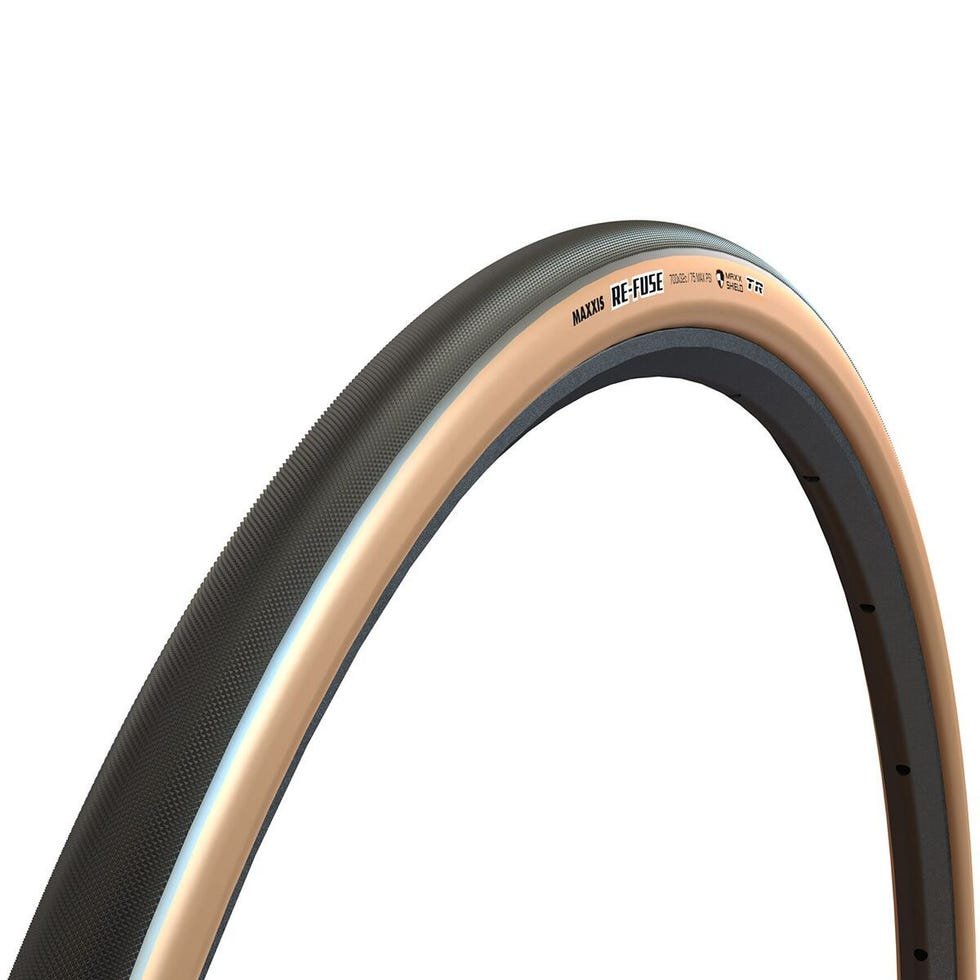
Road tires are thin and smooth. They are great for paved streets. Hybrid tires combine features of road and mountain tires. They offer good grip and comfort on different surfaces. Touring tires are wider and tougher. They handle heavy loads and long rides well.
Tubeless tires do not have inner tubes. They reduce the chance of flats. Tubed tires have inner tubes inside. They are easier to fix if punctured but may get flats more often.
Puncture-resistant tires have extra layers to stop sharp objects. They keep you riding longer without worries. These tires add a bit more weight but help avoid stops for repairs.
Tire Size And Width
Every bike frame and rim has a specific tire sizeit fits best. Check the sidewall of your current tires for size numbers. These numbers show the tire’s diameter and width, like 700x28c or 26×1.95. Matching these sizes keeps your bike safe and efficient.
Tire widthaffects comfortand speed. Narrow tires (around 23-28mm) are faster but feel harder on rough roads. Wider tires (30-40mm) offer more comfort with better grip but are a bit slower. Choose width based on your road type and riding style.
- Use the size marked on your current tires for an easy match.
- Wider tires absorb bumps better for a smooth ride.
- Narrow tires reduce air resistance, helping you go faster.
- Ensure tire width fits your bike frame and brakes.
Tread Patterns And Terrain
Smooth treadsare best for riding on pavement. They offer less rolling resistance, which means faster rides and easier pedaling. These tires provide a quiet and comfortable experience on city roads.
Knobby treadshave raised patterns that grip well on dirt and gravel. They work great for mixed surfaces, giving better control and stability. These tires help prevent slipping on loose or uneven ground.
All-weather tread designsbalance features of smooth and knobby treads. They are made for wet, dry, or light muddy conditions. These tires often have siping or small grooves to channel water and increase traction.
Material And Durability
Rubber compoundsaffect how tires grip the road. Softer rubber gives better grip but wears out faster. Harder rubber lasts longer but may slip on wet roads. Choose a balance that fits your daily rides.
Sidewalls must be strong and flexible. Strong sidewalls protect against bumps and sharp edges. Flexible sidewalls help absorb shocks for a smoother ride. Check for reinforced sidewalls if you often ride on rough streets.
Weight And Rolling Resistance
Lighter tires reduce effort and improve speed on your daily ride. Tires with low rolling resistance make pedaling easier and save energy. Balancing weight and resistance helps choose efficient commuter bike tires.
Light tires make bikes go faster. They are easy to handle. But light tires can wear out quickly. Strong tires last longer. But they can be heavy. Finding the right balance is important. Choose tires that suit your riding style. Commuters need tires that are light and strong. Light tires help in quick rides. Strong tires keep you safe from punctures. Rolling resistance slows you down. It is how hard the tire rolls. High resistance means more effort. Low resistance makes riding easy. Smooth tires have less resistance. They help save energy. Rough tires grip the road better. But they can slow you down. Choose tires based on road conditions. For smooth roads, go for smooth tires. For rough roads, choose thicker ones. This balance helps in efficient riding. `
Credit: www.performancebike.com
Budget And Brand Choices
Choosing tires that fit your budget helps balance cost and quality for daily rides. Trusted brands often offer reliable tires with good durability and safety. Prioritize tires that meet your needs without overspending.
Affordable Vs Premium Tires
Choosing between affordableand premium tirescan be tricky. Affordable tires save money. They are good for short rides. Premium tires last longer. They are better for long journeys. Premium tires also give a smoother ride. Your budget will decide the choice.
Trusted Brands For Commuter Tires
Some brands are known for quality tires. Schwalbemakes strong and reliable tires. Continentaloffers good grip and durability. Michelinis famous for safety and comfort. Always check reviews before buying. Trusted brands often give better performance.
Maintenance And Replacement Tips
Signs of worn tiresinclude cracks, bald spots, and frequent flats. Tires lose grip and feel slippery on wet roads. Uneven wear or cuts on the tire surface also show it’s time for replacement. Check the tread depth; shallow tread means less safety.
Keeping tires clean and properly inflated helps them last longer. Avoid riding on rough surfaces that can damage tires. Store your bike indoors and away from direct sunlight to prevent rubber from drying out. Regularly inspect tires for small stones or debris stuck in the tread.
Rotate tires if possible to ensure even wear. Use a tire pressure gauge to maintain the recommended pressure. Over or under-inflated tires wear out faster and reduce riding comfort. Proper care saves money and keeps the ride smooth and safe.

Credit: www.continental-tires.com

Credit: www.elite-wheels.com
Frequently Asked Questions
What Tire Size Suits Most Commuter Bikes?
Most commuter bikes use 700c tires, typically 28-38mm wide. Choose based on your bike’s rim and terrain.
How To Pick Tires For Wet Weather Riding?
Select tires with good tread patterns for water dispersal. Wider tires offer better grip and stability on wet roads.
Should I Choose Puncture-resistant Tires For Commuting?
Yes, puncture-resistant tires reduce flats and improve reliability. They are ideal for daily commuting on city streets.
What Tire Pressure Is Best For Commuter Bikes?
Maintain tire pressure between 60-80 psi for smooth, efficient rides. Check your tire sidewall for manufacturer recommendations.
Conclusion
Choosing the right tires makes your bike rides safer and smoother. Think about road type, weather, and tire size first. Good tires help you save energy and avoid flats. Don’t forget to check the tire’s grip and durability. The best tires fit your daily needs and riding style.
Take your time to pick tires that suit your bike. Enjoy every ride with confidence and comfort.



