
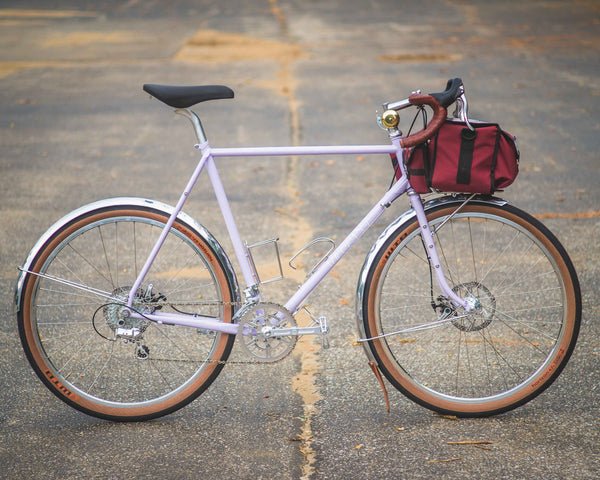
If you love riding your cyclocross bike, you know how messy the trails can get. Mud, water, and dirt can splash all over you and your bike.
Fitting fenders on your cyclocross bicycle is the best way to stay clean and comfortable during your rides. But how do you choose the right fenders and install them correctly? In this guide, you’ll discover simple steps to fit fenders perfectly on your bike.
Keep reading to learn how to protect yourself and your bike from the mess, so every ride feels great—no matter the weather.

Credit: www.reddit.com
Choosing The Right Fenders
Fender typesvary for cyclocross bikes. Some are clip-on, easy to remove. Others are full coverage, offering more protectionfrom mud and water. Plastic fenders weigh less but may crack. Metal fenders are tougherbut heavier. Look for durable materialsthat fit your riding style.
Size matters. Fenders must have enough clearancefor tires and mud. Check your bike’s tire width before buying. Too small fenders can rub tires. Too big may not fit frame or fork. Measure carefully to avoid issues.
| Aspect | Key Points |
|---|---|
| Material | Plastic: lightweight but less durable. Metal: strong but heavier. |
| Durability | Choose fenders that resist cracks and bends. |
| Size | Match fender width with tire width. |
| Clearance | Allow space for mud and tire movement. |
Preparing Your Bicycle
Start by thoroughly cleaning the frame and fork. Dirt and grease can block the fender mounts. Use a mild soap and water to wipe all surfaces. Dry well to avoid rust.
Next, check the mounting pointson your bike. Look for small holes or eyelets near the wheels. Make sure these points are not damaged or bent. They must be ready to hold screws tightly.
Gather the necessary toolsbefore starting. Common tools include:
- Allen wrenches (usually 4mm or 5mm)
- Screwdriver
- Adjustable wrench
- Zip ties or fender brackets (if needed)
Having all tools ready saves time and makes fitting easier.
Installing The Front Fender
Place the fender close to the front wheel and check its position. Make sure the fender is centered and clears the tire by a small gap. This avoids rubbing during rides. Adjust the angle so it covers enough wheel area to block mud and water.
Locate the fork mounts on the bike. These are small holes or eyelets near the wheel axle or brake area. Align the fender’s mounting holes with these fork mounts carefully. This step is crucial for a stable fit.
- Use screws or bolts that fit the fork mounts.
- Insert the hardware through the fender holes into the mounts.
- Tighten them by hand first to hold the fender in place.
- Use a wrench or screwdriver to secure firmly but avoid over-tightening.
Installing The Rear Fender
The rear fendershould sit close to the tire but not touch it. Position it so it covers the back wheel well. This helps keep water and mud off your back.
Attach the fender to the seat staysfirst. Use the mounting holes or clips on the fender and the frame. Then fix the fender to the chain staysfor added stability.
| Adjustment | Purpose | How To |
|---|---|---|
| Tire Clearance | Prevent rubbing | Leave 5-10mm space between fender and tire |
| Height | Maximize coverage | Raise or lower fender until it covers tire well |
| Alignment | Even protection | Center fender over tire |
Fine-tuning And Adjustments
Check the fenders closely for any rubbing or noisewhen the wheels spin. Spin the wheels slowly and watch the fender edges. Noise or rubbing means the fender is too close to the tire or frame. Adjust the position by loosening and moving the fender slightly.
Ensure all bolts and strapsare tight but not over-tightened. Straps hold the fender firmly in place, so they must be snug. Use a wrench or screwdriver to tighten bolts securely. Avoid stripping the threads by applying just enough force.
Take your bike for a short test rideon a smooth path. Listen for any rubbing sounds or fender movement. Check again after the ride to see if bolts loosened. Tighten as needed and make small position tweaks for a perfect fit.

Credit: road.cc
Maintaining Your Fenders
Fitting fenders on a cyclocross bicycle involves selecting the right size and type for your bike. Secure the fenders using brackets and screws to ensure they stay in place during rides. Proper installation protects against mud and water, keeping your cycling experience clean and comfortable.
Regular Cleaning Tips
Keep your fenders clean to make them last. Use a soft cloth and water. Gently wipe the dirt away. Avoid harsh chemicals that can harm the fenders. Dry them with a towel after washing. This helps prevent rust and damage.
Inspecting For Damage
Check your fenders for cracks or bends. Look for loose screws or missing parts. These can make the fenders wobbly. Fix any problems you find right away. This will keep your bike safe and sound.
Replacing Worn Parts
- Check the screws often.
- Replace rusty screws with new ones.
- Buy new fender parts when they break.
- Use the right tools for the job.
- Keep spare parts handy for quick repairs.
Credit: www.theproscloset.com
Frequently Asked Questions
How Do I Choose Fenders For Cyclocross Bikes?
Select fenders that fit your tire width and bike frame clearance. Opt for lightweight, durable materials suitable for off-road use. Check compatibility with your brake type and ensure easy installation for best results.
Can I Install Fenders Without Special Tools?
Yes, most cyclocross fenders come with basic mounting hardware. Simple tools like Allen keys or screwdrivers are usually sufficient. Follow manufacturer instructions carefully to avoid damaging the bike or fenders during installation.
Will Fenders Affect My Bike’s Performance?
Properly fitted fenders add minimal weight and don’t hinder performance. They protect you and your bike from mud and water. This keeps your ride cleaner and more comfortable, especially in wet or muddy conditions.
Are Clip-on Fenders Suitable For Cyclocross Bikes?
Clip-on fenders offer quick installation and removal. They work well for occasional use but may lack stability during intense rides. For frequent cyclocross riding, consider full-coverage, bolt-on fenders for better protection.
Conclusion
Fitting fenders on your cyclocross bike keeps you dry and clean. It also protects your bike parts from mud and water. Choose the right fenders that match your bike size. Follow the steps carefully for a secure fit. Check clearance around tires and brakes before finalizing.
Tighten bolts evenly to avoid loose parts. Test your bike on a short ride to ensure everything stays in place. Proper fender installation makes your rides more comfortable and enjoyable. Simple tools and patience can make a big difference. Ready to ride, rain or shine!



