
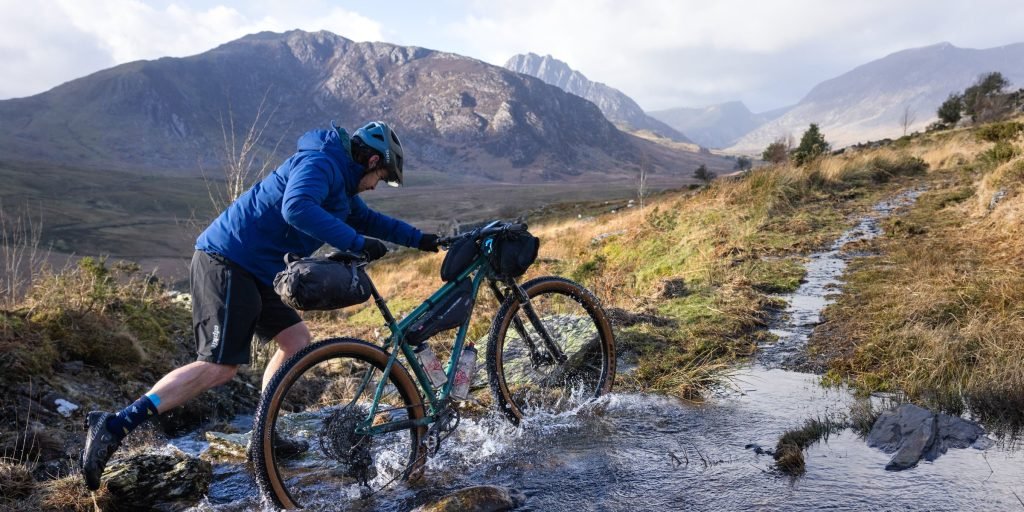
You’re out on the road, miles away from home, and your touring bike starts acting up. What do you do?
Knowing how to service your bike mid-trip can save you time, money, and a lot of frustration. Imagine fixing a flat tire, adjusting your brakes, or tuning your gears right then and there—keeping your adventure smooth and stress-free. This guide will show you simple, step-by-step ways to keep your bike in top shape while you’re still on the go.
Keep reading, and you’ll never feel stuck or stranded again.

Credit: www.treelinereview.com
Tools To Carry
Carrying the right tools helps fix most bike problems on the road. A basic repair kitshould include tire levers, a patch kit, a multi-tool with Allen keys, and a small pump. These cover flats, loose bolts, and minor adjustments.
For specialized tools, consider a chain breaker, spoke wrench, and a tire boot. They fix chain breaks, broken spokes, and larger tire cuts. These tools are light but very useful.
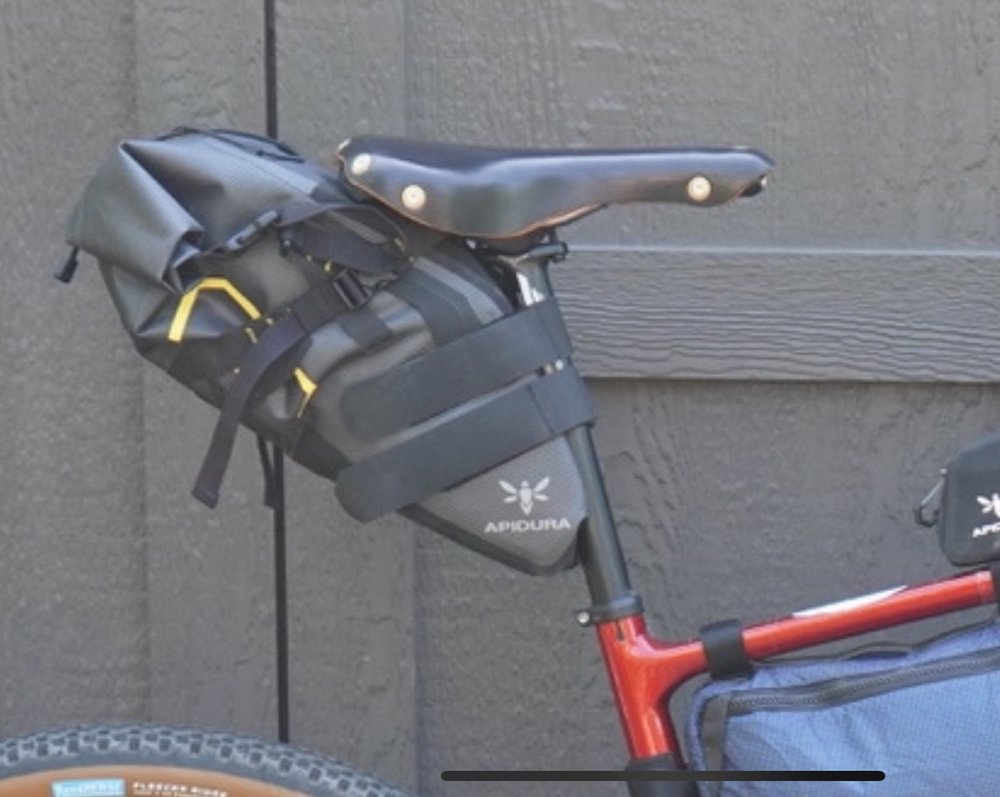
Packing tipshelp keep tools safe and easy to reach. Use a small pouch or case to organize items. Attach the kit under the saddle or inside a frame bag. Avoid carrying too many tools to save space and weight.
Checking The Tires
Check tires carefully for any cuts, cracks, or worn tread. Small damages can turn into big problems fast. Look closely at the sidewalls and the surface. Feel for any bumps or soft spots. These signs mean the tire needs attention.
Carry a patch kitand a small pump. Fix flats quickly to keep moving. Remove the wheel and find the hole by inflating the tube slightly. Use water or your breath to spot bubbles. Patch the hole with care and let it dry before reinserting the tube.
- Keep tire pressure within recommended limits.
- Check pressure every day or before long rides.
- Use a reliable pump with a pressure gauge.
- Too low pressure causes flats and poor control.
- Too high pressure makes the ride harsh and risks blowouts.
Chain And Drivetrain Care
Cleaning the chain keeps your bike running smooth. Use a rag to wipe dirt and grime off the chain. For tougher dirt, use a small brush or old toothbrush. Avoid using water directly on the chain to prevent rust. After cleaning, dry the chain well with a cloth.
Lubrication is key for a quiet, efficient ride. Apply bike-specific lubricant to the chain links. Spin the pedals backward to spread the lube evenly. Wipe off any extra oil to stop dirt from sticking. Lubricate the chain regularly to avoid wear and tear.
Adjusting derailleurs helps your gears shift correctly. Check if the gears change smoothly without skipping. Use the barrel adjuster to fine-tune cable tension. Tighten or loosen the derailleur screws for better alignment. Test shifts after each adjustment to ensure proper function.
Brake Maintenance
Brake padswear down after lots of riding. Check them by looking closely at the pad surface. If the pad is very thin or missing chunks, it needs replacement. Clean the brake pads and rim to keep stopping power strong.
Brake cable tension affects how well brakes work. Tighten the cable if the brake feels loose or the lever pulls too close to the handlebar. Loosen it if the brakes rub the wheel when not in use. Use the barrel adjuster to make small changes.
Emergency brake fixes can save your ride. Use a zip tie or string to hold the brake arm if the cable breaks. Tighten the brake bolt to keep the brake pads near the rim. Ride carefully until a proper repair is possible.
Gear Shifting Issues
Gear shifting problemscan make riding difficult and unsafe. Common issues include chain slipping, stiff gears, or noisy shifting. These problems often happen due to dirt, loose cables, or misaligned derailleurs.
Quick checks help fix many issues on the road. Clean the chain and gears with a cloth. Tighten any loose cables gently. Adjust the derailleur screws to align the chain properly. Lubricate moving parts with bike oil to reduce stiffness.
Seek professional help if problems persist or get worse. Persistent slipping or inability to change gears may mean worn parts. Visit a bike shop if the derailleur is bent or cables are frayed. Expert service ensures safety and smooth riding.
Suspension And Frame Checks
Look for any cracksor bendsin the bike frame. Check joints and welds closely. Use a flashlight to spot hidden damage. Gently tap the frame with a small tool. Listen for unusual sounds. A different sound can mean damage.
Adjust the suspensionfor a smoother ride. Use the bike’s manual for guidance. Ensure the suspension is not too stiff. Check for smooth movement. Make small adjustments and test ride. Repeat if needed. This keeps the ride comfortable.
Carry a small repair kit. Use duct tapefor temporary fixes. Wrap it around cracks. Tie broken parts with cable ties. These hold parts together until proper repair. Always ride carefully after temporary fixes. Plan for a permanent solution soon.
Cleaning And Lubrication
Clean the bike chain and gears gently to remove dirt and grime. Apply a small amount of lubricant to keep parts moving smoothly and prevent rust. Regular care helps your bike perform well throughout the trip.
Keeping Components Clean
Wipe bike parts with a soft cloth. Remove dirt and grime. Pay attention to the chain and gears. Use a mild soap if needed. Rinse with water carefully. Avoid soaking the bike. Dry the bike with a clean cloth. This prevents rust and keeps it shiny.
Choosing The Right Lubricants
Pick the right lubricant for your bike. Use oil for chains. Spray lubricant for gears. Grease is good for bearings. Make sure it’s water-resistant. Check the label for use. Don’t mix different lubricants. Stick to one type for best results.
Frequency Of Maintenance
Check your bike every few days. Lubricate the chain after cleaning. Inspect gears for dirt. Clean and oil regularly. This keeps the bike running smoothly. Don’t wait too long between checks. Good maintenance extends bike life.
Safety And Comfort Adjustments
Check the saddle height and positionto keep comfort and avoid pain. Adjust it so your legs move smoothly while pedaling. Make sure the handlebarsare tight and set at a comfortable height. Loose handlebars can cause accidents.
Test the bike fit by sitting and pedaling slowly. Small adjustments can fix discomfort fast. Carry a few simple tools for quick fixes.
- Use a wrench to tighten loose bolts.
- Carry spare parts like brake pads and cables.
- Keep a small pump handy for tire pressure.
Always check for unexpected issues like squeaky brakes or slipping chains. Fix these problems immediately to avoid bigger troubles. A smooth ride means safer travel and more fun.
Planning For Emergencies
Carrying essential spare partshelps fix common bike issues fast. Include extra tubes, a patch kit, tire levers, and a small pump. A multi-tool with various wrenches and screwdrivers is useful. Bring chain links and a quick link for chain repair. Spare brake pads and cables can save a ride from stopping early. Check parts fit your bike before the trip.
Keep emergency contact methodsready for help. Carry a fully charged phone with extra battery or power bank. Use a GPS device or a map app that works offline. Share your route and schedule with someone you trust. Learn local emergency numbers for quick calls. A whistle or signal mirror can attract attention if needed.
Traveling in remote areasrequires good navigation skills. Study your route carefully before starting. Mark water points and rest stops. Use physical maps as backups. Plan for areas with no phone signal. Know how to use a compass or GPS device. Prepare to spend extra time if lost.
Credit: www.iamtedking.com

Credit: alpkit.com
Frequently Asked Questions
How Often Should I Service My Touring Bike Mid-trip?
Service your touring bike every 300-500 miles or weekly during long trips. Regular checks prevent breakdowns and ensure safety.
What Essential Tools Are Needed For Mid-trip Bike Servicing?
Carry a multi-tool, tire levers, patch kit, chain lube, and a pump. These tools handle most repairs on the road.
How Do I Fix A Flat Tire While Touring?
Remove the wheel, patch or replace the tube, then reassemble. Always check tire condition and pressure before riding.
Can I Lubricate My Bike Chain During A Trip?
Yes, clean the chain lightly and apply bike-specific lubricant. Avoid over-lubrication to prevent dirt buildup and wear.
Conclusion
Servicing your touring bike mid-trip keeps your ride smooth and safe. Basic checks and quick fixes prevent bigger problems later. Carry essential tools and know simple repair steps. Regular care helps you enjoy the journey without delays. Stay prepared, stay confident on the road.
Every small fix counts toward a successful trip. Keep your bike ready, and keep moving forward.



