
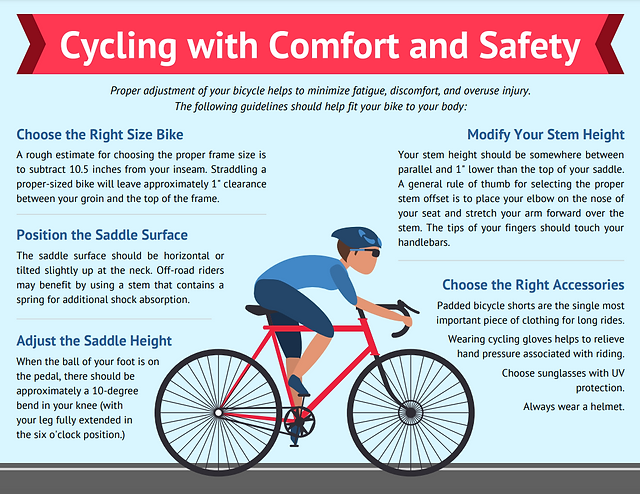
Planning a long bike tour? You want to enjoy every mile without pain or discomfort slowing you down.
Imagine feeling fresh and energized, no matter how many hours you spend on the saddle. That’s exactly what this guide will help you achieve. You’ll discover simple, effective tips to boost your comfort and make your ride more enjoyable from start to finish.
Keep reading to learn how to transform your long bike tours into smooth, pain-free adventures you’ll look forward to every time.
Choosing The Right Bike
A bike that fits well is key for comfort. A proper frame sizehelps avoid pain and fatigue. Sit on the bike and check if your feet touch the ground easily. The right fit means a relaxed ride without strain.
Choosing the right tires affects how smooth the ride feels. Wider tires offer more cushioningand grip on rough roads. Thin tires can be faster but feel bumpier. Pick tires that match your route and comfort needs.
- Drop handlebarsallow many hand positions and help reduce arm tiredness.
- Flat handlebarsgive a more upright, relaxed posture.
- Riser barslift your hands higher for less back strain.
Optimizing Your Saddle
Choosing the right saddle typemakes a big difference. Wider saddles offer more support for casual riders. Narrow saddles suit riders who pedal fast and long. Gel saddles add comfort but may feel soft over time. Leather saddles shape to your body after use.
Proper adjustment is key to comfort. The saddle height should allow a slight bend in the knee. Tilt it slightly nose down to avoid pressure. Make sure the saddle is centered and stable.
Padded shortshelp reduce saddle soreness. They have soft padding where your body touches the saddle. Wearing them keeps skin from rubbing and prevents chafing. They also absorb some road vibrations.
Packing Smart Gear
Lightweight essentialshelp keep your bike tour easy and fast. Choose gear made from light materialslike nylon or aluminum. Carry only what you really need. Small tools, a compact tent, and quick-dry clothes work best.
Comfort accessories make long rides more pleasant. Use padded bike shorts and gloves to protect your skin. A good seat cover can reduce soreness. Sunglasses protect your eyes from sun and wind. Earplugs help reduce noise and improve rest.
Organizing your load is key to balance and ease. Pack heavy items low and close to the bike’s center. Keep frequently used things in easy-to-reach spots. Use waterproof bagsor covers to protect gear from rain. A neat setup saves time and energy.

Credit: www.bikeradar.com
Maintaining Proper Posture
Body alignmenthelps avoid pain during long rides. Keep your back straight but relaxed. Your hips should stay level on the saddle to reduce pressure. Avoid leaning too far forward or backward.
Hand and arm positionmatters for control and comfort. Keep your elbows slightly bent to absorb shocks. Hands should rest lightly on the handlebars. Change hand positions often to stop numbness.
Building core strengthsupports your posture. Strong abs and back muscles reduce fatigue. Simple exercises like planks and bridges work well. A strong core keeps your body steady on rough roads.
Managing Breaks And Rest
Taking regular rest intervalshelps keep energy high and muscles fresh. Short breaks every 45-60 minutes work best. Use these pauses to relax and breathe deeply. Sitting down for a few minutes can reduce fatigue and prevent cramps.
Stretching keeps the body flexible and reduces stiffness. Focus on legs, hips, and lower back. Simple stretches like hamstring bends and calf raises help a lot. Hold each stretch gently for 15-20 seconds without bouncing.
| Hydration Tips | Nutrition Tips |
|---|---|
| Drink water regularly, even if not thirsty. | Eat small, frequent snacks during breaks. |
| Use electrolyte drinks on hot days or long rides. | Choose easy-to-digest foods like nuts, fruits, or energy bars. |
| Carry enough water to avoid dehydration. | Avoid heavy meals before riding to prevent discomfort. |

Credit: www.reddit.com
Clothing Choices For Comfort
Choose clothes made from breathable fabrics. These fabrics allow air to flow. They help in keeping you cool and dry. Cotton and synthetic blends are good choices. Avoid heavy materials. They can make you sweat and feel uncomfortable. Light clothes are better for long rides.
Wear clothes in layers for comfort. Start with a light base layer. Add a warmer layer if it’s cold. You can remove layers if it gets warm. This helps in adjusting to changing weather. Keep a jacket handy in your bag.
Carry a waterproof jacket for rain. It keeps you dry and warm. Wear a hat or cap under your helmet. It protects from sun and rain. Use gloves to keep hands warm and safe. Always check the weather before you start your ride.
Handling Road Challenges
Facing rough roads becomes easier with the right bike setup and proper gear. Adjusting your seat and using padded gloves helps reduce pain and fatigue during long rides. Planning breaks and staying hydrated also keeps you comfortable throughout the journey.
Dealing With Rough Terrain
Rough terrain can be bumpy. Slow down to keep balance. Use a mountain bike if possible. Choose the right tires for better grip. Keep a firm grip on the handlebars. Watch out for rocks and holes. Stay alert and focused.Weather Adaptations
Weather can change quickly on a bike tour. Wear layered clothing to adjust easily. A waterproof jacket is handy for rain. Sunglasses protect your eyes from the sun. Use sunscreen on sunny days. Keep a hat for shade. Stay hydrated with a water bottle.Safety Measures
Safety is very important on bike tours. Always wear a helmet. Check your bike brakes before starting. Use reflective gear to be seen at night. Carry a first aid kit for emergencies. Know the rules of the road. Ride in a group for safety. `
Credit: www.bicycling.com
Frequently Asked Questions
How Can I Improve Saddle Comfort On Long Rides?
Choose a well-padded, ergonomic saddle suited to your anatomy. Use padded cycling shorts to reduce friction. Adjust saddle height and angle for optimal support. Regularly check and replace worn-out saddle components to maintain comfort during long tours.
What Clothing Is Best For Long Bike Tours?
Wear moisture-wicking, breathable fabrics that manage sweat effectively. Layer your clothing for temperature regulation. Use padded cycling shorts and gloves to prevent chafing and numbness. Invest in a good quality helmet and sunglasses for protection and comfort.
How Do I Prevent Numbness During Extended Cycling?
Adjust your bike fit to reduce pressure on nerves. Change hand positions frequently while riding. Use padded gloves and a comfortable saddle. Take regular breaks to stretch and improve blood circulation during long tours.
What Bike Accessories Enhance Comfort On Long Tours?
Install ergonomic grips and a suspension seat post to absorb shocks. Use clipless pedals to improve pedaling efficiency. Carry a handlebar bag for easy access to essentials. Consider padded bar tape to reduce hand fatigue.
Conclusion
Maximizing comfort on long bike tours takes simple steps. Choose the right bike and gear first. Pack light but include essentials for rest and repair. Take breaks often to stretch and hydrate well. Pay attention to your body’s signals to avoid pain.
Enjoy the journey and stay safe on the road. Small changes make a big difference in comfort. Happy riding!



