
If you’re passionate about track cycling, you know how important every detail of your bike is. Your handlebars play a big role in your control and comfort during those fast laps.
But what if your handlebars are worn out, damaged, or just not the right fit anymore? Knowing how to replace handlebars on your track bicycle can save you time and money—and give you a chance to customize your ride exactly how you want it.
In this guide, you’ll discover simple, step-by-step instructions to swap out your handlebars quickly and safely. Keep reading, and you’ll be back on the track with a fresh, comfortable grip in no time.
Tools Needed
To replace handlebars on track bicycles, gather these essential toolsfirst. A hex wrench setis needed to loosen bolts. A screwdriverhelps remove grips or accessories. Use a torque wrenchto tighten bolts correctly. You might need handlebar tapefor wrapping the new bars.
A clean ragis useful to wipe parts before installing. Having a greaseor lubricant can make assembly easier and protect parts. A workstandcan hold your bike steady, but it’s optional.
- Hex wrench set
- Screwdriver
- Torque wrench
- Handlebar tape
- Clean rag
- Grease or lubricant
- Workstand (optional)
Credit: www.bikemag.com
Choosing New Handlebars
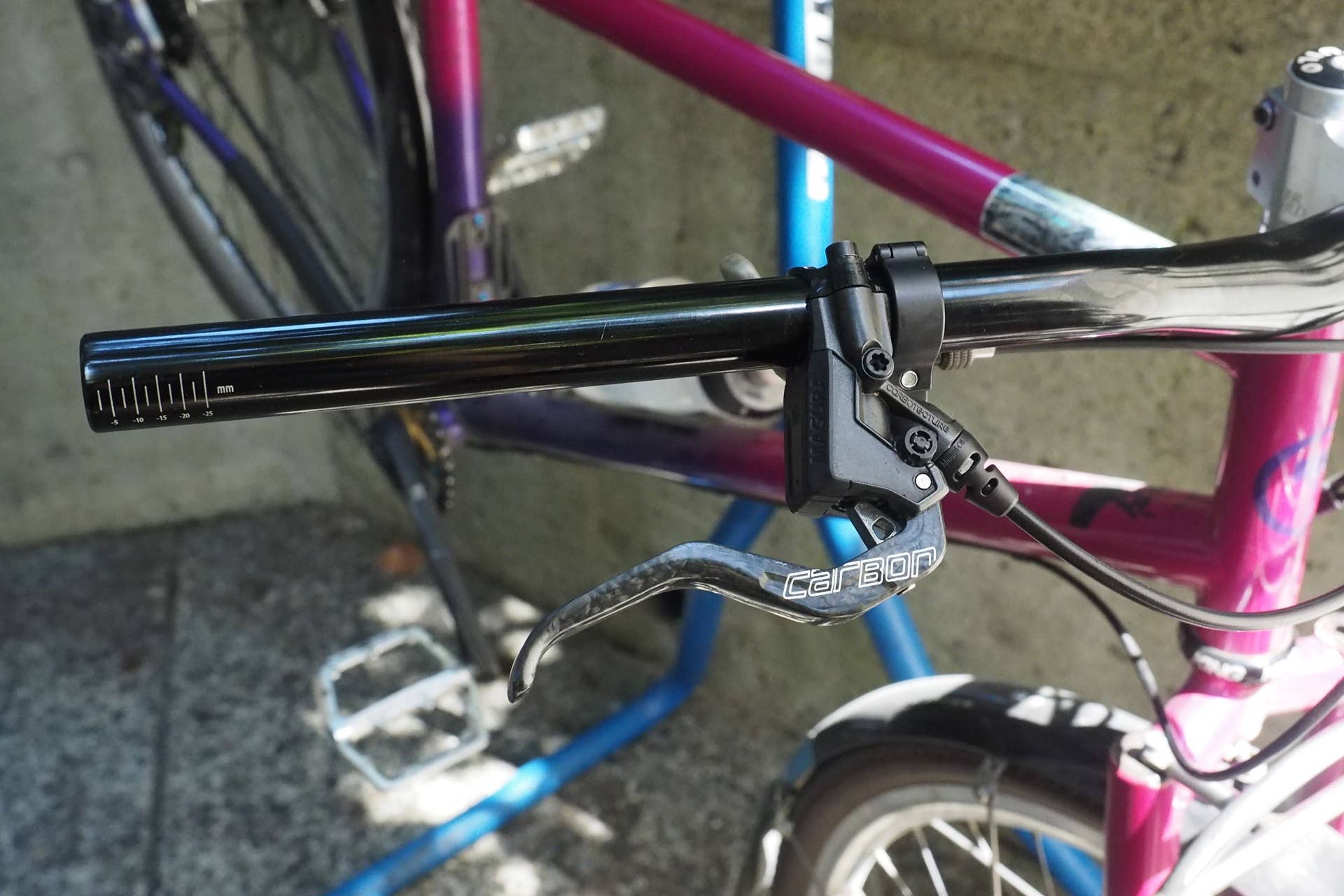
Choosing the right handlebars is key for a comfortable ride. Track bicycles often use drop barsor bullhorn bars. Drop bars offer multiple hand positions and better control. Bullhorn bars are lighter and good for sprinting.
Consider the handlebar width. It should match your shoulder width for better balance. Narrow bars give less wind resistance but may feel less stable. Wider bars offer more control but can be heavier.
Material matters. Aluminum is common and light. Carbon fiber is lighter but costs more. Steel is strong but heavier.
| Handlebar Type | Best For | Material Options |
|---|---|---|
| Drop Bars | Comfort, multiple hand positions | Aluminum, Carbon Fiber |
| Bullhorn Bars | Sprinting, lightweight | Aluminum, Steel |
Removing Handlebar Tape
Start at the edge of the tape. Peel it slowly. Ensure you don’t rip it. Work your way to the center. Keep the tape intact for reuse. The sticky residue may remain. Use a cloth to clean it. Rubbing alcohol works best.
Handlebar tape protects the bike. It also provides grip. Without it, bars can be slippery. You might need new tape. Choose a color you like. New tape can freshen the look.
After removing the tape, inspect the bars. Look for damage or cracks. Replace bars if needed. Clean bars ensure new tape sticks well. Your bike will feel new again.
Loosening Stem Clamp
First, ensure your bike is stable. Use a stand if needed. Locate the stem clamp boltson your bike’s handlebar. These bolts hold the handlebar in place. Use an Allen wrenchto loosen them. Turn the wrench counterclockwise. Do not remove the bolts completely. Just loosen them enough to move the handlebar. This allows the handlebar to be adjusted.
Check if the handlebar can move freely. If not, loosen the bolts a little more. Be careful not to over-loosen. This can cause the handlebar to slip. Once the handlebar moves easily, you are ready for the next step.
Detaching Old Handlebars
Start by loosening the bolts that hold the brake levers and shifters. Carefully slide them off the handlebars. Use an Allen wrench or the right tool for your bike.
Next, loosen the stem clamp bolts that hold the handlebars in place. These bolts are usually on the front of the stem. Once loose, gently pull the handlebars out of the stem.
Check if any cables are still attached to the handlebars. Detach them slowly to avoid damage. Keep all small parts in a safe place for reassembly.
- Gather necessary tools: Allen wrenches, screwdrivers.
- Loosen brake and shifter bolts first.
- Remove cables connected to the handlebars.
- Loosen stem clamp bolts carefully.
- Pull handlebars out gently.

Credit: www.fixedgearfrenzy.com
Installing New Handlebars
Start by removing the old handlebars carefully. Loosen the bolts on the stem clamp using an Allen key. Slide the old handlebars out gently to avoid damage.
Before placing the new handlebars, clean the stem clamp area. This ensures a tight and secure fit.
Insert the new handlebars into the stem clamp. Align them so they sit straight and comfortable for riding.
Tighten the bolts evenly on both sides. Do not over-tighten; check if the handlebars stay firmly in place.
Adjust the handlebar angle to fit your riding style. Make small changes and test for comfort.
- Use an Allen key that fits the bolts perfectly.
- Keep bolts tight but avoid stripping them.
- Check handlebar alignment before final tightening.
- Test ride to ensure comfort and control.
Aligning Handlebars Correctly
Aligning handlebars correctly is key for safety and comfort. Start by loosening the stem bolts just enough to move the bars. Hold the front wheel straight and line up the handlebars with the wheel. Make sure the bars are centered and not tilted to one side. Tighten the bolts evenly to keep the bars from shifting. Check the angle of the grips; they should be easy to reach and natural for your hands. Test the alignment by sitting on the bike and making small turns. Adjust if the bars feel off or uncomfortable. Proper alignment helps with control and reduces strain during rides.

Credit: www.fixedgearfrenzy.com
Tightening Stem Bolts
Ensure the stem bolts are clean and free from dirt. Use an Allen wrench to tighten the bolts evenly. Tighten each bolt a little at a time, switching between bolts to keep balance. Do not overtightenas it may damage the stem or handlebars. The bolts should be snug but still allow some movement for adjustments.
Check the alignment of the handlebars before final tightening. The bars should be straight and centered with the front wheel. Once aligned, give the bolts one last gentle turn. Test the handlebar by applying force to confirm it is secure.
Rewrapping Handlebar Tape
Start by peeling off the old tape carefully. Remove any leftover glue or dirt from the handlebar. This helps the new tape stick well.
Begin wrapping from the end of the handlebar. Wrap the tape tightly and evenly around the bar. Overlap each turn slightly to cover the bar fully.
Use electrical tape or finishing tape to secure the end. Make sure the tape is smooth with no wrinkles. Press down firmly to keep it in place.
- Keep tension steady while wrapping
- Cover all areas evenly for comfort
- Use clean scissors to cut tape
- Finish with tape to avoid unraveling
Final Safety Checks
Check that the handlebars are firmly tightened. Loose handlebars can cause accidents. Make sure the brake cables are not tangled or pinched. Test the brakes to see if they work smoothly. The handlebar grips should not slip or move. Adjust the angle of the handlebars for comfort and control. Look for any cracks or damage on the handlebar and stem. Ensure the handlebar aligns with the front wheel for proper steering. Double-check all bolts and screws are secure. Spin the front wheel to confirm it does not rub against the brake pads. Small adjustments can improve safety and riding comfort.
Frequently Asked Questions
How Do I Remove Old Handlebars Safely?
To remove old handlebars, first loosen the stem bolts using an Allen key. Slide the handlebars out carefully. Avoid sudden force to prevent damage. Clean the stem clamp area before installing new handlebars.
What Tools Are Needed To Replace Track Bike Handlebars?
You need an Allen wrench set, a torque wrench, and possibly a screwdriver. These tools help loosen bolts, secure the stem, and adjust brake levers if needed.
How To Choose The Right Handlebars For Track Bicycles?
Select handlebars based on riding style and comfort. Consider width, shape, and material. Track handlebars are typically narrow and aerodynamic for speed.
Can I Reuse Handlebar Tape When Replacing Handlebars?
It’s best to use new handlebar tape for a secure grip. Old tape may lose adhesive and comfort. Fresh tape also improves handlebar aesthetics.
Conclusion
Replacing handlebars on track bicycles is a simple task anyone can do. Follow the steps carefully and take your time. Use the right tools for better results and safety. Check your bike after installation to ensure everything fits well. Enjoy the comfort and control of your new handlebars.
Regular maintenance helps keep your bike in top shape. Keep practicing, and you will get more confident each time. This small upgrade can make your rides smoother and more enjoyable.



