
Choosing the right saddle can make or break your daily commute. If you’ve ever felt discomfort or numbness while riding, you know how important this decision is.
Your saddle needs to fit your body and riding style perfectly. You’ll discover simple tips to find a saddle that keeps you comfortable, efficient, and eager to ride every day. Keep reading to transform your commute into a smooth, pain-free experience.
Types Of Saddles For Commuting
Traditional leather saddlesoffer a classic look and good durability. They mold to your shape over time for a custom fit. Leather requires some care to stay soft and long-lasting. These saddles provide firm support but may feel stiff at first.
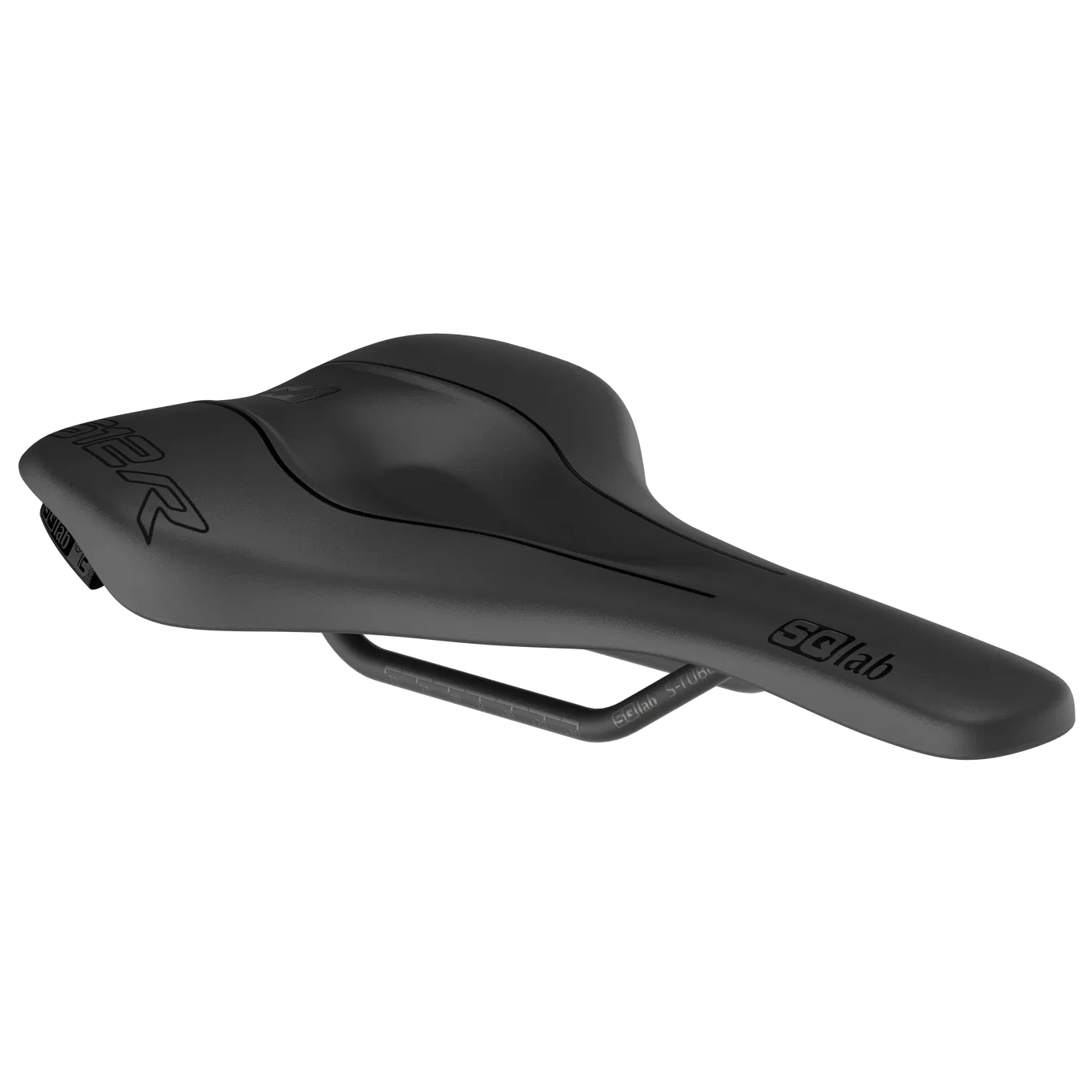
Gel saddlesadd extra comfort by using soft gel layers. They absorb shocks from rough roads or bumps. Gel saddles are good for short or medium rides. They stay soft and help reduce pressure on sit bones.
Foam padded saddlesare lightweight and affordable. They provide basic cushioning and support. Foam can compress over time but is great for daily commuting. These saddles fit most bike types and riding styles.
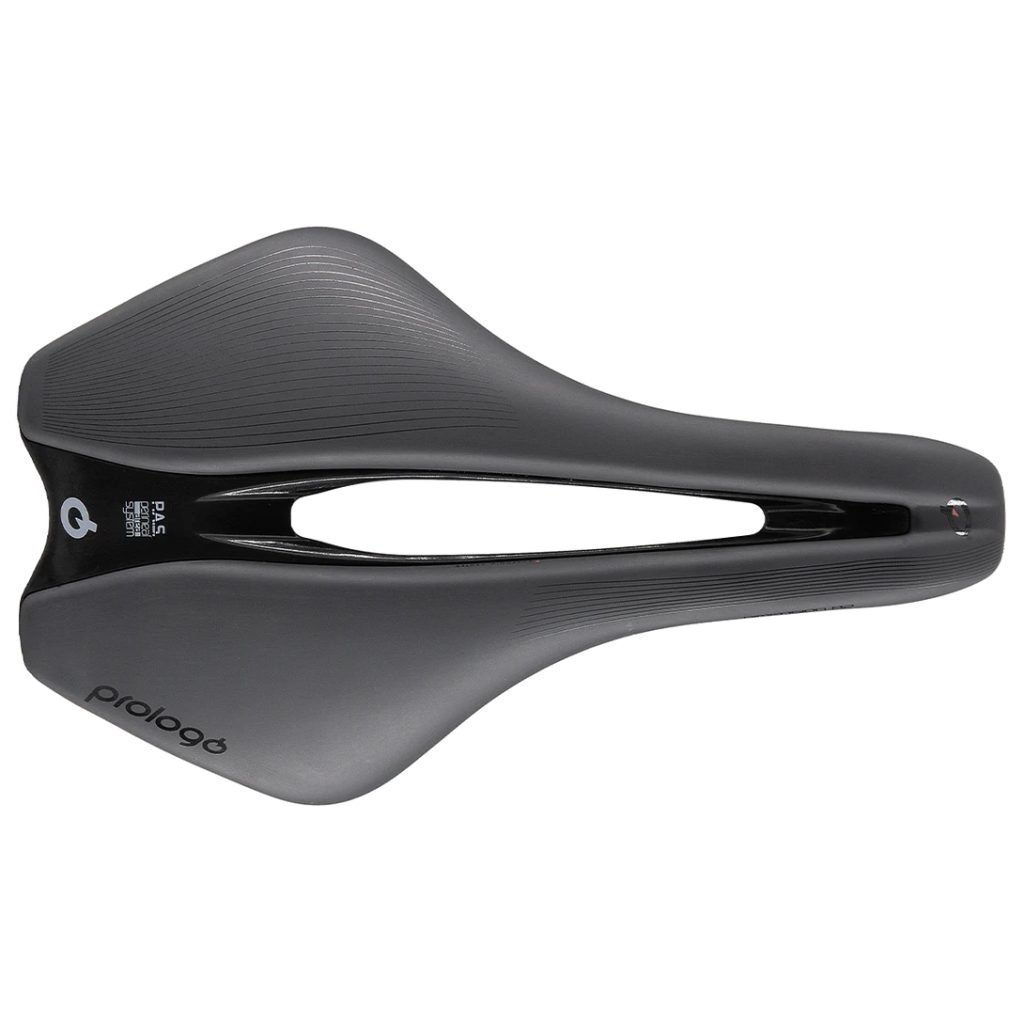
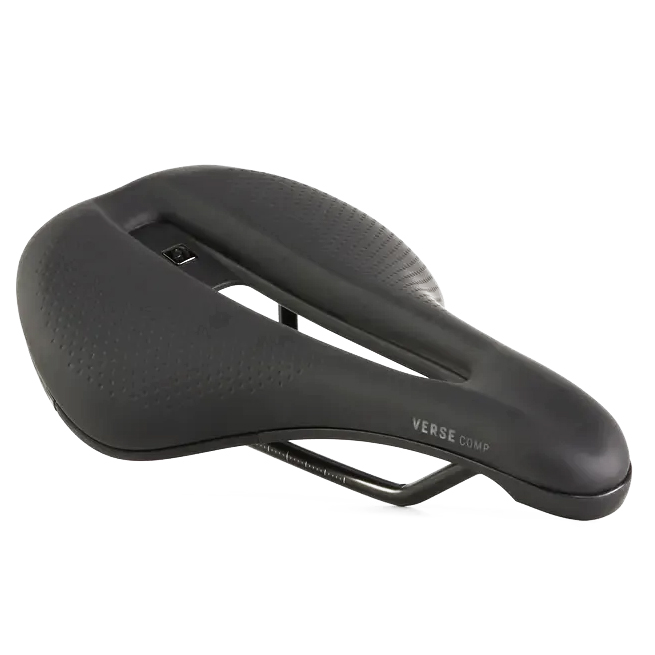
Cut-out and pressure relief saddleshave a gap or channel in the center. This design reduces pressure on sensitive areas. They help improve blood flow and reduce numbness. Ideal for riders who face discomfort on longer trips.
Credit: www.cyclingweekly.com
Key Comfort Features To Consider
Saddle width and shapemust match your sit bones. A saddle too narrow causes pain. Too wide can rub your thighs. Try different shapes to find comfort. Rounded or flat shapes suit different riders.
Padding density and materialaffect comfort on long rides. Soft padding feels nice but may wear fast. Firm padding supports better over time. Look for durable materials like gel or foam that keep their shape.
Saddle flexibility and suspensionhelp absorb shocks from bumps. Some saddles have springs or gel inserts. Flexible saddles move with your body. This reduces pressure on your hips and tailbone.
Breathability and moisture managementkeep you dry. Saddles with mesh or perforations allow airflow. This reduces sweat and skin irritation. Materials that wick moisture help too. Stay cool and comfortable on hot rides.
Matching Saddles To Riding Style
Upright commutingcalls for a saddle with extra padding and wide support. It helps keep the rider comfortable during slow, steady rides. A saddle with a soft cover reduces pressure on the sit bones and lower back.
Aggressive forward postureneeds a narrow, firm saddle. It supports the pelvis in a tilted position. This type helps keep the rider balanced and reduces chafing during fast rides.
Mixed terrain ridingrequires a versatile saddle. It should offer good padding and a shape that suits both upright and forward positions. Durable materials work best to handle rough paths and city streets.

Credit: www.femmecyclist.com
Sizing And Fit Tips
Measure your sit bone widthusing a special tool or foam. Sit on the foam and mark the points where your bones press down. This measurement helps pick a saddle that fits your body. A saddle too wide or too narrow can cause discomfort and pain.
Adjust the saddle positionfor the best ride. Slide it forward or backward to find a comfortable spot. The saddle should be level or slightly tilted down. Check that your knees don’t hit the handlebars or frame.
Test the saddle by riding on flat and rough roads. Pay attention to any pressure pointsor numbness. Ride for 20-30 minutes to be sure. Change the angle or position if you feel pain. Comfort is key for a good commute.
Materials And Durability
Choose saddles made from strong materials like leather or synthetic fibers for long-lasting use. Durable saddles resist wear and provide steady comfort during daily rides.
Leather Vs Synthetic
Leather saddlesare strong and last long. They feel soft and fit well. But, they can be costly. Synthetic saddlesare cheaper and lighter. They dry fast and need little care. Picking the right one depends on your budget and needs.Water Resistance
Leather saddles can soak up water. This makes them less comfy when wet. Synthetic saddles resist water better. They stay dry in rain. Pick a saddle that suits your weather.Maintenance And Longevity
Leather needs care. You must clean and oil it often. This keeps it in good shape. Synthetic saddles need less care. They keep their shape without much effort. Think about how much time you have for care. `Additional Comfort Enhancements
Saddle coversadd extra padding and protect the saddle from rain. They are easy to put on and take off. Some covers have gel padding for more comfort during long rides.
Padded shortshelp reduce pressure and prevent chafing. They are made with soft materials and have cushioning in key areas. Wearing them can make rides smoother and less painful.
Suspension seatpostsabsorb shocks from rough roads. They help keep your ride steady and reduce strain on your back. This upgrade can make daily commuting much more comfortable.
Budgeting For Comfort
Choosing a saddle for commuting means balancing comfort and budget. Focus on padding, shape, and size to prevent pain during rides. Testing different saddles helps find the best fit for daily travel.
Affordable Options
Finding the right saddle is important. Affordable saddles can be comfortable too. Look for soft padding and a strong base. Some saddles have a gel layer. This makes rides more comfy. Check local shops for sales and discounts. Online stores often offer deals. Always read reviews before buying. Try different saddles before choosing one.
Premium Saddles Worth Investing In
Premium saddles offer top-notch comfort. They have high-quality materials. Some are made with real leather. This makes them last longer. They often have better designs. Riders feel less tired with these. Investing in a good saddle can save money. You won’t need to replace it often. Comfort is key for long rides.
Balancing Price And Performance
Finding a good saddle is like a puzzle. Look for a balance of price and performance. Some saddles are not too expensive but work well. They offer good support. Test different ones to find your match. Sometimes, mid-range saddles are best. They offer both comfort and value. A good saddle makes every ride better.
Credit: www.cyclingweekly.com
Frequently Asked Questions
What Are The Best Saddle Types For Commuting?
Comfort saddles with extra padding and ergonomic designs work best for commuting. They reduce pressure and enhance ride comfort on daily trips.
How To Choose Saddle Size For Commuting?
Select a saddle matching your sit bone width. Proper size prevents discomfort and improves pedaling efficiency during your commute.
Should Commuting Saddles Have Extra Padding?
Yes, extra padding absorbs shocks from rough roads. It provides comfort during longer rides and uneven surfaces.
What Materials Are Ideal For Commuting Saddles?
Synthetic leather or gel materials are ideal. They offer durability, weather resistance, and comfort needed for daily commuting.
Conclusion
Choosing the right saddle makes your daily ride more comfortable. Think about your ride length and body shape first. Try different saddles to find the best fit. Don’t forget to check padding and material for durability. A good saddle helps avoid pain and improves your cycling experience.
Take time to pick one that suits your needs. Enjoy every commute with comfort and ease.



